


 Zobrazit v interiéru
 Odeslat
 Sdílet
 Podrobnosti
 Průvodce

 Stáhnout obrázek
 Podobné kousky
 Rentgenové snímky
 Slideshow
 Statistiky
Still life
 Olejová barva
- Obrazová tvorba na stěnu
- Surrealism
 1931
1931- Modernismus
 125.0 x 190.0 cm
Explore Pablo Picasso's 'Still Life' (1931), a surrealist masterpiece blending Cubism and dreamlike imagery. A captivating study of form, color, and perception.
 Přečíst si více
Pablo Picasso (1881-1973) – španělský malíř a sochař, zakladatel kubismu, známý dílama Guernica & Les Demoiselles d’Avignon. Revolucionář umění s neuvěřitelným vlivem.
Giclée / Umělecký tisk
Giclée nebo plátěný tisk muzeální kvality s rychlou výrobou a širokou nabídkou povrchových úprav. ( Objednat ručně malovanou reprodukci Přepnout na digitální verzi obrazu)




P118B $10

P118H $10

P118W $10

P438Z $10

P508JH $12

P508YH $12

P805H $10

P805Z $10

P919BZ $10

P919G $10

P919XJ $10

P959ZH $10

P968JZ $12

W106C $8

W218G $10

W218JH $8

W218Y $10

W307PJ $10

W316G $10

W316PJ $8

W316Y $10

W398PJ $8

W4111J $10

W500HY $15

W500JH $15

W692G $12

W849H $8

W940BG $15

W953PJ $8




Standardní velikost
na zakázku
CM
INCH
Vyberte si z našich přednastavených velikostí, které odpovídají původním proporcím díla.
Loading sizes...

šířka
výška
Můžete zadat vlastní rozměry tak, aby výtvor odpovídal konkrétnímu rámu nebo prostoru. Pokud zvolená velikost nebude odpovídat poměru stran původního obrazu, dílo buď ořížeme, nebo obraz rozšíříme pomocí zrcadlového efektu či jednobarevného okraje. Před zahájením výroby vám bude zaslán digitální náhled k schválení.
Mějte prosím na paměti, že náhled na obrazovce neodráží skutečné oříznutí nebo rozšíření. Pouze digitální náhled přesně zobrazí finální kompozici.
Ačkoliv jsou k dispozici i vlastní rozměry, pro zachování původních proporcí doporučujeme vybrat si rozměr z předdefinovaného seznamu.
Celosvětové doručení () do 2 týdnů namísto standardních 4/5 týdnů. (24 září)

Zdarma celosvětová expresní doprava

Vysoce kvalitní lněné plátno

Úplné pojištění přepravy

Záruka vrácení celního poplatku

Záruka věrného barevného shodu

100dení lhůta pro vrácení zboží (pouze při vadách výroby)

100% garance vrácení peněz

Sleva při více objednávkách
 Skleněná varianta je dostupná pouze u rozměrů menších než 110 cm

Still life
Giclée / Umělecký tisk
Velikost reprodukce
-


Celková cena
$ 69
A Surrealist Echo: Decoding Picasso’s “Still Life”
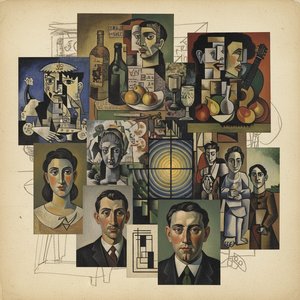
Pablo Picasso's "Still Life," painted in 1931, isn’t merely a depiction of fruit and vases; it’s a deliberate excavation into the subconscious, a vibrant testament to the burgeoning Surrealism that was reshaping the artistic landscape. This work, measuring a substantial 125 x 190 cm, transcends the traditional boundaries of still life painting, inviting viewers into a realm where familiar objects are fractured, reassembled, and imbued with an unsettling, dreamlike quality. Picasso, already a titan of modern art, was deeply influenced by the revolutionary ideas circulating at the time – particularly those championed by Georges Braque in Cubism – yet he embraced Surrealism’s exploration of irrationality and the power of the unconscious mind. The painting's genesis lies not just in observation but in a conscious effort to disrupt our established perceptions of reality, mirroring the movement’s core tenets.Composition and the Dance of Perspective
At first glance, “Still Life” presents a seemingly straightforward arrangement: a bowl overflowing with oranges, scattered apples, and two elegant vases positioned on either side. However, closer inspection reveals a masterful manipulation of perspective and form. Picasso doesn’t simply render these objects as they appear; he fragments them, dissects them, and then reconstructs them in a way that defies conventional representation. The oranges, for instance, are not smoothly rounded but rather presented with sharp angles and overlapping planes, suggesting multiple viewpoints simultaneously. This is a direct inheritance from Cubism, where the illusion of depth is achieved through the simultaneous depiction of various facets of an object. The apples, similarly, appear to float or roll across the canvas, contributing to the sense of instability and movement within the composition. The placement of the vases, deliberately offset and slightly distorted, further enhances this feeling of visual complexity, creating a dynamic interplay between form and space.Influences: Cubism’s Legacy and Surrealist Dreams
Picasso's engagement with Cubism is undeniable, yet “Still Life” ventures beyond the purely analytical approach favored by Braque. While Cubism sought to deconstruct objects into their geometric components, Picasso utilizes this technique to unlock a more emotional and symbolic dimension. The fragmentation of the fruit and vegetables isn’t simply an exercise in visual experimentation; it's a deliberate attempt to evoke feelings of anxiety, disorientation, or perhaps even a subconscious longing. The influence of Surrealism is equally palpable. The arrangement feels less like a logical composition and more like a spontaneous eruption of imagery – as if plucked directly from a dream. This aligns perfectly with the Surrealist desire to tap into the realm of the unconscious, where logic and reason are suspended, allowing for a freer expression of emotion and imagination.Symbolism and Emotional Resonance
Beyond its formal innovations, “Still Life” is rich in symbolic potential. Oranges, often associated with vitality, abundance, and even danger (due to their color), dominate the composition, suggesting both pleasure and peril. The apples, traditionally symbols of temptation and knowledge, add another layer of complexity. The vases, elegant and refined, could represent beauty or fragility – perhaps a commentary on the transient nature of life itself. The overall effect is one of unsettling harmony, where familiar objects are presented in an unfamiliar context, prompting viewers to question their own perceptions and assumptions about reality. Picasso masterfully uses color—a palette dominated by earthy tones punctuated by vibrant oranges—to heighten this emotional impact, creating a visual experience that is both captivating and deeply evocative.A Masterpiece for the Ages: Reproductions from TopImpressionists.com
Pablo Picasso’s “Still Life” stands as a pivotal work in the history of modern art, demonstrating his profound understanding of form, color, and symbolism. Its innovative approach to perspective, combined with its exploration of Surrealist themes, cemented Picasso's legacy as one of the 20th century’s most influential artists. TopImpressionists.com is proud to offer meticulously crafted, hand-painted oil painting reproductions of this iconic masterpiece. Our skilled artisans painstakingly recreate every detail – from the subtle nuances of color to the intricate textures of the fruit and vegetables – ensuring that your reproduction captures the essence and emotional power of the original. Explore our collection today and bring a piece of Picasso’s genius into your home or office. View Pablo Picasso: Still life, alongside related resources like Cubism and Top 5 Famous Surrealism Paintings of All Time. Discover the beauty and intrigue of “Still Life” with a TopImpressionists.com reproduction.Biografie umělce
Život a počátky geniálního malíře
Pablo Ruiz Picasso, jméno neodmyslitelně spojené s revolucí v umění 20. století, se narodil 25. října 1881 ve španělské Malaze. Jeho osud zdánlivě předurčen k tvůrčímu vyjádření – legenda praví, že první slova, která pronesl, byla “piz, piz”, pokus o vyslovení slova ‘tužka’. Tento raný náklon podporoval jeho otec, José Ruiz y Blasco, malíř a učitel umění, který mladému Pablu poskytl základní vzdělání. Syn však brzy svého učitele překonal, prokazujíc pozoruhodný talent pro realistické zobrazení, které naznačovalo budoucího mistra. Následné stěhování rodiny – nejprve do A Coruña a poté do Barcelony – bylo poznamenáno osobními tragédiemi, zejména ztrátou Pablovovy sestry, zážitkem, který se subtilně promítl do jeho pozdější tvorby skrze témata melancholie a smrtelnosti. I během formálního studia na Škole výtvarných umění v Barceloně a krátkého pobytu na Královské akademii San Fernando v Madridu Picasso vzdoroval rigidním akademickým omezením, preferujíc ponoření se do děl mistrů jako Velázquez a Goya, čímž si razil vlastní cestu k umělecké inovaci.
Modrá a růžová období: Hledání vlastního jazyka
Počátky 20. století byly svědky vzniku dvou výrazných období v Picassově tvorbě: Modré období (zhruba 1901-1904) a Růžové období (1904-1906). Modré období, zrozené z osobních strastí a hlubokého uvědomění si sociálního utrpení, se vyznačuje obrazy prosycenými tlumenými odstíny modré a namodralé zeleně. Tato díla jsou osídleny okrajovými postavami – žebráky, slepci, prostitutkami – ztvárněnými s pronikavou empatií, která hovoří o tématech izolace a zoufalství. La Vie (1903) a Starý kytarista (1903-1904) jsou silné příklady této emocionálně nabité fáze. Změna v Picassově osobním životě, spojená s přestěhováním do Paříže, signalizovala příchod Růžového období. Paleta se výrazně oteplila a přijala růžové, oranžové a červené tóny, odrážející optimističtější pohled na svět. Toto období bylo charakteristické fascinací cirkusovými umělci – harlekýny, akrobaty a rodinnými skupinami – postavami, které zosobňovaly křehkost i odolnost. Rodina Saltimbanques (1905) krásně shrnuje tento přechod a naznačuje stylistické experimenty, které se teprve měly rozvinout.
Revoluce v perspektivě: Kubismus a jeho dopad
Rok 1907 znamenal zásadní okamžik v dějinách umění s vytvořením obrazu Les Demoiselles d'Avignon. Ovlivněný iberskou sochařstvím a africkými maskami, tento průlomový obraz rozbil tradiční představy o perspektivě a reprezentaci. Byl to radikální odklon, vědomé odmítnutí staletých konvencí, které připravily cestu pro kubismus. Spoluprací s Georgem Braquem Picasso spoluzaložil toto revoluční hnutí, zásadně měnící způsob, jakým umělci vnímali a zobrazovali realitu. Analytický kubismus (1909-1912) zahrnoval fragmentaci objektů do geometrických tvarů, vykreslených tlumenými barvami, jako by se rozebíral samotný tvar. To se vyvinulo v Syntetický kubismus (1912-1919), který začleňoval kolážové prvky – výstřižky z novin, kousky látek – a přidával texturu a nové vrstvy vizuální složitosti. Picasso nebyl spokojen s pouhým reprezentováním světa; snažil se ho dekonstruovat a rekonstruovat podle svých vlastních pravidel.
Neoklasicismus, surrealismus a odkaz války
20. léta 20. století přinesla Picassovo krátké zkoumání neoklasicistického stylu, vytvářející monumentální figury, které odrážely klasické formy, ale zachovávaly si výrazně moderní citlivost. Současně se zapojil do rozvíjejícího se surrealistického hnutí, i když se s jeho principy nikdy plně neztotožnil. Jeho práce v tomto období kombinovala dřívější stylistické vlivy se surreálnými obrazy a zkreslenou perspektivou, což demonstrovalo jeho neutuchající experimentování. Hrůzy španělské občanské války hluboce zasáhly Picassa, vyvrcholily vytvořením obrazu Guernica (1937), syrové a emocionálně devastující reakce na bombardování Guernicy. Toto monumentální dílo se stalo trvalým symbolem zvěrstev války, upevňujícím Picassovu roli nejen jako umělce, ale také jako silného hlasu za mír a sociální spravedlnost. Během 50. a 60. let neustále posouval hranice, zkoumal keramiku, sochařství a grafiku s neochvějnou zvědavostí a dovedností. Jeho manželství s Jacqueline Roque v roce 1961 přineslo nový rozměr jeho osobního života a umělecké exprese.
Nesmírný dopad na světové umění
Pablo Picasso zemřel 8. dubna 1973 v Mougins ve Francii, zanechávaje za sebou úžasné dílo – odhadované na více než 50 000 kusů – které neustále fascinuje a inspiruje. Jeho umělecký vývoj byl formován rozmanitým spektrem vlivů, od španělských mistrů jako Velázquez a Goya po iberskou sochu, africké umění a živé barevné palety Henriho Matisse. Jeho dopad na umění 20. století je nevyčíslitelný. Spoluzaložil kubismus, zavedl koláž a konstruovanou sochu a neustále zpochybňoval umělecké konvence. Picassovo neutuchající experimentování předefinovalo moderní umění, zanechávaje nesmazatelnou stopu na generacích umělců a upevňujíc jeho pozici jako jedné z nejdůležitějších a nejvlivnějších postav v historii. Jeho odkaz přesahuje plátno, rezonuje v nesčetných aspektech současné kultury a připomíná nám transformační sílu umělecké vize.

Pablo Picasso
1881 - 1973 , Španělsko
Rychlé informace
- Artistic Movement Or Style: Kubismus, Surrealismus
- Artists Or Movements Influenced By This Artist:
- Kubismus
- Moderní umění
- Artists Who Influenced This Artist:
- Velázquez
- Goya
- Matisse
- Date Of Birth: 25. října 1881
- Date Of Death: 8. dubna 1973
- Full Name: Pablo Diego José Ruiz Picasso
- Nationality: Španělská
- Notable Artworks (List Of Titles):
- Les Demoiselles d'Avignon
- Guernica
- The Old Guitarist
- Place Of Birth (City And Country): Málaga, Španělsko
Související články
Top 10 mistrovských děl kubismu: Umění, které změnilo pohled na svět | TopImpressionists.com
Prozkoumejte 10 ikonických děl kubismu od Picassa, Braquea a dalších. Objevte příběhy za slavnými obrazy tohoto revolučního uměleckého hnutí a inspirujte se pro svůj interiér s TopImpressionists.com! Reprodukce obrazů nejvyšší kvality.

10 mistrovských děl kubismu: Umění, které změnilo vnímání reality | TopImpressionists
Prozkoumejte 10 ikonických děl kubismu od Picassa, Braquea a dalších. Objevte příběhy za těmito revolučními obrazy a inspirujte se pro váš interiér s reprodukcemi nejvyšší kvality na TopImpressionists.com.

Mastering Cubism: An Essential Guide to the Revolutionary Artworks of Pablo Picasso
Explore the profound evolution of Cubism through an expert analysis of Pablo Picasso's revolutionary works. From Analytical to Synthetic Cubism, discover the techniques that redefined modern art and learn how to curate these iconic masterpieces for your private collection.

Pablo Picasso: A Revolutionary Vision – Cubism, Symbolism & Enduring Legacy
Explore the revolutionary art of Pablo Picasso with TopImpressionists.com. Discover Cubism's origins, symbolism in his masterpieces & investment insights for collectors. Expert appraisal & custom reproductions available.

Cubism Unveiled: How Picasso and Braque Redefined Reality Through Geometric Abstraction
Explore the revolutionary world of Cubism. Discover how masters Pablo Picasso and Georges Braque dismantled reality through geometric abstraction to redefine modern art history.
Prozkoumejte umělecká díla uspořádaná podle témat, stylů a charakteristik.


