

 Náhled v interiéru
 Sdílet
 Sdílet
 Podrobnosti o díle
 Průvodce

 Stáhnout
 Podobné položky
 Rentgenové snímky
 Slideshow
 Q&A
Q&A Statistiky
Chestnut Trees at the Jas de Bouffan

- 73.0 x 92.0 cm


 Zobrazit více
Key Works and Recurring Motifs</h2>
Cézanne’s oeuvre is remarkably diverse
Giclée / Umělecký tisk
Giclée nebo plátěný tisk muzeální kvality s rychlou výrobou a širokou nabídkou povrchových úprav. ( Koupit ručně malovaný obraz Přepnout na digitální obraz)




P118B Kč10

P118H Kč10

P118W Kč10

P438Z Kč10

P508JH Kč12

P508YH Kč12

P805H Kč10

P805Z Kč10

P919BZ Kč10

P919G Kč10

P919XJ Kč10

P959ZH Kč10

P968JZ Kč12

W106C Kč8

W218G Kč10

W218JH Kč8

W218Y Kč10

W307PJ Kč10

W316G Kč10

W316PJ Kč8

W316Y Kč10

W398PJ Kč8

W4111J Kč10

W500HY Kč15

W500JH Kč15

W692G Kč12

W849H Kč8

W940BG Kč15

W953PJ Kč8




Standardní velikost
na zakázku
CM
INCH
Vyberte si z našich přednastavených velikostí, které odpovídají původním proporcím díla.
Loading sizes...

šířka
výška
Zadejte šířku a výšku, které potřebujete pro váš rám nebo stěnu. Tisk lze pouze oříznout, nikdy však nelze zvětšit obraz nad jeho původní rozměr, proto při výběru jiného formátu dochází ke ztrátě části obrazu. Před samotným tiskem vám zašleme digitální náhled k schválení. Obraz zobrazený na této stránce nenabízí skutečný výřez — ten uvidíte pouze v náhledu.
Celosvětové doručení () do 2 týdnů namísto standardních 4/5 týdnů. (1 listopad)

Zdarma celosvětová expresní doprava

Vysoce kvalitní lněné plátno

Kompletní pojištění přepravy

Záruka vrácení celního poplatku

Záruka věrného barevného souladu

100dení lhůta pro vrácení zboží (pouze při vadách výroby)

100% záruka vrácení peněz

Sleva při více objednávkách
 Skleněná varianta je dostupná pouze u rozměrů menších než 110 cm

Chestnut Trees at the Jas de Bouffan
Giclée / Umělecký tisk
Rozměry reprodukce
-


Celková cena za vybrané možnosti reprodukcí
Kč 1499
A Pioneering Landscape – Paul Cézanne’s “Chestnut Trees at the Jas de Bouffan”
Paul Cézanne, a figure whose influence reverberates throughout modern art history, didn't merely depict what he saw; he wrestled with how to represent it. "Chestnut Trees at the Jas de Bouffan," completed in 1887, exemplifies this ambition brilliantly—a painting that transcends mere observation and delves into Cézanne’s profound engagement with capturing the essence of nature itself.
- Subject Matter: The scene portrays a grove of chestnut trees silhouetted against a snow-covered landscape punctuated by distant mountains. Cézanne meticulously rendered these trees, emphasizing their sculptural qualities rather than striving for photographic accuracy.
- Style & Technique: This artwork firmly establishes Cézanne within the Post-Impressionist movement. Unlike Impressionists who sought to capture fleeting moments of light and color, Cézanne employed bold brushstrokes—often thick impasto—to build up form and texture. The resulting surface is palpable; you can almost feel the snow beneath your fingertips.
Historical Context: Bridging Impressionism and Cubism
Painted during a pivotal period in Cézanne’s artistic evolution, “Chestnut Trees at the Jas de Bouffan” marks a decisive step away from Impressionistic ideals. Cézanne was actively experimenting with geometric simplification—a precursor to Cubism—as he sought to distill visual experience into fundamental shapes and planes. This stylistic shift reflects a broader intellectual preoccupation with exploring underlying structures beneath appearances.
- Influence: Cézanne’s approach profoundly impacted subsequent artists, notably Picasso and Braque, who would later develop Cubism based on his groundbreaking explorations of form and perspective.
- The Jas de Bouffan Estate: The painting depicts the Jas de Bouffan estate in Provence, a location that held particular significance for Cézanne, who resided there intermittently throughout his life. This site served as an ongoing source of inspiration for his landscapes.
Symbolism and Emotional Resonance
Beyond its formal innovations, “Chestnut Trees at the Jas de Bouffan” possesses a subtle yet powerful emotional resonance. The stark contrast between the bare trees and the pristine snow evokes feelings of solitude, resilience, and contemplation. Cézanne’s deliberate use of color—primarily muted browns and whites—contributes to this atmosphere of quiet grandeur.
“Chestnut Trees at the Jas de Bouffan” isn't merely a depiction of winter; it’s an embodiment of Cézanne’s belief that art should strive for permanence, capturing not just what is seen but also what is felt,” notes art historian Dr. Eleanor Vance.A Legacy Enduring Inspiration
Today, “Chestnut Trees at the Jas de Bouffan” resides in the Minneapolis Institute of Arts (United States), continuing to captivate audiences with its masterful composition and expressive technique. Its enduring appeal stems from Cézanne’s unwavering commitment to pushing artistic boundaries—a legacy that inspires artists and collectors alike.
- Reproductions Available: For those seeking to experience the beauty of this iconic artwork firsthand, TopImpressionists offers exceptional handmade oil painting reproductions.
- Bringing Cézanne Home: These meticulously crafted reproductions faithfully recreate Cézanne’s original vision, allowing you to infuse your interior spaces with a touch of artistic brilliance.
Otázky a odpovědi
Jakou atmosféru do interiéru přináší „Chestnut Trees at the Jas de Bouffan“ od Paul Cézanne?
Dílo „Chestnut Trees at the Jas de Bouffan“ od Paul Cézanne má Serene atmosféru a doporučujeme jej do Living Room. Nálada představuje to, co dílo vnáší do okolního prostoru.
Jakou barvu v kompozici díla „Chestnut Trees at the Jas de Bouffan“ od Paul Cézanne dominuje?
Dominantní barvou díla „Chestnut Trees at the Jas de Bouffan“ od Paul Cézanne je Rosy Brown (#beb4a0).
Jsou barvy díla „Chestnut Trees at the Jas de Bouffan“ od Paul Cézanne živé, nebo tlumené?
Dílo „Chestnut Trees at the Jas de Bouffan“ od Paul Cézanne je zachyceno s Subtle Color saturací a Balanced intenzitou.
Podobná díla


Biografie umělce
Život a cesta Paula Cézanna: Od Aix-en-Provence k revoluci v malbě
Paul Cézanne, narozený roku 1839 v malebném Aix-en-Provence na jihu Francie, je bezesporu jednou z nejvýznamnějších postav přechodu mezi impresionismem a kubismem. Jeho umělecká dráha nebyla cestou okamžitého uznání; spíše to byla pomalá evoluce plná pochybností, kritiky a nakonec i trvalého dědictví, které navždy změnilo běh moderního umění. Cézanne pocházel z dobře situované rodiny – jeho otec byl původně kloboučník a později bankéř – což mu poskytlo finanční nezávislost neobvyklou pro začínajícího umělce, umožňující mu věnovat se své vášni bez existenčních starostí. Přestože ho otec zprvu směřoval ke studiu práva, neodolatelný tah k malířství zvítězil a Cézanne se rozhodl opustit právnickou kariéru, čímž si určil osud svého života. Mezi jeho rané inspirace patřil romantismus a krajinářská škola Barbizonské školy, ale klíčový zlom nastal díky setkáním s umělci jako Paul Gauguin a Georges Seurat, jejichž inovativní přístupy k barvě a formě Cézanna přivedly na jeho vlastní jedinečnou cestu.Hledání struktury: Evoluce Cézannova stylu
Raná tvorba Paula Cézanna často odrážela dramatická témata romantické malby – tmavé palety a expresivní štětec dominovaly jeho plátnům. Tato počáteční fáze však byla pouhým stupněm k radikálnějšímu přístupu. Nespokojen s pouhým zachycením pomíjivých dojmů světla, jak to preferovali impresionisté, Cézanne se vydal na cestu porozumění a reprezentace vnitřní struktury samotných objektů. Nesnažil se jen o zobrazení *co* vidí, ale i *jak* vnímá základní formy tvořící realitu. To ho vedlo k rozkladu přírodních tvarů na jejich geometrické ekvivalenty – kužele, válce, koule – předznamenávající kubistickou revoluci o desítky let později. Jeho technika se vyznačovala malými, opakujícími se tahy štětcem, pečlivě vrstvenými pro budování komplexních barevných a texturových ploch, čímž vytvářel pocit pevnosti a hloubky dosud v malbě nevídaný. Nezajímala ho iluzorní perspektiva; často prezentoval objekty z několika úhlů současně, což narušovalo tradiční představy o prostoru a nutilo diváka aktivně se zapojit do konstruované povahy jeho kompozic. Toto záměrné zkreslení nebylo náhodné, ale pokus o hlubší pochopení formy, reprezentující nejen okamžik v čase, ale i syntézu vnímání.Krajiny, zátiší a lidská postava: Klíčová díla a opakující se motivy
Cézannovo dílo je pozoruhodně rozmanité, zahrnuje krajiny, zátiší, portréty a zobrazení koupajících se žen, ale vše sjednocuje jeho jedinečný přístup k formě a barvě. Rybný rybník v Jas de Bouffan, namalovaný roku 1880, je příkladem jeho krajinářské tvorby, ukazující schopnost zachytit podstatu přírody pečlivým uspořádáním tvarů a tónů. Portrét Émila Zoly, vzniklý roku 1866, odhaluje jeho vyvíjející se styl a nabízí poutavý pohled do intelektuální intenzity jeho blízkého přítele a spisovatele. Jeho zátiší, například s jablky a dalším ovocem, nejsou pouhým zobrazením předmětů, ale spíše průzkumem objemu, světla a prostorových vztahů. Série Mont Sainte-Victoire se stala Cézannovou obsesí, opakujícím se motivem, který mu umožnil neúnavně zkoumat formu a perspektivu po celá desetiletí. Tyto obrazy nejsou pouhým zobrazením hory; jsou studiemi toho, jak vnímáme hloubku, objem a souhru světla a stínu. A konečně, jeho série Koupajících se žen, zobrazující nahé postavy v idylických krajinách, představuje hluboký průzkum lidské formy a jejího spojení s přírodou, často prosycené pocitem nadčasovosti a tichého rozjímání.Dědictví utvářené inovacemi: Vliv Cézanna na moderní umění
Vliv Paula Cézanna na následující generace umělců je nesmírný. Je všeobecně považován za „otce moderního umění“ pro jeho průkopnický přínos do obrazového jazyka, který připravil cestu mnoha významným uměleckým směrům 20. století. Pablo Picasso a Georges Braque byli hluboce zadluženi Cézannovu důrazu na geometrické formy a víceúhlou perspektivu, které se staly základními principy kubismu. Jeho odvážné používání barvy inspirovalo také fauvisty vedené umělci jako Henri Matisse, kteří přijali živé, nenápadné odstíny. Dokonce i surrealisté našli rezonanci v Cézannově průzkumu subjektivního vnímání a psychologické hloubky. Kromě konkrétních směrů Cézannova trvání na osobní vizi umělce a odmítání tradičních akademických omezení osvobodilo generace malířů k prozkoumávání nových forem vyjádření. Zpochybnil samotnou definici reprezentace, posunul důraz od napodobování reality ke konstrukci vizuální zkušenosti založené na základní struktuře a subjektivním vnímání. Jeho smrt roku 1906 neznamenala konec, ale začátek – úsvit nové éry v dějinách umění, hluboce formované jeho revoluční vizí.
Paul Cézanne
1839 - 1906 , Francie
Rychlé informace o umělci
- Datum Narození: 19. ledna 1839
- Datum Úmrtí: 22. října 1906
- Místo Narození: Aix-en-Provence, Francie
- Národnost: Francouzská
- Ovlivnil Umělce/Směry:
- Kubismus
- Fauvismus
- Surrealismus
- Ovlivněno Umělci:
- Romantismus
- Barbizonská škola
- Paul Gauguin
- Georges Seurat
- Plné Jméno: Paul Cézanne
- Umělecký Směr: Postimpresionismus
- Významná Díla:
- Zalévka u Jas de Bouffan
- Portrét Émila Zoly
- Lesy
- Mont Sainte-Victoire
- Koupající se
Související články
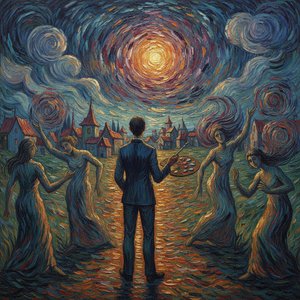
Beyond the Light: Capturing Emotion Through the Expressive Soul of Post-Impressionism
Explore the profound emotional depth of Post-Impressionism. Discover how masters like Van Gogh and Cézanne moved beyond light to capture raw feeling through color and texture. A journey into art history for the true connoisseur.
Prozkoumejte umělecká díla uspořádaná podle témat, stylů a charakteristik.


