


 Náhled v interiéru
 Sdílet
 Sdílet
 Podrobnosti o díle
 Průvodce

 Stáhnout
 Podobné položky
 Rentgenové snímky
 Slideshow
 Q&A
Q&A Statistiky
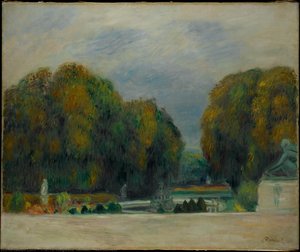
The Pool at the Jas de Bouffan


Experience Paul Cézanne's 'The Pool at Jas de Bouffan'! This post-impressionist masterpiece captures tranquility with vibrant colors and human presence, a pivotal work bridging art history.
 Zobrazit více
Key Works and Recurring Motifs</h2>
Cézanne’s oeuvre is remarkably diverse
Získejte soubor připravený k tisku, který svou kvalitou výrazně převyšuje webový náhled. Každý prodávaný digitální obraz pochází z vysokorozlišeného originálu v naší databázi – obvykle o šířce 5 000 až 15 000 pixelů – díky čemuž můžete tisknout ve velkém formátu, provádět těsný střih nebo si s jistotou užít i ty nejjemnější detaily.
Žádný soubor neopustí naše studio bez úprav. Digitální expert kontroluje barvy v porovnání s původním malířským dílem a v případě potřeby je upravuje, poté pomocí profesionálních nástrojů pro retuš zvyšuje ostrost a detailnost — přičemž vždy zůstává věrný tahům štětcem a stylu umělce. Výsledkem je obraz, který vypadá jako malba, nikoliv jako naskenovaný snímek s filtrem.
Schvalování před dokončením: náš expert vám do 72 hodin zašle obraz e-mailem k revizi. Nejsste spokojeni? Můžete požádat o úpravy či opravy, nebo si můžete vyžádat vrácení peněz, pokud kvalita neodpovídá vašim očekáváním.
Tuto kvalitu využívají vydavatelství, designová studia, galerie i tiskárny.
Digitální obrazy
Stáhněte si soubor ve vysokém rozlišení pro osobní prohlížení, tisk nebo kreativní projekty. ( Přepnout na tisk Koupit ručně malovaný obraz)
Součást každé objednávky digitálního obrazu
Profesionální digitální doručení, zaručené
Když si vyberete TopImpressionists.com, nezískáváte pouze obrázek – získáváte digitální umělecké dílo s profesionálně vylepšenými detaily, zpracované s precizností a podpořené zárukou za spokojenost. Zde je vše, co vaše objednávka automaticky obsahuje:

Rychlé doručení e-mailem
Váš digitální obraz ve vysokém rozlišení vám bude zaslán e-mailem do 72 hodin od objednávky – připraven k okamžitému použití.

Digitální soubor s využitím AI
Vaše umělecké dílo je profesionálně optimalizováno pomocí pokročilých nástrojů umělé inteligence a manuální úpravy, což zajišťuje maximální úroveň detailu, ostrosti a přesnosti barev.

Doživotní bezplatné znovuodeslání digitálních obrazů
Soubor jste omylem smazali nebo ztratili? Žádný problém – kdykoliv vám ho znovu zašleme zcela zdarma.

Bez poplatků za dovoz – navždy
Užijte si své umělecké dílo okamžitě bez celních poplatků, daní nebo nákladů na dopravu – digitální stažení je vždy bez daňových povinností.

Záruka přesnosti barev
Díky profesionálním nástrojům a správě barev zajišťujeme, aby váš digitální obraz odrážel původní barvy co nejvěrněji.

100dená záruka spokojenosti
Pokud nebudete s digitálním obrázkem spokojeni, provedeme jeho revizi nebo vám vrátíme 100% platby do 100 dnů – bez jakýchkoliv dotazů.

100% záruka vrácení peněz
Nespokojeni? Získejte plnou náhradu peněz do 100 dnů od obdržení digitálního souboru – bez zbytečných dotazů.

Slevy při hromadných objednávkách
Koupě 3 obrazů ušetří 10% – Koupě 5 obrazů ušetří 15% – Koupě 10+ obrazů ušetří 20%. Ideální pro kreativní projekty, galerie a agentury.
A Moment of Tranquility – The Genesis of Modern Form
Paul Cézanne’s “The Pool at the Jas de Bouffan,” painted around 1886-1890, isn't merely a depiction of a picturesque Provençal landscape; it’s a pivotal moment in art history—a deliberate dismantling and reimagining of traditional representation. Nestled within the confines of Cézanne’s own country estate, the Jas de Bouffan, this painting captures an afternoon bathed in dappled sunlight, revealing a profound shift in how artists approached capturing reality on canvas. It stands as a bridge between the fleeting impressions of Impressionism and the nascent geometric explorations that would define Cubism. The scene unfolds with a quiet intensity: a serene pool reflecting the azure sky and surrounding foliage, framed by the robust forms of cypress trees and the gentle curves of the landscape. Yet, Cézanne doesn’t simply mirror nature; he actively sculpts it, imposing his own vision onto the scene.
Cézanne's revolutionary approach stemmed from a deep dissatisfaction with the limitations of traditional perspective. He sought to represent not just what he *saw*, but how he *felt* about what he saw – the underlying structure and essence of objects. This is evident in his use of flattened planes, where forms seem to emerge from a two-dimensional surface rather than receding into space. The trees aren’t rendered with delicate detail; instead, they are constructed as blocks of color, their outlines defined by strong, assertive strokes. Similarly, the figures scattered throughout the scene – friends and family members enjoying the afternoon – are simplified and abstracted, contributing to a sense of timelessness and universality.
Color and Composition: A Symphony of Earth Tones
The painting’s palette is dominated by earthy tones—ochres, greens, blues, and browns—creating a harmonious and deeply resonant atmosphere. Cézanne masterfully employs color not to mimic reality but to convey mood and form. Notice how he uses variations in shade and hue to define the contours of the trees and the pool's surface, creating an illusion of depth and volume. The interplay between light and shadow is particularly striking, adding a dynamic quality to the otherwise tranquil scene. The use of complementary colors—such as blue and orange—creates visual excitement and enhances the sense of vibrancy within the composition.
Cézanne’s compositional choices are equally deliberate. He employs a pyramidal structure, anchoring the scene with the central pool and the surrounding trees. This creates a sense of stability and balance while simultaneously drawing the viewer's eye towards the heart of the image. The placement of the figures within this framework suggests a harmonious relationship between humanity and nature—a theme that would become increasingly important in Cézanne’s later work.
Symbolism and Emotional Resonance
“The Pool at the Jas de Bouffan” is more than just a landscape; it's imbued with symbolic meaning. The pool itself represents tranquility, reflection, and perhaps even eternity—a space for contemplation and escape from the pressures of everyday life. The presence of figures engaged in simple activities—conversation, swimming, observing nature—suggests a celebration of human connection and the pleasures of the natural world. Cézanne’s deliberate simplification of these forms elevates them to archetypes, representing universal experiences rather than specific individuals.
Ultimately, this painting speaks to a fundamental human desire for beauty, peace, and connection with nature. It's a testament to Cézanne’s ability to capture not just the outward appearance of a scene but also its underlying essence—a feat that continues to resonate with viewers today. Reproductions of “The Pool at the Jas de Bouffan” offer a remarkable opportunity to bring this iconic work into your home, allowing you to experience its timeless beauty and profound emotional impact firsthand.
Otázky a odpovědi
Do které období tvorby Paul Cézanne patří dílo „The Pool at the Jas de Bouffan“?
Dílo „The Pool at the Jas de Bouffan“ pochází z období Mature Period v tvorbě umělce Paul Cézanne. Tato klasifikace dílo zasazuje do kontextu vývoje jeho tvůrčí dráhy.
Jak spolu v díle "The Pool at the Jas de Bouffan" ladí barvy?
Barvy díla „The Pool at the Jas de Bouffan“ od Paul Cézanne vykazují Discordant Palette harmonii. Harmonie popisuje vzájemný vztah barev k sobě navzájem.
Jak světlý je celkově obraz "The Pool at the Jas de Bouffan"?
Vnímaná jasnost díla „The Pool at the Jas de Bouffan“ od Paul Cézanne je balanced. Lze jej přizpůsobit osvětlení daného prostoru.
Podobná díla




Biografie umělce
Život a cesta Paula Cézanna: Od Aix-en-Provence k revoluci v malbě
Paul Cézanne, narozený roku 1839 v malebném Aix-en-Provence na jihu Francie, je bezesporu jednou z nejvýznamnějších postav přechodu mezi impresionismem a kubismem. Jeho umělecká dráha nebyla cestou okamžitého uznání; spíše to byla pomalá evoluce plná pochybností, kritiky a nakonec i trvalého dědictví, které navždy změnilo běh moderního umění. Cézanne pocházel z dobře situované rodiny – jeho otec byl původně kloboučník a později bankéř – což mu poskytlo finanční nezávislost neobvyklou pro začínajícího umělce, umožňující mu věnovat se své vášni bez existenčních starostí. Přestože ho otec zprvu směřoval ke studiu práva, neodolatelný tah k malířství zvítězil a Cézanne se rozhodl opustit právnickou kariéru, čímž si určil osud svého života. Mezi jeho rané inspirace patřil romantismus a krajinářská škola Barbizonské školy, ale klíčový zlom nastal díky setkáním s umělci jako Paul Gauguin a Georges Seurat, jejichž inovativní přístupy k barvě a formě Cézanna přivedly na jeho vlastní jedinečnou cestu.Hledání struktury: Evoluce Cézannova stylu
Raná tvorba Paula Cézanna často odrážela dramatická témata romantické malby – tmavé palety a expresivní štětec dominovaly jeho plátnům. Tato počáteční fáze však byla pouhým stupněm k radikálnějšímu přístupu. Nespokojen s pouhým zachycením pomíjivých dojmů světla, jak to preferovali impresionisté, Cézanne se vydal na cestu porozumění a reprezentace vnitřní struktury samotných objektů. Nesnažil se jen o zobrazení *co* vidí, ale i *jak* vnímá základní formy tvořící realitu. To ho vedlo k rozkladu přírodních tvarů na jejich geometrické ekvivalenty – kužele, válce, koule – předznamenávající kubistickou revoluci o desítky let později. Jeho technika se vyznačovala malými, opakujícími se tahy štětcem, pečlivě vrstvenými pro budování komplexních barevných a texturových ploch, čímž vytvářel pocit pevnosti a hloubky dosud v malbě nevídaný. Nezajímala ho iluzorní perspektiva; často prezentoval objekty z několika úhlů současně, což narušovalo tradiční představy o prostoru a nutilo diváka aktivně se zapojit do konstruované povahy jeho kompozic. Toto záměrné zkreslení nebylo náhodné, ale pokus o hlubší pochopení formy, reprezentující nejen okamžik v čase, ale i syntézu vnímání.Krajiny, zátiší a lidská postava: Klíčová díla a opakující se motivy
Cézannovo dílo je pozoruhodně rozmanité, zahrnuje krajiny, zátiší, portréty a zobrazení koupajících se žen, ale vše sjednocuje jeho jedinečný přístup k formě a barvě. Rybný rybník v Jas de Bouffan, namalovaný roku 1880, je příkladem jeho krajinářské tvorby, ukazující schopnost zachytit podstatu přírody pečlivým uspořádáním tvarů a tónů. Portrét Émila Zoly, vzniklý roku 1866, odhaluje jeho vyvíjející se styl a nabízí poutavý pohled do intelektuální intenzity jeho blízkého přítele a spisovatele. Jeho zátiší, například s jablky a dalším ovocem, nejsou pouhým zobrazením předmětů, ale spíše průzkumem objemu, světla a prostorových vztahů. Série Mont Sainte-Victoire se stala Cézannovou obsesí, opakujícím se motivem, který mu umožnil neúnavně zkoumat formu a perspektivu po celá desetiletí. Tyto obrazy nejsou pouhým zobrazením hory; jsou studiemi toho, jak vnímáme hloubku, objem a souhru světla a stínu. A konečně, jeho série Koupajících se žen, zobrazující nahé postavy v idylických krajinách, představuje hluboký průzkum lidské formy a jejího spojení s přírodou, často prosycené pocitem nadčasovosti a tichého rozjímání.Dědictví utvářené inovacemi: Vliv Cézanna na moderní umění
Vliv Paula Cézanna na následující generace umělců je nesmírný. Je všeobecně považován za „otce moderního umění“ pro jeho průkopnický přínos do obrazového jazyka, který připravil cestu mnoha významným uměleckým směrům 20. století. Pablo Picasso a Georges Braque byli hluboce zadluženi Cézannovu důrazu na geometrické formy a víceúhlou perspektivu, které se staly základními principy kubismu. Jeho odvážné používání barvy inspirovalo také fauvisty vedené umělci jako Henri Matisse, kteří přijali živé, nenápadné odstíny. Dokonce i surrealisté našli rezonanci v Cézannově průzkumu subjektivního vnímání a psychologické hloubky. Kromě konkrétních směrů Cézannova trvání na osobní vizi umělce a odmítání tradičních akademických omezení osvobodilo generace malířů k prozkoumávání nových forem vyjádření. Zpochybnil samotnou definici reprezentace, posunul důraz od napodobování reality ke konstrukci vizuální zkušenosti založené na základní struktuře a subjektivním vnímání. Jeho smrt roku 1906 neznamenala konec, ale začátek – úsvit nové éry v dějinách umění, hluboce formované jeho revoluční vizí.
Paul Cézanne
1839 - 1906 , Francie
Stručné informace
- Datum Narození: 19. ledna 1839
- Datum Úmrtí: 22. října 1906
- Místo Narození: Aix-en-Provence, Francie
- Národnost: Francouzská
- Ovlivnil Umělce/Směry:
- Kubismus
- Fauvismus
- Surrealismus
- Ovlivněno Umělci:
- Romantismus
- Barbizonská škola
- Paul Gauguin
- Georges Seurat
- Plné Jméno: Paul Cézanne
- Umělecký Směr: Postimpresionismus
- Významná Díla:
- Zalévka u Jas de Bouffan
- Portrét Émila Zoly
- Lesy
- Mont Sainte-Victoire
- Koupající se