


 Náhled v interiéru
 Sdílet
 Sdílet
 Podrobnosti o díle
 Průvodce

 Stáhnout
 Podobné položky
 Rentgenové snímky
 Slideshow
 Statistiky
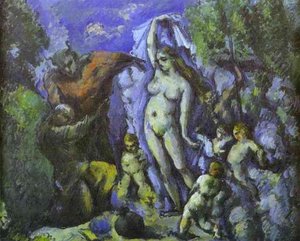
untitled (6213)


Admire Paul Cézanne's 'The Negro Scipion,' a poignant portrait capturing grief and featuring distinctive brushstrokes—a cornerstone of his early artistic vision.
 Zobrazit více
Key Works and Recurring Motifs</h2>
Cézanne’s oeuvre is remarkably diverse
Zakupte si digitální obraz ve vysokém rozlišení a vylepšeném provedení, který nabízí mnohem vyšší kvalitu než online náhled.
Každý soubor pečlivě připravují naši interní specialisté s využitím pokročilých nástrojů a odborné manuální retuše. Zajišťujeme, aby každý obraz disponoval výjimečnou ostrostí, přesnou barevnou věrností a jemnými detaily.
Finální soubor vám bude do 72 hodin zaslán e-mailem, optimalizovaný pro okamžité použití v profesionálním, redakčním i tiskovém prostředí. Nabízíme stejnou kvalitu, které důvěřují špičková designová studia, nakladatelství i galerie.
Digitální obrazy
Stáhněte si soubor ve vysokém rozlišení pro osobní prohlížení, tisk nebo kreativní projekty. ( Přepnout na tisk Koupit ručně malovaný obraz)
Součást každé objednávky digitálního obrazu
Profesionální digitální doručení, zaručené
Když si vyberete TopImpressionists.com, nezískáváte pouze obrázek – získáváte digitální umělecké dílo s profesionálně vylepšenými detaily, zpracované s precizností a podpořené zárukou za spokojenost. Zde je vše, co vaše objednávka automaticky obsahuje:

Rychlé doručení e-mailem
Váš digitální obraz ve vysokém rozlišení vám bude zaslán e-mailem do 72 hodin od objednávky – připraven k okamžitému použití.

Digitální soubor s využitím AI
Vaše umělecké dílo je profesionálně optimalizováno pomocí pokročilých nástrojů umělé inteligence a manuální úpravy, což zajišťuje maximální úroveň detailu, ostrosti a přesnosti barev.

Doživotní bezplatné znovuodeslání digitálních obrazů
Soubor jste omylem smazali nebo ztratili? Žádný problém – kdykoliv vám ho znovu zašleme zcela zdarma.

Bez poplatků za dovoz – navždy
Užijte si své umělecké dílo okamžitě bez celních poplatků, daní nebo nákladů na dopravu – digitální stažení je vždy bez daňových povinností.

Záruka přesnosti barev
Díky profesionálním nástrojům a správě barev zajišťujeme, aby váš digitální obraz odrážel původní barvy co nejvěrněji.

100dená záruka spokojenosti
Pokud nebudete s digitálním obrázkem spokojeni, provedeme jeho revizi nebo vám vrátíme 100% platby do 100 dnů – bez jakýchkoliv dotazů.

100% záruka vrácení peněz
Nespokojeni? Získejte plnou náhradu peněz do 100 dnů od obdržení digitálního souboru – bez zbytečných dotazů.

Slevy při hromadných objednávkách
Koupě 3 obrazů ušetří 10% – Koupě 5 obrazů ušetří 15% – Koupě 10+ obrazů ušetří 20%. Ideální pro kreativní projekty, galerie a agentury.
A Visionary Prelude: The Genesis of Scipion
In the quiet, transformative years of 1867, a young Paul Cézanne was already beginning to dismantle the boundaries of traditional representation. His work, “The Negro Scipion,” serves as a profound window into this nascent period of his career, capturing a moment where the weight of classical influence meets the burgeoning spirit of modernism. The painting presents us with Scipion, a model from Cézanne’s own studio, captured in a state of deep repose within an intimate domestic setting. While the subject appears deceptively simple—a solitary figure resting amidst the stillness of a room—there is an underlying tension that speaks to much more than mere physical rest. Through this piece, we witness the artist's early struggle to move beyond the superficiality of his era, seeking instead to anchor his subjects in a sense of permanent, sculptural reality.
To gaze upon this work is to encounter the very foundations of what would later become Post-Impressionism. At this stage, Cézanne was heavily engaged with the concepts of form and volume, moving away from the fleeting, light-drenched moments of his Impressionist contemporaries toward a more structured, almost architectural approach to the canvas. The painting is not merely an observation of a man; it is an exploration of how light can define mass and how shadow can imbue a figure with a sense of eternal presence.
The Architecture of Form and Color
Technically, “The Negro Scipion” reveals the artist’s burgeoning mastery over synthetism and geometric simplification. Rather than relying on delicate, ethereal brushwork, Cézanne employs a more deliberate, physical application of pigment. The texture of the canvas feels palpable, with thick, purposeful strokes that build up layers of color to create an illusion of depth and weight. This technique gives the figure of Scipion a monumental quality, as if he were carved from the very atmosphere surrounding him. He is not just a person in a room; he is a structural element within a carefully constructed universe.
The palette used in this early masterpiece is notably muted and earthy, dominated by tones that evoke a sense of groundedness and solemnity. This choice of color is far from accidental. By eschewing the bright, prismatic colors often associated with later Impressionism, Cézanne directs the viewer's attention to the interplay of light and shadow—the chiaroscuro effect that lends the scene its dramatic, almost melancholic gravity. The subtle transitions between light and dark create a rhythmic movement across the composition, guiding the eye through the domestic space and forcing a confrontation with the stillness of the subject.
Symbolism and the Emotional Resonance
Beyond the technical brilliance lies a deeper, more psychological layer that continues to captivate collectors and historians alike. There is an undeniable sense of introspection within the painting, a quiet contemplation of mortality and the passage of time. The way Scipion is positioned—lost in thought or perhaps lost to sleep—suggests a vulnerability that contrasts with the heavy, permanent nature of his form. This duality creates a poignant emotional impact; it is a study of the ephemeral human condition captured through an everlasting artistic lens.
For the discerning collector or interior designer, a reproduction of this work offers more than just aesthetic beauty; it brings a sense of historical weight and intellectual depth to a space. The painting’s ability to command attention through its quiet intensity makes it a perfect centerpiece for environments that value sophistication, contemplation, and the timeless allure of the masters. It is an invitation to slow down, to observe the nuances of shadow, and to reconnect with the profound beauty found in the structural essence of our world.
Otázky a odpovědi
Je pro dílo „untitled (6213)“ k dispozici stažení?
Digitální verzi díla „untitled (6213)“ od Paul Cézanne si můžete stáhnout na stránce Stažení digitální verze jako stažení digitálního obrazu ve vysokém rozlišení.
Mohu si "untitled (6213)" prohlédnout podrobněji?
Stránka Rentgenové snímky díla „untitled (6213)“ od Paul Cézanne nabízí interaktivní prohlížeč, který vám umožňuje procházet jedenácti optickými vrstvami obrazu, včetně pohledu ve stylu rentgenu.
Jaké je umětrovědné postavení díla „untitled (6213)“ od Paul Cézanne?
Dílo „untitled (6213)“ od Paul Cézanne patří k období 19th Century a směru Post-Impressionism. Tyto prvky společně zasazují dílo do historie umění.
Podobná díla




Biografie umělce
Život a cesta Paula Cézanna: Od Aix-en-Provence k revoluci v malbě
Paul Cézanne, narozený roku 1839 v malebném Aix-en-Provence na jihu Francie, je bezesporu jednou z nejvýznamnějších postav přechodu mezi impresionismem a kubismem. Jeho umělecká dráha nebyla cestou okamžitého uznání; spíše to byla pomalá evoluce plná pochybností, kritiky a nakonec i trvalého dědictví, které navždy změnilo běh moderního umění. Cézanne pocházel z dobře situované rodiny – jeho otec byl původně kloboučník a později bankéř – což mu poskytlo finanční nezávislost neobvyklou pro začínajícího umělce, umožňující mu věnovat se své vášni bez existenčních starostí. Přestože ho otec zprvu směřoval ke studiu práva, neodolatelný tah k malířství zvítězil a Cézanne se rozhodl opustit právnickou kariéru, čímž si určil osud svého života. Mezi jeho rané inspirace patřil romantismus a krajinářská škola Barbizonské školy, ale klíčový zlom nastal díky setkáním s umělci jako Paul Gauguin a Georges Seurat, jejichž inovativní přístupy k barvě a formě Cézanna přivedly na jeho vlastní jedinečnou cestu.Hledání struktury: Evoluce Cézannova stylu
Raná tvorba Paula Cézanna často odrážela dramatická témata romantické malby – tmavé palety a expresivní štětec dominovaly jeho plátnům. Tato počáteční fáze však byla pouhým stupněm k radikálnějšímu přístupu. Nespokojen s pouhým zachycením pomíjivých dojmů světla, jak to preferovali impresionisté, Cézanne se vydal na cestu porozumění a reprezentace vnitřní struktury samotných objektů. Nesnažil se jen o zobrazení *co* vidí, ale i *jak* vnímá základní formy tvořící realitu. To ho vedlo k rozkladu přírodních tvarů na jejich geometrické ekvivalenty – kužele, válce, koule – předznamenávající kubistickou revoluci o desítky let později. Jeho technika se vyznačovala malými, opakujícími se tahy štětcem, pečlivě vrstvenými pro budování komplexních barevných a texturových ploch, čímž vytvářel pocit pevnosti a hloubky dosud v malbě nevídaný. Nezajímala ho iluzorní perspektiva; často prezentoval objekty z několika úhlů současně, což narušovalo tradiční představy o prostoru a nutilo diváka aktivně se zapojit do konstruované povahy jeho kompozic. Toto záměrné zkreslení nebylo náhodné, ale pokus o hlubší pochopení formy, reprezentující nejen okamžik v čase, ale i syntézu vnímání.Krajiny, zátiší a lidská postava: Klíčová díla a opakující se motivy
Cézannovo dílo je pozoruhodně rozmanité, zahrnuje krajiny, zátiší, portréty a zobrazení koupajících se žen, ale vše sjednocuje jeho jedinečný přístup k formě a barvě. Rybný rybník v Jas de Bouffan, namalovaný roku 1880, je příkladem jeho krajinářské tvorby, ukazující schopnost zachytit podstatu přírody pečlivým uspořádáním tvarů a tónů. Portrét Émila Zoly, vzniklý roku 1866, odhaluje jeho vyvíjející se styl a nabízí poutavý pohled do intelektuální intenzity jeho blízkého přítele a spisovatele. Jeho zátiší, například s jablky a dalším ovocem, nejsou pouhým zobrazením předmětů, ale spíše průzkumem objemu, světla a prostorových vztahů. Série Mont Sainte-Victoire se stala Cézannovou obsesí, opakujícím se motivem, který mu umožnil neúnavně zkoumat formu a perspektivu po celá desetiletí. Tyto obrazy nejsou pouhým zobrazením hory; jsou studiemi toho, jak vnímáme hloubku, objem a souhru světla a stínu. A konečně, jeho série Koupajících se žen, zobrazující nahé postavy v idylických krajinách, představuje hluboký průzkum lidské formy a jejího spojení s přírodou, často prosycené pocitem nadčasovosti a tichého rozjímání.Dědictví utvářené inovacemi: Vliv Cézanna na moderní umění
Vliv Paula Cézanna na následující generace umělců je nesmírný. Je všeobecně považován za „otce moderního umění“ pro jeho průkopnický přínos do obrazového jazyka, který připravil cestu mnoha významným uměleckým směrům 20. století. Pablo Picasso a Georges Braque byli hluboce zadluženi Cézannovu důrazu na geometrické formy a víceúhlou perspektivu, které se staly základními principy kubismu. Jeho odvážné používání barvy inspirovalo také fauvisty vedené umělci jako Henri Matisse, kteří přijali živé, nenápadné odstíny. Dokonce i surrealisté našli rezonanci v Cézannově průzkumu subjektivního vnímání a psychologické hloubky. Kromě konkrétních směrů Cézannova trvání na osobní vizi umělce a odmítání tradičních akademických omezení osvobodilo generace malířů k prozkoumávání nových forem vyjádření. Zpochybnil samotnou definici reprezentace, posunul důraz od napodobování reality ke konstrukci vizuální zkušenosti založené na základní struktuře a subjektivním vnímání. Jeho smrt roku 1906 neznamenala konec, ale začátek – úsvit nové éry v dějinách umění, hluboce formované jeho revoluční vizí.
Paul Cézanne
1839 - 1906 , Francie
Stručné informace
- Datum Narození: 19. ledna 1839
- Datum Úmrtí: 22. října 1906
- Místo Narození: Aix-en-Provence, Francie
- Národnost: Francouzská
- Ovlivnil Umělce/Směry:
- Kubismus
- Fauvismus
- Surrealismus
- Ovlivněno Umělci:
- Romantismus
- Barbizonská škola
- Paul Gauguin
- Georges Seurat
- Plné Jméno: Paul Cézanne
- Umělecký Směr: Postimpresionismus
- Významná Díla:
- Zalévka u Jas de Bouffan
- Portrét Émila Zoly
- Lesy
- Mont Sainte-Victoire
- Koupající se