


 Zobrazit v interiéru
 Odeslat
 Sdílet
 Podrobnosti
 Průvodce

 Stáhnout obrázek
 Podobné kousky
 Rentgenové snímky
 Slideshow
 Statistiky
untitled (7495)

Paul Cézanne's "Untitled (7495)" captures a contemplative moment: a man enjoying a cigarette, surrounded by apples and bathed in warm light. Explore the artist’s bridge between Impressionism & Cubism through this iconic portrait.
 Přečíst si více
Key Works and Recurring Motifs</h2>
Cézanne’s oeuvre is remarkably diverse
Giclée / Umělecký tisk
Giclée nebo plátěný tisk muzeální kvality s rychlou výrobou a širokou nabídkou povrchových úprav. ( Objednat ručně malovanou reprodukci Přepnout na digitální verzi obrazu)




P118B Kč10

P118H Kč10

P118W Kč10

P438Z Kč10

P508JH Kč12

P508YH Kč12

P805H Kč10

P805Z Kč10

P919BZ Kč10

P919G Kč10

P919XJ Kč10

P959ZH Kč10

P968JZ Kč12

W106C Kč8

W218G Kč10

W218JH Kč8

W218Y Kč10

W307PJ Kč10

W316G Kč10

W316PJ Kč8

W316Y Kč10

W398PJ Kč8

W4111J Kč10

W500HY Kč15

W500JH Kč15

W692G Kč12

W849H Kč8

W940BG Kč15

W953PJ Kč8




Standardní velikost
na zakázku
CM
INCH
Vyberte si z našich přednastavených velikostí, které odpovídají původním proporcím díla.
Loading sizes...

šířka
výška
Zadejte šířku a výšku, které potřebujete pro váš rám nebo stěnu. Tisk lze pouze oříznout, nikdy však nelze zvětšit obraz nad jeho původní rozměr, proto při výběru jiného formátu dochází ke ztrátě části obrazu. Před samotným tiskem vám zašleme digitální náhled k schválení. Obraz zobrazený na této stránce nenabízí skutečný výřez — ten uvidíte pouze v náhledu.
Celosvětové doručení () do 2 týdnů namísto standardních 4/5 týdnů. (22 říjen)

Zdarma celosvětová expresní doprava

Vysoce kvalitní lněné plátno

Úplné pojištění přepravy

Záruka vrácení celního poplatku

Záruka věrného barevného shodu

100dení lhůta pro vrácení zboží (pouze při vadách výroby)

100% garance vrácení peněz

Sleva při více objednávkách
 Skleněná varianta je dostupná pouze u rozměrů menších než 110 cm

untitled (7495)
Giclée / Umělecký tisk
Velikost reprodukce
-


Celková cena
Kč 1477
A Moment of Quiet Contemplation: Paul Cézanne’s “Untitled (7495)”
Paul Cézanne's "Untitled (7495)," a remarkably intimate portrait, offers a glimpse into the artist’s evolving approach to capturing not just likeness but also essence. Painted around 1890-1896, during a pivotal period in his artistic development, this work transcends simple representation and delves into the realm of psychological observation and formal exploration. It's a painting that invites prolonged viewing, revealing layers of subtle detail and a profound sense of quietude – a hallmark of Cézanne’s later style.
The subject is a man seated at a table, his posture suggesting both relaxation and thoughtful introspection. He wears a simple hat, its brim casting a gentle shadow across his face, partially obscuring his features yet simultaneously emphasizing the lines etched by experience. The most striking element is undoubtedly his resting head – a gesture of vulnerability and repose that immediately draws the viewer in. A cigarette smolders between his fingers, a small emblem of leisure and perhaps even melancholy, hinting at a contemplative state. Scattered around the table are several apples—a recurring motif in Cézanne’s still lifes, representing not just fruit but also ideas, forms, and the very essence of nature. The bottle adds to the scene's domesticity, grounding the portrait within a familiar, everyday setting.
The Language of Form: Cézanne’s Revolutionary Technique
Cézanne was relentlessly dedicated to understanding the underlying structure of objects – a pursuit that fundamentally altered the course of modern art. In “Untitled (7495),” this is evident in his deliberate manipulation of perspective and form. He doesn't aim for photographic realism; instead, he breaks down the subject into its fundamental geometric components—planes, cylinders, and cones—and reconstructs them on the canvas with a careful attention to color and light. Notice how the table itself isn’t rendered as a single, unified surface but rather as a collection of overlapping planes, each imbued with subtle variations in tone and hue. This technique, anticipating Cubism, dismantles traditional illusionistic space, presenting a more intellectual and analytical approach to representation.
The brushstrokes are loose and expressive, yet meticulously controlled. Cézanne employed a broken color technique—applying small, distinct strokes of pure pigment rather than blending them together—to create a vibrant, textured surface. The apple’s crimson glow is achieved through this method, radiating warmth and vitality against the muted tones of the background. The bird perched in the upper left corner adds an element of unexpected grace and perhaps even a touch of wistful observation to the scene.
Symbolism and Emotional Resonance
While Cézanne rarely offered explicit explanations for his work, art historians have identified several symbolic layers within “Untitled (7495).” The apple, as mentioned earlier, represents not just nourishment but also temptation, knowledge, and the fleeting nature of beauty. The cigarette can be interpreted as a symbol of contemplation, solitude, or even a quiet rebellion against societal expectations. The clock hanging on the wall subtly introduces an element of time—a reminder of mortality and the passage of life.
More profoundly, the painting evokes a sense of introspection and melancholy. The man’s posture suggests a moment of private reflection, a pause in the relentless flow of daily life. The overall atmosphere is one of quiet dignity and understated emotion – a testament to Cézanne's ability to capture the essence of human experience through his masterful manipulation of form and color. It’s a portrait that speaks not just *of* a man, but *to* the viewer, inviting us to contemplate our own place within the larger tapestry of existence.
A Legacy of Innovation
Paul Cézanne's influence on 20th-century art is immeasurable. He paved the way for Cubism and other avant-garde movements by challenging traditional notions of representation and emphasizing the formal qualities of art. His exploration of color, form, and perspective continues to inspire artists today. Reproductions of works like “Untitled (7495)” offer a tangible connection to this revolutionary artist and his enduring legacy – a reminder that true beauty lies not just in imitation but in the courageous pursuit of artistic innovation.
Otázky a odpovědi
Jakou luminanci má dílo „untitled (7495)“ od Paul Cézanne?
Luminance zaznamenaná pro dílo „untitled (7495)“ od Paul Cézanne je Soft Shadow.
Do jakého prostoru se doporučuje umělecké dílo „untitled (7495)“ od Paul Cézanne?
Dílo „untitled (7495)“ od Paul Cézanne je doporučeno do Living Room. Toto doporučení vychází z tématu, barevnosti a nálady daného díla.
K jakému stylu patří „untitled (7495)“?
Dílo „untitled (7495)“ od Paul Cézanne patří k období směru Post-Impressionism. Tento směr poskytuje dílu jeho stylistický kontext.
Související díla


Biografie umělce
Život a cesta Paula Cézanna: Od Aix-en-Provence k revoluci v malbě
Paul Cézanne, narozený roku 1839 v malebném Aix-en-Provence na jihu Francie, je bezesporu jednou z nejvýznamnějších postav přechodu mezi impresionismem a kubismem. Jeho umělecká dráha nebyla cestou okamžitého uznání; spíše to byla pomalá evoluce plná pochybností, kritiky a nakonec i trvalého dědictví, které navždy změnilo běh moderního umění. Cézanne pocházel z dobře situované rodiny – jeho otec byl původně kloboučník a později bankéř – což mu poskytlo finanční nezávislost neobvyklou pro začínajícího umělce, umožňující mu věnovat se své vášni bez existenčních starostí. Přestože ho otec zprvu směřoval ke studiu práva, neodolatelný tah k malířství zvítězil a Cézanne se rozhodl opustit právnickou kariéru, čímž si určil osud svého života. Mezi jeho rané inspirace patřil romantismus a krajinářská škola Barbizonské školy, ale klíčový zlom nastal díky setkáním s umělci jako Paul Gauguin a Georges Seurat, jejichž inovativní přístupy k barvě a formě Cézanna přivedly na jeho vlastní jedinečnou cestu.Hledání struktury: Evoluce Cézannova stylu
Raná tvorba Paula Cézanna často odrážela dramatická témata romantické malby – tmavé palety a expresivní štětec dominovaly jeho plátnům. Tato počáteční fáze však byla pouhým stupněm k radikálnějšímu přístupu. Nespokojen s pouhým zachycením pomíjivých dojmů světla, jak to preferovali impresionisté, Cézanne se vydal na cestu porozumění a reprezentace vnitřní struktury samotných objektů. Nesnažil se jen o zobrazení *co* vidí, ale i *jak* vnímá základní formy tvořící realitu. To ho vedlo k rozkladu přírodních tvarů na jejich geometrické ekvivalenty – kužele, válce, koule – předznamenávající kubistickou revoluci o desítky let později. Jeho technika se vyznačovala malými, opakujícími se tahy štětcem, pečlivě vrstvenými pro budování komplexních barevných a texturových ploch, čímž vytvářel pocit pevnosti a hloubky dosud v malbě nevídaný. Nezajímala ho iluzorní perspektiva; často prezentoval objekty z několika úhlů současně, což narušovalo tradiční představy o prostoru a nutilo diváka aktivně se zapojit do konstruované povahy jeho kompozic. Toto záměrné zkreslení nebylo náhodné, ale pokus o hlubší pochopení formy, reprezentující nejen okamžik v čase, ale i syntézu vnímání.Krajiny, zátiší a lidská postava: Klíčová díla a opakující se motivy
Cézannovo dílo je pozoruhodně rozmanité, zahrnuje krajiny, zátiší, portréty a zobrazení koupajících se žen, ale vše sjednocuje jeho jedinečný přístup k formě a barvě. Rybný rybník v Jas de Bouffan, namalovaný roku 1880, je příkladem jeho krajinářské tvorby, ukazující schopnost zachytit podstatu přírody pečlivým uspořádáním tvarů a tónů. Portrét Émila Zoly, vzniklý roku 1866, odhaluje jeho vyvíjející se styl a nabízí poutavý pohled do intelektuální intenzity jeho blízkého přítele a spisovatele. Jeho zátiší, například s jablky a dalším ovocem, nejsou pouhým zobrazením předmětů, ale spíše průzkumem objemu, světla a prostorových vztahů. Série Mont Sainte-Victoire se stala Cézannovou obsesí, opakujícím se motivem, který mu umožnil neúnavně zkoumat formu a perspektivu po celá desetiletí. Tyto obrazy nejsou pouhým zobrazením hory; jsou studiemi toho, jak vnímáme hloubku, objem a souhru světla a stínu. A konečně, jeho série Koupajících se žen, zobrazující nahé postavy v idylických krajinách, představuje hluboký průzkum lidské formy a jejího spojení s přírodou, často prosycené pocitem nadčasovosti a tichého rozjímání.Dědictví utvářené inovacemi: Vliv Cézanna na moderní umění
Vliv Paula Cézanna na následující generace umělců je nesmírný. Je všeobecně považován za „otce moderního umění“ pro jeho průkopnický přínos do obrazového jazyka, který připravil cestu mnoha významným uměleckým směrům 20. století. Pablo Picasso a Georges Braque byli hluboce zadluženi Cézannovu důrazu na geometrické formy a víceúhlou perspektivu, které se staly základními principy kubismu. Jeho odvážné používání barvy inspirovalo také fauvisty vedené umělci jako Henri Matisse, kteří přijali živé, nenápadné odstíny. Dokonce i surrealisté našli rezonanci v Cézannově průzkumu subjektivního vnímání a psychologické hloubky. Kromě konkrétních směrů Cézannova trvání na osobní vizi umělce a odmítání tradičních akademických omezení osvobodilo generace malířů k prozkoumávání nových forem vyjádření. Zpochybnil samotnou definici reprezentace, posunul důraz od napodobování reality ke konstrukci vizuální zkušenosti založené na základní struktuře a subjektivním vnímání. Jeho smrt roku 1906 neznamenala konec, ale začátek – úsvit nové éry v dějinách umění, hluboce formované jeho revoluční vizí.
Paul Cézanne
1839 - 1906 , Francie
Rychlé informace
- Datum Narození: 19. ledna 1839
- Datum Úmrtí: 22. října 1906
- Místo Narození: Aix-en-Provence, Francie
- Národnost: Francouzská
- Ovlivnil Umělce/Směry:
- Kubismus
- Fauvismus
- Surrealismus
- Ovlivněno Umělci:
- Romantismus
- Barbizonská škola
- Paul Gauguin
- Georges Seurat
- Plné Jméno: Paul Cézanne
- Umělecký Směr: Postimpresionismus
- Významná Díla:
- Zalévka u Jas de Bouffan
- Portrét Émila Zoly
- Lesy
- Mont Sainte-Victoire
- Koupající se
Související články
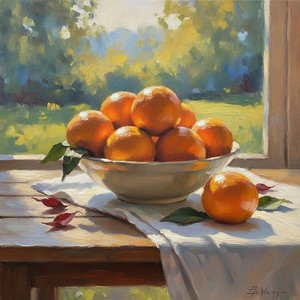
Sun-Drenched Citrus: The Vibrant Beauty of Oranges in Impressionist Masterpieces
Embark on a sensory journey through Impressionist masterpieces. Discover how Renoir and Cézanne captured the vibrant light and luscious textures of sun-drenched oranges in exquisite still life paintings designed to inspire and transform your home.
Prozkoumejte umělecká díla uspořádaná podle témat, stylů a charakteristik.


