


 Náhled v interiéru
 Sdílet
 Sdílet
 Podrobnosti o díle
 Průvodce

 Stáhnout
 Podobné položky
 Rentgenové snímky
 Slideshow
 Q&A
Q&A Statistiky
The Grammar


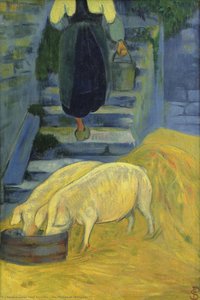
Paul Sérusier's 'The Grammar' (1892) is an iconic Cloisonnism painting, pioneering abstract art & inspiring the Nabis movement. Explore its symbolism and artistic innovation.
 Zobrazit více
Paul Sérusier (1864-1927) byl francouzský malíř, průkopník abstraktního umění a inspirátor skupiny Les Nabis. Jeho díla, charakteristická cloisonnismem a výraznými barvami, ovlivnila vývoj moderního umění a zobrazují klidnou krásu přírody.
Získejte soubor připravený k tisku, který svou kvalitou výrazně převyšuje webový náhled. Každý prodávaný digitální obraz pochází z vysokorozlišeného originálu v naší databázi – obvykle o šířce 5 000 až 15 000 pixelů – díky čemuž můžete tisknout ve velkém formátu, provádět těsný střih nebo si s jistotou užít i ty nejjemnější detaily.
Žádný soubor neopustí naše studio bez úprav. Digitální expert kontroluje barvy v porovnání s původním malířským dílem a v případě potřeby je upravuje, poté pomocí profesionálních nástrojů pro retuš zvyšuje ostrost a detailnost — přičemž vždy zůstává věrný tahům štětcem a stylu umělce. Výsledkem je obraz, který vypadá jako malba, nikoliv jako naskenovaný snímek s filtrem.
Schvalování před dokončením: náš expert vám do 72 hodin zašle obraz e-mailem k revizi. Nejsste spokojeni? Můžete požádat o úpravy či opravy, nebo si můžete vyžádat vrácení peněz, pokud kvalita neodpovídá vašim očekáváním.
Tuto kvalitu využívají vydavatelství, designová studia, galerie i tiskárny.
Digitální obrazy
Stáhněte si soubor ve vysokém rozlišení pro osobní prohlížení, tisk nebo kreativní projekty. ( Přepnout na tisk Koupit ručně malovaný obraz)
Součást každé objednávky digitálního obrazu
Profesionální digitální doručení, zaručené
Když si vyberete TopImpressionists.com, nezískáváte pouze obrázek – získáváte digitální umělecké dílo s profesionálně vylepšenými detaily, zpracované s precizností a podpořené zárukou za spokojenost. Zde je vše, co vaše objednávka automaticky obsahuje:

Rychlé doručení e-mailem
Váš digitální obraz ve vysokém rozlišení vám bude zaslán e-mailem do 72 hodin od objednávky – připraven k okamžitému použití.

Digitální soubor s využitím AI
Vaše umělecké dílo je profesionálně optimalizováno pomocí pokročilých nástrojů umělé inteligence a manuální úpravy, což zajišťuje maximální úroveň detailu, ostrosti a přesnosti barev.

Doživotní bezplatné znovuodeslání digitálních obrazů
Soubor jste omylem smazali nebo ztratili? Žádný problém – kdykoliv vám ho znovu zašleme zcela zdarma.

Bez poplatků za dovoz – navždy
Užijte si své umělecké dílo okamžitě bez celních poplatků, daní nebo nákladů na dopravu – digitální stažení je vždy bez daňových povinností.

Záruka přesnosti barev
Díky profesionálním nástrojům a správě barev zajišťujeme, aby váš digitální obraz odrážel původní barvy co nejvěrněji.

100dená záruka spokojenosti
Pokud nebudete s digitálním obrázkem spokojeni, provedeme jeho revizi nebo vám vrátíme 100% platby do 100 dnů – bez jakýchkoliv dotazů.

100% záruka vrácení peněz
Nespokojeni? Získejte plnou náhradu peněz do 100 dnů od obdržení digitálního souboru – bez zbytečných dotazů.

Slevy při hromadných objednávkách
Koupě 3 obrazů ušetří 10% – Koupě 5 obrazů ušetří 15% – Koupě 10+ obrazů ušetří 20%. Ideální pro kreativní projekty, galerie a agentury.
The Grammar: A Pioneering Exploration of Abstraction
Paul Sérusier’s “Grammar,” painted in 1892, stands as a pivotal work not just within the artist's oeuvre but also as a foundational piece in the development of modern art. More than simply a portrait, it’s an intensely personal and experimental exploration of color, form, and the very nature of representation – a bold step towards abstraction that profoundly influenced generations of artists to come. The painting depicts a woman seated on the ground, absorbed in reading a book, a scene rendered with remarkable intimacy and a deliberate departure from traditional academic styles.
Sérusier’s artistic journey was deeply intertwined with the burgeoning Nabis movement, a group of Symbolist painters who sought to move beyond mere imitation of nature towards expressing inner emotions and spiritual truths. He initially studied at the Académie Julian, but it was his summer sojourn in Pont-Aven, Brittany, that proved transformative. There, under the tutelage of Paul Gauguin – a figure whose influence extended far beyond technique – Sérusier encountered the revolutionary approach of Cloisonnism, championed by Gauguin himself. This style, characterized by sharply defined outlines and areas of flat color applied in small, separate strokes, aimed to mimic the appearance of stained glass, creating a sense of luminous clarity and symbolic resonance.
Cloisonnism and the Language of Color
“Grammar” exemplifies this Cloisonnism technique with striking precision. The woman’s figure is not rendered through subtle gradations of tone but rather defined by bold, distinct outlines – a deliberate simplification that prioritizes color and form over meticulous detail. Sérusier employs a vibrant palette, dominated by deep blues, greens, and ochres, creating an atmosphere both serene and slightly melancholic. The colors aren’t blended; instead, they are applied in small, separate strokes, building up layers of hue and texture. This technique, combined with the flattened perspective, creates a sense of immediacy and directness, as if the painting is capturing a fleeting moment of contemplation.
Crucially, Sérusier’s use of color isn't merely descriptive; it carries symbolic weight. The blues evoke a sense of introspection and mystery, while the greens suggest connection to nature – a key theme in Symbolist art. The muted ochres contribute to the painting’s overall feeling of quietude and contemplation. The deliberate choice of colors, rather than realistic representation, is central to the work's expressive power.
A Study in Form and Abstraction
Beyond its technical mastery, “Grammar” represents a significant shift towards abstraction. While not entirely devoid of recognizable forms – the woman’s figure, the book, the surrounding objects – the painting prioritizes the exploration of color and form over strict representation. The simplified shapes, flattened perspective, and emphasis on pure color anticipate later developments in abstract art, foreshadowing the work of artists like Kandinsky and Mondrian. It's a deliberate move away from photographic realism towards a more subjective and expressive approach to visual language.
The painting’s title, “Grammar,” is particularly intriguing. It suggests that Sérusier was not simply depicting a scene but rather exploring the fundamental building blocks of artistic expression – the elements of color, line, and form – in a way that transcends traditional representation. The book itself becomes a symbol of knowledge and contemplation, inviting the viewer to engage with the painting on a deeper level.
Legacy and Inspiration
“Grammar” remains a vital work in the history of modern art, demonstrating Sérusier’s pioneering spirit and his profound influence on subsequent generations. It's a testament to the power of abstraction to convey emotion, ideas, and spiritual truths. Reproductions of this evocative painting continue to inspire artists and collectors alike, offering a glimpse into the heart of artistic innovation and the enduring quest for new forms of visual expression.
Otázky a odpovědi
Mohu využít rozšířenou realitu k tomu, abych si prohlédl(a) „The Grammar“ od Paul Sérusier ve své místnosti?
Dílo „The Grammar“ od Paul Sérusier si můžete prohlédnout přímo na své vlastní stěně díky stránce Náhled v rozšířené realitě s využitím rozšířené reality na kompatibilním zařízení.
Jakým způsobem se styl díla "The Grammar" vztahuje k době svého tvůrce?
Dílo „The Grammar“ od Paul Sérusier patří k享有 směrům Cloisonnism / Nabis, které charakterizovaly éru – 19. století svého autora.
Jakou saturaci a intenzitu má dílo „The Grammar“ od Paul Sérusier?
Barva díla „The Grammar“ má nasycení na úrovni Muted a intenzitu Monochromatic.
Podobná díla




Biografie umělce
Paul Sérusier: Průkopník Abstraktního Umění a Inspirátor Nabis
Paul Sérusier (9. listopadu 1864, Paříž – 7. října 1927, Morlaix, Finistère) byl francouzský malíř, který se stal průkopníkem abstraktního umění a významným inspirátorem hnutí Nabis, syntetismu a cloisonnismu. Jeho dílo, charakterizované dynamickou barvou, plochými formami a zkoumáním vnímání, zásadně ovlivnilo vývoj moderního umění a otevřel cestu k novým estetickým přístupům. Sérusierův život byl plný experimentů, osobních vztahů s významnými umělci a neustálého hledání nové cesty ve světě malby.Raný Život a Vzdělávání
Sérusier se narodil v Paříži do rodiny obchodníků, což mu umožnilo luxusnější vzdělání než mnoho jeho vrstevníků. Jeho zájem o umění začal již v mládí, kdy navštěvoval lyceum Condorcet, kde studoval filozofii, řečtinu a latinu. Po ukončení studia se Sérusier rozhodl pro kariéru malíře a vstoupil do Académie Julian v Paříži, kde se setkal s dalšími talentovanými umělci, jako byli Maurice Denis, Pierre Bonnard a Édouard Vuillard. Během svého studia v Académie Julian se Sérusier podílel na tvorbě ilustrací pro knihy a časopisy, což mu umožnilo zdokonalit své technické dovednosti a experimentovat s různými styly. V roce 1888 se Sérusier vydal na cestu do Pont-Avenu v Bretani, kde se připojil k malířskému společenství vedenému Paul Gauguinem.Pont-Aven a Syntetismus
Zkušenosti z Pont-Avenu byly pro Sérusiera zásadní. Pod vedením Gauguina začal experimentovat s novými technikami, zejména s cloisonnismem – stylem charakterizovaným jasnými, definovanými liniemi, které oddělovají plochy barvy. Tato technika, inspirovaná starožitnou výšivkou a dekorativními uměním, umožňovala Sérusierovi dosáhnout výrazné geometrické zjednodušení obrazu a zdůraznit jeho kompoziční prvky. V roce 1888 vytvořil Sérusier obraz *Bois d’Amour*, který se stal symbolem tohoto nového směru – syntetismu. Tento obraz, inspirovaný přírodními motivy a využívající dynamickou paletu barev, představuje odklon od tradičního impresionistického přístupu k malbě a ukazuje Sérusierův zájem o vyjádření vnímání a emocí prostřednictvím čistých tvarů a barevných ploch.Nabis a Vliv Gauguina
Sérusier se stal jedním z klíčových členů skupiny Nabis, která vznikla na podzim roku 1889. Název „Nabis“ (zkrácenina pro „Neomanetisti“) odkazuje k biblickému výrazu „prorok“, a odráží ambici společenství umělců, které se snažilo o nové, duchovní vyjádření prostřednictvím umění. Sérusierova spolupráce s Gauguinem byla pro vývoj Nabis hluboce významná. Gauguinův vliv na Sérusiera byl patrný v jeho zájmu o zjednodušení tvarů, používání čistých barevných ploch a hledání harmonie mezi formou a obsahem. Nicméně, Sérusier se od Gauguina odlišoval svým vlastním poetickým přístupem k malbě a snahou o vyjádření subjektivního vnímání světa.Významné Dělo a Dědictví
Mezi Sérusierovy nejznámější díla patří *L’Averse* (1893), *Portrét Paula Ransona* (1890) a *Melancholie* (1890). Jeho tvorba se vyznačuje dynamickou kompozicí, bohatou barvou a zkoumáním vztahu mezi formou a obsahem. Sérusierův vliv na vývoj moderního umění je nesporný. Jeho experimenty s abstraktními prvky a jeho snaha o vyjádření subjektivního vnímání světa inspirovaly další generace umělců, včetně Matisse, Braque a Kandinského. Sérusierův přístup k malbě, který kladl důraz na čisté formy, dynamickou barvu a osobní vnímání, se stal základem pro mnoho pozdějších směrů moderního umění. Paul Sérusier zemřel v roce 1927 v Morlaix a jeho dílo zůstává důležitým prvkem francouzského uměleckého dědictví.Klíčové Zásady a Inspirace
Sérusierova tvorba byla ovlivněna několika klíčovými principy: snaha o vyjádření subjektivního vnímání světa, důraz na čisté formy a dynamickou barvu, hledání harmonie mezi formou a obsahem. Jeho inspirace pocházela z různých zdrojů – od starožitného výšivkového umění po symbolistické poezii. Sérusier se snažil o vytvoření obrazu, který by nebyl pouhým zobrazením reality, ale spíše vyjádřením vnímání a emocí. Jeho dílo je charakterizováno dynamickou energií, bohatou barvou a poetickým nádechem.
Paul Sérusier
1864 - 1927 , Francie
Stručné informace
- Artistic Movement Or Style: Post-Impressionismus
- Artists Or Movements Influenced By This Artist: ['Les Nabis']
- Artists Who Influenced This Artist:
- Paul Gauguin
- Maurice Denis
- Date Of Birth: 9. listopadu 1864
- Date Of Death: 7. října 1927
- Full Name: Louis-Paul-Henri Sérusier
- Nationality: Francouzský
- Notable Artworks:
- The Talisman
- L'aversé
- Place Of Birth: Paříž, Francie