


 Zobrazit v interiéru
 Odeslat
 Sdílet
 Podrobnosti
 Průvodce

 Stáhnout obrázek
 Podobné kousky
 Rentgenové snímky
 Slideshow
 Statistiky
Windmill


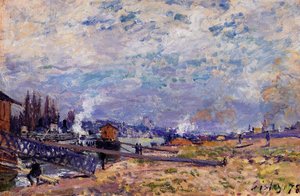
Pierre-Auguste Renoir’s ‘Windmill’ captures tranquility with warm sunset hues and a solitary figure amidst a Dutch landscape. Discover the beauty of Impressionism through this iconic painting.
 Přečíst si více
Pierre-Auguste Renoir (1841-1919) byl francouzský impresionista, známý svými radostnými obrazy života, portréty a zářivou paletou barev. Objevte jeho umění!
Ručně malovaná olejová reprodukce
Ručně malované olejné plátno v libovolném rozměru i s rámem, vyrobené našimi umělci na zakázku. ( Přepnout na tiskové verze Přepnout na digitální verzi obrazu)




P118B Kč10

P118H Kč10

P118W Kč10

P438Z Kč10

P508JH Kč12

P508YH Kč12

P805H Kč10

P805Z Kč10

P919BZ Kč10

P919G Kč10

P919XJ Kč10

P959ZH Kč10

P968JZ Kč12

W106C Kč8

W218G Kč10

W218JH Kč8

W218Y Kč10

W307PJ Kč10

W316G Kč10

W316PJ Kč8

W316Y Kč10

W398PJ Kč8

W4111J Kč10

W500HY Kč15

W500JH Kč15

W692G Kč12

W849H Kč8

W940BG Kč15

W953PJ Kč8




Standardní velikost
na zakázku
CM
INCH
Vyberte si z našich přednastavených velikostí, které odpovídají původním proporcím díla.
Loading sizes...

šířka
výška
Zadejte šířku a výšku, které potřebujete pro váš rám nebo stěnu. Protože se jedná o ruční malbu, při výběru jiného formátu může umělec kolem obrazu domalovat o něco více, nebo jej mírně oříznout — rozhodnete si vy. Před zahájením malby vám zašleme digitální náhled ke schválení. Obraz zobrazený na této stránce neodpovídá skutečnému výsledku — pouze digitální náhled jej zobrazuje.
Příklady možných změn: nahrazení obličeje vlastní fotografií; přidání domácího mazlíčka (např. nahrazení kočky psem); vložení skrytého vzkazu do pozadí; změna krajiny nebo prvků v pozadí.
Po přijetí objednávky vám tým TopImpressionists.com zašle e-mail s pokyny a poskytne náhledovou verzi.
Po přijetí objednávky vám tým TopImpressionists.com zašle e-mail s pokyny a poskytne náhledovou verzi.
Celosvětová doprava () za 3–4 týdny namísto standardních 5 týdnů. (24 říjen). Bez kompromisů v kvalitě.

Zdarma celosvětová expresní doprava

Vysoce kvalitní lněné plátno

Úplné pojištění přepravy

Záruka vrácení celního poplatku

Záruka věrného barevného shodu

100dení lhůta pro vrácení zboží (pouze při vadách výroby)

100% garance vrácení peněz

Sleva při více objednávkách
 Skleněná varianta je dostupná pouze u rozměrů menších než 110 cm

Windmill
Technika provedení
Velikost reprodukce
-


Celková cena
Kč 5770
A Moment of Tranquil Beauty: Pierre-Auguste Renoir’s Windmill
Pierre-Auguste Renoir's "Windmill" isn’t merely a depiction of agricultural machinery; it’s an immersion into a fleeting, sun-drenched moment. Painted with the characteristic luminosity that defined his Impressionistic style, this work captures a profound sense of serenity and connection to the rural landscape – a world increasingly distant from the bustling Parisian life he so often portrayed. The painting unfolds as a carefully constructed tableau, inviting the viewer to linger in its golden light and contemplate the simple beauty of everyday existence. The subject itself—a classic Dutch windmill—becomes an emblem of industriousness and resilience, yet here it’s rendered with a gentle softness that transcends its functional purpose.
Renoir's masterful use of color is immediately striking. The sky explodes in hues of apricot, rose, and lavender – the quintessential colors of a setting sun. These warm tones are meticulously layered to create an atmospheric depth, suggesting not just the visual spectacle of twilight but also a feeling of warmth and contentment. The green fields ripple with light, contrasting subtly with the weathered ochre and brown of the windmill’s structure. Notice how he doesn't strive for photographic realism; instead, he employs broken brushstrokes and vibrant color to evoke the *impression* of light and atmosphere—a core tenet of Impressionism.
The Painter’s Palette: Technique and Style
Examining the painting closely reveals Renoir’s distinctive technique. He utilizes a loose, almost pointillist approach in areas, allowing individual brushstrokes to blend optically, creating a shimmering effect. This is particularly evident in the sky, where tiny dabs of color coalesce into vast expanses of light. The windmill itself is rendered with a slightly blurred quality, suggesting movement and capturing the fleeting nature of the scene. The figure standing nearby isn’t sharply defined; rather, it's suggested through form and shadow, contributing to the overall sense of mystery and inviting speculation about their relationship to the landscape.
Renoir was deeply influenced by the Impressionist movement, which sought to capture the fleeting effects of light and atmosphere. He shared this interest with artists like Monet and Sisley, but he developed his own unique style characterized by a softer palette and a greater emphasis on capturing the emotional impact of a scene. His work often celebrates beauty in everyday life—a theme powerfully evident in "Windmill." The painting’s composition is balanced and harmonious, reflecting Renoir's belief that art should be pleasing to the eye and emotionally uplifting.
A Window into 19th-Century France
To understand “Windmill,” it’s helpful to consider the historical context in which it was created. Renoir painted this work around the late 1880s, a period of significant social and artistic change in France. The rise of industrialization was transforming rural landscapes, yet there remained a strong connection to traditional agricultural practices. This painting can be seen as a nostalgic reflection on a disappearing way of life—a celebration of the beauty and tranquility of the countryside before it was irrevocably altered by modernity.
Furthermore, Renoir’s early years spent working in porcelain factories instilled in him an appreciation for detail and craftsmanship. This meticulousness is evident in his rendering of the windmill's structure, even as he employs a looser, more expressive style throughout the rest of the painting. The presence of the solitary figure adds another layer of intrigue, prompting us to imagine their thoughts and feelings as they observe this timeless scene.
Bringing Renoir’s Light Home
TopImpressionists offers meticulously crafted hand-painted reproductions of “Windmill,” allowing you to bring this iconic artwork into your own space. Our skilled artists faithfully recreate Renoir's luminous palette and delicate brushwork, ensuring that every detail is captured with stunning accuracy. Whether you’re an art collector, a design enthusiast, or simply someone who appreciates beauty, a TopImpressionists reproduction of “Windmill” will serve as a timeless reminder of the power of Impressionism to capture the essence of light, color, and emotion.
Otázky a odpovědi
Jak mohu získat digitální kopii díla „Windmill“ od Pierre-Auguste Renoir?
„Windmill“ je k dispozici jako stažení digitálního obrazu ve vysokém rozlišení, lze jej zakoupit přímo na stránce Digitální obraz.
Kde si mohu koupit ručně malovanou reprodukci díla „Windmill“ od Pierre-Auguste Renoir?
Ručně malovanou reprodukci díla „Windmill“ od Pierre-Auguste Renoir si můžete objednat přímo na jeho stránce Ručně malovaná reprodukce: ručně malovaná olejová reprodukce na lněném plátně, vyrábíme na zakázku.
Hangi tónem se "Windmill" sklání?
Dominantní odstín díla „Windmill“ od Pierre-Auguste Renoir je Warm Sunset Tones. Tento odstín tvoří základní tón celé palety.
Související díla


![Vegetable Gardens In Montmartre [1887] — Vincent Van Gogh, Post-impressionism](/media/artworks/images-thumb/e1/a1/e1a1738c1598a29dea8d1ae66d81cf68.jpg)


Biografie umělce
Život a počátky malířské dráhy Augusta Renoira
Pierre-Auguste Renoir, zrozený v roce 1841 v poklidném francouzském městě Limoges, nebyl od útlého věku předurčen k roli jednoho z nejvýznamnějších představitelů impresionismu. Jeho cesta od skromných začátků jako malíře porcelánu až po slávu a uznání je příběhem nezdolné píle a hluboké umělecké vize. Rodinný přesun do Paříže, motivovaný snahou o lepší ekonomické podmínky, zásadně ovlivnil jeho citové i estetické vnímání světa. Rušný život velkoměsta, s jeho pulzující atmosférou a rozmanitými postavami, se stal nevyčerpatelným zdrojem inspirace pro jeho budoucí tvorbu. Mladý Renoir, nucený živit rodinu, našel útočiště v precizní práci malíře porcelánu – praktická nutnost, která však zároveň podnítila jeho touhu po uměleckém vyjádření. Časté návštěvy Louvru mu otevřely dveře do světa starých mistrů, kde studoval jejich techniky a rozvíjel cit pro krásu, který se stal charakteristickým rysem jeho stylu. Tato raná zkušenost v něm zažehla vášeň přesahující pouhé řemeslo – volání zachytit pomíjivé kvality světla a života na plátně. Následné studium v ateliéru Charlese Gleyra se ukázalo jako klíčový moment, kdy navázal celoživotní přátelství s budoucími impresionisty Claude Monetem, Alfredem Sisleym a Frédéricem Bazillem – setkání, které položilo základy nového uměleckého hnutí.Od realismu k zářivým impresionistickým vizím
Umělecký vývoj Augusta Renoira byl fascinující proměnou ovlivněnou širokou škálou mistrů a vlivů. Zpočátku se přikláněl k realismu Gustava Courbeta a Édouarda Maneta, obdivoval jejich upřímnost a snahu o zobrazení současného života bez příkras. Skutečným zdrojem inspirace se však stali luminózní palety a smyslné formy Petra Paula Rubense a Jeana-Antoina Watteaua, které v jeho díle probudily hluboký cit pro krásu a sklon k zobrazování radostných a volnočasových scén. Tyto rané podněty se spojily, když Renoir začal formovat svůj jedinečný styl – charakterizovaný živými barvami, rozbitou malbou štětcem a zaměřením na zachycení prchavých efektů světla. Jeho účast v první impresionistické výstavě v roce 1874 znamenala zásadní zlomový bod, i když se setkala s kritikou ze strany tradičních uměleckých kruhů. Tento odvážný krok symbolizoval odmítnutí akademických konvencí a přijetí nové umělecké vize – snahy zachytit nejen to, co oko vidí, ale i to, jak se *cítí* prožívat daný okamžik. Obraz Tanec na Moulin de la Galette (1876) je dokonalým příkladem tohoto přístupu, vtahuje diváka do živé atmosféry pařížského nočního života s jeho hrajícím světlem a radostnými postavami.Zachycování pomíjivých okamžiků života: klíčová díla a témata
Dílo Augusta Renoira je oslavou prostých životních potěšení – intimních setkání, sluncem zalitých krajin a zářivé krásy lidského těla. Oběd lodníků (1880-81) patří k jeho nejznámějším dílům, zobrazuje společenství lidí užívajících si klidné odpoledne na Seině. Obraz je mistrovským dílem zachycení světla a pohybu, s postavami zalitými teplým slunečním svitem a třpytícími se odrazy na vodě. Po koupeli (1885-87) demonstruje Renoirovo výjimečné umění zobrazovat ženskou nahotu, zdůrazňuje jemné tóny pleti a ladné pózy. Jeho obrazy nejsou pouhými reprezentacemi reality; jsou plné tepla, intimity a radosti, které hluboce rezonují s diváky. Nezajímal se o velká historická vyprávění nebo dramatické alegorie; místo toho se soustředil na zachycení krásy přítomné v každodenním životě, povznášejíc obyčejné okamžiky na úroveň uměleckých děl. Tanec v Bougivalu, další oslavované dílo, dokazuje jeho schopnost zachytit prchavé dojmy a atmosférické efekty, vytvářející pocit pohybu a spontánnosti.Posun k formě a struktuře: pozdní léta a odkaz
V 90. letech 19. století prošel Renoirovo umění výraznou proměnou. I když nikdy zcela neopustil impresionistické kořeny, začal se posouvat směrem k sochařštějšímu a klasicističtějšímu přístupu, ovlivněnému cestami do Itálie a obnoveným zájmem o formu a strukturu. Tento posun byl částečně způsoben i fyzickými omezeními – artritida postupně omezovala jeho pohyblivost, což ho donutilo přizpůsobit svou techniku. Navzdory těmto výzvám Renoir pokračoval v malování s neochvějnou oddaností a vytvářel díla charakteristická plnějšími postavami a teplejší paletou barev. Jeho pozdní obrazy často odrážejí kontemplativnější náladu, přesto si zachovávají základní oslavu krásy, která definovala jeho ranější tvorbu. Kromě uměleckých úspěchů se Renoirovo dědictví rozšiřuje i prostřednictvím jeho rodiny; jeho syn Jean Renoir se stal renomovaným filmovým režisérem a nesl kreativního ducha do dalších generací. Pierre-Auguste Renoir zemřel v roce 1919, zanechal po sobě trvalé dílo, které neustále inspiruje a okouzluje publikum po celém světě. Zůstává jedním z nejmilovanějších umělců v dějinách umění, oslavován pro svou schopnost zachytit radost života a krásu lidské zkušenosti s bezkonkurenční citlivostí a grácií.Trvalý vliv
- Renoirovo působení na další generace umělců je nepopiratelné. Jeho důraz na světlo, barvu a zachycení pomíjivých okamžiků připravil cestu mnoha moderním uměleckým směrům.
- Jeho oslava krásy a smyslnosti rezonuje s publikem dodnes a činí jeho dílo univerzálně přitažlivým.
- Hrál zásadní roli při etablování impresionismu jako významné síly v dějinách umění, zpochybňoval tradiční konvence a otevíral nové možnosti pro umělecké vyjádření.
- Trvalá popularita jeho obrazů – reprodukovaných na nesčetných plakátech, kalendářích a dalších reklamních předmětech – svědčí o nadčasovosti jeho díla.

Pierre-Auguste Renoir
1841 - 1919 , Francie
Rychlé informace
- Artistic Movement Or Style: Impresionismus
- Artists Or Movements Influenced By This Artist: ['Impresionismus']
- Artists Who Influenced This Artist:
- Rubens
- Watteau
- Courbet
- Manet
- Date Of Birth: 25. února 1841
- Date Of Death: 3. prosince 1919
- Full Name: Pierre-Auguste Renoir
- Nationality: Francouz
- Notable Artworks:
- Tanec v Moulin de la Galette
- Oběd lodníků
- Po koupeli
- Tanec v Bougival
- Place Of Birth: Limoges, Francie
Související články

Paul Cézanne: 25 mistrovských děl a revoluce v moderním umění | TopImpressionists.cz
Prozkoumejte 25 ikonických děl Paula Cézanna – průkopníka moderního umění a impresionismu. Obdivujte jeho still life, krajiny a portréty. Reprodukce obrazů v nejvyšší kvalitě na TopImpressionists.com. Inspirace pro váš interiér!

Evocations of Place: A Historical Journey Through Landscape Art
Explore the rich history of landscape art with TopImpressionists. Discover renowned artists, movements like Impressionism & tonalism, and expert guidance for collecting timeless pieces. Find your perfect serene escape today!

Evocations of Place: A Historical Journey Through Landscape Art
Explore the rich history of landscape art with TopImpressionists. Discover renowned artists, movements like Impressionism & Romanticism, and expert guidance for collecting timeless pieces. Find your perfect serene escape today!

Top 10 impresionistických krajin: Mistrovská díla, která změnila umění | TopImpressionists.cz
Prozkoumejte 10 ikonických impresionistických krajin od Monet, Renoir a dalších. Objevte příběhy umělců, techniky a barvy, které definovaly toto revoluční hnutí. Najděte dokonalý obraz pro váš interiér na TopImpressionists.cz

Pierre-Auguste Renoir: Top 25 děl impresionismu pro váš domov | TopImpressionists.cz
Objevte top 25 děl Pierre-Auguste Renoira – impresionistické ikony plné světla a radosti. Prozkoumejte příběhy slavných obrazů, techniky malby a inspirujte se pro váš domov s TopImpressionists.cz! Reprodukce obrazů nejvyšší kvality.
Prozkoumejte umělecká díla uspořádaná podle témat, stylů a charakteristik.


