

Zobrazeno: · Včetně rámu:
 Náhled v interiéru
 Sdílet
 Sdílet
 Podrobnosti o díle
 Průvodce

 Stáhnout
 Podobné položky
 Rentgenové snímky
 Slideshow
 Otázky a odpovědi
 Statistiky

Kč 5872
Ručně malovaná olejová reprodukce
Rukou malované olejné plátno v libovolném rozměru i s rámem, vyrobené našimi umělci na zakázku. ( Přepnout na tisk Přepnout na digitální obraz)
Velikost
·Standardní velikost
na zakázku
CM
INCH
Vyberte si z našich přednastavených velikostí, které odpovídají původním proporcím díla.
Načítání velikostí...

šířka
výška
Zadejte šířku a výšku, které potřebujete pro váš rám nebo stěnu. Protože se jedná o ruční malbu, při výběru jiného formátu může umělec kolem obrazu domalovat o něco více, nebo jej mírně oříznout — rozhodnete si vy. Před zahájením malby vám zašleme digitální náhled ke schválení. Obraz zobrazený na této stránce neodpovídá skutečnému výsledku — pouze digitální náhled jej zobrazuje.
 Více informací
Dokončit
·
Bílé okraje Kč1

Rozostřené okraje Kč1

Prodloužené okraje Kč1

P118B Kč10

P118H Kč10

P118W Kč10

P438Z Kč10

P508JH Kč12

P508YH Kč12

P805H Kč10

P805Z Kč10

P919BZ Kč10

P919G Kč10

P919XJ Kč10

P959ZH Kč10

P968JZ Kč12

W106C Kč8

W218G Kč10

W218JH Kč8

W218Y Kč10

W307PJ Kč10

W316G Kč10

W316PJ Kč8

W316Y Kč10

W398PJ Kč8

W4111J Kč10

W500HY Kč15

W500JH Kč15

W692G Kč12

W849H Kč8

W940BG Kč15

W953PJ Kč8

H24-GOLD Kč30

H24-SILVER Kč30

H36-GOLD Kč45

H36-SILVER Kč45
Dodáváno v ochranné tubě, připraveno k vlastním rámování.
Doplňkové služby
volitelnéCo všechno doplňky zahrnují?
Příklady možných změn: Nahrazení obličeje fotografií zákazníka; Přidání mazlíčka (např. výměna kočky za psa); Skrytá zpráva v pozadí; Změna krajiny nebo prvků v pozadí.
Po přijetí objednávky vám tým TopImpressionists.com pošle e-mail s instrukcemi a poskytne náhled návrhu
Po přijetí objednávky vám tým TopImpressionists.com pošle e-mail s instrukcemi a poskytne náhled návrhu
Celosvětová doprava () za 3–4 týdny namísto standardních 5 týdnů. (10 listopad). Bez kompromisů v kvalitě.
Ochranný lak
Popisek díla
Detaily ryté bronzové plakety
This elegant plaque features the artist's name and the title of the artwork, finely engraved for a timeless presentation.
It is made from bronze with a refined, elegant finish. The text is precisely laser-engraved for a sharp and permanent result. Measuring 9x2 cm, the plaque is compact yet easy to read. It's built to be durable and scratch-resistant, offering a professional, museum-quality look. Mounting is simple thanks to the included adhesive backing.
Detaily průhledné akrylové desky
The plaque includes essential engraved details such as the artist's name, the title of the artwork, the date it was created, the type of media used-like oil on canvas or watercolor-a brief description of the piece, and a QR code that links to the complete artwork information.
It is crafted from clear acrylic, offering a sleek, modern appearance. The text is UV-engraved in black to ensure strong visual contrast. With a size of 10x15 cm, it ensures optimal readability. It comes equipped with two metal hooks for secure wall mounting. The plaque is designed to be weather-resistant, making it suitable for various environments, and it includes interactive features that work seamlessly with smartphone scanning.
Detaily černé akrylové destičky
This elegant plaque includes engraved information such as the artist's name, the title of the artwork, the date it was created, the type of media used (like oil on canvas or watercolor), a short description of the artwork, and a QR code for quick access to more information.
The plaque itself is made from refined black acrylic with a premium finish. The text is laser-engraved in white for high contrast and readability. Its size is 10x15 cm, designed to be easy to read. It comes with two metal hooks for professional mounting. The design is sleek and fits any interior style. It is also weather-resistant and durable, with built-in digital integration for mobile compatibility.
Skleněná varianta je dostupná pouze u rozměrů menších než 110 cm
 Skleněná varianta je dostupná pouze u rozměrů menších než 110 cm
- Zdarma celosvětová expresní doprava
- Vysoce kvalitní lněné plátno
- Kompletní pojištění přepravy
- Záruka vrácení celního poplatku
- Záruka věrného barevného souladu
- 100dení lhůta pro vrácení zboží (pouze při vadách výroby)
- 100% záruka vrácení peněz
- Sleva při více objednávkách


Popis sbírného předmětu
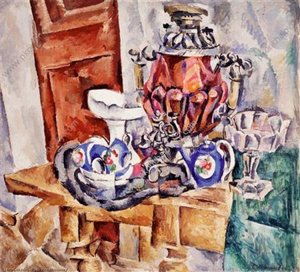
Explore Pyotr Konchalovsky's captivating Begonia – a still life masterpiece depicting vibrant red and pink flowers within elegant vases alongside delicate cups, capturing the spirit of Russian art history.
Biografie umělce
Pyotr Konchalovsky (1876-1956) byl klíčový ruský malíř známý inovativním stylem – od impresionismu po socialistický realismus. Objevte jeho krajinky, portréty a ikonické díla! #Konchalovsky #ruskéumění
O malbě
A Portrait of Turbulent Russia: Exploring Pyotr Konchalovsky’s “Begonia”
Pyotr Petrovich Konchalovsky's "Begonia," painted circa 1908, stands as a poignant emblem of the Russian avant-garde’s fascination with capturing fleeting moments of beauty amidst societal upheaval. More than just a depiction of flowers—specifically a begonia blossom—the painting embodies a broader artistic impulse to distill emotion and intellect into visual form, reflecting the anxieties and aspirations of a nation grappling with rapid modernization.
Style & Technique: Konchalovsky’s approach aligns squarely with Neo-Impressionism, championed by artists like Georges Seurat and Paul Cézanne. Unlike Impressionists who sought to capture atmospheric effects, Konchalovsky meticulously applied small dots of pure pigment—primarily reds, pinks, and yellows—to build up tonal variations within the flower petals and vases. This technique, known as Pointillisme, wasn’t merely a stylistic choice; it represented a deliberate rejection of traditional brushstrokes in favor of scientific observation and mathematical precision. The artist painstakingly analyzed how light interacts with color, striving to reproduce its nuances with unparalleled accuracy.
Historical Context: Painted during the Belle Époque—a period characterized by optimism and artistic experimentation—"Begonia" speaks to a Russia undergoing significant transformations under Tsar Nicholas II’s reign. While outward appearances suggested prosperity and grandeur (the opulent palaces of St. Petersburg), beneath the surface simmered discontent fueled by social inequalities and burgeoning revolutionary sentiment. The painting's stillness contrasts sharply with this turbulent backdrop, inviting contemplation on themes of fragility and resilience.
Symbolism & Composition: The begonia itself carries considerable symbolic weight. Traditionally associated with femininity, beauty, and rebirth—often depicted as a symbol of resurrection—the flower’s delicate petals symbolize the ephemeral nature of life and the importance of savoring every moment. The vases serve as containers for this beauty, mirroring the role of art in preserving and transmitting cultural values. Furthermore, the arrangement of objects – the vases, cups, and begonia – contributes to a carefully constructed visual narrative that emphasizes balance and harmony despite the underlying tension.
Emotional Impact: Viewing “Begonia” evokes a sense of quiet contemplation and melancholic beauty. The artist’s masterful use of color and technique captures not only the physical appearance of the flower but also its emotional essence—a subtle suggestion of vulnerability amidst grandeur, mirroring the complexities of Russian society at the turn of the century. It's a piece that lingers in the mind long after viewing, prompting reflection on themes of beauty, decay, and the enduring power of artistic expression.
- Artist: Pyotr Petrovich Konchalovsky
- Year Painted: Circa 1908
- Style: Neo-Impressionism
- Technique: Pointillisme (Dot Painting)
Otázky a odpovědi
Jaký emocionální tón doprovází styl Russian Symbolism u díla „Begonia“?
„Begonia“ vyzařuje Tranquil emocionální nádech v rámci směru Russian Symbolism.
Jaké emoce vyvolávají barvy díla „Begonia“ od Pyotr Konchalovský?
Paleta Neutrals díla „Begonia“ od Pyotr Konchalovský harmonizuje s jeho Tranquil emocionálním vyzněním. Barva je jedním ze způsobů, jakými umělecké dílo předává pocity.
Kde by měla být zavěšena reprodukce díla „Begonia“ od Pyotr Konchalovský?
Formát (Portrait) a doporučený prostor (Living Room) jsou dvě informace o umístění uvedené pro dílo „Begonia“ od Pyotr Konchalovský.
Rychlá fakta a umělecký kvíz
O umělci Pyotr Konchalovský

Pyotr Konchalovský
1876 - 1956, Rusko
Biografie umělce
A Life Immersed in the Russian Artistic Spirit
Pyotr Petrovich Konchalovsky, narozený 21. února 1876 v obci Slavianka u Charkova, byl mnohem víc než jen malíř – byl vizuálním kronikářem Ruska procházejícího hlubokými transformacemi. Jeho umělecká cesta odrážela i národovou bouřlivou cestu prostřednictvím revoluce a ideologických změn, charakterizovanou neustálým hledáním nových forem vyjádření. Konchalovského dětství ho zasypalo atmosférou bohatou na intelektuální a kreativní proudy. Jeho otec, Petr Petrovich Konchalovsky, byl respektovaný překladatel a umělecký vydavatel, jehož moskevský domov se stal živoucím centrem navštěvovaným vedoucími umělci doby – Valentin Serov, Michail Vrubel, Vasilij Surikov všichni zde po příjezdu rodiny v roce 1889. Tato raná expozice nebyla jen pozorovatelská; inspirovala mladého Pyotra hlubokou oblibu k uměleckému vyjádření a položila základy pro jeho budoucí cestu. Ostatní víkendy strávené studiem mistrovských děl v Treťakovské galerii, formovaly jeho estetické cítění silou ruských mistrů.From Parisian Influences to Avant-Garde Innovation
Konchalovského formální vzdělání začalo na Moskevské škole malby, sochařství a architektury, ale následovala klíčová éra v Paříži od roku 1896 do 1898 na Académie Julian. Tato ponoření do francouzského uměleckého světa byla transformační. Setkal se s průkopnickým dílem Paula Cézanne a Vincenta van Gogha, umělců, kteří podněcovali konvence reprezentace a zkoumali nové způsoby vnímání tvaru a barvy. Následovná cesta do Arles mu umožnila hlubší pochopení Van Goghova uměleckého vize – poutě do srdce expresivního intenzity. Vrátivši se do Ruska, pokračoval ve studiu na Impériální Akademii umění v Petrohradu, kde získal titul v roce 1907. Nicméně, právě po návratu Konchalovsky skutečně začal formovat svůj vlastní jedinečný styl. Stal se klíčovou postavou avantgardního hnutí v Rusku, spoluzaložil v roce 1910 vlivnou skupinu „Jack of Diamonds“ (Knave of Diamonds). Tato skupina odmítala akademické tradice a prosazovala experimentování, hledala inspiraci nejen z západní evropské moderny, ale i z vlastních ruských lidových uměleckých tradic – ikon, tabulek a barevných lidových tištěných obrazů známých jako *lubok*. Jako první předseda skupiny hrál Konchalovsky klíčovou roli ve formování jejího směru a propagaci jejích radikálních myšlenek.Navigating Shifting Ideologies: Style and Subject Matter
Konchalovského umělecký styl se během svého života vyvíjel, odrážel jak osobní prozkoumávání, tak měnící se politické klima Ruska. V počátcích byl ovlivněn Fauvizmem a Cézannem, jeho rané dílo bylo charakterizováno výraznými barvami, zjednodušenými tvary a zaměřením na strukturu. Malby jako „Still Life with a Coffeepot“ ukazují tento period, demonstrují živou paletu a dynamickou kompozici. Po službách v ruské armádě během první světové války se jeho styl začal posouvat. Vzestup socialistického realismu pod sovětskou vládou vyžadoval umění, které sloužilo ideologickým účelům, oslavující socialistické ideály a zobrazující prominentní osobnosti. I když to představovalo odklon od jeho raných avantgardních průzkumů, Konchalovsky se přizpůsobil, stal se známý svými ceremoniálními portréty. Přesto si udržel jedinečný umělecký hlas a vdechoval i svým politicky nabytým dílům pocit pevnosti a monumentálnosti. Během svého plodného působení – odhadovaného na více než 5 000 děl – neustále zkoumal still life, krajiny a portréty, demonstruje tak pozoruhodnou všestrannost a nezlomné oddanosti svému řemeslu. Nebyl jen konformista; našel způsoby, jak vyjádřit svůj umělecký cit v rámci nových pravidel.Legacy and Enduring Significance
Konchalovského přínos ruskému umění je nepopiratelný. Spojil ranou modernu se socialistickým realismem, navigoval složité politické proudy a přesto zůstal významnou uměleckou silou. Jeho první sólová výstava v Treťakovské galerii v roce 1922 upevnila jeho reputaci jako jednoho z nejvýznamnějších ruských umělců. Kromě svého vlastního díla Konchalovsky podpořil rodinu, která byla hluboce zapojena do umění; jeho syn, Michail Petrovich Konchalovsky, se stal proslulým filmovým režisérem a jeho dcera, Natalja Konchalovská, byla uznávanou umělkyní sama. Jeho malby nejsou jen esteticky příjemné objekty, ale i historické dokumenty, které odrážejí bouřlivý period, ve kterém byly vytvořeny. Nabízí cenné vhledy do vývoje ruského umění a výzev, kterým čelili umělci operující v rychle se měnící společnosti. Jeho schopnost adaptovat si zachoval jedinečný styl a upevnil své místo v historii ruského umění, zanechal za sebou dědictví, které inspiruje a okouzluje publikum i dnes. Jeho dílo je svědectvím o umělecké vyjádřitelnosti ve tváří nepokojů a jeho vliv lze stále pozorovat v současném ruském umění.A Prolific Output: Key Themes & Subjects
Konchalovského rozsáhlý soubor děl odhaluje opakující se témata a předměty, které demonstrují jeho umělecké obavy. Still life byly neustálou součástí jeho kariéry, umožňovaly mu prozkoumávat tvar, barvu a kompozici v kontrolovaném prostředí. Často zobrazoval každodenní objekty – ovoce, květiny, nádobí – a vdechoval jim pocit váhy a přítomnosti. Krajiny, zejména ty inspirované jeho cestami, měly také zvláštní místo ve svém díle, zachycovaly krásu a velikáš přírodní říše. Nicméně, právě v portrétech Konchalovsky skutečně exceloval, vytvářel přesvědčivé podobnosti svých současníků, často s naplněnými psychologickými hloubkami. Jeho portréty se pohybovaly od intimních vyobrazení rodinných příslušníků až po velkolepé ceremoniální reprezentace sovětských úředníků. Také experimentoval s žánrovými scénami a historickými námraťmi, prokazuje tak ochotu čelit rozmanitým uměleckým výzvám. Objem jeho práce – přes 5 000 kusů – je svědectvím o jeho neúnavné oddanosti umění malby.Rychlé informace o umělci Pyotr Konchalovský
- Artistic Movement Or Style: Avant-garde, Fauvism, Realismus
- Artists Or Movements Influenced By This Artist: ['Mir Iskusstva']
- Artists Who Influenced This Artist:
- Paul Cézanne
- Van Gogh
- Date Of Birth: 21.2.1876
- Date Of Death: 2.2.1956
- Full Name: Pyotr Petrovich Konchalovsky
- Nationality: Rus
- Notable Artworks:
- Still Life
- Novgorodiany
- Place Of Birth: Charkov, Ukrajina




Prozkoumejte umělecká díla uspořádaná podle témat, stylů a charakteristik.


Pyotr Konchalovský
Begonia
() ·
Včetně rámu: · Ručně malováno olejem na plátně
Celkem