A Window Into Enlightenment: Ralph Earl’s Portrait of Roger Sherman
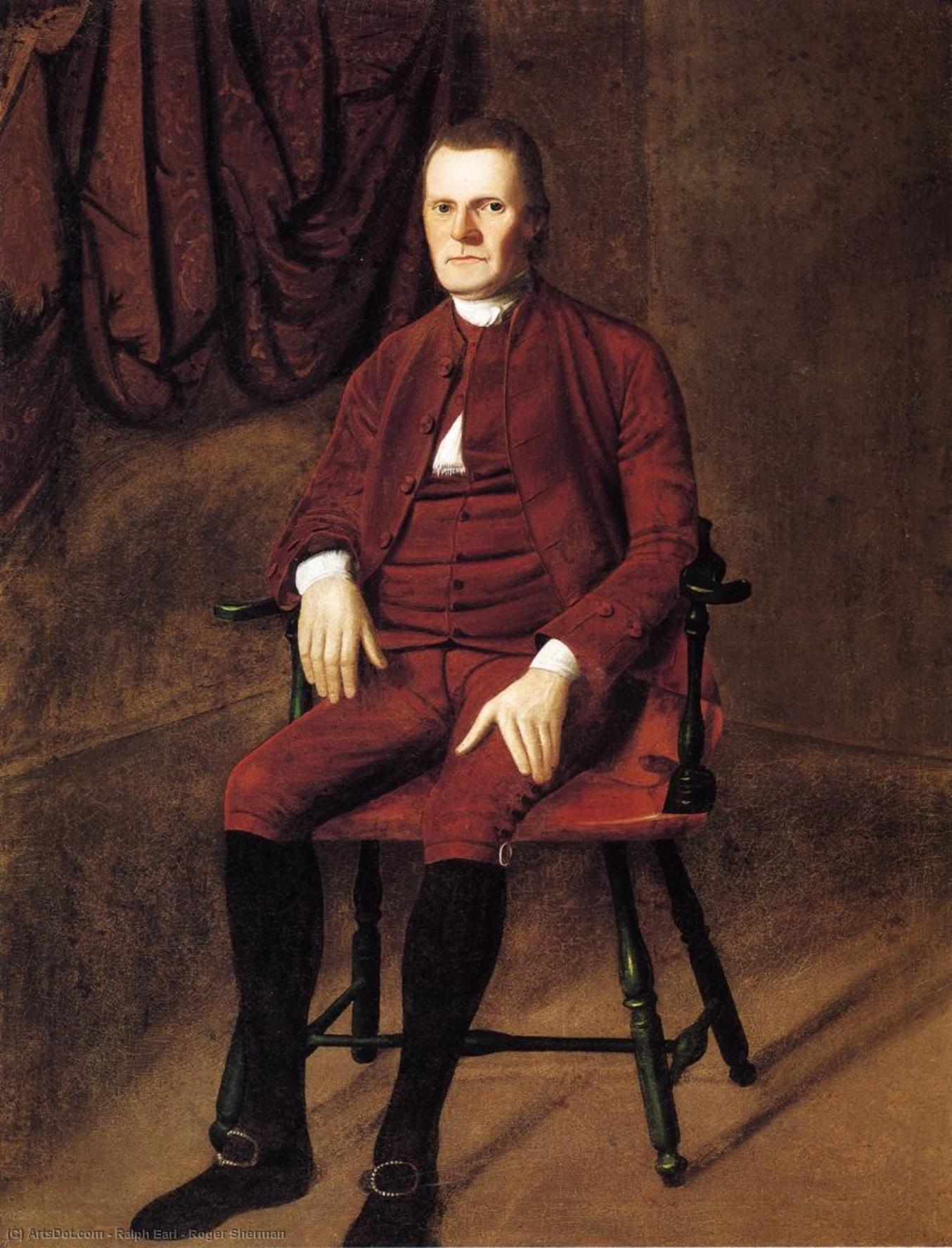
The painting “Roger Sherman,” executed by Ralph Earl in 1775, transcends mere representation; it embodies the intellectual fervor and burgeoning idealism that characterized the American Enlightenment. More than just a likeness of Connecticut’s influential statesman, Sherman—a signer of the Declaration of Independence and instrumental in drafting the Articles of Confederation—Earl's portrait serves as a visual distillation of the era’s aspirations for reason, virtue, and civic responsibility.
Style and Technique: Precision Meets Sentiment
Earl’s artistic approach distinguishes itself through meticulous realism blended with subtle expressive qualities. Trained largely independently, he eschewed academic conventions, favoring instead a direct engagement with observation—a hallmark of colonial American art. The painting employs oil on canvas, utilizing layering techniques to achieve remarkable tonal gradations and capturing the nuanced textures of Sherman's clothing and skin. Earl’s masterful handling of light creates an atmosphere of dignified contemplation, drawing the viewer’s gaze inward toward the subject’s gaze. Notice particularly the careful rendering of the curtain backdrop—a deliberate choice that elevates the scene beyond a simple depiction of a man in repose, hinting at broader philosophical considerations.
Historical Context: The Crucible of Independence
Painted amidst the tumultuous prelude to the American Revolution, “Roger Sherman” reflects the anxieties and hopes of a nation grappling with its identity. Sherman’s role as a delegate to the First Continental Congress underscores the importance of deliberation and compromise in forging a unified front against British oppression. Earl skillfully captures this spirit of intellectual debate—evident in Sherman's posture and expression—suggesting that true leadership requires not merely authority but also moral conviction. The painting stands alongside other monumental works from the period, including John Trumbull’s “Declaration and Resolve,” demonstrating the shared commitment to artistic excellence as a vehicle for conveying profound political ideas.
Symbolism: Dignity and Reflection
Beyond its formal portraiture, "Roger Sherman" is laden with symbolic significance. The drapery of Sherman's robe—a symbol of authority and status—contrasts subtly with his introspective gaze, prompting contemplation on the burdens of responsibility and the pursuit of virtue. The curtain serves as a visual metaphor for privacy and reflection, inviting viewers to consider Sherman’s inner life alongside his public persona. Earl’s deliberate composition reinforces this duality, emphasizing the importance of both outward action and inward moral character—values central to Enlightenment thought.
Emotional Impact: A Portrait of Purpose
Ultimately, “Roger Sherman” resonates with an enduring emotional power. The painting conveys a sense of quiet dignity and intellectual seriousness—qualities that embody the ideals of the American Enlightenment. Earl’s ability to capture Sherman's gaze—direct yet thoughtful—creates a connection between artist and subject, inviting viewers to contemplate the complexities of human experience. It is precisely this understated eloquence that secures “Roger Sherman”’s place as a cornerstone of American art history and continues to inspire admiration for its masterful execution and profound symbolic resonance.
- Yale University Art Gallery: https://TopImpressionists.com
- Ralph Earl Biography: https://TopImpressionists.com
- Wikipedia Article: Search "Roger Sherman Painting"


 Náhled
 Přepnout na ručně malovanou reprodukci
 Sdílet
 Sdílet
 Podrobnosti o díle

 Stáhnout
 Podobné položky
 Rentgenové snímky
 Slideshow


 Zobrazit více






































 Skleněná varianta je dostupná pouze u rozměrů menších než 110 cm



