

 Náhled v interiéru
 Sdílet
 Sdílet
 Podrobnosti o díle
 Průvodce

 Stáhnout
 Podobné položky
 Rentgenové snímky
 Slideshow
 Q&A
Q&A Statistiky
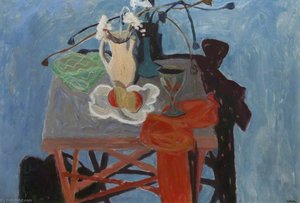
Still life

- 53.0 x 67.0 cm


Experience the vibrant Fauvism of Raoul Dufy's 1928 watercolor still life, bursting with color and joyful leisure; discover this masterpiece today.
 Zobrazit více
Raoul Dufy (1877–1953) – francouzský malíř, představitel fauvismu. Jeho tvorba je známá živými barvami, dynamickými kompozicemi a oslavou moderního života. #RaoulDufy #Fauvizmus
Giclée / Umělecký tisk
Giclée nebo plátěný tisk muzeální kvality s rychlou výrobou a širokou nabídkou povrchových úprav. ( Koupit ručně malovaný obraz Přepnout na digitální obraz)




P118B Kč10

P118H Kč10

P118W Kč10

P438Z Kč10

P508JH Kč12

P508YH Kč12

P805H Kč10

P805Z Kč10

P919BZ Kč10

P919G Kč10

P919XJ Kč10

P959ZH Kč10

P968JZ Kč12

W106C Kč8

W218G Kč10

W218JH Kč8

W218Y Kč10

W307PJ Kč10

W316G Kč10

W316PJ Kč8

W316Y Kč10

W398PJ Kč8

W4111J Kč10

W500HY Kč15

W500JH Kč15

W692G Kč12

W849H Kč8

W940BG Kč15

W953PJ Kč8




Standardní velikost
na zakázku
CM
INCH
Vyberte si z našich přednastavených velikostí, které odpovídají původním proporcím díla.
Loading sizes...

šířka
výška
Zadejte šířku a výšku, které potřebujete pro váš rám nebo stěnu. Tisk lze pouze oříznout, nikdy však nelze zvětšit obraz nad jeho původní rozměr, proto při výběru jiného formátu dochází ke ztrátě části obrazu. Před samotným tiskem vám zašleme digitální náhled k schválení. Obraz zobrazený na této stránce nenabízí skutečný výřez — ten uvidíte pouze v náhledu.
Celosvětové doručení () do 2 týdnů namísto standardních 4/5 týdnů. (31 říjen)

Zdarma celosvětová expresní doprava

Vysoce kvalitní lněné plátno

Kompletní pojištění přepravy

Záruka vrácení celního poplatku

Záruka věrného barevného souladu

100dení lhůta pro vrácení zboží (pouze při vadách výroby)

100% záruka vrácení peněz

Sleva při více objednávkách
 Skleněná varianta je dostupná pouze u rozměrů menších než 110 cm

Still life
Giclée / Umělecký tisk
Rozměry reprodukce
-


Celková cena za vybrané možnosti reprodukcí
Kč 1500
A Symphony in Watercolor: Exploring Dufy's Vibrant Still Life
To gaze upon Raoul Dufy’s 1928 watercolor, "Still life," is to step directly into a sun-drenched moment of pure Parisian leisure. This painting is not merely an arrangement of objects; it is a celebration of light, color, and the exquisite joy of everyday existence—a quintessential expression of the French spirit. Dufy, whose career was marked by an almost irresistible zest for life, captures this energy here with breathtaking spontaneity. The composition invites the viewer to linger, to imagine the scent of fresh bread mingling with the faint aroma of wine, all set against a backdrop that whispers tales of seaside afternoons.
The Fauvist Palette and Technique
Dufy’s mastery is most evident in his handling of watercolor. The technique itself lends an airy, luminous quality to the scene, allowing the colors to bleed and interact with the delicate transparency characteristic of the medium. While the subject matter—apples, bread, wine glasses, and scattered chairs—is traditionally associated with still life painting, Dufy elevates it beyond mere depiction. His signature Fauvist touch is unmistakable; the colors are bold, vibrant, and often non-naturalistic, used not just to represent what is seen, but to evoke how joy feels. The interplay between the deep blues of the tablecloth, the fresh greens of the chairs, and the pops of yellow from a decorative vase creates a visual rhythm that pulses with life.
Symbolism of Leisure and Abundance
The elements gathered on this table are rich with subtle symbolism. The loaf of bread speaks to sustenance and simple pleasures, while the wine glasses suggest conviviality and shared moments. The inclusion of flowers—the soft pink blooms in the white vase contrasting with the purple cluster—adds an ephemeral touch of beauty that reminds us of nature's fleeting perfection. Furthermore, the setting, hinted at by the background elements near the water, grounds this domestic tableau within a broader context of escape and repose. It is an ode to the cultivated art of living well.
A Touch for the Modern Collector
For those who appreciate art that breathes color into a room, Dufy’s "Still life" offers unparalleled decorative impact. Whether you are curating a gallery wall or seeking a vibrant focal point for an elegant interior space, this piece radiates warmth and sophisticated energy. Owning a reproduction of this work allows one to bring home not just paint on paper, but a palpable sense of *joie de vivre*. It is a timeless masterpiece that speaks fluently across eras, appealing equally to the seasoned art connoisseur and the decorator seeking an infusion of brilliant color.
Otázky a odpovědi
V jaké orientaci je dílo „Still life“ od Raoul Dufy?
Dílo „Still life“ od Raoul Dufy má formát Landscape. Tento formát určuje poměry kompozice.
Jakou náladu a emoci vyjadřuje „Still life“ od Raoul Dufy?
„Still life“ od Raoul Dufy vyvolává Joyful pocit v rámci celkové Serene nálady.
Kde mohu najít statistiky k dílu „Still life“ od Raoul Dufy?
Pro dílo „Still life“ je k dispozici stránka Statistiky. Zobrazuje měsíční počet návštěv tohoto díla i dalších děl daného umělce s rozpadem podle zemí a jazyků.




Biografie umělce
A Life Immersed in Color and Light
Raoul Dufy, born June 3, 1877, in the bustling port city of Le Havre, Normandy, was an artist whose name became inextricably linked with joy, vibrancy, and a distinctly French *joie de vivre*. His artistic journey wasn’t forged amidst the traditional tools of a painter – palettes and easels – but rather within the practical realities of his early life. After leaving school at just fourteen, he found work in a coffee-importing company, an experience that instilled in him a keen eye for detail and an appreciation for the rhythms of commerce. Yet, even amidst this seemingly mundane existence, the undeniable pull towards artistic expression remained, igniting a passion that would ultimately define his entire life, forging strong bonds with fellow artists Raimond Lecourt and Othon Friesz – companions who shared a studio in Montmartre and a shared commitment to exploring new visual languages. These formative years were deeply influenced by the Impressionist movement, particularly the luminous landscapes of Claude Monet and Camille Pissarro, providing him with a foundational understanding of light, color, and composition that would later inform his distinctive style. He received a prestigious scholarship, allowing him to pursue formal training at the École Nationale supérieure des Beaux-Arts in Paris, further honing his skills and immersing himself within the dynamic artistic environment of the era.Embracing Fauvism and Finding His Voice
The early 20th century presented Dufy with a rapidly evolving art world. Initially, he experimented with Cubism, but it was Henri Matisse’s groundbreaking *Luxe, calme et volupté* at the 1905 Salon des Indépendants that proved to be a truly transformative moment. The sheer audacity of color and expressive freedom unleashed by Matisse and his fellow “Fauves” – those wild beasts – resonated profoundly with Dufy, propelling him towards a style characterized by bold hues and liberated brushwork. However, Dufy didn’t simply mimic; he absorbed the energy of Fauvism and distilled it into something uniquely his own. He deliberately moved away from strict adherence to the movement's tenets, developing a more decorative and fluid approach – a style that retained the boldness of color but softened its confrontational edge. This period witnessed a fascinating exploration of various mediums: illustration, textile design for the celebrated Paul Poiret (creating vibrant patterns for luxurious fabrics), and even ceramics, demonstrating a remarkable versatility that extended far beyond the confines of traditional painting. His designs weren’t merely decorative embellishments; they were integral expressions of his artistic vision, bringing color and dynamism to everyday objects and reflecting his deep appreciation for beauty in all its forms.A Stenographic Style: Capturing Modern Life
By the 1920s, Dufy had fully blossomed into a master of what became known as his “stenographic” style – a technique that defined much of his most iconic work. This involved rapidly applying thin washes of color over skeletal structures, creating an impression of movement and spontaneity. It was a method perfectly suited to capturing the energy of modern life: yachting regattas, bustling city scenes, elegant social gatherings on the French Riviera, and the vibrant atmosphere of jazz clubs. Dufy wasn’t interested in meticulous detail or photographic realism; he sought to convey atmosphere, emotion, and the fleeting beauty of a moment – the essence of experience rather than its literal representation. His paintings became celebrations of leisure, pleasure, and the spirited pulse of contemporary society. He painted orchestras with dazzling color and dynamic composition, racecourses filled with excitement and movement, and seascapes that shimmered with light and reflected the joy of being alive. This period also saw him undertaking large-scale commissions, including the monumental *La Fée Electricité* for the 1937 Exposition Internationale in Paris – a vast work celebrating electricity’s impact on modern life, executed with remarkable speed and ingenuity using a new quick-drying medium.Key Characteristics of Dufy’s Art
- Vibrant Color Palette: Dufy was renowned for his use of bright, saturated colors, often applied in thin washes.
- Dynamic Composition: His paintings frequently feature energetic compositions that convey a sense of movement and spontaneity.
- Decorative Style: A strong decorative element is present throughout his work, influenced by his designs for textiles and ceramics.
- Celebration of Modern Life: Dufy’s art often depicts scenes of leisure, social gatherings, and the pleasures of contemporary society.
- Stenographic Technique: His signature style involved rapidly applying thin washes of color over skeletal structures.
Legacy and Enduring Appeal
Despite facing significant health challenges later in life due to rheumatoid arthritis, Raoul Dufy remained a dedicated artist until his death on March 23, 1953, in Forcalquier. His work continued to evolve, reflecting both his physical limitations and his unwavering artistic spirit. Today, his paintings are held in prestigious collections across the globe – including the Musée d’Orsay in Paris, the Hermitage Museum in St. Petersburg, The Museum of Modern Art in New York, and the Art Institute of Chicago – a testament to his enduring artistic significance and the universal appeal of his vibrant, joyful vision. Dufy's influence extends far beyond painting; his designs continue to inspire textile and decorative arts, demonstrating the lasting impact of his creative genius. He left behind an impressive body of work – thousands of paintings, watercolors, drawings, prints, and applied art pieces – that collectively represent a celebration of life, color, and the beauty of the everyday. Raoul Dufy wasn’t merely a painter; he was a chronicler of his time, capturing the spirit of an era with a unique blend of Fauvist energy, decorative flair, and a profoundly optimistic vision—a reminder to embrace *joie de vivre* in all its forms.
Raoul Dufy
1877 - 1953 , Francie
Rychlé informace o umělci
- Artistic Movement Or Style: Fauvizmus
- Artists Or Movements Influenced By This Artist:
- Ceramika
- Textil
- Artists Who Influenced This Artist:
- Monet
- Matisse
- Date Of Birth: 3. června 1877
- Date Of Death: 23. března 1953
- Full Name: Raoul Dufy
- Nationality: Francouzský
- Notable Artworks:
- La Fée Electricité
- The Thoroughbred
- Place Of Birth: Le Havre, Francie
Související články

Ephemeral Visions: Exploring the Artistic Legacy & Contemporary Practice of Watercolor Painting
Explore the captivating world of watercolor painting! Discover its rich history, essential techniques, influential artists & collecting tips. A comprehensive guide for art enthusiasts from TopImpressionists.

Ephemeral Visions: Exploring the Artistic Legacy & Nuances of Watercolor Painting
Explore the captivating world of watercolor painting! Discover its rich history, essential techniques, influential artists & collecting tips from art experts. A comprehensive guide for enthusiasts.

10 legendárních akvarelů, které změnily svět umění | TopImpressionists
Objevte 10 legendárních akvarelů od Turner, Monet a dalších mistrů! Ponořte se do historie umění a inspirujte se pro váš interiér. Kvalitní reprodukce na TopImpressionists.com.

Nadčasová přitažlivost akvarelu: Historie, techniky a současná praxe
Prozkoumejte fascinující svět akvarelu! Historie, techniky a tipy od odborníků. Naučte se malovat akvarelem jako profesionál a objevte inspiraci v současném umění.

Ephemeral Visions: Exploring the History & Emotional Resonance of Watercolor Painting
Explore the captivating history of watercolor painting, from ancient techniques to modern masters like Kandinsky & Blake. Discover essential artists, collecting tips & the emotional power of this luminous medium. Expert insights for art enthusiasts.