

 Zobrazit v interiéru
 Odeslat
 Sdílet
 Podrobnosti
 Průvodce

 Stáhnout obrázek
 Podobné kousky
 Rentgenové snímky
 Slideshow
 Statistiky
Danae
 Oil On Canvas
- WallArt
- Baroque
 1643
1643 203.0 x 185.0 cm
 Státní Ermitáž
Discover Rembrandt Peale’s ‘Danae,’ a dramatic Baroque oil painting of Zeus’s golden rain. Explore its chiaroscuro, opulent details & mythological themes – a stunning masterpiece!
 Přečíst si více
Rembrandt Peale: ikonický americký portrétista, známý svými úžasnými podobnostmi Washingtona & Jeffera. Objevte jeho neoklasicistní styl a muzejní dědictví.
Ručně malovaná olejová reprodukce
Ručně malované olejné plátno v libovolném rozměru i s rámem, vyrobené našimi umělci na zakázku. ( Přepnout na tiskové verze Přepnout na digitální verzi obrazu)




P118B Kč10

P118H Kč10

P118W Kč10

P438Z Kč10

P508JH Kč12

P508YH Kč12

P805H Kč10

P805Z Kč10

P919BZ Kč10

P919G Kč10

P919XJ Kč10

P959ZH Kč10

P968JZ Kč12

W106C Kč8

W218G Kč10

W218JH Kč8

W218Y Kč10

W307PJ Kč10

W316G Kč10

W316PJ Kč8

W316Y Kč10

W398PJ Kč8

W4111J Kč10

W500HY Kč15

W500JH Kč15

W692G Kč12

W849H Kč8

W940BG Kč15

W953PJ Kč8




Standardní velikost
na zakázku
CM
INCH
Vyberte si z našich přednastavených velikostí, které odpovídají původním proporcím díla.
Loading sizes...

šířka
výška
Zadejte šířku a výšku, které potřebujete pro váš rám nebo stěnu. Protože se jedná o ruční malbu, při výběru jiného formátu může umělec kolem obrazu domalovat o něco více, nebo jej mírně oříznout — rozhodnete si vy. Před zahájením malby vám zašleme digitální náhled ke schválení. Obraz zobrazený na této stránce neodpovídá skutečnému výsledku — pouze digitální náhled jej zobrazuje.
Příklady možných změn: nahrazení obličeje vlastní fotografií; přidání domácího mazlíčka (např. nahrazení kočky psem); vložení skrytého vzkazu do pozadí; změna krajiny nebo prvků v pozadí.
Po přijetí objednávky vám tým TopImpressionists.com zašle e-mail s pokyny a poskytne náhledovou verzi.
Po přijetí objednávky vám tým TopImpressionists.com zašle e-mail s pokyny a poskytne náhledovou verzi.
Celosvětová doprava () za 3–4 týdny namísto standardních 5 týdnů. (22 říjen). Bez kompromisů v kvalitě.

Zdarma celosvětová expresní doprava

Vysoce kvalitní lněné plátno

Úplné pojištění přepravy

Záruka vrácení celního poplatku

Záruka věrného barevného shodu

100dení lhůta pro vrácení zboží (pouze při vadách výroby)

100% garance vrácení peněz

Sleva při více objednávkách
 Skleněná varianta je dostupná pouze u rozměrů menších než 110 cm

Danae
Technika provedení
Velikost reprodukce
-


Celková cena
Kč 6294
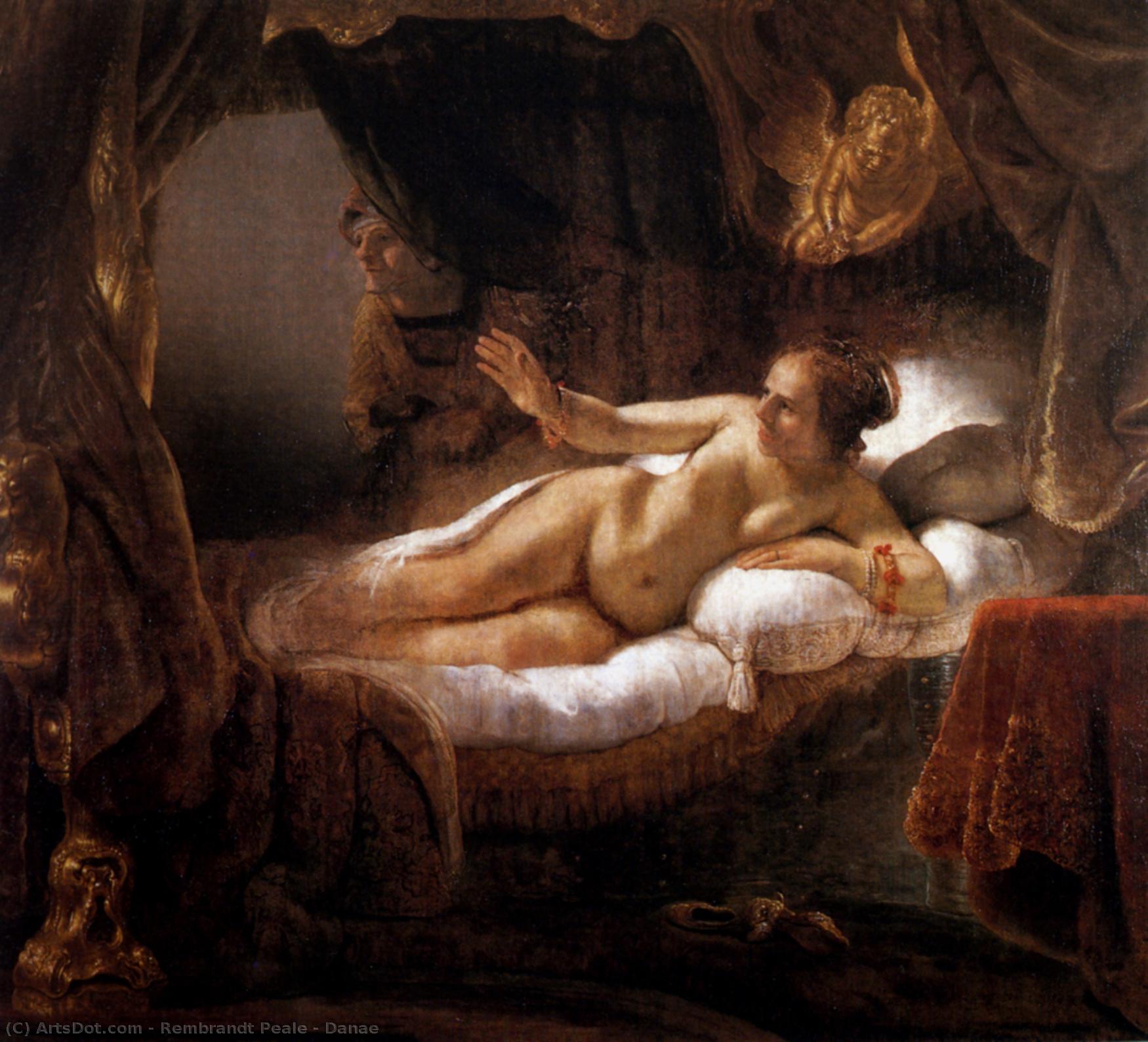
Danae: A Baroque Drama of Divine Desire
Rembrandt Peale’s “Danaë,” painted in 1643, is not merely a depiction of Greek mythology; it's a visceral exploration of desire, vulnerability, and the unsettling power of the divine. This arresting oil on canvas immediately commands attention with its dramatic chiaroscuro – a masterful manipulation of light and shadow that plunges the scene into an opulent, almost suffocating darkness, punctuated by the radiant glow of Zeus’s golden rain. The painting's mood is profoundly evocative, hinting at both beauty and impending doom, a hallmark of the Baroque style which Peale expertly employs.
At the heart of the composition lies Danaë, reclining on a luxurious bed draped in rich fabrics and adorned with pillows. Her nudity, while undeniably provocative, isn’t presented as overtly sensual; rather, it emphasizes her vulnerability and passive acceptance of fate. The sheer curtain partially concealing her body subtly reveals the descending golden rain – not a gentle blessing, but a torrent of shimmering light that feels both miraculous and threatening. This visual paradox is crucial to understanding the painting's central theme: the precarious balance between divine gift and potential corruption.
The Anatomy of Baroque Drama
Peale’s technical skill is evident in every brushstroke. The impasto technique – building up thick layers of paint – creates a remarkable sense of texture, particularly in the drapery and the swirling golden rain. These areas practically leap off the canvas, drawing the viewer into the scene with an almost tactile quality. The use of line is equally deliberate; flowing lines define the luxurious fabrics, while sharp, angular lines delineate the architectural elements within the chamber, creating a dynamic interplay between organic curves and geometric precision.
Furthermore, Peale’s understanding of perspective is subtly flattened, prioritizing emotional impact over strict realism. This choice contributes to the painting's dreamlike quality, intensifying the sense of drama and heightening the viewer’s engagement with the narrative. The lighting itself – a strong directional light illuminating Danaë’s face and upper body – serves to heighten her importance within the composition while simultaneously shrouding the background in shadow, creating an atmosphere of mystery and foreboding.
Mythological Symbolism and Historical Context
“Danaë” is rooted firmly in Greek mythology. The story recounts how Zeus, disguised as a shower of golden rain, seduced Danaë, daughter of King Aetius, and fathered Perseus, the hero who would later slay Medusa. The golden rain isn’t simply a symbol of fertility; it represents Zeus's divine intervention – an irresistible force that disrupts the natural order and exposes Danaë to his desires. The painting captures this moment of transgression and the subsequent consequences for both woman and family.
Painted during a period of intense artistic experimentation, “Danaë” reflects the influence of the Dutch Baroque masters, particularly Rembrandt van Rijn (hence Peale’s namesake). However, Peale adapts these influences to create a distinctly American style. The painting also speaks to the broader cultural anxieties of the time – concerns about unchecked power, the role of women in society, and the relationship between humanity and the divine. It's important to note that Peale was part of a burgeoning artistic community in Philadelphia, and his work contributed significantly to the development of American portraiture and landscape painting.
A Legacy of Likeness: The Peale Museum Connection
Rembrandt Peale’s legacy extends beyond this single masterpiece. He was a pivotal figure in establishing America's first museum – The Peale Museum – alongside his father, Charles Willson Peale. This institution, dedicated to showcasing art, natural history, and scientific specimens, played a crucial role in fostering public engagement with the arts and sciences. The museum itself stands as a testament to Peale’s commitment to education and cultural enrichment. Reproductions of works like “Danae” are now available through TopImpressionists.com, allowing enthusiasts worldwide to experience the power and beauty of this iconic painting.
Otázky a odpovědi
Jakou převládající barvu má dílo „Danae“ od Rembrandt Peale?
Hlavní barvou díla „Danae“ od Rembrandt Peale je Black (#140a09).
Mohu si "Danae" prohlédnout podrobněji?
Dílo „Danae“ lze prohlížet vrstvu po vrstvě na stránce Rentgenové snímky, která slouží jako interaktivní prohlížeč inspirovaný světelnou lavicí restaurátora a nabízí jedenáct optických nálezů obrazu.
Jaký pocit vyvolávají barvy díla „Danae“ od Rembrandt Peale?
„Danae“ od Rembrandt Peale kombinuje paletu Earthy s Melancholic tónem.
Biografie umělce
A Legacy of Likeness: The Life and Art of Rembrandt Peale
Rembrandt Peale, narozen v Buckinghamském kraji, Pensylvánii, v roce 1778, se zrodil v rodině hluboce zakořeněné v rozvíjejícím se uměleckém prostředí rané Ameriky. Jeho otec, Charles Willson Peale, nebyl jen malíř, ale i kulturní síla – malíř, zakladatel muzea a vášnivý zastánce síly umění při formování národní identity. V tomto stimulujícím prostředí získal mladý Rembrandt své základní vzdělání, vedle svých sourozenců, učí se technikám portrétu a krajinářství od dovedných ruk svého otce. Samotné pojmenování „Rembrandt“, odkazující na nizozemského mistra Harmenszoona van Rijn, signalizovalo Charlesovu Willsonovu aspiraci pro syna – naději, že bude pokračovat v tradici umělecké excelence. Už v ohromujícím věku se Rembrandt ukázal být mimořádně zdatný a dokončil svůj první portrét ve svých třinácti letech, dílo, které již naznačovalo jeho zralý styl a ambice. Tento raný kus nebyl jen projevem technické dovednosti; byl prohlášením úmyslu – mladý umělec prohlašoval svou přítomnost na americké umělecké scéně.Formativní Roky a Neoklasicistní Vlivy
Pealeova umělecká cesta ho v raných třiceti letech dovedla do Paříže, klíčovému zážitku, který hluboce ovlivnil jeho estetické smysly. Zanícen ve středu evropské kultury se setkal s platnými proudy francouzského neoklasicismu – stylu zdůrazňujícího řád, jasnost a návrat k klasickým ideálům. Tento vliv je zřetelně patrný v Pealeově pozdější práci, charakterizované jemným zpracováním, vyváženými kompozicemi a pečlivou pozorností k detailu. Zatímco portréty jeho otce často měly určitou rustikální vitalitu, Rembrandtovy se spíše orientovaly na více upravené a idealizované zobrazení svých subjektů. Během této doby přijmul enkoustickou techniku, starověkou metodu malby využívající vosk jako médium, což demonstrovalo jeho závazek k prozkoumávání inovativních přístupů k malbě. Peale však nesměle napodoboval evropské styly; adaptoval je do amerického kontextu a vytvářel portréty, které odrážely se rozvíjející národní identitu a její aspirace na kulturní nezávislost. Jeho oddanost zachycování přesných podobností, v kombinaci s jeho neoklasicistickým tréninkem, umožnila mu vytvořit obrazy, které byly esteticky působivé i historicky významné.Prožívající Malíř: Zachycení Éry
Rembrandt Pealeho kariéra byla mimořádně plodná, charakterizovaná neustálou snahou o umělecké dokonalosti a závazkem k dokumentování prominentních osobností jeho doby. Stal se zvláště proslulým svými portréty George Washingtona, vytvořil více než sedmdesát replik svého ikonického „Patriae Pater“ (Otec Země). Tyto obrazy nebyla jen zobrazení fyzických rysů; byly pečlivě konstruovanými symboly národní hrdosti a vedení. Peale rozuměl síle portrétu při utváření veřejného vnímání a přispívání k vytvoření kolektivní paměti. Kromě Washingtona maloval mnoho dalších vlivných osobností, včetně Thomase Jeffera, Johna C. Calhouna a různých členů americké elity. Jeho portréty nebyla omezena na politické osobnosti; zachytil také podobnosti obyčejných občanů, nabídkou pohledu do životů a aspirací každodenních Američanů. *Man with a Beard*, i když datován, ukazuje jeho schopnost zachycovat individuální charakter a psychologickou hloubku. Každý válec odhaluje nejen fyzické rysy, ale také naznačuje vnitřní život portrétovaného.Za hranicemi plátna: Pealeovo muzeum a trvalá dedikace
Rembrandt Pealeho příspěvky přesahovaly oblast malby; byl průkopnickým zakladatelem muzea, poháněným touhou po vzdělávání veřejnosti a propagaci umělecké ocenění. V roce 1814 založil své první muzeum v Baltimoru, Maryland – průlomnou instituci, která sloužila jako předchůdce mnoha moderních uměleckých muzeí. Nebyla to jen galerie pro vystavování děl; byla navržena jako centrum učení nabízející výstavy obrazů, soch a přírodních exponátů. Muzeum později bylo přeměněno na radnici města Baltimor a věnováno zachování místní historie. Jeho závazek k tomu, aby umění bylo dostupné pro všechny, odráží hluboce zakořeněné přesvědčení o jeho transformační síle. Dnes jsou díla Rembrandt Peale vystavována v prestižních sbírkách po celém světě, včetně Národní galerie portrétů ve Washingtonu D.C., a pokračují v oslavování díky svým historickým významům a uměleckému řemeslu. Jeho vliv lze sledovat v práci následných generací amerických portrétistů, čímž se upevňuje jeho místo v historii amerického umění.Trvalý dojem
Rembrandt Pealeho život byl zasvěcen jak umělecké tvorbě, tak kulturnímu obohacení. Nebyl jen malíř; byl historikem, pedagogem a zastáncem národní identity. Jeho portréty nabízejí nenahraditelné vhledy do osobností a hodnot jeho doby, zatímco jeho muzeum sloužilo jako lucernička osvěty v rychle se měnící zemi. Jeho dědictví přetrvává nejen prostřednictvím mnoha obrazů, ale také díky jeho průkopnickému ducha a neochvějnému závazku k síle umění. Nejsou to jen obrazy, které si budeme pamatovat, ale i jeho vliv na americkou kulturu.
Rembrandt Peale
1778 - 1860 , Spojené státy americké
Rychlé informace
- Artistic Movement Or Style: Neoklasicismus
- Artists Or Movements Influenced By This Artist: ['Holandský zlatý věk']
- Artists Who Influenced This Artist: ['Rembrandt van Rijn']
- Date Of Birth: 1778-02-22
- Date Of Death: 1860-10-03
- Full Name: Rembrandt Peale
- Nationality: Americký
- Notable Artworks:
- George Washington
- Man with a beard
- Place Of Birth: Bucks County, USA
Související články

Alchymie světla a temnoty: Jak Rembrandt van Rijn ovládl techniku chiaroscuro
Objevte tajemství Rembrandtovy techniky šerosvitu a mistrovského impasta. Ponořte se do fascinující historie barokního světla a stínu.
Prozkoumejte umělecká díla uspořádaná podle témat, stylů a charakteristik.


