

 Náhled v interiéru
 Sdílet
 Sdílet
 Podrobnosti o díle
 Průvodce

 Stáhnout
 Podobné položky
 Rentgenové snímky
 Slideshow
 Otázky a odpovědi
 Statistiky
Cumulus Clouds, East River


Experience the vibrant energy of a city at dusk through Robert Henri's bold 1901 oil painting Cumulus Clouds, East River, capturing urban life with expressive brushstrokes and an invitation to bring this masterpiece home.
 Zobrazit více
Robert Henri (1865-1929) byl americký malíř, klíčová postava Ashcan School. Zachytával realitu života s upřímností a ovlivnil řadu umělců. Inspirace od Edwarda Hoppera.
Giclée / Umělecký tisk
Giclée nebo plátěný tisk muzeální kvality s rychlou výrobou a širokou nabídkou povrchových úprav. ( Koupit ručně malovaný obraz Přepnout na digitální obraz)




P118B Kč10

P118H Kč10

P118W Kč10

P438Z Kč10

P508JH Kč12

P508YH Kč12

P805H Kč10

P805Z Kč10

P919BZ Kč10

P919G Kč10

P919XJ Kč10

P959ZH Kč10

P968JZ Kč12

W106C Kč8

W218G Kč10

W218JH Kč8

W218Y Kč10

W307PJ Kč10

W316G Kč10

W316PJ Kč8

W316Y Kč10

W398PJ Kč8

W4111J Kč10

W500HY Kč15

W500JH Kč15

W692G Kč12

W849H Kč8

W940BG Kč15

W953PJ Kč8




Standardní velikost
na zakázku
CM
INCH
Vyberte si z našich přednastavených velikostí, které odpovídají původním proporcím díla.
Loading sizes...

šířka
výška
Zadejte šířku a výšku, které potřebujete pro váš rám nebo stěnu. Tisk lze pouze oříznout, nikdy však nelze zvětšit obraz nad jeho původní rozměr, proto při výběru jiného formátu dochází ke ztrátě části obrazu. Před samotným tiskem vám zašleme digitální náhled k schválení. Obraz zobrazený na této stránce nenabízí skutečný výřez — ten uvidíte pouze v náhledu.
Celosvětové doručení () do 2 týdnů namísto standardních 4/5 týdnů. (7 listopad)

Zdarma celosvětová expresní doprava

Vysoce kvalitní lněné plátno

Kompletní pojištění přepravy

Záruka vrácení celního poplatku

Záruka věrného barevného souladu

100dení lhůta pro vrácení zboží (pouze při vadách výroby)

100% záruka vrácení peněz

Sleva při více objednávkách
 Skleněná varianta je dostupná pouze u rozměrů menších než 110 cm

Cumulus Clouds, East River
Giclée / Umělecký tisk
Rozměry reprodukce
-


Celková cena za vybrané možnosti reprodukcí
Kč 1524
A Symphony of Urban Twilight
In the evocative masterpiece "Cumulus Clouds, East River," painted in 1901, Robert Henri invites us to witness the heartbeat of New York City at the delicate transition of dusk. This oil on canvas is far more than a mere landscape; it is a breathing, pulsing portrait of an era defined by rapid expansion and unbridled energy. As the sun begins its descent, the sky becomes a dramatic stage where massive, billowing cumulus clouds command the heavens, casting a soft yet transformative light over the bustling waterways below. The East River serves as the reflective soul of the composition, mirroring the shifting hues of the twilight sky and providing a sense of profound depth that draws the viewer into the very center of the urban experience.
The canvas is alive with the rhythmic motion of a city in flux. Henri masterfully captures the intricate choreography of early twentieth-century life, weaving together a tapestry of movement where boats glide across the harbor and various modes of transport—cars, trucks, and trains—intersect within the frame. There is a palpable sense of human presence; figures can be seen navigating their daily routines, some walking with purpose, others pausing to observe the scenery, even cyclists threading through the growing congestion. This layering of activity creates a magnificent sense of dimensionality, making the viewer feel less like an observer and perhaps more like a participant in this vibrant, historical moment.
The Mastery of the Ashcan Spirit
As a leading figure of the Ashcan School, Robert Henri brought a revolutionary approach to American Realism, and "Cumulus Clouds, East River" stands as a testament to his ability to find beauty in the grit and vitality of everyday existence. His technique is characterized by bold, expressive brushstrokes that eschew rigid detail in favor of emotional truth and atmospheric impact. Rather than focusing on clinical precision, Henri uses light and color to sculpt the scene, employing a palette that captures the fleeting, golden warmth of dusk clashing with the cool, deepening shadows of the approaching night. This painterly approach lends the work an organic, fluid quality that mirrors the movement of the clouds and the flowing water.
For the discerning collector or interior designer, this painting offers a profound emotional resonance. It evokes a sense of nostalgia for a bygone era of industrial optimism while simultaneously celebrating the timeless allure of the natural world interacting with human progress. The piece possesses a unique ability to anchor a room, providing both a focal point of dramatic movement and a serene atmosphere of contemplation. Whether displayed in a contemporary gallery setting or a classic study, a high-quality reproduction of this work serves as a window into the soul of a developing metropolis, offering an enduring sense of inspiration and a sophisticated connection to the history of American art.
Otázky a odpovědi
Kde si mohu koupit ručně malovanou reprodukci díla „Cumulus Clouds, East River“ od Robert Henri?
Ručně malovanou reprodukci díla „Cumulus Clouds, East River“ od Robert Henri si můžete objednat přímo na jeho stránce Ručně malovaná reprodukce: ručně malovaná olejová reprodukce na lněném plátně, vyrábíme na zakázku.
O jaký typ uměleckého díla se jedná u „Cumulus Clouds, East River“ od Robert Henri?
Dílo „Cumulus Clouds, East River“ od Robert Henri je klasifikováno jako WallArt. Tato kategorie určuje typ uměleckého díla, kterým je originál.
Jakou intenzitu barev má „Cumulus Clouds, East River“ od Robert Henri?
„Cumulus Clouds, East River“ od Robert Henri má Balanced barevnou intenzitu.
Podobná díla


Biografie umělce
A Turbulent Genesis: The Early Life of Robert Henri
Robert Henri, born Robert Henry Cozad in Cincinnati, Ohio, in 1865, carried within him from the outset a sense of displacement and reinvention that would profoundly shape both his life and art. His childhood was far from idyllic; shadowed by the volatile relationship between his father, John Jackson Cozad—a man of ambition and risk as a gambler and real estate developer—and his mother, Theresa Gatewood Cozad. This instability culminated in a dramatic event in 1882: a fatal shooting over a land dispute that forced the family into flight, adopting new identities to escape retribution. Young Robert became Robert Henri, a deliberate severing from a past fraught with conflict and a symbolic rebirth as an artist. The westward journey through Nebraska and Colorado, culminating in a settling in New York City and then Atlantic City, instilled within him a deep empathy for those living on the fringes of society—an empathy that would become a defining characteristic of his artistic vision. This early experience of upheaval and reinvention fostered a spirit of independence and a commitment to portraying life as it truly was, unburdened by convention or societal expectation.Forging a New Vision: Artistic Development and Influences
Henri’s formal artistic education began at the Pennsylvania Academy of the Fine Arts in Philadelphia under Thomas Anshutz, where he honed his technical skills. However, it was his subsequent journey to Paris in 1888 that truly ignited his artistic awakening. Initially drawn to the academic tradition at the Académie Julian and influenced by masters like William-Adolphe Bouguereau and François Millet, Henri gradually gravitated towards Impressionism. Yet, he wasn’t content with merely replicating what he saw; he sought a more profound engagement with reality—a way to capture not just the fleeting effects of light but also the raw emotion and vitality of modern life. This quest led him to embrace a bolder, more direct approach, influenced by the Dutch Realist Franz Hals, whose loose brushwork and psychological insight resonated deeply with Henri’s own artistic sensibilities. He began experimenting with *pochades*, small wood panels used for quick sketches, encouraging spontaneity and immediacy in his work. Returning to America, he became a dedicated teacher, imparting not just technique but also a philosophy of art rooted in observation, honesty, and individual expression.Championing the Real: The Ashcan School and “The Eight”
Robert Henri’s impact on American art extended far beyond his own canvases; he became a catalyst for change, challenging the conservative norms of the established art world. He was a central figure in the emergence of the Ashcan School—a group of artists who dared to depict the gritty realities of urban life, from bustling city streets to crowded tenements. Henri’s commitment to realism and his rejection of academic pretension led him to organize “The Eight” in 1908—a collective of like-minded artists including William Glackens, George Luks, Everett Shinn, and John Sloan—who staged an independent exhibition as a direct protest against the restrictive policies of the National Academy of Design. This act of defiance was a watershed moment in American art history, signaling a shift away from European dominance and towards a uniquely American artistic voice. Henri’s paintings during this period, such as “Woman in Manteau” (1899) and his evocative portraits, captured the dignity and resilience of ordinary people, offering a powerful counterpoint to the idealized representations favored by the establishment.Legacy and Enduring Influence
Robert Henri’s influence on subsequent generations of American artists is immeasurable. As a teacher, he mentored a remarkable roster of talent, including Joseph Stella, Edward Hopper, Rockwell Kent, George Bellows, Norman Raeben, Louis D. Fancher, and Stuart Davis—artists who would go on to shape the course of 20th-century art. His book, *The Art Spirit*, published posthumously in 1923, remains a seminal text for aspiring artists, offering timeless wisdom on observation, technique, and the importance of artistic integrity. *Henri’s commitment to portraying life with honesty and empathy*, his rejection of convention, and his unwavering belief in the power of art to connect with audiences continue to inspire artists today. His paintings are not merely representations of reality; they are windows into the human condition—testaments to the beauty, struggle, and resilience of the human spirit. He left an indelible mark on American Realism, paving the way for a more democratic and inclusive art world that celebrated the everyday experiences of ordinary people. His legacy endures not only through his own masterful works but also through the countless artists he inspired to find their own voices and tell their own stories.
Robert Henri
1865 - 1929 , Spojené státy americké
Rychlé informace o umělci
- Artistic Movement Or Style: Ashcan School, Realismus
- Artists Or Movements Influenced By This Artist:
- Edward Hopper
- The Eight
- Artists Who Influenced This Artist:
- William Bouguereau
- François Millet
- Date Of Birth: 24. června 1865
- Date Of Death: 12. července 1929
- Full Name: Robert Henry Cozad
- Nationality: Američan
- Notable Artworks:
- Žena v mantlu
- Ne sníh
- Sissy ve žlutém
- Place Of Birth: Cincinnati, USA
Související články
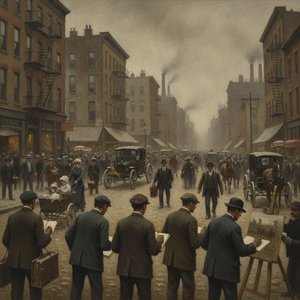
The Ashcan School: Capturing the Raw, Unfiltered Soul of Urban Life through American Realism
Discover the raw beauty of the Ashcan School. Explore how masters like Bellows and Henri captured the gritty, vibrant soul of early 20th-century New York through profound American Realism and evocative urban landscapes.

Capturing the Light: A Journey Through the Soul of American Impressionism and the Hudson River School
Explore the luminous beauty of American Impressionism and the Hudson River School. Discover a curated journey through light, landscape, and history, celebrating the enduring legacy of masters through exquisite, hand-painted oil reproductions for the discerning art lover.
Prozkoumejte umělecká díla uspořádaná podle témat, stylů a charakteristik.
