


 Zobrazit v interiéru
 Odeslat
 Sdílet
 Podrobnosti
 Průvodce

 Stáhnout obrázek
 Podobné kousky
 Rentgenové snímky
 Slideshow
 Statistiky
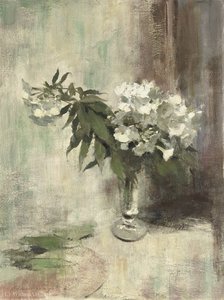
Untitled
 1963
1963 25.0 x 23.0 cm
Robert Kulicke: Innovative frame designer & painter of delicate still lifes. Revived granulation technique & mentored artisans. Explore his modern frames & timeless art.
 Přečíst si více
Umělecké dílo zobrazené na této stránce je chráněno autorským zákonem, což znamená, že nemůžeme legálně vytvářet ani prodávat jeho identickou reprodukci. Tato ochrana je vymáhána na základě mezinárodních dohod, jako například Berberská úmluva a národními zákony, včetně těch stanovených v Americký autorský zákon – Díl 17. Všechna práva vyhrazena.
Jako etickou a právní alternativu nabízíme vlastní, ručně malovaná umělecká díla inspirovaná originálem. Naši zdatní a profesionální umělci si pečlivě studují styl, náladu a uměleckou podstatu originálu, aby vytvořili nové, jedinečné dílo, které vyvolává stejný pocit – přičemž zůstává samostatným originálním tvůrčím dílem.
Tato metoda je plně v souladu s autorským právem, protože nezahrnuje kopírování ani duplikování chráněného díla. Jde o kreativní reinterpretaci – nový obraz, který je inspirován originálem, ale není s ním identický.
Ručně malovaná olejová reprodukce
Ručně malované olejné plátno v libovolném rozměru i s rámem, vyrobené našimi umělci na zakázku. ( Přepnout na tiskové verze Přepnout na digitální verzi obrazu)




































Standardní velikost
na zakázku
CM
INCH
Vyberte si z našich přednastavených velikostí, které odpovídají původním proporcím díla.
Loading sizes...

šířka
výška
Zadejte šířku a výšku, které potřebujete pro váš rám nebo stěnu. Protože se jedná o ruční malbu, při výběru jiného formátu může umělec kolem obrazu domalovat o něco více, nebo jej mírně oříznout — rozhodnete si vy. Před zahájením malby vám zašleme digitální náhled ke schválení. Obraz zobrazený na této stránce neodpovídá skutečnému výsledku — pouze digitální náhled jej zobrazuje.
Příklady možných změn: nahrazení obličeje vlastní fotografií; přidání domácího mazlíčka (např. nahrazení kočky psem); vložení skrytého vzkazu do pozadí; změna krajiny nebo prvků v pozadí.
Po přijetí objednávky vám tým TopImpressionists.com zašle e-mail s pokyny a poskytne náhledovou verzi.
Po přijetí objednávky vám tým TopImpressionists.com zašle e-mail s pokyny a poskytne náhledovou verzi.
Celosvětová doprava () za 3–4 týdny namísto standardních 5 týdnů. (23 říjen). Bez kompromisů v kvalitě.

Zdarma celosvětová expresní doprava

Vysoce kvalitní lněné plátno

Úplné pojištění přepravy

Záruka vrácení celního poplatku

Záruka věrného barevného shodu

100dení lhůta pro vrácení zboží (pouze při vadách výroby)

100% garance vrácení peněz

Sleva při více objednávkách
 Skleněná varianta je dostupná pouze u rozměrů menších než 110 cm

Untitled
Technika provedení
Velikost reprodukce
-


Celková cena
Kč 5759




Biografie umělce
The Architect of the Frame and the Soul of Still Life
Robert Moore Kulicke was far more than a mere craftsman; he was a visionary who understood that the boundary between an artwork and its environment is where true magic resides. Born in Philadelphia in 1924, his early life was steeped in the quiet reverence of the Philadelphia Museum of Art, where he spent countless hours studying the masters long before he ever picked up a brush or a tool. This foundational intimacy with art history would later allow him to bridge the gap between the ancient traditions of goldsmithing and the cutting-edge minimalism of the mid-20th century. After serving in the United States Army during World War II, Kulicke embarked on a transformative journey to Paris, funded by the G.I. Bill. It was in the vibrant atmosphere of post-war France that he studied under the legendary Fernand Léger, an experience that infused his artistic DNA with the structural clarity and bold philosophies of modernism.
Upon returning to New York City in 1951, Kulicke did not merely enter the art world; he redefined its very edges. His arrival coincided with the rise of Abstract Expressionism, and through his burgeoning friendship with titans such as Franz Kline and Robert Motherwell, he found a way to translate their raw, energetic canvases into a new language of presentation. He moved away from the heavy, ornate gilded frames of the past, instead conceiving the revolutionary "Kulicke frame." This design, characterized by a simple, elegant band of polished aluminum, offered a minimalist sanctuary for modern masterpieces. His innovation was so profound that the Museum of Modern Art commissioned his designs for traveling exhibitions, and his "floating frames" became iconic staples in museum galleries worldwide, forever changing how viewers interact with the depth and dimension of a painting.
A Mastery of Detail and the Revival of Tradition
While his influence on the design of picture frames earned him international acclaim as an innovator, Kulicke’s personal artistic practice revealed a much more delicate and introspective side. He was a painter of profound sensitivity, specializing in small, exquisite still lifes that captured the ephemeral beauty of the everyday. His works, such as Roses or his various studies of light and texture, were deeply rooted in Impressionistic principles, utilizing muted tones and soft, textured brushstrokes to evoke a sense of quietude and timelessness. In these intimate compositions, one can see the same precision he applied to his frames—a meticulous attention to how light falls upon a petal or how shadow settles within a ceramic mug.
Beyond the canvas and the workshop, Kulicke’s creative spirit sought out even more intricate challenges, leading him to the ancient and demanding world of jewelry making. He is famously credited with reviving the granulation technique, an incredibly complex goldsmithing method involving the fusion of tiny gold spheres onto a surface. This pursuit mirrored his broader career: a constant dialogue between the old and the new, the monumental and the minute. Whether he was designing a Lucite frame for a photography collection or meticulously placing gold grains on a precious metal, Kulicke remained a master of texture and form.
The legacy of Robert Kulicke is one of seamless integration. He proved that the container can be as much a work of art as the contained, and that the modern eye requires both the boldness of innovation and the comfort of tradition. His life’s work stands as a testament to the idea that true artistry lies in the ability to see the profound within the small, and to provide the perfect, elegant border for the world's most significant visions.

Robert Kulicke
1924 - 2007
Rychlé informace
- Full Name: Robert Moore Kulicke
- Nationality: American
- Date Of Birth: 1924
- Date Of Death: 2007
- Place Of Birth: Philadelphia, USA
- Notable Artworks:
- Pear
- Dollar Bill on White Ground
- Roses
- Artistic Movement Or Style: Modern Art Frames
- Artists Who Influenced This Artist: ['Fernand Légère']
- Artists Or Movements Influenced By This Artist: ['Abstract Expressionism']