


 Zobrazit v interiéru
 Odeslat
 Sdílet
 Podrobnosti
 Průvodce

 Stáhnout obrázek
 Podobné kousky
 Rentgenové snímky
 Slideshow
 Statistiky
Landscape


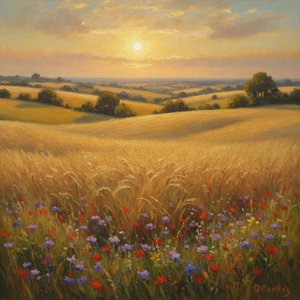
Rosa Bonheur’s "Landscape" captures a tranquil twilight hillside scene in Impressionistic Realism, showcasing the French Romantic movement's emotional connection to nature. Admire this masterful oil painting and bring its beauty into your home.
 Přečíst si více
Rosa Bonheur (1822-1899) byla revoluční francouzská malířka zvířat, známá pro svou realistickou a detailní tvorbu. Její ikonické dílo "Horse Fair" a precizní obrazy zvířat ji propůjčily status pionýrky ženské umělecké kariéry v 19. století.
Giclée / Umělecký tisk
Giclée nebo plátěný tisk muzeální kvality s rychlou výrobou a širokou nabídkou povrchových úprav. ( Objednat ručně malovanou reprodukci Přepnout na digitální verzi obrazu)




P118B Kč10

P118H Kč10

P118W Kč10

P438Z Kč10

P508JH Kč12

P508YH Kč12

P805H Kč10

P805Z Kč10

P919BZ Kč10

P919G Kč10

P919XJ Kč10

P959ZH Kč10

P968JZ Kč12

W106C Kč8

W218G Kč10

W218JH Kč8

W218Y Kč10

W307PJ Kč10

W316G Kč10

W316PJ Kč8

W316Y Kč10

W398PJ Kč8

W4111J Kč10

W500HY Kč15

W500JH Kč15

W692G Kč12

W849H Kč8

W940BG Kč15

W953PJ Kč8




Standardní velikost
na zakázku
CM
INCH
Vyberte si z našich přednastavených velikostí, které odpovídají původním proporcím díla.
Loading sizes...

šířka
výška
Zadejte šířku a výšku, které potřebujete pro váš rám nebo stěnu. Tisk lze pouze oříznout, nikdy však nelze zvětšit obraz nad jeho původní rozměr, proto při výběru jiného formátu dochází ke ztrátě části obrazu. Před samotným tiskem vám zašleme digitální náhled k schválení. Obraz zobrazený na této stránce nenabízí skutečný výřez — ten uvidíte pouze v náhledu.
Celosvětové doručení () do 2 týdnů namísto standardních 4/5 týdnů. (22 říjen)

Zdarma celosvětová expresní doprava

Vysoce kvalitní lněné plátno

Úplné pojištění přepravy

Záruka vrácení celního poplatku

Záruka věrného barevného shodu

100dení lhůta pro vrácení zboží (pouze při vadách výroby)

100% garance vrácení peněz

Sleva při více objednávkách
 Skleněná varianta je dostupná pouze u rozměrů menších než 110 cm

Landscape
Giclée / Umělecký tisk
Velikost reprodukce
-


Celková cena
Kč 1466
Rosa Bonheur’s Landscape: A Symphony of Observation and Emotion
Rosa Bonheur's "Landscape," housed at the Crocker Art Museum in Sacramento, California, stands as a remarkable achievement of French Romanticism—a genre characterized by its fervent embrace of nature and its exploration of profound emotional responses to the natural world. More than just a depiction of scenery, this painting embodies Bonheur’s unwavering commitment to realism and her ability to capture not merely what is seen but also what feels. It's a testament to her pioneering role as a woman artist challenging societal conventions during a period when artistic pursuits were largely considered unsuitable for female endeavors.Subject Matter and Composition
The scene unfolds on a hillside bathed in the diffused light of twilight, presenting a tranquil vista dominated by rolling hills covered in autumnal foliage. Two prominent trees—one to the left and another to the right—serve as anchors within the composition, directing the viewer’s gaze across the expanse of the landscape. Scattered amongst these central figures are numerous smaller trees, contributing to an overall sense of organic complexity and depth. Bonheur meticulously rendered each element with painstaking detail, prioritizing accuracy and capturing the subtle nuances of color and texture. The artist's careful consideration for perspective creates a convincing illusion of space, inviting contemplation and immersing the viewer in the atmosphere of the hillside.Technique and Style: Impressionistic Realism
Bonheur employed oil paints on canvas—a technique favored by Romantic artists—to achieve an unparalleled level of realism. Her brushstrokes are visible yet blended seamlessly, resulting in a surface that possesses both luminosity and tactile quality. The artist skillfully utilized color palettes inspired by the prevailing Impressionist movement, prioritizing tonal variations to convey mood and capturing the ephemeral effects of light on foliage and sky. Unlike purely idealized landscapes of earlier eras, Bonheur’s “Landscape” eschews romantic embellishment for an honest portrayal of nature's beauty—a deliberate choice reflecting her artistic philosophy and aligning with the broader Romantic preoccupation with sensory experience.Historical Context: Challenging Gender Roles
Painted in 1867, "Landscape" emerged during a time when women’s participation in the arts was severely limited. Rosa Bonheur defied societal expectations by pursuing her passion for painting despite considerable opposition from family and peers. Her unwavering dedication to her craft—fueled by Saint-Simonian ideals advocating for equal education—established her as an inspirational figure for aspiring female artists. The painting itself serves as a symbol of artistic freedom and represents Bonheur’s triumph over prejudice, cementing her legacy as one of the foremost animalière painters of her generation.Symbolism and Emotional Impact
The autumnal hues of the hillside evoke feelings of melancholy beauty—a poignant reminder of passing time and the cyclical nature of life. The trees stand as silent witnesses to these transformations, symbolizing resilience and enduring strength amidst change. Bonheur’s masterful rendering captures not only visual accuracy but also an emotional resonance that transcends mere representation. Viewers are invited to contemplate the grandeur of the natural world while simultaneously acknowledging its vulnerability—a subtle yet powerful message conveyed through color, texture, and composition. “Landscape” remains a captivating artwork, resonating with viewers today as it did in 1867 – a testament to Bonheur’s artistic vision and her enduring contribution to art history.Otázky a odpovědi
Patří dílo „Landscape“ do volného užití?
Dílo „Landscape“ od Rosa Bonheur spadá do patří do volného užití – autorská práva vypršela. Tento stav určuje pravidla pro reprodukci obrazu tohoto díla.
Je „Landscape“ od Rosa Bonheur portrét, krajina nebo čtvercová kompozice?
„Landscape“ od Rosa Bonheur je Landscape kompozice. Před výběrem velikosti tisku je vhodné si zkontrolovat její poměry stran.
K jakému použití je doporučována reprodukce díla „Landscape“?
Navrhované využití pro „Landscape“ od Rosa Bonheur je Accent. Lze jej však využít i k jiným účelům.
Biografie umělce
A Life Immersed in the Animal World
Rosa Bonheur, born Marie-Rosalie Bonheur in 1822 Bordeaux, France, wasn’t simply a painter of animals; she was an interpreter of their very essence. Her name resonates through art history as a beacon of realism and a testament to female artistic ambition in a period dominated by male figures. Born into a family steeped in artistic tradition – her father, Oscar-Raymond Bonheur, was a landscape and portrait painter – young Rosalie’s path wasn’t predetermined but nurtured. The family’s embrace of Saint-Simonianism, a progressive socialist philosophy advocating for equal education for both sexes, proved particularly formative, instilling in Rosa a sense of independence and intellectual curiosity that would define her life and work. Tragedy struck early with the loss of her mother at age eleven, yet the Bonheur household remained a haven for creativity and unconventional thinking. This unique upbringing laid the foundation for an artist who would challenge societal norms as boldly as she captured the raw beauty of the natural world.From Humble Beginnings to Salon Success
The family’s relocation to Paris in 1828 marked a turning point, providing Rosa with access to formal artistic training. Initially, her studies followed conventional lines – copying from drawings and sketching plaster models. However, it was the animals surrounding Paris that truly captured her imagination. Horses, cattle, sheep, goats—she observed them relentlessly, not merely as subjects for art but as living beings deserving of meticulous study. This dedication to direct observation became the cornerstone of her artistic style. Her father actively encouraged this passion, even bringing live animals into their studio for Rosa to dissect and analyze. This hands-on approach, combined with visits to Parisian abattoirs to understand animal anatomy, set her apart from many contemporaries who relied on second-hand depictions. Her breakthrough arrived in 1849 with *Ploughing in the Nivernais*, a work that garnered immediate attention at the Paris Salon and signaled the arrival of a significant new talent. But it was *The Horse Fair*, completed between 1853 and 1855, that cemented her international fame. This monumental canvas, now housed in New York’s Metropolitan Museum of Art, pulsates with energy and anatomical precision, depicting the chaotic yet captivating spectacle of a bustling horse market. Even Queen Victoria herself was captivated by its power and realism.A Style Rooted in Realism and Observation
Rosa Bonheur's artistic style wasn’t about romanticizing animals; it was about portraying them with unwavering honesty and detail. She eschewed sentimentality, opting instead for a scientific approach to her subjects. Her paintings are characterized by their anatomical accuracy, dynamic compositions, and an ability to capture the unique personality of each creature. This commitment to realism extended beyond mere physical representation. Bonheur sought to understand the animals’ movements, behaviors, and even their emotional states. She often worked *en plein air*, directly observing her subjects in their natural environments, a practice that further enhanced the authenticity of her work. Her technique involved careful layering of paint and a masterful use of light and shadow to create depth and texture, bringing each animal vividly to life on canvas. The influence of artists like Nicolas Poussin and Peter Paul Rubens is evident in her compositions, but she always grounded her work in meticulous observation and anatomical study.A Pioneer for Women in Art
Rosa Bonheur’s legacy extends far beyond her artistic achievements; she became an icon for women striving for recognition in the male-dominated art world. She defied convention not only through her professional success but also through her personal choices. Famously, she often wore men's clothing while working with animals, citing practicality and freedom of movement – a bold statement that challenged societal expectations. She secured commissions from governments and private collectors alike, proving that female artists could achieve the same level of acclaim as their male counterparts. Her success paved the way for future generations of women artists, inspiring them to pursue their passions without compromise. Bonheur’s life story serves as a powerful example of artistic independence and determination. Her paintings continue to be celebrated in major museums worldwide, serving as a reminder of her enduring contribution to art history and her unwavering commitment to portraying the beauty and dignity of the animal kingdom.Enduring Influence and Lasting Legacy
The impact of Rosa Bonheur’s work continues to resonate today. Her dedication to realism influenced countless artists, and her paintings remain admired for their technical skill and emotional depth. She demonstrated that art could be both scientifically accurate and profoundly moving, bridging the gap between observation and interpretation. Beyond her artistic contributions, Bonheur's life story serves as a powerful example of female empowerment and artistic independence. She challenged societal norms, defied expectations, and ultimately achieved lasting recognition on her own terms. Her legacy is not merely one of beautiful paintings but also of courage, determination, and a unwavering commitment to her craft. Her work continues to inspire artists and art lovers alike, reminding us of the power of observation, the beauty of the natural world, and the importance of pursuing one’s passions with conviction.
Rosa Bonheur
1822 - 1899 , Francie
Rychlé informace
- Artistic Movement Or Style: Realismus, Animalière
- Artists Or Movements Influenced By This Artist: ['Saint-Simonianism']
- Artists Who Influenced This Artist:
- Poussin
- Rubens
- Date Of Birth: 16. března 1822
- Date Of Death: 25. května 1899
- Full Name: Marie-Rosalie Bonheur
- Nationality: Francouzská
- Notable Artworks:
- Ploughing
- Horse Fair
- Place Of Birth: Bordeaux, Francie
Související články
Golden Fields & Sun-Drenched Meadows: Capturing the Soul of Impressionist Landscapes
Immerse yourself in the luminous world of Impressionist landscapes. Discover how masters like Monet and Gauguin captured ephemeral light through plein air painting, and learn to bring the soul of sun-drenched meadows into your home with exquisite, hand-painted oil reproductions.

The Beauty of Impermanence: Capturing Decay through Impressionist Eyes
Explore the profound beauty of impermanence through Impressionist and Post-Impressionist eyes. Discover how masters like Monet and Van Gogh captured fleeting light and the poetic essence of nature's transitions in our deep dive into art history and emotional landscapes.

Beyond the Light: Capturing Raw Emotion and Subjective Vision in Post-Impressionist Landscapes
Explore the profound emotional depth of Post-Impressionist landscapes. Discover how masters like Van Gogh moved beyond light to capture raw human feeling through vibrant color and expressive texture in this expert art history retrospective.

Capturing the Soul: The Most Emotionally Moving Impressionist and Post-Impressionist Masterpieces
Discover the profound emotional depth of Impressionist and Post-Impressionist masterpieces. Explore how legends like Monet, Van Gogh, and Gauguin captured light and soul through evocative landscapes and vibrant brushwork for a timeless connection to art history.