


 Náhled v interiéru
 Sdílet
 Sdílet
 Podrobnosti o díle
 Průvodce

 Stáhnout
 Podobné položky
 Rentgenové snímky
 Slideshow
 Q&A
Q&A Statistiky
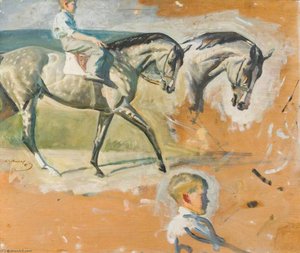
Study (verso)
 Oil On Panel
- Tonal Impressionism
 Modern
 25.0 x 33.0 cm
 The Munnings Art Museum
A serene oil study capturing a horse grazing in lush grass by Sir Alfred James Munnings, reflecting the timeless beauty of British equestrian art that you can bring into your own collection.
 Zobrazit více
Sir Alfred Munnings (1878-1959): Britský malíř, známý svými nádhernými obrazy koní a venkovského života. Obdivuje tradici a zachycuje atmosféru Anglie.
Umělecké dílo zobrazené na této stránce je chráněno autorským zákonem, což znamená, že nemůžeme legálně vytvářet ani prodávat jeho identickou reprodukci. Tato ochrana je vymáhána na základě mezinárodních dohod, jako například Berberská úmluva a národními zákony, včetně těch stanovených v Americký autorský zákon – Díl 17. Všechna práva vyhrazena.
Tato metoda je plně v souladu s autorským právem, protože nezahrnuje kopírování ani duplikování chráněného díla. Jde o kreativní reinterpretaci – nový obraz, který je inspirován originálem, ale není s ním identický.
Giclée / Umělecký tisk
Giclée nebo plátěný tisk muzeální kvality s rychlou výrobou a širokou nabídkou povrchových úprav. ( Koupit ručně malovaný obraz Přepnout na digitální obraz)




P118B Kč10

P118H Kč10

P118W Kč10

P438Z Kč10

P508JH Kč12

P508YH Kč12

P805H Kč10

P805Z Kč10

P919BZ Kč10

P919G Kč10

P919XJ Kč10

P959ZH Kč10

P968JZ Kč12

W106C Kč8

W218G Kč10

W218JH Kč8

W218Y Kč10

W307PJ Kč10

W316G Kč10

W316PJ Kč8

W316Y Kč10

W398PJ Kč8

W4111J Kč10

W500HY Kč15

W500JH Kč15

W692G Kč12

W849H Kč8

W940BG Kč15

W953PJ Kč8




Standardní velikost
na zakázku
CM
INCH
Vyberte si z našich přednastavených velikostí, které odpovídají původním proporcím díla.
Loading sizes...

šířka
výška
Zadejte šířku a výšku, které potřebujete pro váš rám nebo stěnu. Tisk lze pouze oříznout, nikdy však nelze zvětšit obraz nad jeho původní rozměr, proto při výběru jiného formátu dochází ke ztrátě části obrazu. Před samotným tiskem vám zašleme digitální náhled k schválení. Obraz zobrazený na této stránce nenabízí skutečný výřez — ten uvidíte pouze v náhledu.
Celosvětové doručení () do 2 týdnů namísto standardních 4/5 týdnů. (29 říjen)

Zdarma celosvětová expresní doprava

Vysoce kvalitní lněné plátno

Kompletní pojištění přepravy

Záruka vrácení celního poplatku

Záruka věrného barevného souladu

100dení lhůta pro vrácení zboží (pouze při vadách výroby)

100% záruka vrácení peněz

Sleva při více objednávkách
 Skleněná varianta je dostupná pouze u rozměrů menších než 110 cm

Study (verso)
Giclée / Umělecký tisk
Rozměry reprodukce
-


Celková cena za vybrané možnosti reprodukcí
Kč 1486
The Quiet Intimacy of an Equine Moment
In the delicate realm of British Impressionism, few moments capture the profound stillness of rural life as tenderly as Sir Alfred James Munnings’s Study (verso). This intimate oil on panel serves as a window into a private, unobserved second in time, where the grandeur of the horse is replaced by a sense of gentle vulnerability. The painting depicts a single horse, its head bowed toward the earth, lost in a moment of quiet foraging amidst the lush grasses. There is no thunder of hooves or dramatic gallop here; instead, Munnings invites us into a sanctuary of peace, where the only movement is the soft rustle of the meadow and the rhythmic grazing of a creature at rest.
The composition, though modest in its 25 x 33 cm scale, possesses an expansive emotional depth. By focusing on the horse’s downward gaze, Munnings directs our attention to the connection between the animal and the land. This downward focus creates a closed loop of intimacy, making the viewer feel less like an intruder and more like a silent witness to a natural ritual. For collectors and lovers of classical realism, this piece offers a rare glimpse into the artist's preparatory mind—a study that prioritizes the essence of life over the spectacle of action.
Mastery of Light and Texture
Technically, this work exemplifies Munnings’s ability to manipulate oil paint to evoke the tactile reality of the English countryside. The brushwork is masterful, blending the fluid, impressionistic strokes required to render the swaying blades of grass with a more controlled precision used to define the muscular anatomy of the horse. One can almost feel the weight of the animal and the dampness of the earth beneath its hooves. The light in this study is soft and diffused, characteristic of the overcast, luminous skies often found in the East Anglian landscapes that so inspired the artist.
The palette is a sophisticated arrangement of earthy tones—deep greens, muted ochres, and warm browns—which ground the subject in a sense of timelessness. For interior designers seeking to introduce a sense of calm and heritage into a space, this painting provides an anchor of organic warmth. The subtle interplay of light and shadow across the horse's coat adds a three-dimensional quality that breathes life into the panel, ensuring that even as a reproduction, the work retains its soulful, living presence.
A Legacy of Rural Tradition
To understand this study is to understand the heart of Sir Alfred James Munnings himself. As a painter whose life was inextricably linked to the equine world, Munnings sought to preserve a vanishing way of life—a Britain defined by the rhythms of hunting, racing, and the pastoral beauty of the countryside. This particular work, housed in the Munnings Art Museum in Colchester, represents the foundational sketches of a master documenting a disappearing era. It is more than just a depiction of an animal; it is a nostalgic tribute to the dignity of nature.
Owning or displaying a high-quality reproduction of such a piece allows one to bring a fragment of this historical elegance into the modern home. Whether placed in a sunlit library or a sophisticated contemporary living room, Study (verso) acts as a meditative focal point. It reminds us of the beauty found in simplicity and the enduring grace of the natural world, making it an incomparable choice for those who value art that speaks to both the eye and the soul.
Otázky a odpovědi
Kdo prodává ručně malované kopie díla „Study (verso)“ od Alfred Munnings?
„Study (verso)“ je dostupná jako ručně malovaná olejová reprodukce na lněném plátně. Objednávku můžete zadat na její stránce Ručně malovaná reprodukce, kde si můžete vybrat z různých rozměrů.
Jsou barvy v díle „Study (verso)“ od Alfred Munnings syté, nebo tlumené?
Barvy díla „Study (verso)“ od Alfred Munnings mají Clear Color Presence saturaci. Saturace určuje, jak jsou barvy živé nebo tlumené.
Jak se v díle „Study (verso)“ od Alfred Munnings propojují umělecký směr a doba?
V díle „Study (verso)“ od Alfred Munnings se setkává směr Tonal Impressionism s érou Modernismus.
Podobná díla



Biografie umělce
A Life Immersed in Equine Grace
Sir Alfred James Munnings, jméno neodmyslitelně spojené s živoucím zobrazením koní a romantickou krásou venkovského Anglie, zaujímá klíčovou pozici v 20. století britského umění. Narodil se roku 1878 v rozsádlých krajinách Suffolku a jeho život byl hluboce ovlivněn trvalým poutem k koní – poutem, které definovalo jeho umělecké vizi a přispělo k jeho pověsti. Munnings nezaznamenával jen to, co viděl; zachycoval pocit, atmosféru, svět na pokraji nevratelné proměny. Zachytával mizící způsob života, pečlivě pozorovaný portrét Anglie zasazený do tradice, lovu a rytmu venkova.Od Venkovských Začátků k Uměleckému Rozvoji
Munningsův umělecký putování nezačalo v formálních končinách akademie, ale v praktickém světě Norwichského tiskařství. Tato učební zkušenost zdokonalila jeho dovednosti v designu a pozorování, přičemž mu zároveň umožnila studovat na Norwich School of Art. Jednalo se o formativní období, které v něm zavedlo disciplínu, která mu sloužila při navigaci výzvami založení se jako umělce. Raní vlivy zahrnovaly impresionisty ze školy Newlyn v Cornwall, kde přijali jejich závazek zachycovat světlo a atmosféru přímo z přírody. Toto ponoření do impresionistických technik položilo základy pro jeho charakteristický styl – volné štětoborce, živou paletu a hmatatelný pocit pohybu. Jeho rané díla často zobrazovala venkovské scény, zejména ty s kmeny a koňmi potulujícími se po Suffoltském kraji, nabité romantickou senzibilitou, která ukazovala jeho rostoucí mistrovství v barvě a světle. Tyto malby nebyly pouhými reprezentacemi; byly projevy hluboké lásky k zemi a jejím obyvatelům.Válka, Rozpoznání a Ochránce Tradičního
První světová válka zásadně ovlivnila jak Munningsův umělecký pohled, tak jeho veřejný profil. I když byl na počátku shledán neschopným služby, sloužil jako oficiální válečný umělec s kanadskou kavalírní brigádou, dokumentoval klíčovou roli koní v konfliktu. Tato zkušenost ho přivedla tváří v tvář hrůzám války – utrpení, ztrátě a trvalému poutu mezi lidmi a zvířaty. Jeho obrazy z tohoto období nejsou glorifikacemi boje, ale dojemné odrazové zrcadly obětí a odolnosti, zachycující smutnou krásu uprostřed devastace. Po válce se Munningsova popularita a finanční zabezpečení prudce zvýšila. Dostával prestižní pověření, která mu umožnila koupit Castle House v Dedhamu, Essex – nemovitost, která se stala jak jeho domovem, tak ateliérem na zbytek svého života. Stal se žádaným portrétistou, zachycujícím podobnost a charakter prominentních osobností z aristokracie a závodního světa. Jeho schopnost vyjádřit nejen fyzickou podobnost, ale i povahu a spojení s lidským srdcem upevňovala jeho reputaci jako jednoho z nejlepších britských umělců. Munnings byl však také vášnivým obhájcem tradičních uměleckých hodnot.Kontroverzní Hlas a Trvalé Závratí
Munningsův umělecký filozofie byla hluboce zakořeněna v tradici, a stal se hlasitým kritikem rozvíjejících se moderních proudů, které zpochybňovaly konvenční představy o umění. Jeho slavný – a často kontroverzní – rozhlasový projev z roku 1949 vedl k ostré kritice Cubismu a Surrealismu, který byl přednesen s typickou upřímností (a údajně poháněn alkoholem). I když jeho prohlášení vyvolala vztek zastánců moderního umění, zároveň rezonovaly s těmi, kteří si vážili reprezentativního malířství a trvalou sílu umělecké dovednosti. Nešlo jen o odpor ke změně z čistě teoretických důvodů; věřil v důležitost zachování uměleckých standardů a oslavy krásy ve svých tradičních formách. Tato víra se projevila v jeho zvolení prezidentem Royal Academy v roce 1944, pozici, kterou zastával až do roku 1949, upevňující tak svou pozici v britské umělecké elitě. Byl jmenován rytířem v roce 1944 a jmenován rytířským vikářem královské víry v roce 1947, což dále uznávalo jeho přínos národnímu kulturnímu životu.Hlavní Úspěchy
- Prezident Royal Academy: Zvolen prezidentem Royal Academy v roce 1944, zastával tuto pozici až do roku 1949.
- Rytířské jmenování: Jmenován rytířem v roce 1944 a jmenován rytířským vikářem královské víry v roce 1947.
- Válečný umělec: Uznán za svou práci dokumentující kanadskou kavalírní brigádu během I. světové války.
- Sochařská díla: Vytvořil sochy, včetně sochy Edwarda Horner.
Jeho dědictví přetrvává nejen prostřednictvím mistrovských obrazů, ale také jako vášnivý obhájce umělecké tradice v rychle se modernizujícím světě.

Alfred Munnings
1878 - 1959 , Spojilní království
Rychlé informace o umělci
- Artistic Movement Or Style: Impressionismus
- Artists Or Movements Influenced By This Artist: ['Modernism']
- Artists Who Influenced This Artist: ['Newlyn School']
- Date Of Birth: 1878
- Date Of Death: 1959
- Full Name: Sir Alfred James Munnings
- Nationality: Britský
- Notable Artworks:
- The Fancy Dress Ball
- A Piper
- Place Of Birth: Mendham, UK
Související články

The Soul of Impressionism: Why Oil on Canvas Captures Eternal Light and Timeless Emotion
Discover the enchanting alchemy of Impressionism. Explore how the mastery of oil on canvas, through glazing and impasto, captures eternal light and emotion. Perfect for lovers of Monet and Van Gogh seeking the profound depth of hand-painted fine art.

The Timeless Charm of Oil on Board: Reimagining Texture and Light through the Impressionist Lens
Discover the profound intimacy of oil on panel. Explore how Impressionist masters used rigid supports to capture light, texture, and impasto depth through exquisite, handmade oil reproductions for discerning collectors.

The Timeless Beauty of Oil on Panel: Capturing Light and Texture through the Impressionist Lens
Discover the exquisite depth of oil on panel. Explore how Impressionist masters captured light and texture through tactile brushwork, and learn how to bring these museum-quality, hand-painted masterpieces into your home with expert curation.
Prozkoumejte umělecká díla uspořádaná podle témat, stylů a charakteristik.


