

 Zobrazit v interiéru
 Odeslat
 Sdílet
 Podrobnosti
 Průvodce

 Stáhnout obrázek
 Podobné kousky
 Rentgenové snímky
 Slideshow
 Statistiky
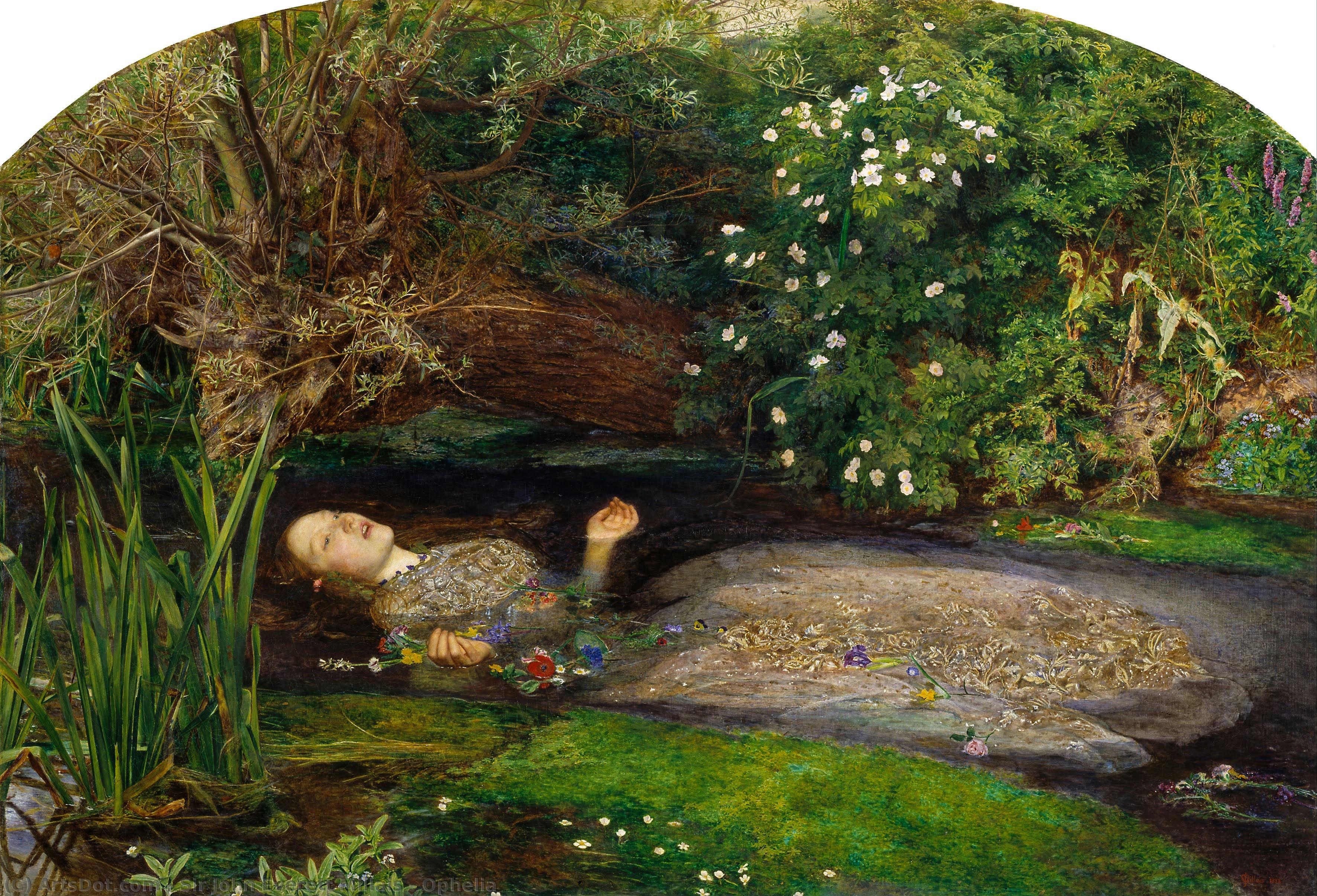
Ophelia
 Oil On Canvas
- WallArt
- Pre-Raphaelite
 1851
1851 11.0 x 76.0 cm
 Tate Britain
Experience Millais’ "Ophelia" – a breathtaking Pre-Raphaelite masterpiece! Explore its serene beauty, intricate detail & symbolic depth. A timeless work of art.
 Přečíst si více
Sir John Everett Millais (1829-1896) byl britský malíř, zakladatel Prerafaelismu. Známý svými realistickými díly jako Ophelia a Christ in the House of His Parents, zachycoval krásy přírody i lidský život.
Ručně malovaná olejová reprodukce
Ručně malované olejné plátno v libovolném rozměru i s rámem, vyrobené našimi umělci na zakázku. ( Přepnout na tiskové verze Přepnout na digitální verzi obrazu)




P118B Kč10

P118H Kč10

P118W Kč10

P438Z Kč10

P508JH Kč12

P508YH Kč12

P805H Kč10

P805Z Kč10

P919BZ Kč10

P919G Kč10

P919XJ Kč10

P959ZH Kč10

P968JZ Kč12

W106C Kč8

W218G Kč10

W218JH Kč8

W218Y Kč10

W307PJ Kč10

W316G Kč10

W316PJ Kč8

W316Y Kč10

W398PJ Kč8

W4111J Kč10

W500HY Kč15

W500JH Kč15

W692G Kč12

W849H Kč8

W940BG Kč15

W953PJ Kč8




Standardní velikost
na zakázku
CM
INCH
Vyberte si z našich přednastavených velikostí, které odpovídají původním proporcím díla.
Loading sizes...

šířka
výška
Type the width and the height you need, to fit your frame or your wall. This is hand-painted, so for a size with a different shape the artist can paint a bit more around the picture, or cut a bit — you choose. We send you a digital mockup to approve before the painting starts. The picture shown on this page does not show the real result — only the mockup does.
Příklady možných změn: nahrazení obličeje vlastní fotografií; přidání domácího mazlíčka (např. nahrazení kočky psem); vložení skrytého vzkazu do pozadí; změna krajiny nebo prvků v pozadí.
Po přijetí objednávky vám tým TopImpressionists.com zašle e-mail s pokyny a poskytne náhledovou verzi.
Po přijetí objednávky vám tým TopImpressionists.com zašle e-mail s pokyny a poskytne náhledovou verzi.
Celosvětová doprava () za 3–4 týdny namísto standardních 5 týdnů. (14 říjen). Bez kompromisů v kvalitě.

Zdarma celosvětová expresní doprava

Vysoce kvalitní lněné plátno

Úplné pojištění přepravy

Záruka vrácení celního poplatku

Záruka věrného barevného shodu

100dení lhůta pro vrácení zboží (pouze při vadách výroby)

100% garance vrácení peněz

Sleva při více objednávkách
 Skleněná varianta je dostupná pouze u rozměrů menších než 110 cm

Ophelia
Technika provedení
Velikost reprodukce
-


Celková cena
Kč 5665
A Frozen Moment of Melancholy: Millais’s “Ophelia”
Sir John Everett Millais's "Ophelia," painted in 1851–52, isn’t merely a depiction of a tragic Shakespearean scene; it’s an immersive experience—a meticulously crafted tableau of sorrow and beauty that continues to captivate viewers over a century and a half later. This iconic Pre-Raphaelite masterpiece transcends its literary source, becoming a profound meditation on loss, innocence, and the poignant surrender to nature's embrace. The painting immediately draws the eye with its luminous palette and astonishing level of detail, inviting the viewer into a world both idyllic and profoundly mournful.
Millais’s genius lies not just in his technical skill—though that is undeniably remarkable—but in his ability to evoke an atmosphere of palpable grief. He achieved this through a radical departure from conventional artistic practices for the time, choosing to paint *en plein air* (outdoors) and working directly from nature. This commitment to realism, coupled with the Pre-Raphaelite Brotherhood’s fascination with medieval and Renaissance art, resulted in a work that feels simultaneously ancient and utterly contemporary. The scene unfolds along the Hogsmill River near Ewell, Surrey, where Millais meticulously recreated the landscape, capturing the dappled sunlight filtering through the foliage and the shimmering reflections on the water's surface.
The Figure of Despair
At the heart of “Ophelia” is her figure—a young woman reclining gracefully in the stream, her expression a mixture of serene acceptance and heartbreaking resignation. Elizabeth Siddall, Millais’s model for Ophelia, endured an extraordinary ordeal to achieve this portrayal. For weeks, she posed submerged in a bathtub filled with cold water, draped in heavy velvet robes to simulate the chill of the river. This dedication to realism extended beyond mere appearance; it was a deliberate attempt to capture the physical sensation of drowning—a testament to Millais’s commitment to portraying the subject matter with unflinching honesty.
The details surrounding Siddall's posing are particularly poignant, revealing the demanding nature of Pre-Raphaelite art production. The discomfort she experienced led to a severe illness, requiring medical attention and ultimately shaping the painting’s atmosphere of vulnerability. Millais’s careful observation of her posture, the delicate drape of her gown, and the subtle expression on her face all contribute to the overwhelming sense of tragedy.
Symbolism Woven into the Scene
“Ophelia” is rich in symbolic detail, each element carefully chosen to deepen the narrative’s emotional resonance. The flowers scattered around her—violets, pansies, poppies, willow branches, and daisies—are not merely decorative; they carry specific meanings rooted in Victorian symbolism. Violets represent faithfulness and modesty, while poppies symbolize death and sleep. The willow branch, a traditional symbol of mourning, drapes over the riverbank, mirroring Ophelia’s descent into sorrow. Even the arrangement of the flowers suggests a deliberate composition—a visual representation of her fragmented thoughts and memories.
The inclusion of a silver casket, partially submerged in the water, further reinforces the theme of loss and remembrance. It is a relic from her past, a symbol of her shattered engagement and the world she has lost. The presence of a small mouse nestled amongst the embroidery on the table adds an unexpected layer of detail—a reminder of mortality and the fragility of life.
A Legacy of Beauty and Sorrow
“Ophelia” remains one of the most celebrated paintings in the Pre-Raphaelite canon, admired for its technical brilliance, emotional depth, and enduring power. It’s a work that invites repeated viewing—each encounter revealing new layers of meaning and nuance. Beyond its artistic merit, “Ophelia” has become an iconic image of female vulnerability and tragic beauty, frequently referenced in literature, film, and popular culture. Its depiction of a young woman surrendering to the embrace of nature continues to resonate with viewers today, serving as a poignant reminder of the ephemeral nature of life and the enduring power of art to capture both its splendor and its sorrow.
Reproductions of “Ophelia” offer an accessible way to experience this masterpiece firsthand. Whether displayed in a grand salon or a cozy study, this evocative image will undoubtedly spark conversation and inspire contemplation for years to come.
Otázky a odpovědi
Jaká velikost "Ophelia" se doporučuje pro Living Room?
Pro místnost typu Living Room je doporučená velikost tisku díla „Ophelia“ od John Everett Millais Medium.
Jaká je doporučená velikost tisku pro dílo „Ophelia“ od John Everett Millais?
Doporučená velikost tisku pro dílo „Ophelia“ od John Everett Millais je Medium.
Jak se v díle "Ophelia" propojují kontrast a harmonie?
Barevná analýza díla „Ophelia“ od John Everett Millais zachycuje Balanced kontrast a Balanced Harmony harmonii.
Biografie umělce
A Prodigy of the Pre-Raphaelites: The Life and Art of Sir John Everett Millais
Sir John Everett Millais, jeden z nejvýznamnějších představitelů britského umění 19. století, se narodil v Southamptonu v roce 1829 a jeho život byl plný talentu, kontroverzí a neustálého vývoje. Od dětství projevoval mimořádné schopnosti v malování, což vedlo k přijetí na Královskou Akademii ve věku pouhých jedenáct let – nejmladší student tamější historie. Tato raná genialita předznamenala kariéru, která nejen definovala umělecký pohyb, ale také uchvátila představivost viktoriánské Anglie svým ohromujícím realismem a hlubokým emocionálním obsahem. Od prvních kroků Millais disponoval neobyčejným talentem k pozorování, vlastností, která se stala základním kamenem jeho uměleckého stylu. On však maloval nejen to, co viděl, ale pečlivě ho reprodukoval, vdechoval každému štětobrousku téměř fotografickou věrnost. Tato oddanost pravdě v reprezentaci jej odlišovala a nakonec vedla k tomu, že se postavil proti zavedeným konvencím britského umění.The Birth of a Brotherhood and Artistic Rebellion
Millaisův umělecký směr se zásadně změnil v roce 1848, kdy, spolu s Danteem Gabriel Rossettim a Williamem Holman Huntem, založil společenství Pre-Raphaeliti. Toto nebyla pouhá estetická volba; byla to záměrná rebelie proti umělecké artificiálnosti akademického umění – umění, které se příliš vzdálilo od přírody a upřímnosti raně renesančních mistrů, těch, kteří pracovali *před* Rafaelem. Pre-Raphaeliti usilovali o obnovu jasnosti, detailů a živých barev umělců jako Jan van Eyck a Fra Angelico. Jejich manifest byl pravda k přírodě, odmítnutí idealizovaných forem a přijetí témat inspirovaných literaturou, mytologií a každodenním životem. Millaisovy rané díla, jako *Isabella*, okamžitě ukazovala tento nový přístup – pečlivá pozornost k detailu v kombinaci s vyprávěcí intenzitou, která zaujala a často provokovala publikum. Jeho nejkontroverznější dílo té doby, Christ in the House of His Parents (1849-50), zobrazovalo Svatou rodinu ne jako éterické bytosti, ale jako obyčejné pracující třídy, což vyvolalo rozruch a mnoho kritiků ho označilo za blasphemous.Evolving Styles and Victorian Sensibilities
Střed dvacátých padesátých let znamenal pro Millaisa významný obrat, jak osobní, tak umělecký. Jeho sňatek s Effie Grayovou, po rozvodu jejího manžela Johna Ruskin, hluboce ovlivnil jeho tvorbu. Odmítl intenzivní detail a symboliku svých raných Pre-Raphaelitských obrazů ve prospěch širšího, atmosférického realismu. Tento posun nebyl pouhým stylistickým rozhodnutím; odrážel rostoucí zapojení do současného života a touhu zachytit krátkou krásu přírody. Obrazy jako *Autumn Leaves* ilustrují tento nový směr – klidné zobrazení skupiny mladých žen, které se vznášejí listím na řece, nabité melancholií a nostalgií. Také našel značný úspěch v portrétní tvorbě, zachycujíc podobnosti významných viktoriánských osobností, včetně Johna Gladstonea a Benjamina Disraeliho. Tato éra vedla k Millaisově široké popularitě a finančnímu zabezpečení, ale také přilákala kritiku od těch, kteří tvrdili, že se vzdal svých uměleckých principů.Major Works & Collections
- Christ in the House of His Parents (1849-1850): Tate Britain, Londýn – Kontroverzní mistrovské dílo, které představuje ranou Pre-Raphaelitskou realitu.
- Ophelia (1851-1852): Tate Britain, Londýn – Možná jeho nejznámější dílo, proslulé svou ohromující krásou a symbolickou hloubkou.
- A Huguenot (1851-1852): Soukromá sbírka – Dramatické zobrazení náboženského konfliktu a zakázané lásky.
- Mariana (1850-1851): Manchester Art Gallery – Inspirováno Shakespearem a Tennysonem, demonstrující Millaisovu schopnost zachytávat náladu a atmosféru.
- Autumn Leaves (1855-1856): City of Manchester Art Galleries – Klidný a sugestivní obraz, který odráží jeho vyvíjející se styl.
Legacy and Lasting Influence
Přestože čelil této kritice, Sir John Everett Millais zůstává jednou z nejvýznamnějších postav 19. století v Británii. Jeho vliv se rozšiřuje za hranice Pre-Raphaelitského společenství; inspiroval generace umělců a definoval standardy realismu a vyprávěcího malířství. Jeho ikonické obrazy – *Ophelia*, s jejím ohromující krásou a symbolickou bohatostí, A Huguenot, zobrazující dramatický moment náboženského konfliktu a zakázané lásky, a mnoho dalších – nadále rezonují u publika i dnes. Millaisova schopnost kombinovat pečlivé pozorování s emocionální hloubkou, jeho mistrovství barev a kompozice a jeho ochota postavit se uměleckým konvencím zaručila mu místo jako pravý inovátor. V roce 1896 byl zvolen prezidentem Královské akademie, což je testament k jeho trvalému odkazu – i když zemřel pouhých šest měsíců po své volbě. Jeho dílo je dodnes oslavováno v muzeích a sbírkách po celém světě, zajišťuje tak, že jeho krása a síla budou přetrvávat pro budoucí generace.
John Everett Millais
1829 - 1896 , Spojiznění
Rychlé informace
- Artistic Movement Or Style: Pre-rafaelismus, Realismus
- Artists Or Movements Influenced By This Artist: ['Pre-rafaelista']
- Artists Who Influenced This Artist: Pre-rafaelisti
- Date Of Birth: 8. června 1829
- Date Of Death: 13. srpna 1896
- Full Name: Sir John Everett Millais
- Nationality: Britský
- Notable Artworks:
- Christ v Domě...
- Ophelia
- Hugenot
- Mariana
- Place Of Birth: Southampton, UK
Související články

The Pre-Raphaelite Brotherhood: Rediscovering Beauty, Romance, and Medieval Magic in Victorian Art
Embark on a journey through the Pre-Raphaelite Brotherhood. Discover the romantic symbolism, medieval magic, and radical beauty of Rossetti and Burne-Jones in this expert exploration of Victorian art history.
Prozkoumejte umělecká díla uspořádaná podle témat, stylů a charakteristik.


