Zobrazit v interiéru
 Odeslat
 Sdílet
 Podrobnosti
 Průvodce

 Stáhnout obrázek
 Podobné kousky
 Rentgenové snímky
 Slideshow
 Statistiky
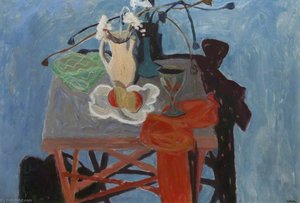
Florence
 Acrylic On Canvas
- WallArt
- Cubist Modernism
 1924
1924 66.0 x 91.0 cm
 Royal Scottish Academy of Art - Architecture
Sir William George Gillies’ "Florence" captures the vibrant Italian city with its iconic bridge and bustling scene. A stunning example of his artistic style, this painting showcases a beautiful representation of Florence's charm.
 Přečíst si více
W.G. Gillies byl skotský malíř známý svými lyrickými krajinami a detailními still life s vlivem kubismu a Paul Klee. Jeho díla odrážejí šarm Skotska a jsou klíčová pro vývoj moderní skotské umělecké scény.
Umělecké dílo zobrazené na této stránce je chráněno autorským zákonem, což znamená, že nemůžeme legálně vytvářet ani prodávat jeho identickou reprodukci. Tato ochrana je vymáhána na základě mezinárodních dohod, jako například Berberská úmluva a národními zákony, včetně těch stanovených v Americký autorský zákon – Díl 17. Všechna práva vyhrazena.
Tato metoda je plně v souladu s autorským právem, protože nezahrnuje kopírování ani duplikování chráněného díla. Jde o kreativní reinterpretaci – nový obraz, který je inspirován originálem, ale není s ním identický.
Giclée / Umělecký tisk
Giclée nebo plátěný tisk muzeální kvality s rychlou výrobou a širokou nabídkou povrchových úprav. ( Objednat ručně malovanou reprodukci Přepnout na digitální verzi obrazu)




P118B Kč10

P118H Kč10

P118W Kč10

P438Z Kč10

P508JH Kč12

P508YH Kč12

P805H Kč10

P805Z Kč10

P919BZ Kč10

P919G Kč10

P919XJ Kč10

P959ZH Kč10

P968JZ Kč12

W106C Kč8

W218G Kč10

W218JH Kč8

W218Y Kč10

W307PJ Kč10

W316G Kč10

W316PJ Kč8

W316Y Kč10

W398PJ Kč8

W4111J Kč10

W500HY Kč15

W500JH Kč15

W692G Kč12

W849H Kč8

W940BG Kč15

W953PJ Kč8




Standardní velikost
na zakázku
CM
INCH
Vyberte si z našich přednastavených velikostí, které odpovídají původním proporcím díla.
Loading sizes...

šířka
výška
Zadejte šířku a výšku, které potřebujete pro váš rám nebo stěnu. Tisk lze pouze oříznout, nikdy však nelze zvětšit obraz nad jeho původní rozměr, proto při výběru jiného formátu dochází ke ztrátě části obrazu. Před samotným tiskem vám zašleme digitální náhled k schválení. Obraz zobrazený na této stránce nenabízí skutečný výřez — ten uvidíte pouze v náhledu.
Celosvětové doručení () do 2 týdnů namísto standardních 4/5 týdnů. (24 říjen)

Zdarma celosvětová expresní doprava

Vysoce kvalitní lněné plátno

Úplné pojištění přepravy

Záruka vrácení celního poplatku

Záruka věrného barevného shodu

100dení lhůta pro vrácení zboží (pouze při vadách výroby)

100% garance vrácení peněz

Sleva při více objednávkách
 Skleněná varianta je dostupná pouze u rozměrů menších než 110 cm

Florence
Giclée / Umělecký tisk
Velikost reprodukce
-


Celková cena
Kč 1480
The Heart of Tuscany Captured: An Exploration of Gillies’ “Florence”
William George Gillies' "Florence," painted in 1924, isn’t merely a depiction of an Italian city; it’s a vibrant distillation of its spirit – a testament to the enduring beauty and bustling life of one of Europe’s most historically significant urban centers. This captivating canvas transports us directly to the heart of Tuscany, offering a glimpse into a world brimming with energy, commerce, and artistic resonance. The painting immediately draws the eye towards the graceful bridge that dominates the composition, its arched form acting as a visual anchor amidst the dynamic scene below. This isn’t a photographic representation; rather, Gillies employs a masterful blend of observation and imagination to create an atmosphere thick with movement and light.
Gillies, a key figure in the 1922 Group – a collective dedicated to promoting modern art in Scotland – was deeply influenced by both the Impressionists and the burgeoning Cubist movement. His early travels to Paris and Italy exposed him to these revolutionary styles, which he skillfully integrated into his own distinctive approach. “Florence” showcases this evolution; while retaining elements of traditional landscape painting, it’s imbued with a sense of fractured perspective and flattened planes reminiscent of Cubism, particularly in the treatment of the buildings lining the riverbank. The careful layering of color and brushstrokes creates an illusion of depth, inviting the viewer to lose themselves within the bustling cityscape.
A Symphony of Color and Light
The painting’s palette is remarkably rich and evocative. Gillies masterfully utilizes a range of warm ochres, deep blues, and vibrant reds to capture the essence of Florentine light. The sun, though not explicitly depicted, casts a golden glow across the scene, illuminating the reflections shimmering on the river's surface. Notice how he employs broken color – small dabs and strokes of contrasting hues – to suggest texture and form, particularly in the details of the buildings and boats. This technique adds a dynamic quality to the composition, preventing it from feeling static or overly formal.
- Dominant Colors: Warm ochres, deep blues, vibrant reds, and touches of green.
- Light & Shadow: Gillies expertly utilizes light and shadow to create a sense of depth and atmosphere.
- Brushwork: Loose, expressive brushstrokes contribute to the painting’s dynamic feel.
Symbolism and Historical Context
Beyond its aesthetic qualities, “Florence” is steeped in historical significance. The city itself represents a pivotal moment in Western civilization – the birthplace of the Renaissance, a period marked by an unprecedented flourishing of art, science, and culture. The bridge, a recurring motif in Gillies’ work, symbolizes connection and transition, linking the past with the present. The numerous boats navigating the river evoke the importance of trade and commerce to Florence's prosperity during this era. Furthermore, the painting subtly references the city’s architectural grandeur – the imposing buildings lining the riverbank are reminiscent of the palaces and churches that define Florence’s iconic skyline.
Painted in 1924, “Florence” reflects a period of renewed interest in classical art and culture following World War I. Gillies' work embodies a spirit of optimism and renewal, capturing the vibrant energy of a city poised to embrace the future while honoring its rich heritage. The painting’s enduring appeal lies not only in its technical brilliance but also in its ability to transport us back in time and evoke the timeless beauty of Florence.
Bringing “Florence” Home: A Reproduction for Your Space
TopImpressionists offers meticulously crafted, hand-painted reproductions of William George Gillies’ "Florence," ensuring that you can experience the full impact of this remarkable artwork within your own home. Our skilled artisans use traditional techniques and high-quality materials to faithfully recreate Gillies' unique style and color palette. Whether you are an art collector, a design enthusiast, or simply someone seeking to add a touch of timeless elegance to your space, our reproduction of “Florence” is the perfect choice. It’s more than just a print; it’s a window into the heart of Tuscany, capturing the spirit and beauty of one of the world's most beloved cities.
Otázky a odpovědi
V jakém věku vytvořil/a William George Gillies dílo „Florence"?
Když bylo dílo „Florence“ vytvořeno v roce 1924, měl/a William George Gillies – narozen/a 1898 – 26 let.
Která barva v díle "Florence" nejvíce vyniká?
Hlavní barvou díla „Florence“ od William George Gillies je Espresso (#513e27).
Kde mohu najít statistiky k dílu „Florence“ od William George Gillies?
Pro dílo „Florence“ existuje stránka Statistiky. Zobrazuje měsíční počet návštěv tohoto díla i dalších děl daného umělce s rozpadem podle zemí a jazyků.
Biografie umělce
Early Life and Education
Sir William George Gillies, narozený v Haddingtonu u Edinburghu v roce 1898, byl od dětství obklopen krásami skotské krajiny a tradicemi regionu. Jeho rané vzdělání probíhalo na Edinburgh College of Art, kde však jeho studium přerušila povinnost sloužit ve vojenstvě během První světové války s Královskými inženýry. Tato zkušenost, plná strachu a ztráty, hluboce ovlivnila jeho život i uměleckou tvorbu. Po válce se Gillies vrátil do Edinburghu a dokončil své studium na College of Art, kde později stal učitelem – funkci, kterou vykonával s oddaností po více než čtyřicet let. Jeho pedagogická činnost byla pro něj nejen zaměstnání, ale i způsob, jak předávat své znalosti a inspiraci dalším generacím umělců.Artistic Development and Influences
Gilliesův umělecký vývoj začal s experimentováním s kubismem po studiu u André Lhotého v Paříži (1923) a krátkodobém pobytu v Itálii (1924). Tato zkušenost ho seznámila s novými směry v umění, ale zároveň ho vedla k hledání vlastního, jedinečného stylu. Rané dílo, jako například “Two Pots, Saucer and Fruit” z roku 1933, ukazuje kubistický vliv, inspirovaný Cézannem a subtilními barvami Braque a Picassa. Klíčovým okamžikem v jeho uměleckém životě se stal rok 1934, kdy se setkal s pracemi Paula Kleeho. Kleeova imaginativnost a použití barev ho inspirovaly k tomu, aby ve svých dílech začal používat živější barvy a přiblížit se dětské fantazii. Postupně se Gillies odklonil od striktního kubismu a vyvinul si charakteristický styl, který byl silně ovlivněn skotskou krajinou a tradicemi still life malby.The 1922 Group and Collaborative Spirit
V roce 1922 se Gillies stal spoluzakladatelem skupiny “1922”, která sčítala další talentované umělce, jako byli William Crozier, William Geissler a William MacTaggart. Tato skupina, která působila v New Gallery v Edinburghu po dobu deseti let, poskytla platformu pro mladé skotské umělce k prezentaci své tvorby a vzájemné inspiraci. Skupina “1922” byla nejen společností pro umělce, ale i živoucím centrem inovací a experimentování v skotském uměleckém prostředí. Gilliesova účast v této skupině mu umožnila navázat kontakty s dalšími talentovanými umělci a sdílet své nápady a zkušenosti.Themes and Subject Matter
Gillies je především známý svými obrazy skotských krajin – Lothian, Fife a Borders. Jeho díla zachycují podmanivou krásu těchto regionů s citlivým okem a hlubokým porozuměním místnímu prostředí. Kromě krajin maloval i still life kompozice, často featuring keramiku vytvořenou jeho mladší sestrou, Emmou Smith Gillies, čímž se stala nedílnou součástí jeho tvorby. Její tragická smrt v roce 1936 hluboce zasáhla Gilliese a ovlivnila jeho umělecký přístup. Portrétování bylo další oblastí, kterou Gillies experimentoval, ale krajiny a still life se staly jeho hlavními tématy. Jeho díla jsou charakteristická živými barvami, jemnou kresbou a schopností zachytit atmosféru místa.Major Achievements and Recognition
Sir William George Gillies byl uznán za jednoho z nejvýznamnějších skotských umělců 20. století. Byl jmenován rytířem v roce 1970 a zvolen členem Královské akademie v roce 1964, což jsou významné ocenění pro jeho přínos k umění. Po ukončení své pedagogické činnosti v Edinburgh College of Art se Gillies věnoval tvorbě a vytvořil rozsáhlé portfolio svých děl. Jeho díla jsou vystavována v mnoha muzejích a galeriích po celé Skotsko i v zahraničí, včetně Tate ve Velké Británii, Ottawe v Kanadě a Peru.Historical Significance and Legacy
Gilliesova tvorba je důkazem jeho hlubokého spojení s místem a tradicemi. Jeho díla jsou nejen krásné, ale i plné emocí a osobního vyjádření. Gilliesův vliv se projevuje v mnoha skotských umělcích, kteří ho následovali a pokračovali ve jeho tradici. Dílo W.G. Gilliese je dodnes oslavováno za svou krásu, citlivost a trvalou relevanci. Jeho památka žije dál v dílech, která jsou důkazem jeho talentu a vášně pro umění.
William George Gillies
1898 - 1973 , Spojené království
Rychlé informace
- Artistic Movement Or Style: Kubismus, Skotská barva
- Artists Or Movements Influenced By This Artist: ['Skotská škola']
- Artists Who Influenced This Artist:
- André Lhote
- Paul Klee
- Cézanne
- Date Of Birth: 1898
- Date Of Death: 1973
- Full Name: Sir William George Gillies
- Nationality: Skotský
- Notable Artworks:
- Dvě poklice...
- Mořský výhled...
- Žlutá nádoba...
- Place Of Birth: Haddington, UK
Související články

Top 10 mistrovských děl Hudson River School: Krajina jako umělecký odkaz
Prozkoumejte 10 ikonických děl Hudson River School – Cole, Church, Bierstadt a další. Objevte romantismus v americké krajinomalbě a inspirujte se pro luxusní dekorace s TopImpressionists.com!

Romantická krajina v malbě: 10 mistrovských děl, které definovaly umělecký proud | TopImpressionists
Prozkoumejte 10 ikonických děl romantické krajinářské malby! Objevte příběhy Caspara Davida Friedricha, Turnera a dalších mistrů. Reprodukce obrazů nejvyšší kvality pro váš interiér na TopImpressionists.com.

John Constable: 25 mistrovských děl krajinářské poezie | TopImpressionists.com
Prozkoumejte 25 ikonických děl Johna Constabla, mistra anglického krajinářství a romantismu. Obdivujte jeho olejomalby, plátna s venkovskou atmosférou a inspirujte se pro dekoraci interiéru. Reprodukce obrazů nejvyšší kvality na TopImpressionists.com

Evocations of Place: A Historical Journey Through Landscape Art
Explore the rich history of landscape art with TopImpressionists. Discover renowned artists, movements like Impressionism & tonalism, and expert guidance for collecting timeless pieces. Find your perfect serene escape today!

Evocations of Place: A Historical Journey Through Landscape Art
Explore the rich history of landscape art with TopImpressionists. Discover renowned artists, movements like Impressionism & Romanticism, and expert guidance for collecting timeless pieces. Find your perfect serene escape today!
Prozkoumejte umělecká díla uspořádaná podle témat, stylů a charakteristik.