


 Zobrazit v interiéru
 Odeslat
 Sdílet
 Podrobnosti
 Průvodce

 Stáhnout obrázek
 Podobné kousky
 Rentgenové snímky
 Slideshow
 Statistiky
Hawking
 Acrylic On Canvas
- WallArt
 1902
1902- 19th Century
 120.0 x 104.0 cm
 National Trust
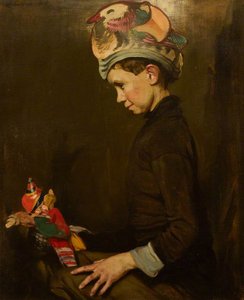
Sir William Nicholson's 'Hawking' (1902) depicts a young boy with a bird, alongside dogs and a horse – a poignant portrait reflecting early 20th-century life.
 Přečíst si více
"meta_description": "Sir William Nicholson (1872-1949) byl britský malíř a grafický umělec známý svými výraznými portréty, elegantními krajinami a inovativními dřetěvy. Jeho spolupráce s Jamesem Prydem (Beggarstaffs) ovlivnila moderní grafiku."
Giclée / Umělecký tisk
Giclée nebo plátěný tisk muzeální kvality s rychlou výrobou a širokou nabídkou povrchových úprav. ( Objednat ručně malovanou reprodukci Přepnout na digitální verzi obrazu)




P118B Kč10

P118H Kč10

P118W Kč10

P438Z Kč10

P508JH Kč12

P508YH Kč12

P805H Kč10

P805Z Kč10

P919BZ Kč10

P919G Kč10

P919XJ Kč10

P959ZH Kč10

P968JZ Kč12

W106C Kč8

W218G Kč10

W218JH Kč8

W218Y Kč10

W307PJ Kč10

W316G Kč10

W316PJ Kč8

W316Y Kč10

W398PJ Kč8

W4111J Kč10

W500HY Kč15

W500JH Kč15

W692G Kč12

W849H Kč8

W940BG Kč15

W953PJ Kč8




Standardní velikost
na zakázku
CM
INCH
Vyberte si z našich přednastavených velikostí, které odpovídají původním proporcím díla.
Loading sizes...

šířka
výška
Zadejte šířku a výšku, které potřebujete pro váš rám nebo stěnu. Tisk lze pouze oříznout, nikdy však nelze zvětšit obraz nad jeho původní rozměr, proto při výběru jiného formátu dochází ke ztrátě části obrazu. Před samotným tiskem vám zašleme digitální náhled k schválení. Obraz zobrazený na této stránce nenabízí skutečný výřez — ten uvidíte pouze v náhledu.
Celosvětové doručení () do 2 týdnů namísto standardních 4/5 týdnů. (24 říjen)

Zdarma celosvětová expresní doprava

Vysoce kvalitní lněné plátno

Úplné pojištění přepravy

Záruka vrácení celního poplatku

Záruka věrného barevného shodu

100dení lhůta pro vrácení zboží (pouze při vadách výroby)

100% garance vrácení peněz

Sleva při více objednávkách
 Skleněná varianta je dostupná pouze u rozměrů menších než 110 cm

Hawking
Giclée / Umělecký tisk
Velikost reprodukce
-


Celková cena
Kč 1474
The Enigmatic Figure of Hawking
William Nicholson’s “Hawking,” painted in 1902, isn't merely a portrait; it’s a carefully constructed tableau of Victorian sensibilities layered with subtle anxieties and burgeoning modernity. The subject, a young boy holding a bird on his arm while accompanied by two dogs, immediately evokes a sense of domesticity—a scene seemingly plucked from the heart of Edwardian England. Yet, closer inspection reveals a complex interplay of elements that hint at deeper currents beneath the surface of this carefully arranged image. The boy’s posture is slightly awkward, his gaze averted, suggesting a quiet introspection or perhaps a touch of unease. The bird he cradles, likely a finch, symbolizes freedom and innocence, but its presence within the confines of the scene introduces an element of fragility and vulnerability.
A Collaboration Born of Artistic Vision
“Hawking” was a product of a remarkable artistic partnership between Nicholson and James Pryde, known collectively as the Beggarstaffs. This duo revolutionized illustration in the late 19th and early 20th centuries by employing a distinctive style characterized by bold lines, flattened perspectives, and a deliberately unpolished aesthetic. Their work rejected the fussy detail of academic portraiture, opting instead for a more immediate and dynamic approach. Nicholson’s contribution to this project was crucial; he brought a sophisticated understanding of composition and characterization, while Pryde provided the technical expertise in woodcut and lithography. The Beggarstaffs' style reflected a shift away from traditional illustration towards a more journalistic and evocative form of visual storytelling.
The Victorian Context: Restraint and Subversion
To fully appreciate “Hawking,” it’s essential to understand the broader context of Victorian England. The era was marked by strict social conventions, rigid moral codes, and a profound sense of propriety. Yet, beneath this veneer of respectability lay currents of change—industrialization, urbanization, and growing anxieties about modernity. Nicholson subtly captures these tensions within his painting. The dogs, symbols of loyalty and domesticity, are juxtaposed with the boy’s withdrawn demeanor, hinting at a disconnect between traditional values and emerging individualistic sensibilities. The inclusion of the bird, representing freedom, further underscores this subtle subversion of Victorian norms.
Symbolism and Emotional Resonance
Beyond its stylistic merits, “Hawking” is rich in symbolic meaning. The boy’s posture suggests a sense of isolation or perhaps a questioning of authority—a common theme in the literature of the period. The bird, as mentioned earlier, represents innocence and vulnerability, while the dogs embody loyalty and companionship. The overall composition creates a feeling of quiet contemplation, inviting the viewer to ponder the complexities of human relationships and the challenges of navigating a rapidly changing world. Nicholson’s masterful use of light and shadow further enhances the painting's emotional impact, creating a sense of depth and atmosphere that draws the eye inward.
A Legacy of Artistic Innovation
Sir William Nicholson’s “Hawking” stands as a testament to his artistic versatility and his ability to capture the spirit of his time. It is a remarkable example of Beggarstaff illustration, blending technical skill with evocative storytelling. Reproductions of this painting offer a captivating glimpse into Victorian England—a world of restrained elegance, hidden anxieties, and burgeoning modernity. Its enduring appeal lies in its ability to resonate with viewers on multiple levels, inviting them to contemplate the complexities of human experience and the timeless themes that continue to shape our understanding of ourselves and the world around us.
Otázky a odpovědi
Z jaké éry pochází "Hawking"?
Historické období díla „Hawking“ od William Nicholson je 19th Century. Tato klasifikace dílo zasaduje do kontextu dějin umění.
Působí barvy díla "Hawking" výrazně, nebo jemně?
„Hawking“ od William Nicholson vykazuje Balanced intenzitu barev.
Jakou převládající barvu má dílo „Hawking“ od William Nicholson?
Barvou, která v díle „Hawking“ nejvíce vyniká, je Walnut (#603d06). Dominantní barva je užitečná při sladění uměleckého díla s interiérem.
Související díla


Biografie umělce
Early Life and Artistic Beginnings
Sir William Newzam Prior Nicholson, narozený 5. února 1872 v Newark-on-Trentu v Nottinghamshiru, pocházel z prostředí, které kombinovalo průmyslovou pragmatičnost s uměleckým citem. Jeho otec, úspěšný inženýr a konzervativní poslanec, vnutil disciplínu, zatímco jeho matka ho spojovala s estetickými tradicemi Oxfordshire. Od raného dětství projevoval Nicholsonův talent pro umění, který byl podpořen lekcemi od Williama Cubleye, místního malíře, který sám sledoval své umělecké kořeny od Sir Joshuaho Rejse. Tato raná expozice položila základy kariéry, která se rozprostírala přes různé médium a styly. Krátký pobyt na umělecké škole Hubert von Herkomera přinesl nejen zlepšení jeho dovedností, ale také ho představil Mabel Prydeové, která se stala jeho manželkou a klíčovou spolupracovnicí v jeho rozvíjející se uměleckém putování. Prostřednictvím Mabel se setkal s jejím bratrem, Jamesem Prydem, partnerství, které brzy změnilo svět grafického designu.The Beggarstaffs and a Revolution in Poster Art
Partnerství mezi Williamem Nicholsonem a Jamesem Prydem, známým jako „J. & W. Beggarstaff“, znamenalo obrat v britské vizuální kultuře. Odmítli opulentní estetiku plakátů z dob Viktorie a přijali odvážnou jednoduchost charakterizovanou působivými siluetami, plochými vrstvami barev a záměrným odmítnutím tradiční perspektivy. Jejich návrhy nebyl jen reklama; byly to prohlášení – mocné, grafické kompozice, které uchytily fantazii veřejnosti. Plakáty pro produkce jako Don Quixote a publikace jako Harper’s Magazine se okamžitě staly rozpoznatelné, ovlivnily celou generaci umělců a designérů. Tento období nebyla jen o reklamním umění; bylo to o přehodnocení vizuální komunikace sama o sobě. Práce Beggarstaffs podkopávala konvence a vytyčila cestu pro moderní grafický design, čímž si Nicholson zapsal jméno inovátora. Jejich dopad se roznesl daleko za hranice plakátů, ovlivnil ilustraci i malířství díky důrazu na silnou formu a záměrné kompozici.From Woodcuts to Portraits: A Developing Style
Po rozpadu partnerství Beggarstaffs Nicholson začal období stylistické explorace. Zaměřil se na dřetěnský a dřovotisk, techniky, které mu umožnily dále zdokonalit jeho mistrovství v linii a formě. Podněcoval ho vlivný James Abbott McNeill Whistler, aby se jim věnoval, produkce složitých a sugestivních tisků, které ukazují jeho rostoucí uměleckou zralost. Tyto díla demonstrovaly mimořádnou schopnost zachytit esenci s minimálním detailem, vlastností, která se stala charakteristickou pro jeho styl. Současně Nicholson začal budovat svou pověst portrétního malíře a získával objednávky od významných osobností doby. Jeho portréty nebyl jen zobrazení; byly to vhledné studie o charakteru, odhalující vnitřní životy svých subjektů prostřednictvím jemných nuancí výrazu a postoje. Díla jako *Lady in Furs, Mme. P.* ilustrují tuto dovednost, zachycují nejen fyzický vzhled, ale i pocit osobnosti a společenského postavení.Still Life, Landscape, and Lasting Legacy
Pozdější fáze Nicholsonovy kariéry se stále více soustředila na malbu krajin a still life. Jeho still life jsou oslavovány pro svou mimořádnou pozornost k detailu, harmonické barevné palety a klidný pocit intimity. Vdechoval obyčejným předmětům poezii, zvedal je nad pouhou reprezentaci na symboly krásy a kontemplace. Jeho krajiny, často zobrazující scény ze svých cest v Španělsku a Itálii, zachycují podstatu místa s pozoruhodnou dovedností. Celkově Nicholson zůstal rozmanitým umělcem, neustále experimentoval s novými technikami a přístupy. Zapisoval si dětské knihy, navrhoval divadelní kulisy a pokračoval v produkci tisku vedle obrazů. Sir William Nicholsonův vliv se rozprostírá za hranice jeho vlastní plodné tvorby; inspiroval generace umělců svým závazkem k řemeslu, inovativním myšlením a schopností nalézat krásu v obyčejném. Jeho dílo je svědectvím o síle umění osvětlovat lidský zážitek a měnit naše vnímání světa kolem nás. *Umřel roku 1949* a zanechal bohatou uměleckou tradici, která stále okouzluje a inspiruje.
William Nicholson
1872 - 1949 , Spojené království
Rychlé informace
- Artistic Movement Or Style: Still life, portrét
- Artists Or Movements Influenced By This Artist: ['Beggarstaffs']
- Artists Who Influenced This Artist:
- Whistler
- Pryde
- Date Of Birth: 5. února 1872
- Date Of Death: 16. května 1949
- Full Name: Sir William Newzam Prior Nicholson
- Nationality: Britský
- Notable Artworks:
- Lady in Furs
- Lowestoft Bowl
- Place Of Birth: Newark, Spojené Království
Související články

Christopher Williams: Deconstructing Representation & Materiality in Contemporary Art
Explore the groundbreaking work of Christopher Williams, a pivotal figure in contemporary art. This analysis delves into his deconstruction of representation, materiality, and institutional critique – essential reading for serious collectors.

Ben Nicholson OM: Modernism's Abstract Pioneer & the Poetics of Relief
Explore the revolutionary abstract art of Ben Nicholson OM. Discover his geometric masterpieces, collaborations with Barbara Hepworth & investment potential. Expert insights for collectors.

Sir William Nicholson: A Study in Post-Impressionist Portraiture & Decorative Modernism
Explore the life & work of Sir William Nicholson, a pivotal British Post-Impressionist painter. Discover his striking portraits, innovative woodcuts, and lasting influence on early 20th-century art. Expert insights for collectors.

Penry Williams: Evoking Welsh Nostalgia Through Impressionistic Landscapes
Explore the captivating world of Penry Williams (1802-1885), a Welsh artist renowned for his evocative Impressionistic landscapes and scenes of Italy. Discover his life, style & legacy with TopImpressionists.

Feathered Visions: A Historical & Artistic Exploration of Birds in Painting
Explore the rich history of birds in painting! Discover symbolism, artistic movements & master artists like Audubon. High-quality reproductions available at TopImpressionists.
Prozkoumejte umělecká díla uspořádaná podle témat, stylů a charakteristik.
