

![Self Portrait With Pipe [sketch] — Théo Van Rysselberghe](/media/artworks/images-full/9e/7b/9e7bce3a3cf712911704726cb84ae06e.jpg)
 Zobrazit v interiéru
 Odeslat
 Sdílet
 Podrobnosti
 Průvodce

 Stáhnout obrázek
 Podobné kousky
 Rentgenové snímky
 Slideshow
 Statistiky
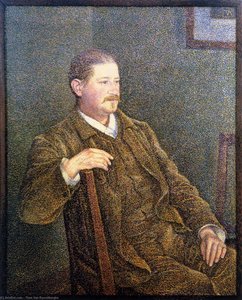
Self Portrait with Pipe [sketch]


Explore Théo van Rysselberghe's evocative Self Portrait with Pipe (1880), a seminal Neo-Impressionist masterpiece capturing light and introspection—a cornerstone of Belgian art history.
 Přečíst si více
Théo van Rysselberghe: Belgický malíř, průkopník neo-impressionismu s fascinujícími obrazy z Moroka a portréty plnými života. Objevte jeho světla a barvy!
Ručně malovaná olejová reprodukce
Ručně malované olejné plátno v libovolném rozměru i s rámem, vyrobené našimi umělci na zakázku. ( Přepnout na tiskové verze Přepnout na digitální verzi obrazu)




P118B $10

P118H $10

P118W $10

P438Z $10

P508JH $12

P508YH $12

P805H $10

P805Z $10

P919BZ $10

P919G $10

P919XJ $10

P959ZH $10

P968JZ $12

W106C $8

W218G $10

W218JH $8

W218Y $10

W307PJ $10

W316G $10

W316PJ $8

W316Y $10

W398PJ $8

W4111J $10

W500HY $15

W500JH $15

W692G $12

W849H $8

W940BG $15

W953PJ $8




Standardní velikost
na zakázku
CM
INCH
Vyberte si z našich přednastavených velikostí, které odpovídají původním proporcím díla.
Loading sizes...

šířka
výška
Můžete zadat vlastní rozměry pro konkrétní rám nebo prostor. Pokud se vámi vybraná velikost neshoduje s proporcemi původního obrazu, dílo buď ořízneme, nebo jej doplníme ručně malovanými prvky. Před zahájením výroby vám bude zaslán digitální náhled ke schválení.
Upozorňujeme, že náhled na obrazovce neodpovídá skutečnému ořezu ani rozšíření. Pouze digitální náhled přesně zobrazí finální kompozici.
Ačkoliv je možné zvolit vlastní velikost, pro zachování původních proporcí doporučujeme vybrat rozměr z předdefinovaného seznamu.
Příklady možných změn: nahrazení obličeje vlastní fotografií; přidání domácího mazlíčka (např. nahrazení kočky psem); vložení skrytého vzkazu do pozadí; změna krajiny nebo prvků v pozadí.
Po přijetí objednávky vám tým TopImpressionists.com zašle e-mail s pokyny a poskytne náhledovou verzi.
Po přijetí objednávky vám tým TopImpressionists.com zašle e-mail s pokyny a poskytne náhledovou verzi.
Celosvětová doprava () za 3–4 týdny namísto standardních 5 týdnů. (23 září). Bez kompromisů v kvalitě.

Zdarma celosvětová expresní doprava

Vysoce kvalitní lněné plátno

Úplné pojištění přepravy

Záruka vrácení celního poplatku

Záruka věrného barevného shodu

100dení lhůta pro vrácení zboží (pouze při vadách výroby)

100% garance vrácení peněz

Sleva při více objednávkách
 Skleněná varianta je dostupná pouze u rozměrů menších než 110 cm

Self Portrait with Pipe [sketch]
Technika provedení
Velikost reprodukce
-


Celková cena
$ 269
A Quiet Contemplation Captured in Light
In the intimate stillness of 1880, Theo van Rysselberghe captured more than just his own likeness; he captured a moment of profound psychological depth. In his Self Portrait with Pipe [sketch], the artist presents us with an earnest, unblinking gaze that bridges the gap between the canvas and the observer. Seated indoors, the subject is enveloped in an atmosphere of quiet introspection, where every detail—from the subtle texture of his attire to the steady presence of his pipe—serves to deepen the narrative of a man lost in thought. This is not merely a study of a face, but an invitation into the artist's inner sanctum, offering a window into the contemplative soul that would later define much of the Neo-Impressionist movement.
The technical mastery displayed in this early work hints at the revolutionary path van Rysselberghe was destined to tread. While his later fame rests upon the scientific precision of pointillism, this piece showcases a remarkable command of oil on canvas and a burgeoning sensitivity to light. The artist utilizes a meticulous approach reminiscent of the cloisonné technique, applying layers that create a rich, textural landscape of shadow and luminosity. Through a subdued palette, he achieves a sense of serene melancholy, using harmonious tones to build a composition that feels both physically grounded and spiritually ethereal. For the discerning collector or interior designer, this painting offers a sophisticated anchor for any space, providing a focal point that commands attention through subtlety rather than spectacle.
Symbolism and the Spirit of an Era
Beyond the visual surface, the artwork is steeped in the intellectual currents of late 19th-century Belgium. The inclusion of the pipe is far from incidental; it acts as a potent symbol of philosophical engagement, solitude, and the slow, deliberate passage of time. It represents the intellectual pursuit that characterized the era's burgeoning interest in psychology and self-awareness. As the viewer meets the artist's direct gaze, the pipe becomes a companion in thought, suggesting that the act of looking is itself an act of deep reflection.
Historically, this work emerges from a period of intense artistic experimentation. As van Rysselberghe moved away from the fleeting impressions of his predecessors toward a more structured exploration of color theory, this sketch stands as a vital precursor to his mature style. It embodies the tension between traditional realism and the scientific advancements in optical research that were beginning to reshape the art world. To possess a reproduction of this piece is to hold a fragment of art history—a moment where the weight of tradition meets the dawn of modern perception, making it an exquisite addition to any curated collection seeking both historical gravity and timeless emotional resonance.
Související díla



Biografie umělce
Théo van Rysselberghe: A Pioneer of Light and Color
Théophile “Théo” van Rysselberghe, narozený v Ghentu, Belgii, v roce 1862, se stal klíčovou postavou přechodného období mezi impresionismem a neo-impresionismem. Jeho cesta nebyla okamžitým stylistickým přesvědčením, ale spíše vyvíjející se zkoumáním inspirovaným cestami, intelektuálním výměnem a neústupným úsilím o zachycení podstaty světla. Pocházel z pohodlné francouzsky mluvící buržoazní rodiny a jeho raná umělecká vzdělání získal v Akademii v Ghentu pod vedením Theodora Canneela, následované studiem na prestižní Académie Royale des Beaux-Arts v Bruselu. Tyto formativní roky v něm zanechaly základ spojený s tradičním realismem, jak je patrný v raných dílech, jako je *Sebevysílání s pipe* (1880), charakterizovaný temnými tóny a precizním zpracováním – odraz belgického uměleckého klimatu. Přesto i v těchto raných dílech začaly objevovat se náznaky rostoucí citlivosti k světlu a barvě, předznamenávající jeho budoucí styl. Klíčový díl z tohoto období, *Dítě v otevřeném místě lesa* (1880), znamenal jemný odklon, naznačující světlší paletu a volnější štětcování – to, co by definovalo jeho pozdější styl.Moroccan Impressions and the Birth of Les XX
Transformativou kapitolu představila van Rysselbergheho cesta do Maroka mezi lety 1882 a 1888. Tyto prodloužené pobyty ho ponořily do světa živých barev, intenzivního slunce a exotických krajin – kontrastujícího s tlumenými tóny jeho rané práce. Malby jako *Arabský obchodník* (1882), *Arabské dítě* (1882) a *Strážce odpočívající* (1883) demonstrují rostoucí fascinaci zachycováním efektů světla na tvar, posouvající se tak z přísného realismu směrem k impresionistickému citlivosti. Marocká zkušenost nebyla jen vizuálním pozorováním; byla to ponoření do jiné kultury, která rozšířila jeho umělecké obzory a navždy zanechala v něm lásku k cestování. Po návratu do Bruselu se van Rysselberghe stal hnacím motorem belgického uměleckého prostředí, kde spoluzaložil v roce 1883 vlivnou skupinu *Les XX* (The Twenty) s Octavem Mausem a Émilem Verhaerenem. Tato kolektivní platforma sloužila k prezentaci avantgardního umění, zaváděla nové trendy jako impresionismus a symbolismus belgickému publiku, které je s těmito inovacemi dosud nebylo obeznámeno. *Arabský fantazie* (1884), velkoformální exotická malba, se stala jeho nejvýznamnějším dílem z této doby, demonstrující jeho mistrovství v zachycení světla a kompozice.Embracing Neo-Impressionism: A Scientific Approach to Color
Skutečný obrat ve van Rysselbergheho uměleckém vývoji nastal při setkání s dílem George Seoura *Nedělní odpoledne na ostrově La Grande Jatte* (1884–86) v roce 1886 v osmém impresionistickém výstavě v Paříži. Zpočátku byl skeptický k Seurově pečlivé "bodkované" technice – systematickému aplikování malých, čistých barevných bodů – a postupně se začal oceňovat její vědecký základ a potenciál pro dosažení luminózních efektů. Začal experimentovat s divisionismem, neo-impresionistickou metodou rozdělení barev na jejich složité části a umožnění oku, aby je opticky smíchalo. Nešlo jen o technický posun; představovalo to fundamentální změnu v jeho přístupu k malbě – posun směrem k analytickému a objektivnímu zobrazení světla a barvy. S blízce seznámil s ostatními neo-impresionisty, jako byl Paul Signac, cestoval s ním po francouzské riviéře a vyměňoval si myšlenky o technice a teorii. Van Rysselberghe se odlišoval v rámci tohoto hnutí tím, že aplikoval bodkování nejen na krajiny, ale i na portréty, vytvářel tak působivé a psychologicky uvěřitelné podobnosti svých rodinných příslušníků a blízkých přátel – díla jako *Madame Charles Maus* (1890) jsou toho důkazem.Beyond Pointillism: A Lasting Legacy
Ačkoli byl hluboce zavázán k neo-impresionismu po značnou dobu, van Rysselberghe v pozdních 90 letech se postupně přesunul za jeho přísné zásady. Hledal větší svobodu ve svých štětcování a kompozicích. Pokračoval v práci v různých médiích, včetně návrhu nábytku, ilustrace knih a dekorativního umění. Jeho vliv se rozprostřel daleko za hranice Belgie a ovlivnil umělce jako Piet Mondrian a Jan Toorop, kteří našli inspiraci ve využití barvy a světla. Van Rysselbergheho dědictví nespočívá pouze v jeho krásných malbách, ale také v jeho roli katalyzátoru uměleckých změn – šampiona moderny, který zaváděl nové myšlenky a techniky do belgického uměleckého prostředí. Jeho díla jsou nyní uchována v předních muzejních sbírkách po celém světě, včetně Musée du Luxembourg v Paříži a Museum voor Schone Kunsten v Gentu, zajišťující, že jeho přínos historii umění bude oslavován a oceňován generacemi. *Jeho oddanost prozkoumávání interakce světla, barvy a tvaru zaručila jeho místo jako pravého průkopníka moderní malby.*
Théo van Rysselberghe
1862 - 1926 , Belgie
Rychlé informace
- Artistic Movement Or Style: Neo-Impressionismus
- Artists Or Movements Influenced By This Artist:
- Les XX
- Piet Mondrian
- Jan Toorop
- Artists Who Influenced This Artist:
- Jean-François Portaels
- Georges Seurat
- Paul Signac
- Date Of Birth: 23.11.1862
- Date Of Death: 13.12.1926
- Full Name: Théophile van Rysselberghe
- Nationality: Belgian
- Notable Artworks:
- Arabian Phantasia
- Spanish Woman
- Sevillan Woman
- Place Of Birth: Gent, Belgie
Související články

Timeless Impressionism: Bringing the Soul of Monet and Van Gogh into Your Cultural Space
Discover the soul of Impressionism. Explore how the luminous light of Monet and the emotional depth of Van Gogh can transform your home with premium, hand-painted oil reproductions designed for the discerning art lover.

Capturing the Light: A Journey Through the Ethereal Magic of Impressionism and Post-Impressionism
Embark on a cultural journey through the luminous world of Impressionism. Discover the profound beauty of Monet, Van Gogh, and Cézanne through expert art history insights and explore how to bring these timeless masterpieces into your home with museum-quality hand-painted reproductions.
Prozkoumejte umělecká díla uspořádaná podle témat, stylů a charakteristik.

