

Shown: · With its frame:
 Náhled v interiéru
 Sdílet
 Sdílet
 Podrobnosti o díle
 Průvodce

 Stáhnout
 Podobné položky
 Rentgenové snímky
 Slideshow
 Q&A
Q&A Statistiky
- 280.0 x 21.0 cm


Kč 6388
Ručně malovaná olejová reprodukce
Rukou malované olejné plátno v libovolném rozměru i s rámem, vyrobené našimi umělci na zakázku. ( Přepnout na tisk Přepnout na digitální obraz)
Size
·Standardní velikost
na zakázku
CM
INCH
Vyberte si z našich přednastavených velikostí, které odpovídají původním proporcím díla.
Loading sizes...

šířka
výška
Zadejte šířku a výšku, které potřebujete pro váš rám nebo stěnu. Protože se jedná o ruční malbu, při výběru jiného formátu může umělec kolem obrazu domalovat o něco více, nebo jej mírně oříznout — rozhodnete si vy. Před zahájením malby vám zašleme digitální náhled ke schválení. Obraz zobrazený na této stránce neodpovídá skutečnému výsledku — pouze digitální náhled jej zobrazuje.
 Více informací
Finish
·
White Kč1

Blurside Kč1

Extended Kč1

P118B Kč10

P118H Kč10

P118W Kč10

P438Z Kč10

P508JH Kč12

P508YH Kč12

P805H Kč10

P805Z Kč10

P919BZ Kč10

P919G Kč10

P919XJ Kč10

P959ZH Kč10

P968JZ Kč12

W106C Kč8

W218G Kč10

W218JH Kč8

W218Y Kč10

W307PJ Kč10

W316G Kč10

W316PJ Kč8

W316Y Kč10

W398PJ Kč8

W4111J Kč10

W500HY Kč15

W500JH Kč15

W692G Kč12

W849H Kč8

W940BG Kč15

W953PJ Kč8

H24-GOLD Kč30

H24-SILVER Kč30

H36-GOLD Kč45

H36-SILVER Kč45
Shipped in a protective tube, ready for your own framer.
Above 105 cm the frame is shipped as a kit for a professional framer — read the details.
Extras
optionalWhat do the extras include?
Examples of what can be changed: Replace face with customer photo; Add pet (e.g., replace cat with dog); Include hidden message in background; Change background landscape or elements.
After order, TopImpressionists.com team will email client for instructions and provide a mockup preview
After order, TopImpressionists.com team will email client for instructions and provide a mockup preview
Celosvětová doprava () za 3–4 týdny namísto standardních 5 týdnů. (1 listopad). Bez kompromisů v kvalitě.
Ochranný lak
Popisek díla
Detaily ryté bronzové plakety
This elegant plaque features the artist's name and the title of the artwork, finely engraved for a timeless presentation.
It is made from bronze with a refined, elegant finish. The text is precisely laser-engraved for a sharp and permanent result. Measuring 9x2 cm, the plaque is compact yet easy to read. It's built to be durable and scratch-resistant, offering a professional, museum-quality look. Mounting is simple thanks to the included adhesive backing.
Detaily průhledné akrylové desky
The plaque includes essential engraved details such as the artist's name, the title of the artwork, the date it was created, the type of media used-like oil on canvas or watercolor-a brief description of the piece, and a QR code that links to the complete artwork information.
It is crafted from clear acrylic, offering a sleek, modern appearance. The text is UV-engraved in black to ensure strong visual contrast. With a size of 10x15 cm, it ensures optimal readability. It comes equipped with two metal hooks for secure wall mounting. The plaque is designed to be weather-resistant, making it suitable for various environments, and it includes interactive features that work seamlessly with smartphone scanning.
Detaily černé akrylové destičky
This elegant plaque includes engraved information such as the artist's name, the title of the artwork, the date it was created, the type of media used (like oil on canvas or watercolor), a short description of the artwork, and a QR code for quick access to more information.
The plaque itself is made from refined black acrylic with a premium finish. The text is laser-engraved in white for high contrast and readability. Its size is 10x15 cm, designed to be easy to read. It comes with two metal hooks for professional mounting. The design is sleek and fits any interior style. It is also weather-resistant and durable, with built-in digital integration for mobile compatibility.
Skleněná varianta je dostupná pouze u rozměrů menších než 110 cm
 Skleněná varianta je dostupná pouze u rozměrů menších než 110 cm
- Zdarma celosvětová expresní doprava
- Vysoce kvalitní lněné plátno
- Kompletní pojištění přepravy
- Záruka vrácení celního poplatku
- Záruka věrného barevného souladu
- 100dení lhůta pro vrácení zboží (pouze při vadách výroby)
- 100% záruka vrácení peněz
- Sleva při více objednávkách


Popis sbírného předmětu
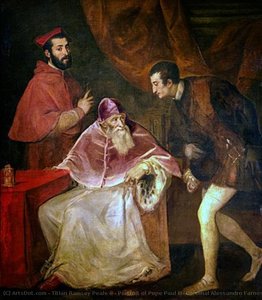
Discover Titian’s "The Annunciation" (1557), a Baroque masterpiece! Explore its dramatic lighting, dynamic composition & rich colors of this Venetian painting.
Biografie umělce
Objevte Titiana Ramsay Pealea II (1799-1885), amerického umělce & přírodovědce kombinujícího estetiku Vysoké renesance s vědeckým pozorováním. Jeho nádherné krajinky a dědictví zůstávají fascinující!
About the painting
The Annunciation: A Baroque Dialogue of Grace and Revelation
Titian Ramsay Peale II’s “The Annunciation,” painted in 1557, is more than just a depiction of a pivotal biblical moment; it's a carefully constructed tableau brimming with the emotional intensity and dramatic lighting characteristic of late Renaissance – specifically, Baroque – art. This masterful work transports us to a space both sacred and subtly unsettling, inviting contemplation on themes of divine grace, human humility, and the profound mystery at the heart of faith. Peale’s interpretation diverges from purely literal representation, opting instead for a heightened emotionalism that resonates powerfully with viewers centuries later.
The scene unfolds within an undefined, almost dreamlike space – a dark void punctuated by subtle architectural elements suggesting a modest dwelling. The focus immediately draws the eye to the kneeling woman, Mary, rendered in exquisite detail. Her posture conveys both vulnerability and profound absorption; her hands clasped together, her gaze fixed upward with an expression of awe and gentle surprise. This isn’t merely a passive recipient of divine news but a figure actively engaged in a momentous encounter. The artist skillfully uses light to sculpt her form, highlighting the delicate contours of her face and emphasizing the weight of this revelation.
A Symphony of Color and Movement
Peale's palette is dominated by rich browns, deep golds, and muted reds – colors that evoke a sense of solemnity and reverence. These warm tones are juxtaposed with cooler blues and purples in the swirling clouds above, creating a dynamic interplay between earthly humility and celestial splendor. The drapery, particularly the voluminous robes of the angel, is rendered with meticulous attention to detail, utilizing layered impasto – thick applications of paint that create a tactile, almost sculptural effect. This technique not only adds depth and texture but also contributes to the overall sense of drama and movement within the composition.
The use of curved lines—particularly in the flowing drapery and the wings of the angel—is paramount to the painting’s dynamic feel. These lines guide the viewer's eye through the scene, creating a sense of continuous motion and upward aspiration. The positioning of the ascending cherubs further reinforces this feeling of ascension, symbolizing the divine presence reaching down to earth. The pyramidal composition, anchored by Mary’s kneeling form and culminating in the angel and celestial elements, provides stability while simultaneously directing the eye upwards towards the heavens.
Symbolism and Artistic Echoes
“The Annunciation” is rich in symbolic meaning. The angel, rendered with powerful wings and a commanding presence, represents divine grace and the messenger of God’s will. Mary's posture embodies humility and receptivity – she is not demanding answers but humbly accepting the extraordinary news. The architectural details, though subtly suggested, hint at the familiar setting of Nazareth, grounding the miraculous event in a tangible reality. The painting draws heavily on the artistic traditions of the High Renaissance, particularly the works of Raphael and Leonardo da Vinci, yet Peale imbues it with a distinctly Baroque sensibility – a heightened emotionalism, dramatic lighting, and an emphasis on movement and dynamism.
Furthermore, it’s important to consider Peale's lineage. As the son of Charles Willson Peale, a pivotal figure in early American art and founder of the first museum, Titian Ramsay Peale II inherited a legacy of scientific observation and artistic exploration. This influence is evident in his meticulous detail and his commitment to capturing both the beauty and the complexity of the natural world – as seen in his extensive wildlife paintings. “The Annunciation” thus represents a fascinating synthesis of High Renaissance ideals with New World sensibilities, creating an artwork that is both timelessly beautiful and deeply rooted in its historical context. It’s a powerful testament to the enduring appeal of religious iconography and the artist's ability to translate profound spiritual themes into visually arresting form.
Otázky a odpovědi
Jak se v díle „The Annunciation“ od Titian Ramsay Peale II propojují umělecký směr a doba?
Dílo „The Annunciation“ od Titian Ramsay Peale II patří k享有 směrům Baroque, které charakterizovaly éru – 19. století svého autora.
Jaké umístění se hodí k formátu díla „The Annunciation“ od Titian Ramsay Peale II?
Formát (Portrait) a doporučený prostor (Living Room) jsou dvě informace o umístění uvedené pro dílo „The Annunciation“ od Titian Ramsay Peale II.
Mohu si před koupí prohlédnout „The Annunciation“ od Titian Ramsay Peale II na své vlastní stěně?
Dílo „The Annunciation“ nabízí náhled v rozšířené realitě: na stránce Náhled v rozšířené realitě si jej můžete prohlédnout ve vlastním prostoru pomocí kompatibilního zařízení.
Quick facts and art quiz
About Titian Ramsay Peale II

Titian Ramsay Peale II
1799 - 1885, USA
Biografie umělce
Zrození renesanční ozvěny v Novém světě
Titian Ramsay Peale II, umělec často přehlížený v dějinách amerického umění 19. století, zaujímá jedinečné místo na výsluní. Narodil se ve Philadelphii roku 1799 a vyrůstal v silně umělecké rodině – byl nejmladším synem Charlese Willsona Pealea, klíčové postavy raného amerického portrétního malířství a zakladatele prvního muzea v zemi. Přestože stín otcova odkazu byl značný, Titian si vydobyl vlastní cestu hluboce zakořeněnou v estetických ideálech Vysoké renesance, zejména těch vycházejících z Benátek. Nebyl pouhým napodobovatelem stylů; kanálovat hlubokou uměleckou citlivost a obdařoval svá plátna precizními detaily a živou barevnou paletou, která ho odlišovala od mnoha jeho současníků. Jeho život se odehrával na pozadí rozvíjející se americké identity, ale jeho umělecké srdce zůstalo vázané na klasické mistry, čímž vzniklo poutavé napětí mezi úctou ke starému světu a projevem nového světa.Od skicáře přírodovědce k malířskému plátnu
Pealeova raná léta byla poznamenána dvojí vášní pro umění a přírodní vědy – kombinací podporovanou mnohostrannými zájmy jeho otce. Účastnil se expedic, zejména Stephena Harrimana Longovy cesty do Skalistých hor v letech 1819–20, kde s rostoucí rafinovaností zaznamenával faunu a flóru. Toto období nešlo jen o zaznamenávání pozorování; šlo o *pochopení* formy, světla a textury – dovednosti, které se ukázaly jako neocenitelné, když se plně věnoval malbě. Jeho práce přírodovědce ovlivnila jeho umění a dodala jeho zobrazením přírodního světa vědeckou přesnost, ale také je obdařila emocionální rezonancí, která překračovala pouhé dokumentování. Neukazoval nám jen to, jak věci vypadaly; odhaloval jejich inherentní krásu a duchovní význam. Toto oddání oběma disciplínám se projevuje v dílech jako „Daň peněz“, dramatické zobrazení s mistrovským světlem a stínem připomínajícím Rubense, a „Nymfa a pastýř“, které spojují přírodu, mytologii a smyslnou krásu.Benátské vlivy a posvátné vize
Vliv benátského kolorismu – důrazu na bohaté, zářivé barvy a atmosférické efekty prosazované umělci jako Titian (po kterém pojmenoval své jméno) – je v Pealeově díle nepopiratelný. Nekopíroval tyto mistry; internalizoval jejich principy a přizpůsoboval je svému vlastnímu uměleckému vidění. To je zvláště patrné v jeho náboženských pracích, jako jsou „Oltářní svatyně se čtyřmi světci“ a „Klanění pastýřů“. Tyto obrazy nejsou pouhým zobrazením biblických scén; jsou to pohlcující zážitky, které vtahují diváka do světa duchovní kontemplace prostřednictvím pečlivě komponovaných kompozic a mistrovského použití barev k vyvolání emocí. Pečlivá pozornost věnovaná detailům v těchto dílech hovoří nejen o jeho technické zručnosti, ale také o hluboké úctě k předmětu jeho tvorby. „Kráska“, poutavý portrét, dále demonstruje jeho schopnost zachytit lidskou formu a charakter s elegancí a rafinovaností.Objevování znovu a trvalý význam
Po velkou část 20. století zůstal Titian Ramsay Peale II do značné míry skrytý v art historických narativech. Jeho práce nezapadala hladce do převládajících trendů a jeho oddanost klasickému stylu se zdála anachronistická v rychle se měnící umělecké krajině. V posledních letech však došlo k rostoucímu přehodnocení jeho příspěvků. Odborníci a sběratelé uznávají jedinečnou směs amerických citlivostí a evropských tradic, která charakterizuje jeho obrazy. Znovuobjevení jeho díla není jen o vyplňování mezer v dějinách umění; jde o hlubší pochopení složitých kulturních sil, které formovaly 19. století Ameriku. Peale představuje most mezi světy, svědectví trvalé síly klasických ideálů a připomínku toho, že umělecká inovace často vzniká z nečekaných kombinací vlivů. Jeho obrazy, nyní nalezené ve sbírkách jako TopImpressionists, Uffizi Gallery a Palazzo Pitti, nabízejí poutavý pohled do zapomenutého koutu americké historie umění – koutu osvětleného zářivým leskem renesance.- Narození: Philadelphia, 1799
- Úmrtí: 1885
- Hlavní vlivy: Titian, benátští mistři.
- Umělecký směr: Vysoká renesance
Quick facts about Titian Ramsay Peale II
- Artistic Movement Or Style: Vysoká renesance
- Artists Who Influenced This Artist:
- Titian
- Benátští mistři
- Date Of Birth: 1799
- Date Of Death: 1885
- Full Name: Titian Ramsay Peale II
- Nationality: Američan
- Notable Artworks:
- Altar Shrine...
- Adoration...
- The Beauty
- Tribute Money
- Place Of Birth: Philadelphia, USA
Prozkoumejte umělecká díla uspořádaná podle témat, stylů a charakteristik.




Titian Ramsay Peale II
The Annunciation
() ·
With its frame: · Hand-painted in oil on linen
Total