


 Zobrazit v interiéru
 Odeslat
 Sdílet
 Podrobnosti
 Průvodce

 Stáhnout obrázek
 Podobné kousky
 Rentgenové snímky
 Slideshow
 Statistiky
In the Northland


Explore the evocative landscapes of Tom Thomson, a pivotal figure in Canadian art & precursor to the Group of Seven. Discover his bold style, lasting legacy, and profound impact on shaping a national artistic identity.
 Přečíst si více
Tomáš Veselmann (1877-1917) byl kanadský malíř, který se proslavil svými expresivními krajinami z divočiny Ontaria a ovlivnil vznik skupiny "Skupina sedmi". Jeho díla zachycují krásu severní Kanady a jsou klíčová pro kanadskou moderní uměleckou tradici.
Giclée / Umělecký tisk
Giclée nebo plátěný tisk muzeální kvality s rychlou výrobou a širokou nabídkou povrchových úprav. ( Objednat ručně malovanou reprodukci Přepnout na digitální verzi obrazu)




P118B Kč10

P118H Kč10

P118W Kč10

P438Z Kč10

P508JH Kč12

P508YH Kč12

P805H Kč10

P805Z Kč10

P919BZ Kč10

P919G Kč10

P919XJ Kč10

P959ZH Kč10

P968JZ Kč12

W106C Kč8

W218G Kč10

W218JH Kč8

W218Y Kč10

W307PJ Kč10

W316G Kč10

W316PJ Kč8

W316Y Kč10

W398PJ Kč8

W4111J Kč10

W500HY Kč15

W500JH Kč15

W692G Kč12

W849H Kč8

W940BG Kč15

W953PJ Kč8




Standardní velikost
na zakázku
CM
INCH
Vyberte si z našich přednastavených velikostí, které odpovídají původním proporcím díla.
Loading sizes...

šířka
výška
Zadejte šířku a výšku, které potřebujete pro váš rám nebo stěnu. Tisk lze pouze oříznout, nikdy však nelze zvětšit obraz nad jeho původní rozměr, proto při výběru jiného formátu dochází ke ztrátě části obrazu. Před samotným tiskem vám zašleme digitální náhled k schválení. Obraz zobrazený na této stránce nenabízí skutečný výřez — ten uvidíte pouze v náhledu.
Celosvětové doručení () do 2 týdnů namísto standardních 4/5 týdnů. (23 říjen)

Zdarma celosvětová expresní doprava

Vysoce kvalitní lněné plátno

Úplné pojištění přepravy

Záruka vrácení celního poplatku

Záruka věrného barevného shodu

100dení lhůta pro vrácení zboží (pouze při vadách výroby)

100% garance vrácení peněz

Sleva při více objednávkách
 Skleněná varianta je dostupná pouze u rozměrů menších než 110 cm

In the Northland
Giclée / Umělecký tisk
Velikost reprodukce
-


Celková cena
Kč 1480
A Symphony of Autumnal Splendor
To gaze upon this depiction, "In the Northland," is to be enveloped by the very breath of autumn itself. It is more than just a painting; it is a captured moment of profound natural transition. The scene unfolds across a tranquil body of water, its surface mirroring the vibrant drama playing out in the surrounding foliage. Here, the artist has masterfully orchestrated a palette that speaks directly to the soul—a riotous celebration where greens yield to golds, scarlets deepen into russets, and the air itself seems saturated with the rich perfume of decay and renewal. Scattered figures dot the landscape, not merely as subjects, but as witnesses to nature's grand performance, suggesting moments of quiet contemplation or shared communion amidst the seasonal shift.
The Spirit of Tom Thomson’s Brushwork
This work channels the unmistakable energy of Tom Thomson, an artist whose brief but brilliant career left an indelible mark on Canadian art. His technique is characterized by a bold immediacy; one senses the swift, confident stroke of the brush that captured the fleeting quality of light and atmosphere. The application of paint suggests an almost visceral connection to the subject matter—the water seems restless yet calm, the trees possess a palpable texture, and the overall composition pulses with untamed vitality. For those drawn to the raw power of the Canadian wilderness, Thomson’s handling elevates mere landscape painting into something mythic, suggesting that the land itself is alive, breathing, and constantly changing.
Symbolism of the Northland Passage
The inclusion of the boat upon the water adds a crucial narrative layer. It speaks to journey, passage, and the human relationship with nature’s immensity. The fall season itself is rich with symbolism—it represents maturity, beautiful culmination, and the necessary surrender before the quietude of winter. The vibrant colors are not just decorative; they are an emotional outpouring, capturing that bittersweet beauty we feel when something perfect must inevitably change. It invites the viewer to pause their own hurried lives and reflect on cycles, memory, and the enduring beauty found in transition.
Bringing Wilderness Home: Decorating with Art
For the collector or designer seeking a piece that anchors a room with depth and narrative weight, "In the Northland" offers unparalleled emotional resonance. Its dramatic color story allows it to complement both rustic cabin aesthetics and more refined, nature-inspired interiors. Reproducing this work allows one to bring the untamed spirit of the Canadian Shield into a domestic setting. Imagine the soft glow of natural light catching the painted reflections on the water, transforming any space into a sanctuary reminiscent of an autumn afternoon by the lake.
A Legacy in Color and Light
To own a reproduction of this piece is to connect with a pivotal moment in art history—the emergence of a distinctly Canadian voice. It speaks of resilience, of finding profound beauty in the wild expanse, and of capturing light at its most dramatic peak. The overall effect is one of sublime harmony; a perfect marriage between human activity and overwhelming natural grandeur. It remains a timeless vision, urging us to look outward, toward the vibrant pulse of the changing world.
Otázky a odpovědi
V jakém roce bylo vytvořeno dílo „In the Northland“ od Tom Thomson?
Dílo „In the Northland“ od Tom Thomson vzniklo v roce 1915.
Jak lze využít dílo „In the Northland“ od Tom Thomson při dekorování interiéru?
Dílo „In the Northland“ je doporučeno pro Accent a ideálním prostorem pro jeho umístění je Living Room.
Existuje k dílu „In the Northland“ od Tom Thomson informační list pro studenty?
Stránka Průvodce díla „In the Northland“ od Tom Thomson nabízí tištěný dvoulistový informační list: samotné umělecké dílo s identifikační tabulkou, časovou osu situující dílo do období života umělce, další díla daného autora, naměřenou barevnou paletu a citace ve čtyřech stylech připravené pro okamžité zkopírování.


Biografie umělce
A Pioneer of the Canadian Wilderness
Thomas John Thomson, commonly known as Tom Thomson, remains a pivotal and somewhat enigmatic figure in Canada’s artistic history. Though his active career spanned only a handful of years – tragically cut short at the age of thirty-nine – he indelibly shaped the course of Canadian art, serving as a crucial precursor to the renowned Group of Seven and leaving behind a legacy of evocative landscapes that continue to resonate deeply with audiences today. His story is one of late blossoming, of a restless spirit finding its voice in the untamed beauty of Ontario’s wilderness, and of an enduring mystery surrounding his untimely death.From Rural Beginnings to Artistic Awakening
Born August 5, 1877, in Claremont, Ontario, Thomson's early life was deeply rooted in the rhythms of rural existence. He grew up as one of ten children within a farming family – an upbringing that instilled within him a profound connection to the natural world – though this connection wasn’t initially expressed through artistic pursuits. His formal education was intermittent and often disrupted by illness, requiring him to work alongside his family on the farm. Before dedicating himself fully to art, Thomson explored various trades: he worked at an iron foundry, briefly attended business college, and even ventured west to Seattle where he honed his skills as a commercial artist. This period proved formative; it wasn’t merely about acquiring technical proficiency in penmanship and design at firms like Maring & Ladd, but also about encountering individuals who would later become central figures in the burgeoning Canadian art scene – J.E.H. MacDonald and Lawren Harris among them. These connections provided a crucial intellectual and artistic environment that nurtured his latent talent. However, it was the discovery of Algonquin Park in 1912 that truly ignited Thomson’s artistic passion. Guided by MacDonald's encouragement, he began to sketch the park’s breathtaking vistas, embarking on a journey of self-discovery through landscape painting.The Evolution of a Distinctive Style
Thomson’s early paintings reveal a promising but unrefined talent. While demonstrating an understanding of composition and color, they lacked the distinctive voice that would come to define his mature work. Over time, however, his style underwent a dramatic transformation. He moved away from conventional techniques, embracing a bolder, more expressive approach characterized by vivid colors, thickly applied paint – *impasto* – and dynamic brushstrokes. These weren’t merely representations of the landscape; they were visceral interpretations, conveying the energy, atmosphere, and emotional intensity of the Canadian wilderness. His subject matter remained almost exclusively landscapes: towering trees, expansive skies, shimmering lakes, winding rivers, and the subtle nuances of light and shadow across the terrain. He captured not just what he *saw*, but how it *felt* to be immersed in that environment. This ability to infuse his paintings with a sense of immediacy and emotional resonance set him apart from his contemporaries. He experimented with techniques borrowed from Impressionism, but ultimately developed a uniquely Canadian style – one that prioritized capturing the raw beauty and untamed spirit of the land.Influences and Connections
Thomson’s artistic development was significantly shaped by his interactions with other artists in the early 20th-century Canadian art scene. His association with J.E.H. MacDonald, a prominent landscape painter and teacher, proved particularly influential. MacDonald encouraged Thomson to focus on capturing the essence of the Canadian wilderness and provided guidance on technique and composition. Furthermore, his brief time working alongside Lawren Harris at the Royal School of Art in Toronto exposed him to new ideas and perspectives. These connections fostered a sense of camaraderie and mutual inspiration, contributing to the development of a shared artistic vision. The influence of European art movements, particularly Impressionism and Post-Impressionism, is also evident in Thomson’s work, although he adapted these styles to suit the unique characteristics of the Canadian landscape.Major Works and Legacy
Thomson's most celebrated works include The Jack Pine (1912), a powerful depiction of a solitary pine tree against a dramatic sky; *The West Wind* (1913), capturing the movement and energy of the wind through the trees; *Moonlight Sail* (1917), evoking the tranquility and mystery of a moonlit lake; and *Birch Grove, Autumn* (1917), showcasing the vibrant colors and textures of a northern forest. These paintings are not simply representations of landscapes; they are imbued with emotion and a sense of place – capturing the spirit of Canada’s wilderness. Despite his tragically short career, Thomson's influence on Canadian art is undeniable. He is widely considered an unofficial member of the Group of Seven, whose distinctive style he profoundly influenced. His work continues to be exhibited in major galleries across Canada, and his paintings are highly sought after by collectors worldwide. The mystery surrounding his death – a drowning accident in Canoe Lake in 1917 – only adds to his legend, solidifying his place as one of Canada’s most beloved and enduring artists.A Lasting Symbol
Thomson is rightfully recognized as a pioneer of Canadian modern art, breaking away from European traditions and forging a uniquely Canadian aesthetic. His paintings are more than just landscapes; they are powerful symbols of Canada's wilderness and national identity. The enduring popularity of his work speaks to its timeless quality and universal appeal. He didn’t simply paint what he saw; he painted how it *felt* to be Canadian, to be connected to the vastness and beauty of the northern landscape. His legacy continues to grow, solidifying his position as one of Canada's most important artists – a true icon of the nation’s artistic heritage.
Tom Thomson
1877 - 1917 , Kanada
Rychlé informace
- Artistic Movement Or Style: Kanadská modernismus
- Artists Or Movements Influenced By This Artist: ['Group of Seven']
- Artists Who Influenced This Artist:
- J.E.H. MacDonald
- Lawren Harris
- Date Of Birth: 5. srvna 1877
- Date Of Death: 8. července 1917
- Full Name: Thomas John Thomson
- Nationality: Kanadský
- Notable Artworks:
- Jack Pine
- West Wind
- Moonlight Sail
- Place Of Birth: Claremont, Kanada
Související články

George Agnew Reid: A Canadian Impressionist's Pursuit of Light, Colour, and National Identity
Explore the life & work of George Agnew Reid, a pivotal figure in Canadian Impressionism. Discover his genre paintings, mural commissions, and lasting influence on art education & national identity. A comprehensive guide for collectors & enthusiasts.

Evocations of Place: A Historical Journey Through Landscape Art
Explore the rich history of landscape art with TopImpressionists. Discover renowned artists, movements like Impressionism & tonalism, and expert guidance for collecting timeless pieces. Find your perfect serene escape today!

Arthur Lismer: A Pioneer of Canadian Modernism & the Group of Seven's Visionary Spirit
Explore the life & art of Arthur Lismer, a pivotal figure in Canadian Modernism and founding member of the Group of Seven. Discover his landscapes, teaching legacy & lasting influence on Canadian art history.
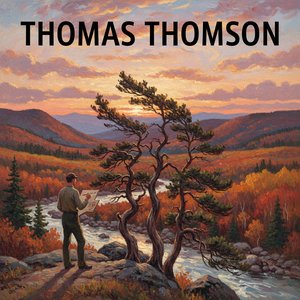
Thomas Thomson: Pioneering Canadian Landscape & the Pursuit of National Identity
Explore the evocative landscapes of Tom Thomson, a pivotal figure in Canadian art & precursor to the Group of Seven. Discover his bold style, lasting legacy, and profound impact on shaping a national artistic identity.

Evocations of Place: A Historical Journey Through Landscape Art
Explore the rich history of landscape art with TopImpressionists. Discover renowned artists, movements like Impressionism & Romanticism, and expert guidance for collecting timeless pieces. Find your perfect serene escape today!