Zobrazit v interiéru
 Odeslat
 Sdílet
 Podrobnosti
 Průvodce

 Stáhnout obrázek
 Podobné kousky
 Rentgenové snímky
 Slideshow
 Statistiky
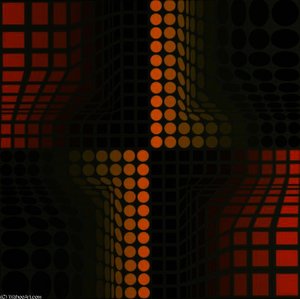
Kaglo II


Explore Victor Vasarely's mesmerizing 'Kaglo II,' a vibrant geometric print inspired by natural forms like waves and architectural structures found in Provence and Gordes. Discover the artist’s Bauhaus influence and his pioneering role in Op Art.
 Přečíst si více
Victor Vasarely (1906-1997) byl průkopníkem Op Artu a kinetického umění. Jeho geometrické abstrakce, optické iluze a inovativní design ovlivnily moderní umění a grafiku.
Umělecké dílo zobrazené na této stránce je chráněno autorským zákonem, což znamená, že nemůžeme legálně vytvářet ani prodávat jeho identickou reprodukci. Tato ochrana je vymáhána na základě mezinárodních dohod, jako například Berberská úmluva a národními zákony, včetně těch stanovených v Americký autorský zákon – Díl 17. Všechna práva vyhrazena.
Jako etickou a právní alternativu nabízíme vlastní, ručně malovaná umělecká díla inspirovaná originálem. Naši zdatní a profesionální umělci si pečlivě studují styl, náladu a uměleckou podstatu originálu, aby vytvořili nové, jedinečné dílo, které vyvolává stejný pocit – přičemž zůstává samostatným originálním tvůrčím dílem.
Tato metoda je plně v souladu s autorským právem, protože nezahrnuje kopírování ani duplikování chráněného díla. Jde o kreativní reinterpretaci – nový obraz, který je inspirován originálem, ale není s ním identický.
Ručně malovaná olejová reprodukce
Ručně malované olejné plátno v libovolném rozměru i s rámem, vyrobené našimi umělci na zakázku. ( Přepnout na tiskové verze Přepnout na digitální verzi obrazu)




P118B Kč10

P118H Kč10

P118W Kč10

P438Z Kč10

P508JH Kč12

P508YH Kč12

P805H Kč10

P805Z Kč10

P919BZ Kč10

P919G Kč10

P919XJ Kč10

P959ZH Kč10

P968JZ Kč12

W106C Kč8

W218G Kč10

W218JH Kč8

W218Y Kč10

W307PJ Kč10

W316G Kč10

W316PJ Kč8

W316Y Kč10

W398PJ Kč8

W4111J Kč10

W500HY Kč15

W500JH Kč15

W692G Kč12

W849H Kč8

W940BG Kč15

W953PJ Kč8




Standardní velikost
na zakázku
CM
INCH
Vyberte si z našich přednastavených velikostí, které odpovídají původním proporcím díla.
Loading sizes...

šířka
výška
Můžete zadat vlastní rozměry pro konkrétní rám nebo prostor. Pokud se vámi vybraná velikost neshoduje s proporcemi původního obrazu, dílo buď ořízneme, nebo jej doplníme ručně malovanými prvky. Před zahájením výroby vám bude zaslán digitální náhled ke schválení.
Upozorňujeme, že náhled na obrazovce neodpovídá skutečnému ořezu ani rozšíření. Pouze digitální náhled přesně zobrazí finální kompozici.
Ačkoliv je možné zvolit vlastní velikost, pro zachování původních proporcí doporučujeme vybrat rozměr z předdefinovaného seznamu.
Příklady možných změn: nahrazení obličeje vlastní fotografií; přidání domácího mazlíčka (např. nahrazení kočky psem); vložení skrytého vzkazu do pozadí; změna krajiny nebo prvků v pozadí.
Po přijetí objednávky vám tým TopImpressionists.com zašle e-mail s pokyny a poskytne náhledovou verzi.
Po přijetí objednávky vám tým TopImpressionists.com zašle e-mail s pokyny a poskytne náhledovou verzi.
Celosvětová doprava () za 3–4 týdny namísto standardních 5 týdnů. (10 říjen). Bez kompromisů v kvalitě.

Zdarma celosvětová expresní doprava

Vysoce kvalitní lněné plátno

Úplné pojištění přepravy

Záruka vrácení celního poplatku

Záruka věrného barevného shodu

100dení lhůta pro vrácení zboží (pouze při vadách výroby)

100% garance vrácení peněz

Sleva při více objednávkách
 Skleněná varianta je dostupná pouze u rozměrů menších než 110 cm

Kaglo II
Technika provedení
Velikost reprodukce
-


Celková cena
Kč 5623
A Symphony of Circles: The Pulsating Vision of Kaglo II
To stand before Victor Vasarely’s Kaglo II is to enter a realm where the boundaries between the static and the kinetic dissolve into a rhythmic dance of light and color. Created in 1986, this masterful print serves as a profound testament to the enduring power of geometric abstraction. At first glance, the eye is drawn to a central, commanding red sphere, which acts as the sun within a private cosmos. Surrounding this core is an intricate constellation of smaller circles, rendered in a vibrant palette of blue, green, orange, and yellow. This arrangement does not merely sit upon the surface; it breathes. Through the meticulous application of Op Art principles, Vasarely orchestrates a visual symphony that challenges our very understanding of depth and stability, inviting the viewer into an active dialogue with the canvas.
The magic of Kaglo II lies in its ability to transform passive observation into an immersive sensory experience. Vasarely, often revered as the "grandfather" of the Op Art movement, was a pioneer who sought to engineer experiences rather than simply paint images. In this work, he utilizes a technique characteristic of kinetic art, where the interplay of contrasting colors and precise geometric placement creates a subtle illusion of motion. As one moves before the piece, the retinal distortion causes the patterns to shift and vibrate, as if the circles are undulating like waves on an ocean surface. This deliberate manipulation of visual stimuli forces the viewer to confront the mechanics of their own perception, making the artwork a living, breathing entity that refuses to remain still.
Nature’s Geometry and the Legacy of Perception
While the forms in Kaglo II are strictly mathematical, their soul is deeply rooted in the organic rhythms of the natural world. Vasarely found profound inspiration in the textures of Gordes, France—the rugged limestone formations and the undulating patterns of waves that define the landscape. By translating these complex, organic movements into simplified geometric shapes, he bridged the gap between the wild unpredictability of nature and the structured precision of human intellect. This translation creates a sense of harmony that is both intellectually stimulating and emotionally soothing, making it an ideal centerpiece for those seeking to bring a sense of dynamic balance to a modern interior.
For the discerning collector or interior designer, Kaglo II offers more than mere decoration; it offers a portal into a mid-century revolution. The piece carries the weight of history, echoing the functionalist energy of the Bauhaus movement and the radical shifts in 20th-century aesthetics. It is a work that demands attention, acting as a focal point that can energize a minimalist room or add a layer of sophisticated complexity to a contemporary gallery space. To possess a reproduction of such a piece is to hold a fragment of art history—a piece that continues to pulse with the same vibrant energy that Vasarely first captured decades ago, reminding us all that even in the most rigid shapes, there is infinite movement and life.
Otázky a odpovědi
K jaké fázi tvůrčího rozvoje Victor Vasarely patří dílo „Kaglo II“?
V rámci kariéry umělce Victor Vasarely spadá dílo „Kaglo II“ do období Mature Period. Tato fáze umožňuje jeho srovnání s dalšími díly tohoto umělce.
K jakému použití je doporučována reprodukce díla „Kaglo II“?
Navrhované využití pro „Kaglo II“ od Victor Vasarely je Accent. Lze jej však využít i k jiným účelům.
V jakém roce byl vytvořen "Kaglo II"?
Dílo „Kaglo II“ od Victor Vasarely vzniklo v roce 1986.
Kdo je autorem díla "Kaglo II"?
Autorem díla „Kaglo II“ je Victor Vasarely. Práce je v katalogu uvedena pod jménem Victor Vasarely.
Jaký emocionální náboj nese dílo „Kaglo II“ od Victor Vasarely?
„Kaglo II“ vyvolává Calm pocity. Emocionální náboj díla popisuje dojem, který z něj vyzařuje.
Patří „Kaglo II“ od Victor Vasarely mezi vyhledávaná díla směru Op Art?
Dílo "Kaglo II" je v katalogu hodnoceno jako Iconic mezi díly z období Op Art.
Kolik let bylo Victor Vasarely, když v roce 1986 vytvořil(a) dílo „Kaglo II"?
Victor Vasarely bylo 80 let, když v roce 1986 vytvořilo dílo „Kaglo II“. Věk je vypočítán z roku narození umělce, 1906.
Biografie umělce
A Life Forged in Geometry: The World of Victor Vasarely
Victor Vasarely, vlastním jménem Károly Vásárhelyi, se narodil v roce 1906 v Pécs, město tehdy spojené s Rakousko-Uherskem (nyní Chorvatsko), a jeho životní cesta k tomu, aby se stal průkopníkem Op Artu a kinetického umění, nebyla předurčena. Jeho rané dětství naznačovala cestu daleko od plátna; zpočátku studoval medicínu na Univerzitě Eötvös Loránda v Budapešti. Nicméně, přitažlivost vizuálního vyjádření byla příliš silná a v roce 1927 opustil medicínu, aby se věnoval umění, zapsal se na Akademii Podolini-Volkmann. Tato rozhodnutí neznamenala jen změnu povolání, ale začátek celoživotní explorace základních principů ovlivňujících vnímání a tvar. Klíčový okamžik přinesla jeho přijetí do dílny Sándora Bortnyika – Műhely, školy hluboce ovlivněné Bauhausovým hnutím. Zde Vasarely absorboval zásady funkčního designu a geometrické abstrakce, semena, která rozkvetla v jeho charakteristický styl. Tyto formativní roky nebyly jen o získávání techniky; šlo o ničení tradičních uměleckých konvencí a přijetí nového vizuálního jazyka založeného na logice a přesnosti.From Early Abstraction to the Dawn of Op Art
Pozdější 20. století a počátek 30. let přinesly postupný odklon Vasarelyho od reprezentativního umění, jak se hlouběji ponořil do světa geometrické abstrakce. Díla jako „Modrá studie“ a „Zelená studie“, vytvořená v roce 1929, ilustrují tuto transformaci – záměrné odstranění narativního obsahu ve prospěch čistého tvaru a barevných vztahů. Ačkoli byl ovlivněn mistři jako Piet Mondrian a Kazimir Malevich, Vasarely nebyl spokojen s pouhým napodobováním jejich stylů. Hledal transcendenci statických kompozic svých předcházejících umělců, usiloval o dynamiku, která by aktivně zapojovala vnímání diváka. Tato snaha ho vedla do Paříže v roce 1930, kde se etabloval jako grafický designér a reklamní umělec, zdokonaloval své dovednosti při současném pokračování ve vývoji svého jedinečného uměleckého zobrazení. Byla to v tomto období, kdy začal experimentovat s technikami, které by později staly se charakteristickými pro Op Art – manipulací s tvary a barvami za účelem vytváření iluzí pohybu a hloubky. Semena byla zasaděna pro revoluci ve vizuálním zážitku.The Systematic Illusion: Defining a Movement
Kolem roku 1960 se Victor Vasarely pevně etabloval jako vedoucí postava rozvíjejícího se Op Artového hnutí. Na rozdíl od mnoha umělců, kteří spoléhali na intuici a spontánní vyjádření, Vasarely přistupoval ke svému dílu sřistou systematickou metodologií. Používal mřížky a matematické principy k generování vzorů, které vytvářely silné optické iluze – vizuální vibrace, vířivé efekty a pocity hloubky tam, kde fyzicky neexistovaly. Nebyla to o triku; šlo o odhalení inherentní dynamiky uvnitř vnímání samotného. Věřil v reprodukovatelnost a masovou oblibu, usiloval o demokratizaci umění tím, že ho učinil dostupným mimo okruhy galerií a muzeí. Jeho díla podněcovala diváky k tomu, aby se sami ptali na své vlastní vizuální zážitky, nucili je aktivně se zapojit do vytváření významu. Tato záměrná angažovanost s vnímáním odlišovala Op Art od ostatních a upevňovala jeho místo na čele tohoto hnutí. On sám nevytvářel jen obrazy; stavěl zážitky.Historical Significance and Lasting Influence
Vasarelyho přínos umělecké historii je mnohostranný. Přenesl se za tradiční techniky malování a vytvořil díla, která aktivně zapojují diváka do vnímání. Jeho systematický přístup zpochybnil konvenční představy o umělecké kreativitě a položil základy pro počítačově generované umění a digitální design. Osvobozujíc reprodukovatelnost a komerční aplikace, Vasarely rozmazal hranice mezi uměním a populární kulturou, zanechal si tak trvalý odkaz jak v oblasti umění, tak i v dalších oblastech. On sám nevytvářel jen esteticky příjemné objekty; prováděl vizuální experimenty, která odhalila základní pravdy o tom, jak vnímáme svět. Jeho dílo nadále rezonuje dodnes a připomíná nám sílu abstrakce, krásu geometrie a nekonečné možnosti lidské kreativity.Key Achievements and Innovations
Mezi klíčové úspěchy a inovace Vasarelyho patří jeho systematický přístup k tvorbě Op Artových obrazů, založený na matematických principech a mřížkách. Jeho práce se stala známou díky vytváření optických iluzí, které podněcovaly vnímání diváka. Dalším významným úspěchem byla jeho spolupráce s Rosenthal porcelain, která vedla k vytvoření ikonického řady nádobí "Suomi". Vasarely také experimentoval s kinetickým uměním a vytvořil díla, která obsahovala skutečný pohyb nebo se jeví jako pohyb prostřednictvím pečlivě uspořádaných vizuálních efektů. Jeho instalace v Centre Pompidou v Paříži, "Georges Pompidou", byla dalším důkazem jeho inovativního přístupu. A konečně, zahrnutí jeho serigrafií na palubu kosmické lodi Salyut 7 v roce 1982 symbolizovalo globální uznání jeho umění a jeho spojení s širší lidskou snahou o průzkum.
Victor Vasarely
1906 - 1997 , Chorvatsko
Rychlé informace
- Artistic Movement Or Style: Op Art, Kinetický umění
- Artists Or Movements Influenced By This Artist:
- Grafický design
- Interiérový design
- Artists Who Influenced This Artist:
- Piet Mondrian
- Kazimir Malevich
- Date Of Birth: 9. dubna 1906
- Date Of Death: 15. března 1997
- Full Name: Victor Vasarely
- Nationality: Maďarsko-Francouzský
- Notable Artworks:
- Modrá studie
- Zelená studie
- Place Of Birth: Pécs, Chorvatsko
Související články

Mastering Illusion: The Vibrant World of Victor Vasarely's Op Art and the Geometry of Perception
Explore the mesmerizing world of Victor Vasarely. Discover how his Bauhaus-inspired Op Art masters the science of perception through geometric abstraction and vibrant color. A sophisticated guide for discerning art collectors seeking to understand the legacy of optical illusion.

Geometrická abstrakce: 10 mistrovských děl, které změnily umění | TopImpressionists.cz
Prozkoumejte 10 ikonických děl geometrické abstrakce od Mondriana, Maleviče a Kandinského. Objevte příběhy umělců, techniky a historii tohoto revolučního hnutí. Najděte inspiraci pro moderní dekorace a luxusní reprodukce obrazů na TopImpressionists.com.

Op Art Unveiled: The Science of Optical Illusion and Kinetic Movement in Geometric Abstraction
Explore the science of Op Art through the lens of masters like Victor Vasarely. Discover how geometric abstraction uses optical illusions to create movement and delve into the neuroaesthetics of perception with our expert art history guide.

Victor Vasarely: Pioneering Op Art & Democratizing Visual Experience
Explore the revolutionary world of Victor Vasarely, father of Op Art. Discover his geometric masterpieces, artistic system, & lasting impact on modern design. A guide for discerning art collectors.

Neo-Abstract Art: The High-Impact Evolution of Modern Visual Energy and Geometric Sophistication
Discover the power of Neo-Abstract art. Explore how bold geometric forms and high-impact visual energy are redefining modern design. Learn to curate sophisticated, high-energy spaces with the latest trends in contemporary abstraction and structural color.
Prozkoumejte umělecká díla uspořádaná podle témat, stylů a charakteristik.