

Zobrazeno: · Včetně rámu:
 Náhled v interiéru
 Sdílet
 Sdílet
 Podrobnosti o díle
 Průvodce

 Stáhnout
 Podobné položky
 Rentgenové snímky
 Slideshow
 Otázky a odpovědi
 Statistiky

Kč 5832
Ručně malovaná olejová reprodukce
Rukou malované olejné plátno v libovolném rozměru i s rámem, vyrobené našimi umělci na zakázku. ( Přepnout na tisk Přepnout na digitální obraz)
Velikost
·Standardní velikost
na zakázku
CM
INCH
Vyberte si z našich přednastavených velikostí, které odpovídají původním proporcím díla.
Načítání velikostí...

šířka
výška
Zadejte šířku a výšku, které potřebujete pro váš rám nebo stěnu. Protože se jedná o ruční malbu, při výběru jiného formátu může umělec kolem obrazu domalovat o něco více, nebo jej mírně oříznout — rozhodnete si vy. Před zahájením malby vám zašleme digitální náhled ke schválení. Obraz zobrazený na této stránce neodpovídá skutečnému výsledku — pouze digitální náhled jej zobrazuje.
 Více informací
Dokončit
·
Bílé okraje Kč1

Rozostřené okraje Kč1

Prodloužené okraje Kč1

P118B Kč10

P118H Kč10

P118W Kč10

P438Z Kč10

P508JH Kč12

P508YH Kč12

P805H Kč10

P805Z Kč10

P919BZ Kč10

P919G Kč10

P919XJ Kč10

P959ZH Kč10

P968JZ Kč12

W106C Kč8

W218G Kč10

W218JH Kč8

W218Y Kč10

W307PJ Kč10

W316G Kč10

W316PJ Kč8

W316Y Kč10

W398PJ Kč8

W4111J Kč10

W500HY Kč15

W500JH Kč15

W692G Kč12

W849H Kč8

W940BG Kč15

W953PJ Kč8

H24-GOLD Kč30

H24-SILVER Kč30

H36-GOLD Kč45

H36-SILVER Kč45
Dodáváno v ochranné tubě, připraveno k vlastním rámování.
Doplňkové služby
volitelnéCo všechno doplňky zahrnují?
Příklady možných změn: Nahrazení obličeje fotografií zákazníka; Přidání mazlíčka (např. výměna kočky za psa); Skrytá zpráva v pozadí; Změna krajiny nebo prvků v pozadí.
Po přijetí objednávky vám tým TopImpressionists.com pošle e-mail s instrukcemi a poskytne náhled návrhu
Po přijetí objednávky vám tým TopImpressionists.com pošle e-mail s instrukcemi a poskytne náhled návrhu
Celosvětová doprava () za 3–4 týdny namísto standardních 5 týdnů. (4 listopad). Bez kompromisů v kvalitě.
Ochranný lak
Popisek díla
Detaily ryté bronzové plakety
This elegant plaque features the artist's name and the title of the artwork, finely engraved for a timeless presentation.
It is made from bronze with a refined, elegant finish. The text is precisely laser-engraved for a sharp and permanent result. Measuring 9x2 cm, the plaque is compact yet easy to read. It's built to be durable and scratch-resistant, offering a professional, museum-quality look. Mounting is simple thanks to the included adhesive backing.
Detaily průhledné akrylové desky
The plaque includes essential engraved details such as the artist's name, the title of the artwork, the date it was created, the type of media used-like oil on canvas or watercolor-a brief description of the piece, and a QR code that links to the complete artwork information.
It is crafted from clear acrylic, offering a sleek, modern appearance. The text is UV-engraved in black to ensure strong visual contrast. With a size of 10x15 cm, it ensures optimal readability. It comes equipped with two metal hooks for secure wall mounting. The plaque is designed to be weather-resistant, making it suitable for various environments, and it includes interactive features that work seamlessly with smartphone scanning.
Detaily černé akrylové destičky
This elegant plaque includes engraved information such as the artist's name, the title of the artwork, the date it was created, the type of media used (like oil on canvas or watercolor), a short description of the artwork, and a QR code for quick access to more information.
The plaque itself is made from refined black acrylic with a premium finish. The text is laser-engraved in white for high contrast and readability. Its size is 10x15 cm, designed to be easy to read. It comes with two metal hooks for professional mounting. The design is sleek and fits any interior style. It is also weather-resistant and durable, with built-in digital integration for mobile compatibility.
Skleněná varianta je dostupná pouze u rozměrů menších než 110 cm
 Skleněná varianta je dostupná pouze u rozměrů menších než 110 cm
- Zdarma celosvětová expresní doprava
- Vysoce kvalitní lněné plátno
- Kompletní pojištění přepravy
- Záruka vrácení celního poplatku
- Záruka věrného barevného souladu
- 100dení lhůta pro vrácení zboží (pouze při vadách výroby)
- 100% záruka vrácení peněz
- Sleva při více objednávkách


Popis sbírného předmětu
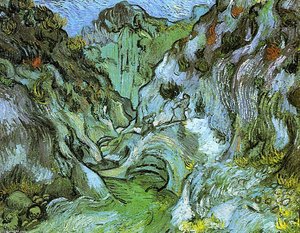
Experience Vincent van Gogh's iconic 'Cypresses' series! Explore the artist’s emotional landscapes of Saint-Rémy through stunning, hand-painted reproductions – a timeless masterpiece.
Biografie umělce
Vincent van Gogh (1853–1890): Objevte život a umění nizozemského postimpresionistického mistra za díly 'Hvězdná noc' a 'Slunečnice'. Poznejte jeho odvážný styl a trvalý vliv na moderní umění.
O malbě
Vincent Van Gogh’s Cypresses: A Journey Through Darkness and Light
The series of paintings titled “Cypresses,” created by Vincent van Gogh during his time at the Saint-Paul-de-Mausole asylum in Saint-Rémy, France, stands as a poignant testament to the artist's evolving vision and deeply personal struggles. More than just landscapes, these works represent a profound exploration of mortality, spirituality, and the raw beauty found within moments of intense emotion. Van Gogh’s fascination with the cypress tree—a common motif in his oeuvre during this period—transformed into a series of intensely expressive paintings that continue to captivate viewers today. These aren't simply depictions of trees; they are windows into the artist’s soul, rendered with an unprecedented intensity of color and brushwork.
Van Gogh’s artistic journey was marked by a relentless pursuit of capturing the essence of his subjects. Initially influenced by Dutch Masters like Rembrandt and Frans Hals, he later discovered the vibrant energy of Japanese woodblock prints – Ukiyo-e – which profoundly impacted his compositional choices and use of flattened perspectives. However, it was in France that Van Gogh truly developed his distinctive style, characterized by bold colors, emotive spontaneity, and forceful brushwork. The Cypresses series exemplifies this perfectly, showcasing a departure from the more subdued tones of his early work and embracing a palette brimming with greens, blues, and yellows—a deliberate choice to convey both the vibrancy of nature and the artist’s own turbulent emotional state.
The Symbolism of the Cypress Tree
The cypress tree held a particularly significant meaning for Van Gogh. Often associated with cemeteries and mourning in Western culture, it represented death and remembrance for him. However, he viewed it not solely as a symbol of sadness but also as a link between earth and heaven—a towering spire reaching towards the sky. This dual symbolism reflects the artist’s own grappling with mortality and his yearning for spiritual connection. In *Cypresses*, the trees are depicted not as static objects but as dynamic, almost flame-like forms, pulsating with energy and movement. The swirling clouds in the background further amplify this sense of dynamism, creating a visual representation of Van Gogh's internal turmoil and his struggle to find solace amidst his mental illness.
Technique and Emotional Intensity
Van Gogh’s technique in the Cypresses series is nothing short of revolutionary. He employed thick, impasto brushstrokes—applying paint directly from the tube with a visible texture—to create a sense of movement and immediacy. The swirling patterns in the sky and the jagged lines of the cypress trees convey an intense emotional charge, reflecting the artist’s heightened state of consciousness during his time at the asylum. The use of color is equally crucial; Van Gogh deliberately employed contrasting hues to heighten the visual impact and evoke specific emotions. Notice how he juxtaposes cool blues and greens with warm yellows and oranges, creating a dynamic tension that mirrors the complexities of human experience.
Owning a Reproduction: Bringing Van Gogh’s Vision Home
If you are drawn to the power and beauty of Van Gogh's “Cypresses,” TopImpressionists offers exquisite, hand-painted oil reproductions that capture the essence of this iconic series. Our skilled artists meticulously recreate Van Gogh’s distinctive brushwork and vibrant color palette using traditional techniques, ensuring that every detail is rendered with precision and accuracy. These reproductions are not merely copies; they are interpretations—a way to bring Van Gogh's emotional intensity into your own space. Consider how the rich colors of a reproduction might complement your interior design, evoking the same sense of drama and contemplation as the original paintings. Explore other works by Vincent Van Gogh on TopImpressionists to discover a wider range of his masterpieces.
For more information about the artist and his works, you can visit Wikipedia or explore the collection of Vincent Van Gogh's paintings on TopImpressionists.
Otázky a odpovědi
Kolik lidí si prohlíží „Cypresses"?
Statistiky k dílu „Cypresses“ od Vincent Van Gogh naleznete na stránce Statistiky tohoto díla: měsíční návštěvnost díla, návštěvnost děl daného umělce a rozpis nedávných návštěvníků podle zemí a jazyků.
Z jakého historického období pochází „Cypresses“ od Vincent Van Gogh?
Dílo "Cypresses" pochází z období – 19. století.
Je dílo „Cypresses“ od Vincent Van Gogh spíše světlé, nebo tmavé?
U díla „Cypresses“ od Vincent Van Gogh je zaznamenána jasnost vyvážená při luminanci Střední jas.
Rychlá fakta a umělecký kvíz
O umělci Vincent Van Gogh

Vincent Van Gogh
1853 - 1890, Nizozemsko
Biografie umělce
Život namalovaný vášní: Vincent van Gogh
Vincent Willem van Gogh, jméno synonymické pro zářivou barvu a syrové emoce, zůstává jednou z nejrozpoznatelnějších a nejoblíbenějších postav v dějinách umění. Narodil se 30. března 1853 v Zundert v Nizozemsku a jeho cesta od osudovaného mladíka hledajícího smysl života k uměleckému vizionáři je dojímavým příběhem oddanosti, boje a nakonec i nesmrtelného odkazu. Ačkoliv za svého života dosáhl jen malého komerčního úspěchu – před svou smrtí prodal pouze jeden obraz, The Red Vineyard (Červená vinice) – Van Goghův dopad na moderní umění je neúměrně velký, neboť připravil cestu expresionismu a ovlivnil nespočet následných umělců. Jeho příběh není jen o tahách štětcem a plátnech; je to svědectví o síle lidské výraznosti v tvář osudů.
Raná léta a umělecké probuzení
Van Goghův raný život byl poznamenán řadou nesplněných ambicí. Zkoušel se v různých profesích – jako obchodník s uměním, učitel, dokonce i misionář – než se ve svých 27 letech definitivně zasvětil malování. Tyto dřívější zkušenosti hluboce utvarily jeho svědomí a našly své otisk v jeho díle. Jeho počáteční práce, zachycující scény ze života vesnického lidu na venkově Belgie, odrážejí hlubokou empatii k pracující třídě a používají tlumenou paletu barev, která reflektuje jejich těžký život. Pod vlivem umělců jako Jean-François Millet se Van Gogh snažil zachytit důstojnost a odolnost těchto lidí prostřednictvím syrového realismu. Transformativním však okazał se jeho přesun do Paříže v roce 1886. Zde narazil na impresionismus a postimpresionismus, od kterých si osvojil techniky mistrů jako Monet, Renoir a Pissarro. Tato zkušenost rozšířila jeho umělecké obzory a vedla ho k experimentování s jasnějšími barvami a volnějšími tahy štětcem, přičemž si však zachoval specifickou emocionální intenzitu, která u mnoha jeho současníků chyběla. Klíčovou roli v tomto období sehrál jeho bratr Theo, obchodník s uměním, který mu poskytoval finanční podporu a sloužil jako zásadní spojnice s pařížským světem umění. Jejich rozsáhlá korespondence nabízí nepostradatelný pohled do Van Goghova uměleckého vývoje i osobních trápení.
Jižní světlo a explozivní kreativita
Ve snu o živopisnější krajině a pocitu obnovy se Van Gogh v roce 1888 přestěhoval do Arles na jihu Francie. Tento krok znamenal období intenzivní tvůrčí činnosti, charakterizované explozí barev a specifickou technikou impasta – nanášením husté vrstvy barvy přímo na plátno, čímž vznikla texturovaná plocha, která se zdá pulzovat energií. Právě zde vytvořil některá ze svých nejikoničtějších děl: Slunečnice, Noc v kavárně nebo Hvězdná noc. Intenzivní sluneční světlo Provence se zdálo zapálit jeho představivost a vedlo ho k zobrazení krajin a záložních motivů s nevídanou živostí. Touha po umělecké spolupráci ho přiměla pozvat do Arles Paula Gauguina s nadějí na založení utopické kolonie umělců. Jejich vztah se však ukázal jako nestabilní a vyvrcholil dramatickým konfliktem, který skončil Van Gogovým okurtováním vlastního ucha. Tato událost podtrhla křehkost jeho psychického stavu a znamenala začátek období hospitalizace a prohlubujících se psychických potíží.
Pozdní léta a nesmrtelný odkaz
Po svém zhroucení vstoupil Van Gogh dobrovolně do azylu v Saint-Rémy, kde pokračoval v plodném malování a zachycoval okolní krajinu s krásou i vnitřním neklidem. Díla jako Hvězdná noc, namalovaná právě v tomto období, jsou prosycena pocitem vesmírného úžasu a hluboké emocionální hloubky. Později se přestěhoval do Auvers-sur-Oise pod péči Dr. Paula Gacheta, ale jeho trápení přetrvávalo. 29. července 1890, ve věku 37 let, Van Gogh tragicky zemřel v důsledku střelného zranění způsobeného sebou samým. Přestože za svého života dosáhl jen minimálního uznání, jeho dílo začalo získávat posmrtnou slávu především díky neúnavnému úsilí jeho švagrové, Johanny van Gogh-Bonger, která zdědila jeho majetek a zasvětila se propagaci jeho umění. Dnes jsou Van Goghovy obrazy po celém světě oslavovány pro jejich emocionální intenzitu, inovativní techniky a nesmrtelnou krásu. Jeho odkaz sahá daleko za okraj plátna; stal se symbolem umělecké vášně, vytrvalosti tváří v tvář překážkám a síly umění vyjádřit ty nejhlubší lidské emoce.
Klíčové vlivy a umělecký vývoj
- Raný realismus: Zobrazení vesnického života Jeana-Françoise Milleta ovlivnila Van Goghova raná díla.
- Impresionismus a postimpresionismus: Kontakt s Monetem, Renoirem, Pissarrem a dalšími v Paříži rozšířil jeho paletu i techniku.
- Japonské tisky: Van Gogh byl hluboce ovlivněn japonskými dřevoryty, které vášnivě sbíral. Jejich odvážná kompozice a ploché barevné plány zásadně ovlivnily jeho vlastní styl.
- Emocionální vyjádření: Nad vše ostatní se Van Gogh snažil skrze své umění vyjádřit emoce, přičemž upřednostňoval subjektivní prožitek před objektivní reprezentací. Tento důraz na emocionální intenzitu se stal definující vlastností jeho díla a připravil cestu expresionismu.
Rychlé informace o umělci Vincent Van Gogh
- Artistic Movement Or Style: Post-Impressionismus
- Artists Or Movements Influenced By This Artist:
- Expressionismus
- Fauvism
- Artists Who Influenced This Artist:
- Rembrandt
- Millet
- Date Of Birth: 30. března 1853
- Date Of Death: 29. července 1890
- Full Name: Vincent Willem van Gogh
- Nationality: Nizozemec
- Notable Artworks:
- Sluncečnice
- Hvězdná noc
- Jídlo chudí
- Place Of Birth: Zundert, Nizozemsko
Podobná díla




Prozkoumejte umělecká díla uspořádaná podle témat, stylů a charakteristik.


Vincent Van Gogh
Cypresses
() ·
Včetně rámu: · Ručně malováno olejem na plátně
Celkem