

 Náhled v interiéru
 Sdílet
 Sdílet
 Podrobnosti o díle
 Průvodce

 Stáhnout
 Podobné položky
 Rentgenové snímky
 Slideshow
 Otázky a odpovědi
 Statistiky
School Boy

- 56.0 x 48.0 cm


A tranquil portrait of a young boy in contemplative repose by Harlem Renaissance master William H. Johnson captures a soulful moment of stillness that invites you to bring this piece of American history into your home.
 Zobrazit více
William H. Johnson (1901-1970) byl klíčový americký malíř Harlemské renesance. Známý svými expresivními portréty a lidovým stylem zobrazení života Afroameričanů. Objevte jeho silná modernistická díla!
Umělecké dílo zobrazené na této stránce je chráněno autorským zákonem, což znamená, že nemůžeme legálně vytvářet ani prodávat jeho identickou reprodukci. Tato ochrana je vymáhána na základě mezinárodních dohod, jako například Berberská úmluva a národními zákony, včetně těch stanovených v Americký autorský zákon – Díl 17. Všechna práva vyhrazena.
Tato metoda je plně v souladu s autorským právem, protože nezahrnuje kopírování ani duplikování chráněného díla. Jde o kreativní reinterpretaci – nový obraz, který je inspirován originálem, ale není s ním identický.
Giclée / Umělecký tisk
Giclée nebo plátěný tisk muzeální kvality s rychlou výrobou a širokou nabídkou povrchových úprav. ( Koupit ručně malovaný obraz Přepnout na digitální obraz)




P118B Kč10

P118H Kč10

P118W Kč10

P438Z Kč10

P508JH Kč12

P508YH Kč12

P805H Kč10

P805Z Kč10

P919BZ Kč10

P919G Kč10

P919XJ Kč10

P959ZH Kč10

P968JZ Kč12

W106C Kč8

W218G Kč10

W218JH Kč8

W218Y Kč10

W307PJ Kč10

W316G Kč10

W316PJ Kč8

W316Y Kč10

W398PJ Kč8

W4111J Kč10

W500HY Kč15

W500JH Kč15

W692G Kč12

W849H Kč8

W940BG Kč15

W953PJ Kč8




Standardní velikost
na zakázku
CM
INCH
Vyberte si z našich přednastavených velikostí, které odpovídají původním proporcím díla.
Loading sizes...

šířka
výška
Zadejte šířku a výšku, které potřebujete pro váš rám nebo stěnu. Tisk lze pouze oříznout, nikdy však nelze zvětšit obraz nad jeho původní rozměr, proto při výběru jiného formátu dochází ke ztrátě části obrazu. Před samotným tiskem vám zašleme digitální náhled k schválení. Obraz zobrazený na této stránce nenabízí skutečný výřez — ten uvidíte pouze v náhledu.
Celosvětové doručení () do 2 týdnů namísto standardních 4/5 týdnů. (6 listopad)

Zdarma celosvětová expresní doprava

Vysoce kvalitní lněné plátno

Kompletní pojištění přepravy

Záruka vrácení celního poplatku

Záruka věrného barevného souladu

100dení lhůta pro vrácení zboží (pouze při vadách výroby)

100% záruka vrácení peněz

Sleva při více objednávkách
 Skleněná varianta je dostupná pouze u rozměrů menších než 110 cm

School Boy
Giclée / Umělecký tisk
Rozměry reprodukce
-


Celková cena za vybrané možnosti reprodukcí
Kč 1525
A Moment of Quietude: The Soulful Presence of School Boy
In the quiet corners of mid-century American portraiture, few works capture the tender vulnerability of childhood as poignantly as William H. Johnson’s School Boy. Painted in 1945, this intimate masterpiece invites the viewer into a private sanctuary of rest and reflection. The subject, a young boy seated with a composed yet contemplative posture, rests upon a chair characterized by its striking red frame and vibrant yellow cushion. This deliberate use of color does more than merely decorate the scene; it provides a rhythmic pulse to the composition, contrasting the warmth of the furniture against the soft, perhaps even weary, presence of the child. Clad in what appears to as pajamas, the boy exists in that liminal space between the structured demands of the school day and the restorative embrace of home, offering a glimpse into a moment of profound stillness.
Johnson’s technique in this piece serves as a bridge between the raw honesty of folk art and the sophisticated structural elements of modernism. The artist employs a meticulous attention to detail that breathes life into the boy's facial expression and body language. His hands, placed firmly and symmetrically in his lap, anchor the composition, suggesting a sense of groundedness and internal calm. Through deliberate brushwork, Johnson captures the texture of fabric and the weight of the child's limbs, creating a tactile reality that pulls the observer into the room. The painting does not merely depict a person; it captures an atmosphere—a heavy, beautiful tranquility that resonates with anyone who has ever sought solace in the quietude of a long afternoon.
The Legacy of a Visionary: Context and Emotional Resonance
To understand the depth of School Boy, one must look toward the profound cultural landscape from which William H. Johnson emerged. As a pivotal figure of the Harlem Renaissance, Johnson’s work was deeply informed by his roots in South Carolina and his connection to the spiritual and oral traditions of African American life. While this specific painting leans into a more intimate, portrait-driven style, it carries the unmistakable DNA of his larger mission: to find the extraordinary within the ordinary. The painting serves as a testament to the resilience and dignity of the human spirit, finding monumental importance in the simple act of a child sitting in repose.
For the discerning collector or interior designer, this reproduction offers more than just a visual centerpiece; it provides an emotional anchor for a room. The piece possesses a unique ability to harmonize with diverse decor styles, from contemporary minimalist settings to classic, traditional interiors, due to its balanced palette and emotive power. It acts as a window into a period of American history marked by both struggle and profound artistic rebirth. Bringing School Boy into a living space invites a sense of introspection and peace, making it an ideal selection for those looking to curate an environment that celebrates heritage, quiet strength, and the timeless beauty of the human narrative.
Otázky a odpovědi
Jak spolu v díle "School Boy" ladí barvy?
Barvy díla „School Boy“ od William H. Johnson vykazují Unified Palette harmonii. Harmonie popisuje vzájemný vztah barev k sobě navzájem.
Jaký emocionální tón doprovází styl Harlem Renaissance u díla „School Boy“?
Reflective emoce díla „School Boy“ je doprovázena jeho stylem, který patří k Harlem Renaissance.
V jaké velikosti se doporučuje vytisknout "School Boy"?
Doporučená velikost tisku pro dílo „School Boy“ od William H. Johnson je Small.


Biografie umělce
Život a počátky Williama H. Johnsona
William Henry Johnson, narozený 18. ledna 1901 ve Florencii v Jižní Karolíně, byl jedním z nejvýznamnějších amerických malířů 20. století. Jeho dětství bylo hluboce ovlivněno rasovou segregací a ekonomickými obtížemi Jihu Spojených států. Rodina se brzy přestěhovala do Scrantonu v Pensylvánii, kde Johnson projevoval raný talent pro umění. Po absolvování střední školy získal stipendium na National Academy of Design v New Yorku, což mu otevřelo dveře k formálnímu vzdělání a kontaktu s avantgardními uměleckými proudy té doby. Jeho počáteční tvorba byla realistická, zaměřovala se na portréty a krajiny, ale brzy začal experimentovat s různými styly a technikami. Johnsonova cesta nebyla snadná; čelil diskriminaci a finančním problémům, které ho však motivovaly k hledání vlastního jedinečného uměleckého hlasu.Umělecký vývoj a vlivy
Johnsonův umělecký vývoj byl poznamenán cestováním a studiem v Evropě, zejména ve Francii a Německu. V Paříži se setkal s afroamerickými intelektuály a umělci, kteří ho inspirovali k prozkoumávání témat identity, rasy a spirituality. Během svého pobytu v Německu byl silně ovlivněn expresionismem, který mu umožnil vyjádřit své emoce a zážitky prostřednictvím živých barev, zkreslených tvarů a dynamických kompozic. Následná cesta do Mexika ho seznámila s muralistickým hnutím a prekolumbijským uměním, které obohatilo jeho paletu symboliky a narativních technik. Johnsonova tvorba začala odrážet kombinaci modernistických abstraktních forem a tradičních afroamerických motivů, včetně gospelové hudby, lidových pověstí a ikonografie náboženství Yoruba. Jeho styl se vyznačoval silným důrazem na jednoduchost, expresivitu a hluboký emocionální dopad.Harlemská renesance a specifický styl
Vracel se do Spojených států v době rozkvětu Harlemské renesance, kulturního hnutí afroamerické komunity. I když nebyl přímo spojen s touto skupinou umělců, jeho práce sdílela podobné téma oslavy černošské identity a zkušenosti. Johnson se zaměřil na portrétování obyčejných lidí – rolníků, dělníků, duchovních vůdců – a zachycoval jejich důstojnost, sílu a odolnost. Jeho specifický styl, často označovaný jako "folk art" nebo "primitive expressionism", se vyznačoval zjednodušenými tvary, plochými barvami a dynamickými kompozicemi. Používal techniku impasta – nanášení silných vrstev pigmentu – aby dodal svým obrazům texturu a hloubku. Jeho díla často obsahovala symbolické prvky, jako jsou zvířata, rostliny a geometrické vzory, které odkazovaly na afroamerickou kulturu a spiritualitu.Významná díla a témata
Johnsonova tvorba je rozmanitá a zahrnuje portréty, krajiny, zátiší a abstraktní kompozice. Mezi jeho nejvýznamnější díla patří "The Black Christ" (1938), monumentální plátno inspirované ikonografií náboženství Yoruba, které vyjadřuje víru, utrpení a naději; “Old Folks at Home” (1937-1940) série portrétů zobrazujících afroamerické rolníky a jejich životy na venkově; "The Great Spirit" (1964), které zkoumá témata šamanismu a duchovní cesty. Jeho práce se často zabývala tématy rasy, identity, spirituality, sociální spravedlnosti a lidské důstojnosti. Johnson byl také známý svými cykly portrétů, jako například "From Slavery to Freedom" (1938-1940), které zachycovaly historické postavy afroamerického boje za emancipaci. Jeho díla jsou silně emotivní a působivá, odrážejí jeho osobní zážitky a hluboké porozumění lidské povaze.Odraz v historii a dědictví
William H. Johnson zemřel 11. ledna 1970 ve věku 68 let, ale jeho umělecké dílo žije dál a inspiruje generace umělců a diváků. Jeho práce je považována za důležitý příspěvek k americkému modernismu a afroamerickému umění. Johnsonova tvorba se stala symbolem boje za rasovou rovnost, oslavou černošské identity a vyjádřením lidského ducha. Jeho obrazy jsou vystaveny v prestižních muzeích po celém světě, včetně Smithsonian American Art Museum a Hampton University Museum. Dnes je William H. Johnson uznáván jako jeden z nejvýznamnějších amerických malířů 20. století, jehož dílo nadčasově rezonuje s tématy identity, spirituality a lidské důstojnosti. Jeho odkaz spočívá v jeho schopnosti vyjádřit složité emoce a zážitky prostřednictvím jedinečného uměleckého jazyka, který kombinuje modernistické abstrakce s hlubokými kořeny afroamerické kultury a tradice.
William H. Johnson
1901 - 1970 , Spojené státy americké
Rychlé informace o umělci
- Artistic Movement Or Style: Harlem Renaissance; Expresionismus
- Artists Or Movements Influenced By This Artist: ['Expresionismus']
- Artists Who Influenced This Artist: ['John Wollaston']
- Date Of Birth: 1901
- Date Of Death: 1970
- Full Name: William Henry Johnson
- Nationality: Američan
- Notable Artworks:
- The Black Christ
- The Great Spirit
- Place Of Birth (City And Country): Florence, USA
Související články

Mark Rothko: Top 25 děl mistra barev a emocí | TopImpressionists.cz
Prozkoumejte 25 ikonických děl Marka Rothka, mistra abstraktního expresionismu. Objevte příběhy za jeho barevnými plátny a emoce v umění. Reprodukce obrazů nejvyšší kvality na TopImpressionists.com.
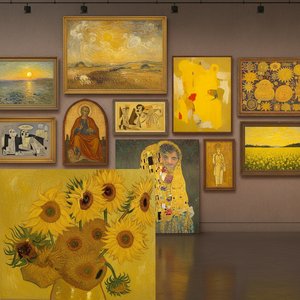
Top 10 slavných obrazů v zářivých odstínech chromové žluté | TopImpressionists.cz
Objevte top 10 slavných obrazů ovládaných chromovou žlutou! Prozkoumejte příběhy Van Gogha, Moneta a dalších mistrů impresionismu. Najděte inspiraci pro váš interiér s uměleckými reprodukcemi na TopImpressionists.com.

Crimson Threads of Narrative: Exploring Symbolism & Representation in Artworks Featuring the Red Dress
Explore the rich symbolism of the red dress in art history! From ancient power displays to iconic portraits like Cézanne’s 'Madame Cezanne', discover the cultural and artistic significance behind this captivating color. Expert analysis & insights.

The Golden Hue: Exploring Symbolism & Emotion in Yellow Art
Explore the rich symbolism & emotional power of yellow in art history! From Van Gogh to Kandinsky, discover how artists used this vibrant hue. Expert analysis & high-quality reproductions at TopImpressionists.
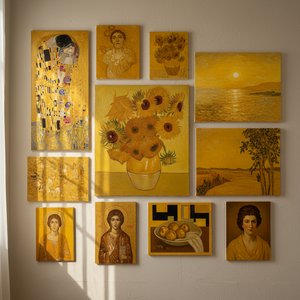
Top 10 slavných obrazů v odstínech žluté охry – inspirace pro váš interiér
Objevte top 10 slavných obrazů v odstínech žluté охry od Van Gogha, Rembrandta a Moneta. Inspirujte se uměleckými reprodukcemi pro váš interiér! Historie, techniky a emoce nejikoničtějších děl na TopImpressionists.com.