Ateliér — Doprava po celém světě zdarma — Dodání za 2–6 týdnů
      John Everett Millais, 1829 – 1896

      100 nejslavnějších obrazů autora John Everett Millais

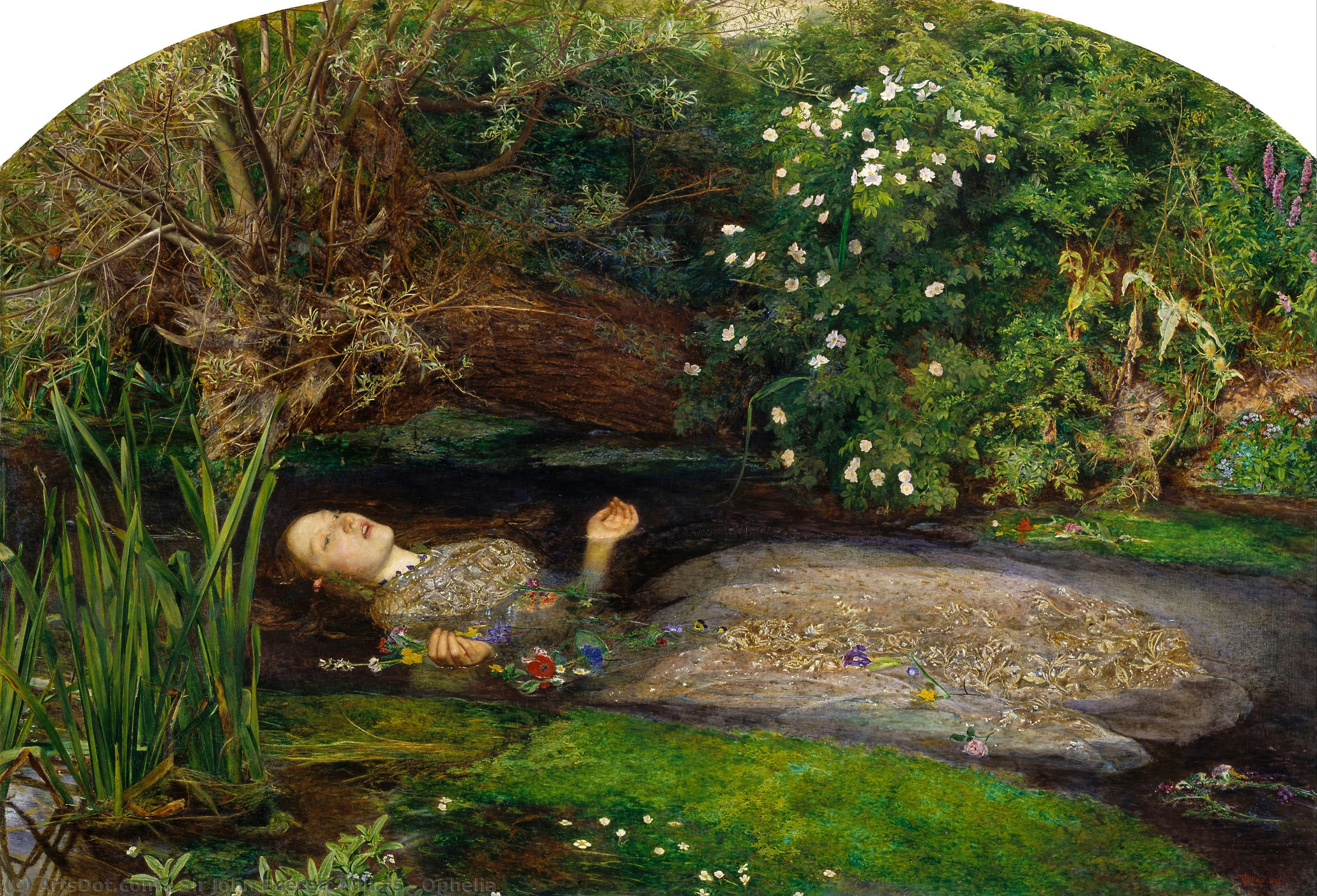
      Ofélie (1851) je obraz, podle kterého je nejznámější John Everett Millais; nachází se v Tate Britain, Londýn. Christ in the House of His Parents (`The Carpenter (1849) a The Blind Girl (1856) doplňují trio nejoblíbenějších pláten. Náš katalog obsahuje 422 děl umělce John Everett Millais. Zde je 100 nejznámějších děl včetně roku vzniku, muzea a příběhu každého plátna.

      Seřazeno podle našeho skóre popularity, které kombinuje počet vyhledávání, návštěv a objednávek u každého díla. Aktualizováno říjen 2026. Každý obraz na této stránce lze objednat jako ručně malovanou olejovou reprodukci na lněném plátně, nebo jako umělecký tisk vyrobený v požadovaném rozměru.

      Portrét John Everett Millais
      John Everett Millais · 1829 – 1896
      Narozen · zemřel
      1829 – 1896, Southampton
      Směr
      Pre-raphaelite brotherhood
      Díla v našem katalogu
      422
      Nejslavnější
      Ofélie (1851)
      Nejvíce děl v
      Birmingham Museum and Art Gallery

      Deset nejoblíbenějších obrazů autora John Everett Millais

      Ofélie (1851) od John Everett Millais
      1

      Ofélie

      1851 · Olej na plátně · Tate Britain, Londýn

      „Ofélie“ Sir Jana Everetta Millaise, namalovaná v letech 1851–52, není pouze ztvárněním tragické shakespearovské scény; je to imerzivní zážitek – pečlivě sestavované tableau smutku a krásy, které i přes století působí na diváky stejně fascinujícím způsobem. Toto ikonické pre-rafaelíteské dílo přesahuje svůj literární zdroj a stává se hlubokou meditací o ztrátě, nevinnosti a dojmovném podlehnutí přírodě. Obraz okamžitě upoutá zrak svou zářivou paletou a ohromující úrovní detailů, která pozve diváka…

      Christ in the House of His Parents (`The Carpenter (1849) od John Everett Millais
      2

      Christ in the House of His Parents (`The Carpenter

      1849 · Oil On Canvas · Tate Britain, Londýn

      John Everett Millais’ “Speak! Speak!” (Apparition) captivates with its eerie beauty and symbolic depth, marking a pivotal moment in British art history. Created in 1849–50 during the height of the Pre-Raphaelite Brotherhood’s artistic fervor—a movement dedicated to rejecting academic conventions and embracing a return to medieval artistic ideals—this monumental oil painting remains an enduring emblem of Victorian Romanticism.

      The Blind Girl (1856) od John Everett Millais
      3

      The Blind Girl

      1856 · Oil On Canvas · Birmingham Museum and Art Gallery, Birmingham

      Sir John Everett Millais’s “The Blind Girl,” completed in 1856, is more than just a painting; it's an immersion into the heart of Romanticism. This evocative scene, measuring 62 x 82 cm, captures a moment of quiet intimacy and profound connection between two women nestled within a meticulously rendered natural world. The work immediately draws the viewer in with its soft color palette – dominated by greens, browns, and subtle…

      A Huguenot, on St. Bartholomew's Day Refusing to Shield Himself from Danger by Wearing the Roman Catholic Badge (1852) od John Everett Millais
      4

      A Huguenot, on St. Bartholomew's Day Refusing to Shield Himself from Danger by Wearing the Roman Catholic Badge

      1852 · Oil

      In the hauntingly beautiful masterpiece A Huguenot, on St. Bartholomew's Day Refusing to Shield Himself from Danger by Wearing the Roman Catholic Badge, Sir John Everett Millais captures a scene of profound spiritual conviction and tragic romanticism. The painting presents an intimate, heart-wrenching embrace between two lovers caught in the violent crosswinds of religious upheaval. As they hold one another, there is a palpable sense of a final goodbye; the…

      Isabella (1849) od John Everett Millais
      5

      Isabella

      1849 · Oil On Canvas · Walker Art Gallery, Liverpool

      In the annals of the Pre-Raphaelite Brotherhood, few works capture the raw, unshielded ache of human grief as profoundly as Sir John Everett Millais’ Isabella. Completed in 1849, this masterpiece serves as a haunting window into a moment of profound devastation, where the boundaries between life and death, love and loss, become perilously thin. The painting does not merely depict a scene; it breathes with the heavy atmosphere of a…

      The Black Brunswicker (1860) od John Everett Millais
      6

      The Black Brunswicker

      1860 · Oil On Canvas · Lady Lever Art Gallery, Liverpool

      The Black Brunswicker is an oil on canvas work by John Everett Millais, dating to 1860. This piece presents a historical scene involving a young lady being embraced by a soldier. The man is depicted as a member of the Black Brunswickers, a specialized troop of highly-trained German soldiers from 1809. There is a quiet tension in their meeting, a moment captured between the domestic sphere and the impending necessity…

      Mariana (1851) od John Everett Millais
      7

      Mariana

      1851 · Oil On Canvas · Tate Britain, Londýn

      John Everett Millais’s “Mariana,” painted in 1851, isn't merely a portrait; it’s an exquisitely rendered distillation of Victorian melancholy and the quiet desperation of a woman caught between longing and resignation. The painting immediately draws the viewer into a small, intimate chamber, dominated by a figure draped in a luminous blue gown – a color that simultaneously suggests both serenity and profound sadness. This isn't a scene of dramatic action…

      Bubbles (1886) od John Everett Millais
      8

      Bubbles

      1886 · Oil On Canvas · Lady Lever Art Gallery, Liverpool

      Bubbles is an 1886 oil on canvas by Sir John Everett Millais. Originally exhibited at the Grosvenor Gallery in London under the title A Child's World, the work features the artist's grandson, William Milbourne James, as its subject. The painting captures the boy in a moment of quiet fascination, looking upward at a floating bubble.

      The Knight Errant (1870) od John Everett Millais
      9

      The Knight Errant

      1870 · Oil On Canvas

      The Knight Errant is an oil on canvas by John Everett Millais. The work arrived at the Royal Academy in 1870. It was exhibited there during that same year. The paint holds the weight of a heavy, metallic sheen against the soft textures of the surrounding landscape.

      Ophelia (Zkrácená) (1852) od John Everett Millais
      10

      Ophelia (Zkrácená)

      1852 · Olej na plátně

      Sir John Everett Millaisova “Ophelia” (Cropped), je dílo, které okamžitě uchvátí diváka svou melancholickou krásou a hlubokým emocionálním nábojem. Tato upravená verze ikonického obrazu z roku 1852 zachycuje moment z Shakespearovy hry Hamlet, kdy mladá Ophelia, ztracená v bolestech rozpadajícího se vztahu, odplouvá do smrti. Millaisův obraz není jen prostým vyobrazením příběhu; je to komplexní symbolika, která evokuje témata lásky, ztráty, krásy a konečnosti života. V tomto detailně zpracovaném díle…

      John Everett Millais: plátna 11 až 100 v žebříčku

      Podzimní listy (1856) od John Everett Millais
      #11

      Podzimní listy

      1856 · Manchester Art Gallery

      „Podzimní listy“ (1856) sir Johna Everetta Millaise jsou fascinujícím zobrazením čtyř mladých dívek, které jsou plně ponořeny do prosté radosti z sbírání padajícího listí. Tato kouzelná scéna, zahalená…

      Objednat toto plátno →
      Joan of Arc od John Everett Millais
      #12

      Joan of Arc

      To stand before this depiction of Joan of Arc is to encounter a profound stillness amidst the echoes of battle. The painting captures not the fervor of the…

      Objednat toto plátno →
      The Boyhood of Raleigh (1870) od John Everett Millais
      #13

      The Boyhood of Raleigh

      1870

      Sir John Everett Millais's "The Boyhood of Raleigh" is a captivating oil on canvas painting, measuring 142 x 120 cm, created in 1870. This masterpiece exemplifies the Romantic…

      Objednat toto plátno →
      The Vale of Rest (1858) od John Everett Millais
      #15

      The Vale of Rest

      1858 · Tate Britain

      In the quiet, amber-hued gloaming of Sir John Everett Millais’ “The Vale of Rest,” time seems to suspend itself between the fading light of day and the encroaching…

      Nechte si to namalovat ručně →
      Ophelia (1851) od John Everett Millais
      #18

      Ophelia

      1851 · Tate Gallery

      Sir John Everett Millais' "Ophelia," completed between 1851 and 1852, is more than just a painting; it’s an immersive experience. This iconic Pre-Raphaelite masterpiece transports the viewer to…

      Nechte si to namalovat ručně →
      Untitled (AS84ZV) (1860) od John Everett Millais
      #21

      Untitled (AS84ZV)

      1860 · Getty Center

      In the vast tapestry of nineteenth-century British art, few works capture the ethereal intersection of tragedy and natural beauty as profoundly as this masterpiece by Sir John Everett…

      Nechte si to namalovat ručně →
      The North-West Passage (1874) od John Everett Millais
      #23

      The North-West Passage

      1874 · Tate Britain

      Sir John Everett Millais’s “The North-West Passage,” completed in 1874, stands as a cornerstone of the Pre-Raphaelite Brotherhood’s artistic vision—a movement that vehemently rejected academic conventions and championed…

      Objednat toto plátno →
      Infancy (1847) od John Everett Millais
      #24

      Infancy

      1847 · Leeds Art Gallery

      Sir John Everett Millais’s “Infancy,” completed in 1847, is more than just a depiction of a mother and her children; it's a meticulously crafted meditation on innocence, domesticity,…

      Nechte si to namalovat ručně →
      A flood (1870) od John Everett Millais
      #29

      A flood

      1870

      To gaze upon Sir John Everett Millais's A Flood is to be enveloped by a scene both breathtakingly beautiful and deeply unsettling. Painted in 1870, this oil on…

      Objednat toto plátno →
      The Black Brunswicker od John Everett Millais
      #33

      The Black Brunswicker

      Royal Scottish Academy of Art - Architecture

      John Everett Millais’s “The Black Brunswicker,” painted in 1860, is more than just a depiction of a soldier preparing for battle; it's a meticulously crafted tableau vivant—a staged…

      Objednat toto plátno →
      Jephthah (1867) od John Everett Millais
      #42

      Jephthah

      1867 · National Museum Cardiff

      Sir John Everett Millais's "Jephthah" – a painting that simultaneously evokes profound sorrow and a strange, unsettling beauty – stands as a cornerstone of the Pre-Raphaelite Brotherhood’s artistic…

      Přineste toto světlo k sobě domů →
      Sny (1874) od John Everett Millais
      #45

      Sny

      1874 · The Dick Institute

      “Day Dreams,” painted by Sir John Everett Millais in 1874, stands as an emblem of the Pre-Raphaelite movement’s fascination with idealized beauty and meticulous observation. More than just…

      Nechte si to namalovat ručně →
      Sestry (1868) od John Everett Millais
      #51

      Sestry

      1868

      Sisters – A Victorian Reverie Captured in Paint Sir John Everett Millais’s “Sisters” stands as a cornerstone of Pre-Raphaelite art, transporting viewers back to 1868 and immersing them…

      Objednat toto plátno →
      Diana Vernon (1880) od John Everett Millais
      #63

      Diana Vernon

      1880 · National Gallery of Victoria

      This full-length portrait, titled Diana Vernon, was executed by the artist John Everett Millais. The work depicts a single female subject positioned in a three-quarter length view. The…

      Objednat toto plátno →
      Hurdy Gurdy Boy (1843) od John Everett Millais
      #68

      Hurdy Gurdy Boy

      1843

      The painting Hurdy Gurdy Boy by the renowned British artist Sir John Everett Millais is a masterpiece that has captivated art lovers for centuries. Created in 1843, this…

      Objednat toto plátno →
      Swallow, Swallow (1864) od John Everett Millais
      #70

      Swallow, Swallow

      1864

      “Swallow, Swallow,” painted in 1864 by the esteemed English artist Sir John Everett Millais, is a captivating example of the Romanticism movement. This oil on canvas masterpiece transports…

      Objednat toto plátno →
      Mrs Joseph Chamberlain (1891) od John Everett Millais
      #87

      Mrs Joseph Chamberlain

      1891 · Birmingham Museums And Art Gallery

      is a portrait by Sir John Everett Millais, executed between 1890 and 1891. The subject is Mary Endicott, also known as Mary Crowninshield Endicott Chamberlain. Joseph Chamberlain commissioned…

      Nechte si to namalovat ručně →

      Plátna umělce John Everett Millais podle jednotlivých období

      Co nejčastěji maloval John Everett Millais

      Čtyři témata, která se na těchto plátnech nejčastěji objevují, každé s jedním z jejich nejoblíbenějších příkladů.

      Kde visí plátna umělce John Everett Millais

      8 muzea, v nichž je umístěno nejvíce obrazů z této stránky.

      Muzea Město Díla autora John Everett Millais Obrazy z tohoto seznamu
      Birmingham Museum and Art Gallery, BirminghamBirmingham Museum and Art Gallery Birmingham 15 The Blind Girl, My Beautiful Lady (also known as Lovers by a Rosebush), My Second Sermon
      Tate Britain, LondýnTate Britain Londýn 13 Ofélie, Christ in the House of His Parents (`The Carpenter, Mariana
      Tate Gallery, LondýnTate Gallery Londýn 6 Speak! Speak! (also known as Apparition), Ophelia, Christ in the House of His Parents
      Birmingham Museums And Art Gallery, BirminghamBirmingham Museums And Art Gallery Birmingham 5 Elgiva Seized by Order of Archbishop Odo, The Enemy Sowing Tares, Mrs Joseph Chamberlain
      Walker Art Gallery, LiverpoolWalker Art Gallery Liverpool 4 Isabella, The Martyr of the Solway
      Lady Lever Art Gallery, LiverpoolLady Lever Art Gallery Liverpool 4 The Black Brunswicker, Bubbles
      Temple Newsam House, LeedsTemple Newsam House Leeds 2 Poetry, Youth
      National Portrait Gallery, LondýnNational Portrait Gallery Londýn 9 Portrait of Wilkie Collins

      Nejslavnější plátno umělce John Everett Millais, dekádu po dekádě

      1. 1840s
        Christ in the House of His Parents (`The Carpenter (1849) od John Everett Millais
        Pořadí 2 z 100

        Christ in the House of His Parents (`The Carpenter

        Věk 11 – 20 · Tate Britain

        John Everett Millais’ “Speak! Speak!” (Apparition) captivates with its eerie beauty and symbolic depth, marking a pivotal moment in British art history. Created in 1849–50 during the height…

      2. 1850s
        Ofélie (1851) od John Everett Millais
        1 z 100

        Ofélie

        Věk 21 – 30 · Tate Britain

        „Ofélie“ Sir Jana Everetta Millaise, namalovaná v letech 1851–52, není pouze ztvárněním tragické shakespearovské scény; je to imerzivní zážitek – pečlivě sestavované tableau smutku a krásy, které i…

      3. 1860s
        The Black Brunswicker (1860) od John Everett Millais
        Plátno 6 z 100

        The Black Brunswicker

        Věk 31 – 40 · Lady Lever Art Gallery

        The Black Brunswicker is an oil on canvas work by John Everett Millais, dating to 1860. This piece presents a historical scene involving a young lady being embraced…

      4. 1870s
        The Knight Errant (1870) od John Everett Millais
        Pořadí 9 z 100

        The Knight Errant

        Věk 41 – 50

        The Knight Errant is an oil on canvas by John Everett Millais. The work arrived at the Royal Academy in 1870. It was exhibited there during that same…

      5. 1880s
        Bubbles (1886) od John Everett Millais
        Pořadí 8 z 100

        Bubbles

        Věk 51 – 60 · Lady Lever Art Gallery

        Bubbles is an 1886 oil on canvas by Sir John Everett Millais. Originally exhibited at the Grosvenor Gallery in London under the title A Child's World, the work…

      6. 1890s
        Speak! Speak! (also known as Apparition) (1895) od John Everett Millais
        16 z 100

        Speak! Speak! (also known as Apparition)

        Věk 61 – 67 · Tate Gallery

        Sir John Everett Millais' "Speak! Speak!" – often referred to as “Apparition” – is not merely a painting; it’s an immersive experience, a carefully constructed tableau of mystery…

      Plátna umělce John Everett Millais otázka po otázce

      Kterým plátnem je John Everett Millais nejvíce známý/á?Přečtěte si odpověď

      Ofélie (1851), Tate Britain, Londýn. Následují Christ in the House of His Parents (`The Carpenter (1849) a The Blind Girl (1856).

      Ofélie: kolik let bylo John Everett Millais, když bylo namalováno?Přečtěte si odpověď

      John Everett Millais, narozen 1829, měl 22 let: dílo Ofélie pochází z roku 1851.

      Kterých deset nejslavnějších obrazů má John Everett Millais?Přečtěte si odpověď

      Ofélie, Christ in the House of His Parents (`The Carpenter, The Blind Girl, A Huguenot, on St. Bartholomew's Day Refusing to Shield Himself from Danger by Wearing the Roman Catholic Badge, Isabella, The Black Brunswicker, Mariana, Bubbles, The Knight Errant a Ophelia (Zkrácená). U každého plátna v uvedeném žebříčku je uveden rok jeho vzniku a muzeum, ve kterém se nachází.

      Kolik obrazů vytvořil/a John Everett Millais?Přečtěte si odpověď

      V našem katalogu je 422 děl umělce John Everett Millais, datovaných od 1843 do 1895.

      Kde se dnes nacházejí nejslavnější plátna umělce John Everett Millais?Přečtěte si odpověď

      Většinou v Birmingham Museum and Art Gallery (Birmingham), Tate Britain (Londýn) a Tate Gallery (Londýn); výše uvedený seznam obsahuje názvy jednotlivých muzeí a jejich pláten.

      Kdy John Everett Millais namaloval svá nejslavnější plátna?Přečtěte si odpověď

      V období 1850s, které tvoří 26 z 100 děl na této stránce, mezi nimi i Ofélie.

      Které plátno slavného umělce John Everett Millais vzniklo jako první a které jako poslední?Přečtěte si odpověď

      Nejstarší plátno se zde datuje do Othello and Desdemona (1843); nejnovější je z Speak! Speak! (also known as Apparition) (1895).

      Jaká témata maloval John Everett Millais nejčastěji?Přečtěte si odpověď

      Victorian era (29), Portrait (15) a Woman (12) napříč 100 díly na této stránce.

      Která technika se nejčastěji objevuje v obrazech umělce John Everett Millais?Přečtěte si odpověď

      Oil On Canvas, použito u 49 z 100 děl na této stránce.

      S jakým směrem je spojen(a) John Everett Millais?Přečtěte si odpověď

      Pre-raphaelite brotherhood, jak dokazují plátna na této stránce.

      Která díla umělce John Everett Millais se nacházejí v muzeu Birmingham Museum and Art Gallery?Přečtěte si odpověď

      Muzeum Birmingham Museum and Art Gallery, Birmingham se vlastní 7 děl z této stránky, mezi nimiž jsou i The Blind Girl, My Beautiful Lady (also known as Lovers by a Rosebush) a My Second Sermon.

      Kde si mohu koupit reprodukci obrazu od John Everett Millais?Přečtěte si odpověď

      Ano. Každý obraz na této stránce lze objednat z jeho vlastní stránky jako ručně malovanou olejovou reprodukci nebo jako umělecký tisk v požadovaném rozměru.

      Seznamte se s malířem: John Everett Millais

      A Prodigy of the Pre-Raphaelites: The Life and Art of Sir John Everett Millais

      Sir John Everett Millais, jeden z nejvýznamnějších představitelů britského umění 19. století, se narodil v Southamptonu v roce 1829 a jeho život byl plný talentu, kontroverzí a neustálého vývoje. Od dětství projevoval mimořádné schopnosti v malování, což vedlo k přijetí na Královskou Akademii ve věku pouhých jedenáct let – nejmladší student tamější historie. Tato raná genialita předznamenala kariéru, která nejen definovala umělecký pohyb, ale také uchvátila představivost viktoriánské Anglie svým ohromujícím realismem a hlubokým emocionálním obsahem. Od prvních kroků Millais disponoval neobyčejným talentem k pozorování, vlastností, která se stala základním kamenem jeho uměleckého stylu. On však maloval nejen to, co viděl, ale pečlivě ho reprodukoval, vdechoval každému štětobrousku téměř fotografickou věrnost. Tato oddanost pravdě v reprezentaci jej odlišovala a nakonec vedla k tomu, že se postavil proti zavedeným konvencím britského umění.

      The Birth of a Brotherhood and Artistic Rebellion

      Millaisův umělecký směr se zásadně změnil v roce 1848, kdy, spolu s Danteem Gabriel Rossettim a Williamem Holman Huntem, založil společenství Pre-Raphaeliti. Toto nebyla pouhá estetická volba; byla to záměrná rebelie proti umělecké artificiálnosti akademického umění – umění, které se příliš vzdálilo od přírody a upřímnosti raně renesančních mistrů, těch, kteří pracovali *před* Rafaelem. Pre-Raphaeliti usilovali o obnovu jasnosti, detailů a živých barev umělců jako Jan van Eyck a Fra Angelico. Jejich manifest byl pravda k přírodě, odmítnutí idealizovaných forem a přijetí témat inspirovaných literaturou, mytologií a každodenním životem. Millaisovy rané díla, jako *Isabella*, okamžitě ukazovala tento nový přístup – pečlivá pozornost k detailu v kombinaci s vyprávěcí intenzitou, která zaujala a často provokovala publikum. Jeho nejkontroverznější dílo té doby, Christ in the House of His Parents (1849-50), zobrazovalo Svatou rodinu ne jako éterické bytosti, ale jako obyčejné pracující třídy, což vyvolalo rozruch a mnoho kritiků ho označilo za blasphemous.

      Evolving Styles and Victorian Sensibilities

      Střed dvacátých padesátých let znamenal pro Millaisa významný obrat, jak osobní, tak umělecký. Jeho sňatek s Effie Grayovou, po rozvodu jejího manžela Johna Ruskin, hluboce ovlivnil jeho tvorbu. Odmítl intenzivní detail a symboliku svých raných Pre-Raphaelitských obrazů ve prospěch širšího, atmosférického realismu. Tento posun nebyl pouhým stylistickým rozhodnutím; odrážel rostoucí zapojení do současného života a touhu zachytit krátkou krásu přírody. Obrazy jako *Autumn Leaves* ilustrují tento nový směr – klidné zobrazení skupiny mladých žen, které se vznášejí listím na řece, nabité melancholií a nostalgií. Také našel značný úspěch v portrétní tvorbě, zachycujíc podobnosti významných viktoriánských osobností, včetně Johna Gladstonea a Benjamina Disraeliho. Tato éra vedla k Millaisově široké popularitě a finančnímu zabezpečení, ale také přilákala kritiku od těch, kteří tvrdili, že se vzdal svých uměleckých principů.

      Major Works & Collections

      • Christ in the House of His Parents (1849-1850): Tate Britain, Londýn – Kontroverzní mistrovské dílo, které představuje ranou Pre-Raphaelitskou realitu.
      • Ophelia (1851-1852): Tate Britain, Londýn – Možná jeho nejznámější dílo, proslulé svou ohromující krásou a symbolickou hloubkou.
      • A Huguenot (1851-1852): Soukromá sbírka – Dramatické zobrazení náboženského konfliktu a zakázané lásky.
      • Mariana (1850-1851): Manchester Art Gallery – Inspirováno Shakespearem a Tennysonem, demonstrující Millaisovu schopnost zachytávat náladu a atmosféru.
      • Autumn Leaves (1855-1856): City of Manchester Art Galleries – Klidný a sugestivní obraz, který odráží jeho vyvíjející se styl.

      Legacy and Lasting Influence

      Přestože čelil této kritice, Sir John Everett Millais zůstává jednou z nejvýznamnějších postav 19. století v Británii. Jeho vliv se rozšiřuje za hranice Pre-Raphaelitského společenství; inspiroval generace umělců a definoval standardy realismu a vyprávěcího malířství. Jeho ikonické obrazy – *Ophelia*, s jejím ohromující krásou a symbolickou bohatostí, A Huguenot, zobrazující dramatický moment náboženského konfliktu a zakázané lásky, a mnoho dalších – nadále rezonují u publika i dnes. Millaisova schopnost kombinovat pečlivé pozorování s emocionální hloubkou, jeho mistrovství barev a kompozice a jeho ochota postavit se uměleckým konvencím zaručila mu místo jako pravý inovátor. V roce 1896 byl zvolen prezidentem Královské akademie, což je testament k jeho trvalému odkazu – i když zemřel pouhých šest měsíců po své volbě. Jeho dílo je dodnes oslavováno v muzeích a sbírkách po celém světě, zajišťuje tak, že jeho krása a síla budou přetrvávat pro budoucí generace.

      Všechna díla od John Everett Millais: 422 →