


 Se i rummet
 Send
Send Del
Del
 Detaljer
 Studieguide til kunstværker

 Download
 Lignende værker
 Røntgenundersøgelse
 Se diasshow
 Statistik
The Lighthouse at Collioure


André Derain's 'The Lighthouse at Collioure' (1905) – A vibrant Fauvist masterpiece showcasing bold colors and dynamic composition. Own a piece of art history!
 Læs mere
André Derain (1880-1954): En pioner inden fauvismen, kendt for sit kraftfulde farvebrug og udtryksfulde maleri. Oplev hans ikoniske London-malerier og udviklingen mod klassisk stil.
Giclée / Kunsttryk
Giclée- eller lærredstryk i museumskvalitet med hurtig produktion og fleksible muligheder for finish. ( Bestil håndmalet reproduktion Skift til digitalt billede)




P118B $10

P118H $10

P118W $10

P438Z $10

P508JH $12

P508YH $12

P805H $10

P805Z $10

P919BZ $10

P919G $10

P919XJ $10

P959ZH $10

P968JZ $12

W106C $8

W218G $10

W218JH $8

W218Y $10

W307PJ $10

W316G $10

W316PJ $8

W316Y $10

W398PJ $8

W4111J $10

W500HY $15

W500JH $15

W692G $12

W849H $8

W940BG $15

W953PJ $8




Standardstørrelse
speciallavet
CM
INCH
Vælg mellem vores forudindstillede størrelser, der matcher kunstværkets originale proportioner.
Loading sizes...

bredde
højde
Du kan indtaste dine egne mål for at passe til en specifik ramme eller et bestemt område. Hvis den valgte størrelse ikke stemmer overens med det originale billedes proportioner, vil vi enten beskære kunstværket eller udvide billedet med en spejlet eller ensfarvet kant. En digital mockup vil blive sendt til din godkendelse, før produktionen påbegyndes.
Bemærk venligst, at forhåndsvisningen på skærmen ikke afspejler den faktiske beskæring eller udvidelse. Kun mockuppen vil nøjagtigt vise den endelige komposition.
Selvom specialmål er tilgængelige, anbefaler vi at vælge et mål fra den foruddefinerede liste for at bevare de originale proportioner.
Verdensomspændende levering () på 2 uger i stedet for de sædvanlige 4/5 uger. (26 september)

Gratis ekspresforsendelse til hele verden

Lærred af linned i høj kvalitet

Komplet transportforsikring

Garanti for refusion af told og importafgifter

Garanti for autentisk farvegengivelse

100 dages returret ved fabrikationsfejl

100% fuld returret

Mængderabat ved flere køb
 Glasmulighed er kun tilgængelig i størrelser under 110 cm

The Lighthouse at Collioure
Giclée / Kunsttryk
Reproduktionsstørrelse
-


Samlet pris
$ 70
The Lighthouse at Collioure: A Fauvist Symphony of Light and Emotion
André Derain’s “The Lighthouse at Collioure,” painted in 1905, isn't merely a depiction of a coastal scene; it’s an immersive experience—a vibrant explosion of color and movement that encapsulates the heart of the Fauvist movement. Housed within the Musée d’art Moderne de la Ville de Paris, this oil on canvas transports the viewer to the picturesque harbor village of Collioure in southern France, capturing not just a landscape but also a fleeting moment of intense feeling. The painting immediately assaults the senses with its audacious palette: searing yellows and oranges dominate the sky and buildings, juxtaposed against deep ultramarine blues and greens of the sea and surrounding vegetation. This deliberate departure from naturalistic color was a defining characteristic of Fauvism – a rebellion against academic tradition where color served not to represent reality but to express emotion directly.
Derain’s technique is equally striking. He employs loose, expressive brushstrokes, applying paint with a visible and energetic hand. The forms are simplified and flattened, prioritizing the impact of color and light over meticulous detail. Notice how he uses broken color—small dabs of contrasting hues layered upon each other—to create shimmering effects on the water and to suggest the play of sunlight. This technique, combined with his use of bold outlines, contributes to a sense of dynamism and immediacy, as if the scene is constantly shifting and evolving before our eyes. The lighthouse itself, rendered in stark white against the vibrant backdrop, acts as a focal point, drawing the viewer’s gaze into the heart of the composition.
A Window into Fauvism's Soul
To understand “The Lighthouse at Collioure,” it’s crucial to grasp the context of its creation. The late 1890s and early 1900s witnessed a profound shift in artistic sensibilities, fueled by advancements in color theory and a growing dissatisfaction with the constraints of academic art. Derain, along with Henri Matisse, spearheaded the Fauvist movement – a short-lived but hugely influential period characterized by its unrestrained use of color, often divorced from naturalistic representation. The term “Fauves” (wild beasts) was initially applied derisively by critic Louis Vauxcelles, reflecting the critics’ perception of the artists' work as chaotic and primitive. However, the Fauves embraced this label, recognizing it as a badge of rebellion against established artistic norms.
The painting reflects the Fauvist fascination with light and atmosphere. Derain wasn’t simply recording what he saw; he was attempting to capture the *feeling* of being present in that particular moment – the warmth of the sun, the freshness of the sea air, the vibrant energy of the harbor. The inclusion of multiple smaller lighthouses scattered throughout the scene adds a layer of complexity and reinforces this sense of movement and visual richness. The composition itself is deliberately unbalanced, creating a dynamic tension that mirrors the emotional intensity of the subject matter.
Symbolism and Emotional Resonance
Beyond its purely aesthetic qualities, “The Lighthouse at Collioure” carries significant symbolic weight. The lighthouse, a traditional symbol of guidance and safety, can be interpreted as representing hope and stability amidst the chaos of life. Its stark white form stands in contrast to the swirling colors of the surrounding landscape, suggesting a desire for clarity and direction. The harbor itself, with its bustling activity and diverse elements – boats, buildings, people – embodies the complexities and contradictions of human experience. The painting’s overall mood is one of joyful exuberance tempered by a subtle undercurrent of melancholy—a recognition that even in moments of beauty and vibrancy, there exists an underlying sense of transience.
The choice of Collioure as the setting for this pivotal work is also noteworthy. The village, with its distinctive architecture and stunning coastal scenery, provided Derain with a perfect canvas for his artistic experiments. It was a place where he could freely explore color and form without the constraints of traditional expectations. “The Lighthouse at Collioure” remains a powerful testament to Derain’s genius—a vibrant celebration of light, color, and emotion that continues to captivate viewers over a century later.
Lignende kunstværker


Om kunstneren
Early Life and the Seeds of Fauvism
André Derain, født i den charmerende landsby Chatou nær Paris i 1880, var ikke oprindeligt bestemt til et liv fuldstændig opslugt af malerpensel og lærred. I modsætning til nogle fortællinger, der antyder en øjeblikkelig kunstnerisk opvågning gennem møder med andre malere som Vlaminck eller Matisse, tog Derain sin kunstneriske rejse uafhængigt i gang omkring 1895. Disse tidlige udforskninger blev ofte foretaget sammen med Fader Jacomin og hans sønner under udflugter til landet – en dannelsesoplevelse, der indgydede en dyb værdsættelse for den naturlige verden. Han beskæftigede sig kortvarigt med ingeniørvidenskab på Académie Camillo i 1898, hvor han ved et tilfælde mødte Henri Matisse, hvilket initierede et afgørende kunstnerisk partnerskab. Yderligere studier under Eugène Carrière skarperne hans grundlæggende færdigheder, men militærtjenesten fra 1901 til 1904 forstyrrede midlertidigt hans spirende karriere. Efter sin hjemkomst, overbevist af Matisses urokkelige tro, opgav Derain endegyldigt ingeniørfaget og dedikerede sig fuldt ud til maleri, fortsatte han sine studier på Académie Julian. Dette engagement markerede et vendepunkt, der banede vejen for ham at blive en central figur i én af moderne kunsts mest revolutionerende bevægelser.The Explosive Birth of Color: Fauvism
Sommeren 1905 viste sig at være en eksplosiv periode for Derain og Matisse, da de samarbejdede i det solbeskinnede kystby Collioure. Denne periode fødte værker som “Mountains at Collioure”, karakteriseret ved et radikalt brud med repræsentativ farve. Landskaberne var ikke blot billeder af steder; de var udtryk for følelser, gengivet gennem intenst levende, ikke-naturlige nuancer. Da deres arbejde blev udstillet på Salon d'Automne det samme år, provokerede det rædsel og undren. Kunstkritiker Louis Vauxcelles kaldte dem oprindeligt “Les Fauves” – de vilde dyr – et navn, der var tilsigtet nedladende, men som kunstnerne endegyldigt omfavnede. Derains bidrag til denne bevægelse var ikke blot stilistisk; han besad en unik evne til at oversætte følelsesmæssig intensitet til ren farve. I 1906 besøgte Ambroise Vollard ham i London og bestilte et række af malerier, der skildrede Themsen og Tower Bridge på en usædvanlig måde – et vidnesbyrd om Derains innovative vision. Påvirket af kunstnere som Van Gogh og Cézanne pressede han grænserne for farve og form, og lagde grundlaget for fremtidige generationers ekspressionistiske malere.Beyond Fauvism: A Shifting Aesthetic
Den indledende begejstring for Fauvismen definerede ikke Derains hele kunstneriske rejse. Omkring 1907 begyndte hans stil en betydelig udvikling, der bevægede sig væk fra den ukontrollerede kromatiske udbrud mod mere dæmpede toner og en øget vægt på form. Denne periode, ofte betegnet som hans “gothiske” fase (1911-1914), afspejlede en voksende interesse for struktur og komposition. Han dykkede ned i studiet af gamle mestere, der integrerede elementer fra kubismen, mens han samtidig søgte inspiration fra klassiske former. Dette var ikke en afvisning af hans tidligere arbejde, men snarere udvidelse af hans kunstneriske ordforråd. Derains alsidighed spændte ud over maleri; i 1919 designede han kulisserne og kostumerne til balletten “La Boutique Fantasque” for Sergei Diaghilevs Ballets Russes, hvilket demonstrerede hans evner inden for teaterdesign og yderligere viste hans mangfoldige talenter. Nøgleværker fra denne æra, såsom "Harlequin and Pierrot" og den monumentale vægmalning “Return of Ulysses”, afspejler denne stilistiske overgang – et skift mod en mere kontrolleret og intellektuelt rigoristisk tilgang til kunst.Major Achievements and Influences
Derains bidrag til moderne kunst er mangefacetteret. Han var med til at grundlægge Fauvism, en bevægelse der forandrede kursen for moderne maleri. Hans unikke syn på London, fanget i hans livlige lærredsbilleder, gav et friskt perspektiv på en ikonisk by. Efter Første Verdenskrig fik han genkendelse igen for sine bidrag til en genopblomstring af klassicismen, hvilket demonstrerede hans tilpasningsevne og vedvarende kunstneriske relevans. Han var også en dygtig samler, der anskaffede sig over fire hundrede malerier fra sine samtidige, herunder Vlaminck. Hans samarbejde med Matisse, Picasso og Braque var afgørende for udviklingen af disse bevægelser. Derains kunst er præget af hans evne til at skabe et udtryk, der er både kraftfuldt og følelsesmæssigt resonansfuldt.Historical Significance
André Derain står som en central figur i moderne kunst, ikke kun for sin rolle i Fauvism, men også for sin evne til at overskride grænser og eksperimentere med forskellige stilarter og medier. Hans arbejde var et afspejling af den turbulente periode, han levede i, og hans kunst fortsætter med at inspirere kunstnere i dag. Han er en påmindelse om, at sand kunstnerisk kvalitet ikke ligger i at følge en enkelt stil, men i den vedvarende søgen efter kreativ sandhed.
André Derain
1880 - 1954 , Frankrig
Hurtige fakta
- Artistic Movement Or Style: Fauvisme, Kubisme
- Artists Or Movements Influenced By This Artist: ['Matisse']
- Artists Who Influenced This Artist:
- Van Gogh
- Cézanne
- Date Of Birth: 10. juni 1880
- Date Of Death: 8. september 1954
- Full Name: André Derain
- Nationality: Fransk
- Notable Artworks:
- Mountains Collioure
- Harlekin Pierrot
- Place Of Birth: Chatou, Frankrig
Relaterede artikler

Fauvismens 10 Mesterværker: Kunst der Definerede en Æra | TopImpressionists
Oplev fauvismens 10 mest ikoniske værker! Dyk ned i Henri Matisse, André Derains og andre kunstneres vilde farver & expressionistiske stil. Find museumskvalitets reproduktioner og inspiration til din indretning på TopImpressionists.com.
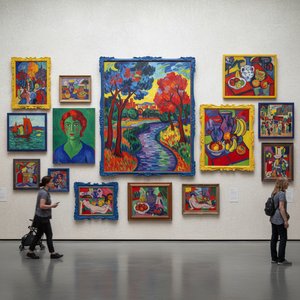
Fauvismens 10 Mesterværker: Kunst der revolutionerede farven – TopImpressionists.dk
Oplev fauvismens 10 mest ikoniske værker! Dyk ned i Henri Matisse, André Derains og andre fauvisters revolutionerende brug af farver. Find inspiration til din boligindretning & køb museumskvalitets kunsttryk på TopImpressionists.com.

The Gilded Age Reimagined: Exploring the Aesthetic Principles & Enduring Legacy of Art Deco
Explore the captivating world of Art Deco! Discover its origins, defining features, cultural impact & enduring legacy. Expert insights for collectors and design enthusiasts. Shop handmade reproductions at TopImpressionists.

Impressionismens Mestre: Top 10 Kunstværker til Dit Hjem – TopImpressionists.dk
Oplev impressionismens magi! Dyk ned i top 10 kunstværker af Monet, Renoir & Degas. Lær historierne bag disse ikoniske malerier og find inspiration til din indretning. Museumskvalitet reproduktioner på TopImpressionists.com – udforsk samlingen online!

André Derain: Fauvism's Bold Visionary & the Evolution of Modern Color
Explore the revolutionary art of André Derain, co-founder of Fauvism. Discover his bold use of color, evolution from radical expressionism to classicism, and lasting influence on modern art history. Learn more at TopImpressionists.
Udforsk kunstværker organiseret efter temaer, stilarter og karakteristika.


