

 Se i rummet
 Del som kort
 Del
Del
 Detaljer
 Guide
Guide

 Download
 Lignende værker
 Røntgenundersøgelse
 Diasshow
 Spørgsmål og svar
 Statistikker
the immaculate conception


Admire Bartolomé Murillo’s ‘The Immaculate Conception,’ a Baroque masterpiece of serene devotion & divine grace. Explore its chiaroscuro, symbolism & exquisite detail – a timeless work of art.
 Vis mere
Bartolomé Esteban Murillo (1618-1682) var en berømt spansk maler kendt for sine lysende religiøse scener, blide genrebilleder og idealiserede portrætter af det daglige liv i Sevilla.
Giclée / Kunsttryk
Giclée- eller lærredstryk i museumskvalitet med hurtig produktion og fleksible muligheder for finish. ( Køb håndmalet maleri Skift til digitalt billede)




P118B Dkr10

P118H Dkr10

P118W Dkr10

P438Z Dkr10

P508JH Dkr12

P508YH Dkr12

P805H Dkr10

P805Z Dkr10

P919BZ Dkr10

P919G Dkr10

P919XJ Dkr10

P959ZH Dkr10

P968JZ Dkr12

W106C Dkr8

W218G Dkr10

W218JH Dkr8

W218Y Dkr10

W307PJ Dkr10

W316G Dkr10

W316PJ Dkr8

W316Y Dkr10

W398PJ Dkr8

W4111J Dkr10

W500HY Dkr15

W500JH Dkr15

W692G Dkr12

W849H Dkr8

W940BG Dkr15

W953PJ Dkr8




Standardstørrelse
speciallavet
CM
INCH
Vælg mellem vores forudindstillede størrelser, der matcher kunstværkets originale proportioner.
Loading sizes...

bredde
højde
Indtast den bredde og højde, du har brug for, så det passer til din ramme eller din væg. Et print kan kun beskæres, aldrig gøres større end selve billedet, så en størrelse med et andet format vil medføre, at dele af motivet går tabt. Vi sender dig en digital mockup til godkendelse, før vi printer noget. Billedet vist på denne side viser ikke den faktiske beskæring — det er kun mockuppen, der gør.
Verdensomspændende levering () på 2 uger i stedet for de sædvanlige 4/5 uger. (8 november)

Gratis ekspresforsendelse til hele verden

Lærred af linned i høj kvalitet

Fuld transportforsikring

Garanti for refusion af told og importafgifter

Garanti for præcis farvegengivelse

100 dages returret ved fabrikationsfejl

100% fuld returret

Mængderabat ved flere køb
 Glasmulighed er kun tilgængelig i størrelser under 110 cm

the immaculate conception
Giclée / Kunsttryk
Størrelse på reproduktion
-


Samlet pris
Dkr 467
A Divine Encounter: The Story of Bartolomé Esteban Murillo’s “The Immaculate Conception”
Bartolomé Esteban Murillo's "The Immaculate Conception" isn’t merely a painting; it’s an immersion into the heart of 17th-century Spanish faith and artistic innovation. Completed around 1680, this oil on canvas masterpiece, currently residing in the Museo de Arte de Ponce in Puerto Rico, transcends its religious subject matter to become a profound meditation on grace, purity, and divine presence. Murillo, born in Seville amidst personal tragedy – the early loss of both parents – channeled his experiences into a style characterized by luminous color palettes, soft lighting, and an extraordinary ability to capture the delicate nuances of human emotion. This work stands as a testament to his skill and a captivating window into the fervent religious atmosphere of his time.
The painting immediately draws the eye with its overwhelming sense of serenity and light. A radiant glow emanates from behind Mary, bathing her in an ethereal luminescence that seems to defy earthly constraints. This dramatic chiaroscuro – the skillful contrast between light and shadow – isn’t simply a stylistic choice; it serves to elevate the Virgin to a realm beyond the mundane, suggesting her connection to the divine. The composition is carefully orchestrated, guiding the viewer's gaze towards Mary at its center, surrounded by an array of angels and symbolic elements that reinforce her sanctity.
Composition and Symbolism: Layers of Meaning
Murillo’s genius lies not just in his technical prowess but also in his masterful use of symbolism. The painting is rich with carefully chosen objects each carrying a potent religious significance. A book, open and resting at Mary's feet, represents her intellectual devotion and connection to scripture. A bowl, often interpreted as symbolizing humility and selflessness, further emphasizes her role as the vessel through which Christ was born. But perhaps the most striking symbol is the crescent moon, subtly placed in the upper left corner – a direct reference to the biblical vision of Saint John the Evangelist (Revelation 12:1), depicting “a woman clothed with the sun, with the moon under her feet.” This imagery powerfully conveys Mary’s purity and connection to both the earthly and celestial realms.
The swirling clouds in the background aren't merely decorative; they create a sense of depth and movement, drawing the viewer into the divine realm. The diagonal lines formed by Mary’s flowing robes and the positioning of the angels contribute to this dynamic effect, guiding the eye through the composition with effortless grace. Notice also the careful attention to detail in the rendering of the cherubs – their youthful faces brimming with innocence and adoration, mirroring the purity of the scene they surround.
Technique and Artistic Influence
Murillo’s technique is a remarkable blend of realism and idealism. He meticulously renders the textures of Mary's robes, the delicate folds of her garments, and the subtle details of the angels’ wings. Yet, he simultaneously imbues the scene with an ethereal quality, achieved through his masterful use of light and color. The smooth blending of colors, the visible brushstrokes that add depth and texture, and the overall sense of polished refinement are hallmarks of Murillo's distinctive style. His work reflects influences from earlier masters like Francisco de Zurbarán and Jusepe de Ribera, but he ultimately developed a unique voice—one characterized by warmth, tenderness, and an unparalleled ability to capture the emotional essence of religious subjects.
The painting’s flattened perspective, typical of Baroque art, prioritizes emotional impact over strict realism. Depth is created through layering and atmospheric perspective in the background clouds, further enhancing the sense of spatial depth without sacrificing the overall feeling of serenity and devotion. “The Immaculate Conception” isn't simply a depiction of a religious event; it’s an invitation to contemplate the profound mysteries of faith, grace, and divine love – a timeless masterpiece brought to life through Murillo’s extraordinary talent.
Spørgsmål og svar
Hvordan relaterer farverne i "the immaculate conception" af Bartolomé Esteban Murillo sig til værkets følelsesmæssige udtryk?
Den Dark farvepalet i "the immaculate conception" af Bartolomé Esteban Murillo harmonerer med værkets Spiritual følelsesmæssige tone. Farven er en af de måder, et værk formidler følelser på.
Hvilken farve dominerer kompositionen i "the immaculate conception" af Bartolomé Esteban Murillo?
Den dominerende farve i "the immaculate conception" af Bartolomé Esteban Murillo er Bronze (#c3780d).
Er "the immaculate conception" af Bartolomé Esteban Murillo et maleri, en tegning eller et tryk?
I kataloget er "the immaculate conception" af Bartolomé Esteban Murillo registreret som WallArt. Kategorien hjælper med at finde lignende værker.
Kunstnerbiografi
A Life Bathed in Andalusian Light
Bartolomé Esteban Murillo, en et synonyme med det gyldne tidsalder af den spanske barokkunst, trådte frem fra Sevilles pulserende hjerte i 1618. Hans liv, præget af personlig tragedie og samfundsændringer, blomstrede til en kunstnerisk karriere, der fangede tiden – en periode med religiøs fervor, sociale forandringer og spirende kunstnerisk innovation. Han blev født til Gaspar Esteban, en barber-kirurg, og María Pérez Murillo i en stor familie på fjorten børn. Den tidlige barndom var præget af tab, da begge hans forældre døde relativt hurtigt. Dette førte ham under beskyttelsen af sin søsters mand, Juan Agustín Lagares, en central figur, der indirekte vejledte hans kunstneriske vej. Murillos første træning begyndte hos Juan del Castillo, en lokal kunstner og familiemedlem via sin mor, hvilket lagde grundlaget for en stil, der senere blev unik for ham. De tidlige år var præget af realistiske traditioner i Sevilla, hvor han absorberede indflydelser fra mestre som Zurbarán, Ribera og Cano – kunstnere, der prioriterede skarp realisme og dramatisk intensitet. Men Murillos geni lå ikke blot i imitation, men i at transformere disse fundamenter til noget blødere, mere lystfuldt og dybt menneskeligt.Fra Realisme til Radiant Grace
Murillos kunstneriske rejse var ikke et pludseligt spring til berømmelse, men snarere en udvikling præget af distinkte faser. Hans tidlige værker, stærkt påvirket af hans samtidigheds austere realisme, viste en omhyggelig detalje og en dyster palet. *Young Man with a Basket of Fruit (Personification of Summer)*, skabt omkring 1640-50, illustrerer denne periode – en jordnær fremstilling af hverdags liv gengivet med bemærkelsesværdig præcision. Alligevel var der allerede i disse tidlige stykker antydninger af den venlighed og følelsesmæssige dybde, der skulle definere hans modne stil. *The Young Beggar*, malet omkring 1645, demonstrerer en voksende følsomhed over for menneskelig lidelse, hvilket afspejler påvirkningen fra Velázquez's mesterlige fremstillinger af almindelige mennesker. Efterhånden som Murillo modnede, gennemgik hans stil en bemærkelsesværdig transformation. Han bevægede sig væk fra den skarpe realisme hos sine forgængere og omfavnede en mere poleret og raffineret æstetik, der resonerede med Sevilles voksende borgerskab og aristokrati. Denne skift blev særligt tydelig i hans religiøse værker, hvor han indførte en hidtil uset følelsesmæssig tilgængelighed i traditionelle ikoner. *St. Jerome*, malet mellem 1650-52, er et bevis på denne modne stil – en blidt lysende fremstilling, der udstråler ro og hengivenhed.En Master of Religious Sentiment and Genre Scenes
Murillos kunstneriske output var bemærkelsesværdigt mangfoldigt, omfattende religiøse malerier, genre scener, portrætter og mytologiske motiver. Men han er mest berømt for sine fremstillinger af den hellige befrier – et emne, der fængede ham gennem hele hans karriere og resulterede i en række variationer, hver med en unik følelsesmæssig skønhed. Disse værker, karakteriseret ved deres delikate penselstrøg, lyse farver og elegante kompositioner, blev enormt populære og etablerede ham som den førende maler af religiøs kunst i Spanien. Ud over sine hellige emner excellerede Murillo også i at fange hverdagens liv for almindelige mennesker. Hans genre scener – fremstillinger af blomsterpiger, gadevildfarne og hjemløse – giver et rørende indblik i de sociale realiteter i 1600-tallets Sevilla. Disse malerier er ikke blot observationsstudier; de er gennemtrængt af en dyb medfølelse og venlighed, der løfter de ydmyge emner op til en grad af værdighed og elegance. Han besad en ekstraordinær evne til at fange børns uskyld, hvor han portrætterede unge børn med bemærkelsesværdig realisme og venlighed.Influences and Development
Murillos stil var resultatet af en blanding af indflydelser. Han begyndte med den realistiske tradition i Sevilla, der blev formet af mestre som Zurbarán og Ribera. Senere påvirkede besøget i Madrid, hvor han mødte Velázquez og studerede kunsten fra de kongelige samlinger, hans stil markant. Han adopterede elementer fra det venetianske og flamske barokmaleri, hvilket førte til en mere lystfuld og lysende æstetik. Hans tidlige værker er præget af et skarpt fokus på detaljer og en dyster palet, mens hans senere værker er kendt for deres bløde farver, elegante kompositioner og følelsesmæssige dybde. Han var også en dygtig portrætmaler, der malede portrætter af medlemmer af den spanske kongefamilie og adelen.Legacy and Enduring Influence
Bartolomé Esteban Murillos indflydelse på kunstens forløb i Spanien – og faktisk europæisk kunst – er uomtvistelig. Han etablerede en distinkt stil, der forenede religiøs hengivenhed med humanistisk venlighed, hvilket skabte værker, der resonerede dybt hos publikum på tværs af sociale lag. Hans indflydelse spredte sig langt ud over hans fødselsland, inspirerede generationer af kunstnere i hele Europa. Gainsborough og Greuze, blandt andre, anerkendte deres gæld til Murillos lystfulde stil og følsomme fremstillinger af menneskelige følelser. Han uddannede mange elever i sit Sevillas værksted, hvilket sikrede fortsættelsen af hans kunstneriske arv. Hans malerier findes i prestigefyldte museer over hele verden, herunder Prado-museet i Madrid, Hermitage-museet i Sankt Petersborg, Wallace Collection i London og Timken Museum of Art i San Diego – testamenter til hans vedvarende appel og historiske betydning. Murillos kunst fortsætter med at fange betragterens opmærksomhed med sin skønhed, elegance og dybe menneskelighed, hvilket sikrer, at hans værk forbliver relevant og inspirerende århundreder efter hans død i 1682.
Bartolomé Esteban Murillo
1618 - 1682 , Spanien
Kort om kunstneren
- Artistic Movement Or Style: Barok maleri
- Artists Or Movements Influenced By This Artist:
- Gainsborough
- Greuze
- Artists Who Influenced This Artist:
- Zurbarán
- Ribera
- Date Of Birth: Januar 1, 1618
- Date Of Death: April 3, 1682
- Full Name: Bartolomé Esteban Murillo
- Nationality: Spansk
- Notable Artworks:
- Umaria Koncept.
- Ung fordærvet
- Place Of Birth: Sevilla, Spanien
Relaterede artikler
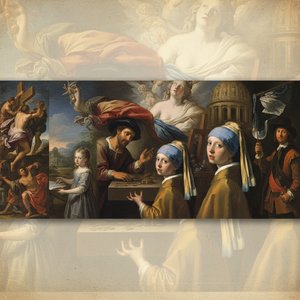
Barokkens Mestre: Top 10 Kunstværker der Definerede en Æra | TopImpressionists.dk
Oplev barokkens storhed! Dyk ned i 10 ikoniske kunstværker af Caravaggio, Rembrandt & Vermeer. Lær historierne bag mesterværkerne og find inspiration til din indretning med museumskvalitets reproduktioner på TopImpressionists.com

The Dramatic Flourish: Exploring the Baroque Movement's Enduring Legacy in Art History
Explore the dramatic world of Baroque art! Discover iconic artists like Caravaggio & Rubens, defining techniques, and its lasting impact on art history. Expert insights for collectors & enthusiasts at TopImpressionists.

Bartolomé Esteban Murillo: Divine Light & Social Commentary in Golden Age Seville
Explore the captivating world of Bartolomé Esteban Murillo, a master of Spanish Baroque painting. Discover his luminous religious scenes, tender genre paintings & lasting legacy in Golden Age Seville. Learn more at TopImpressionists.

Barokkens Drama: Hvordan Storhed og Emotion Bringes Ind i Moderne Interiører
Dyk ned i barokkunstens verden! Lær om stilens historie, karakteristika og hvordan du integrerer dens drama og elegance i dit moderne hjem. Inspiration & ekspertrådgivning.

The Visceral Stage: Exploring Dramatic Narratives & Emotional Intensity in Baroque Art
Explore the dramatic world of Baroque art! Discover iconic masters like Caravaggio & Rembrandt, their techniques, and the movement's lasting impact. Expert insights for collectors & enthusiasts at TopImpressionists.