


 Se i rummet
 Send
Send Del
Del
 Detaljer
 Studieguide til kunstværker

 Download
 Lignende værker
 Røntgenundersøgelse
 Se diasshow
 Statistik
Amor Victorious
 Olie på lærred
- Vægkunst
- Baroque
 1602
1602- Tidlig moderne tid
 156.0 x 113.0 cm
Caravaggio's 'Amor Victorious': Et ikonisk barokmaleri præget af dramatik og lysspil, hvor kærligheden sejrer over alt andet. Oplev kunstens triumf i Gemäldegalerie Berlin!
 Læs mere
Oplev Caravaggio (1571-1610): Barokkens mester i realisme & tenebrisme. Dramatiske religiøse scener, intens chiaroscuro og en revolutionerende stil.
Håndlavet oliereproduktion
Håndmalet olie på lærred i din valgte størrelse og ramme, udført efter bestilling af vores kunstnere. ( Skift til printversion Skift til digitalt billede)




P118B Dkr10

P118H Dkr10

P118W Dkr10

P438Z Dkr10

P508JH Dkr12

P508YH Dkr12

P805H Dkr10

P805Z Dkr10

P919BZ Dkr10

P919G Dkr10

P919XJ Dkr10

P959ZH Dkr10

P968JZ Dkr12

W106C Dkr8

W218G Dkr10

W218JH Dkr8

W218Y Dkr10

W307PJ Dkr10

W316G Dkr10

W316PJ Dkr8

W316Y Dkr10

W398PJ Dkr8

W4111J Dkr10

W500HY Dkr15

W500JH Dkr15

W692G Dkr12

W849H Dkr8

W940BG Dkr15

W953PJ Dkr8




Standardstørrelse
speciallavet
CM
INCH
Vælg mellem vores forudindstillede størrelser, der matcher kunstværkets originale proportioner.
Loading sizes...

bredde
højde
Indtast den bredde og højde, du har brug for, så det passer til din ramme eller din væg. Da dette er håndmalet, kan kunstneren ved en anden form på størrelsen male lidt mere rundt om billedet eller skære lidt væk — det er op til dig. Vi sender dig et digitalt mockup til godkendelse, før maleriet påbegyndes. Billedet, der vises på denne side, viser ikke det endelige resultat — det er kun mockuppet, der gør.
Eksempler på tilpasningsmuligheder: Udskift ansigt med kundens eget foto; Tilføj kæledyr (f.eks. udskift kat med hund); Inkluder en skjult besked i baggrunden; Ændr baggrundslandskab eller elementer.
Efter bestilling vil TopImpressionists.com team sende en e-mail til kunden for at indhente instruktioner og fremsende et udkast til gennemgang.
Efter bestilling vil TopImpressionists.com team sende en e-mail til kunden for at indhente instruktioner og fremsende et udkast til gennemgang.
Levering i hele verden () på 3-4 uger i stedet for de standard 5 uger. (24 oktober). Ingen kompromiser med kvaliteten.

Gratis ekspresforsendelse til hele verden

Lærred af linned i høj kvalitet

Komplet transportforsikring

Garanti for refusion af told og importafgifter

Garanti for autentisk farvegengivelse

100 dages returret ved fabrikationsfejl

100% fuld returret

Mængderabat ved flere køb
 Glasmulighed er kun tilgængelig i størrelser under 110 cm

Amor Victorious
Reproduktionsmateriale
Reproduktionsstørrelse
-


Samlet pris
Dkr 1765
A Triumph of Love: Unveiling Caravaggio’s *Amor Victorious*
Caravaggio's *Amor Victorious*, painted in 1602, is a breathtaking embodiment of the Baroque period – a moment in art history defined by drama, realism, and intense emotion. Measuring 156 x 113 cm, this oil on canvas currently resides at the Gemäldegalerie in Berlin, captivating viewers with its audacious depiction of Cupid’s dominion. It's a painting that immediately grabs your attention, pulling you into a world of shadowed grandeur and palpable passion.The Allegory Unfolded: A God Above All
This is not your typical cherubic Cupid. Caravaggio presents a powerfully built, almost boyish god of love standing triumphantly amidst the discarded symbols of earthly pursuits. He embodies the very essence of Baroque art—a deliberate rejection of Renaissance idealism in favor of visceral truth. As Virgil’s line that inspired the work proclaims – “love conquers all; let us all yield to love!” – this sentiment is visually asserted before our eyes. At Cupid’s feet lie a lute, violin, musical score, a military helmet, and regal emblems of governance – all rendered powerless before his might. The composition is dynamic, triangular in form, drawing the eye upwards to Cupid’s confident stance; it's as if he commands attention with every gesture. His slightly crooked grin and tousled hair lend him an approachable humanity, a deliberate departure from idealized representations common at the time. This isn’t merely beauty; it’s defiance.Masterful Technique: Chiaroscuro & Realism
Caravaggio's signature technique – *tenebrism*, a dramatic use of light and shadow (chiaroscuro) – is on full display, transforming the canvas into a stage for emotional revelation. A strong, unseen light source illuminates Cupid’s body, highlighting his musculature and creating a palpable sense of depth. This stark contrast intensifies the emotional impact and draws attention to every detail, from the texture of the instruments to the glint in Cupid's eye. The artist’s commitment to realism is striking; he doesn’t shy away from portraying Cupid as a physically robust figure, grounding the allegorical subject matter in tangible reality. It’s this masterful manipulation of light that elevates *Amor Victorious* beyond mere decoration—it becomes an experience for the viewer.Historical Context & Patronage
Commissioned by Vincenzo Giustiniani, a wealthy Roman collector known for his patronage of the arts, *Amor Victorious* quickly became a prized possession within his collection. The painting emerged during a period of intense artistic rivalry in 17th-century Rome, where artists fiercely competed for commissions and acclaim. Caravaggio’s boldness challenged established conventions, pushing boundaries of style and expression. Interestingly, the pose of Cupid bears a striking resemblance to Michelangelo's *Victory*, which now graces the Palazzo Vecchio in Florence—a testament to Caravaggio’s admiration for Renaissance masters while simultaneously forging his own distinctive artistic voice. Giustiniani’s influence ensured that this masterpiece would be preserved and appreciated for generations to come.Symbolism & Interpretation
Beyond its literal depiction, *Amor Victorious* invites deeper contemplation. While scholarly debates continue regarding Caravaggio's personal life—often fueled by speculation rather than verifiable evidence—modern scholarship largely dismisses these claims. The painting’s core message remains unambiguous: love transcends all earthly concerns and holds dominion over intellect, power, and artistic inspiration. It’s a celebration of passion, desire, and the irresistible force that shapes human experience. Consider how this image resonates with you – its dramatic grandeur, its unflinching realism, and its enduring exploration of fundamental human emotions.Emotional Resonance & Lasting Legacy
*Amor Victorious* isn't merely aesthetically pleasing; it’s emotionally charged—a powerful statement about the transformative potential of love. The painting evokes feelings of exhilaration mingled with vulnerability – acknowledging that true passion demands courage and openness. Caravaggio’s influence extends far beyond his own lifetime, inspiring artists across centuries who strive to capture the essence of human emotion with comparable intensity. Its enduring presence in the Gemäldegalerie Berlin serves as a reminder of the brilliance of Baroque art and its ability to captivate audiences still today. It's a painting that continues to provoke discussion and admiration—a true cornerstone of artistic history.Considerations for Collectors & Designers
- Color Palette: The rich warm tones – browns, reds, and golds – create an atmosphere of intimacy and passion, making it suitable for dining rooms, libraries or bedrooms.
- Stylistic Harmony: Pairs beautifully with Baroque furniture, dramatic lighting schemes, and richly textured fabrics.
- Focal Point: Its dynamic composition makes it an ideal focal point in a room, drawing the eye and sparking conversation.
- Reproduction Quality: When considering a reproduction, prioritize high-resolution printing on canvas to capture the nuances of Caravaggio’s brushwork and chiaroscuro effect.
A Life Forged in Shadow and Light
Michelangelo Merisi da Caravaggio, a name synonymous with the dramatic intensity of Baroque painting, was born in Milan in 1571, a period steeped in both artistic flourishing and societal upheaval. His early life was marked by loss; plague ravaged his hometown, claiming the lives of his father and grandfather when he was just six years old. Raised amidst relative poverty, young Michelangelo’s formative years instilled within him a keen awareness of human suffering and resilience—themes that would later dominate his canvases. He began his artistic training in Milan under Simone Peterzano, a former pupil of Titian, absorbing the fundamentals of Renaissance technique but already hinting at a rebellious spirit that would soon shatter conventional norms. This apprenticeship provided a solid foundation, yet it was in Rome, arriving around 1592, that Caravaggio truly found his voice, though not without initial struggle and hardship. TheSpørgsmål & svar
Hvor placerer "Amor Victorious" af Caravaggio sig i kunsthistorien?
Den kunsthistoriske klassificering af "Amor Victorious" af Caravaggio er Baroque, i Tidlig moderne tid-perioden.
Hvad handler "Amor Victorious" om, og hvilken atmosfære formidler den?
"Amor Victorious" viser cupid, love, religion, drama, light, shadow, allegory, rome, og den stemning, der er indfanget, er Dramatisk.
Hvor gammel var Caravaggio, da vedkommende skabte "Amor Victorious"?
Caravaggio var 31 år gammel, da vedkommende skabte "Amor Victorious" i 1602. Alderen er beregnet ud fra kunstnerens fødselsår, 1571.
Om kunstneren
Et Liv Smedet i Skygge og Lys
Michelangelo Merisi da Caravaggio, et navn synonymt med den barokkes dramatiske intensitet, blev født i Milano i 1571, en periode præget af både kunstnerisk blomstring og samfundsmæssig uro. Hans tidlige liv var mærket af tab; pest hærgede hans hjemby, tog livet af hans far og bedstefar, da han kun var seks år gammel. Opvokset under relativ fattigdom indgydte Michelangelos formative år ham en skarp bevidsthed om menneskelig lidelse og modstandskraft – temaer, der senere skulle dominere hans lærreder. Han begyndte sin kunstneriske uddannelse i Milano under Simone Peterzano, en tidligere elev af Tizian, hvor han absorberede det renæssancemæssige techniques grundlæggende principper, men allerede antydede et oprørsk sind, der snart skulle knuse konventionelle normer. Denne lærlingeuddannelse gav et solidt fundament, men det var i Rom omkring 1592, at Caravaggio virkelig fandt sin stemme, om end ikke uden indledende kamp og modgang. Byen, et pulserende centrum for kunstnerisk patronage og religiøs glød, viste sig både lokkende og ubarmhjertig overfor den ambitiøse unge maler.En Revolutionerende Vision: Teknik og Stil
Caravaggios ankomst til Rom varslede et seismisk skift i det italienske kunstlandskabs udstrækning. Han afviste den fremherskende manieristiske stil – karakteriseret ved dens kunstige elegance og aflange former – til fordel for en kompromisløs realisme, der chokerede og fængslede publikum. Hans mest definerende innovation var hans mesterlige brug af chiaroscuro, den dramatiske kontrast mellem lys og mørke, som han hævede til et nyt niveau af udtryksfuld kraft. Denne teknik, ofte omtalt som tenebrisme, var ikke blot et æstetisk valg; det var et middel til at intensivere følelsesmæssig virkning, trække seerne ind i scenens hjerte og give hans figurer en håndgribelig fornemmelse af nærvær. Han fraskrev sig idealiserede fremstillinger og befolkedede sine malerier med almindelige mennesker – ofte hentet fra Roms gader – som modeller for religiøse figurer. Denne radikale tilgang udfordrede traditionelle forestillinger om skønhed og hellighed, hvilket gjorde det hellige relaterbart og dybt menneskeligt. Hans kompositioner var ofte nøgne og direkte, fokuseret på afgørende øjeblikke af intens drama, hvad enten det var den brutale realisme i “Kristi fangst” eller den stille kontemplation i “Sankt Frans af Assisi i ekstase”.Nøgleværker og Varig Indflydelse
Gennem sin relativt korte karriere producerede Caravaggio et værk, der fortsat genlyder hos publikum i dag. Tidlige værker som “Spåkonen” (1594) demonstrerer hans spirende talent for at fange realistiske detaljer og psykologisk nuance. “Emmaus’ nadver” (1601-1602), der findes på National Gallery i London, er et eksempel på hans beherskelse af chiaroscuro og evnen til at formidle dyb følelsesmæssig dybde inden for en bibelsk fortælling. “David med Goliat’s hoved” (ca. 1610) er særligt hjemsøgende, ofte fortolket som et selvportræt, der afspejler Caravaggios egen problematiske tilstand. Hans indflydelse strakte sig langt ud over Italien og inspirerede en generation af kunstnere kendt som Caravaggisterne eller “skyggemalerne”, der adopterede hans stil i hele Europa. Bemærkelsesværdige efterfølgere omfattede Peter Paul Rubens, Jusepe de Ribera og Gerrit van Honthorst, der hver tilpassede Caravaggios teknikker til deres egne unikke kunstneriske visioner.Et Tumultarisk Eksistens og Vedvarende Arv
Caravaggios liv var lige så dramatisk og turbulent som hans kunst. Et ustabilt temperament og en forkærlighed for slagsmål førte ham ofte i problemer med loven, hvilket kulminerede i en mordcharge i 1606, der tvang ham til at flygte fra Rom. De næste fire år vandrede han gennem Napoli, Malta og Sicilien, fortsatte med at male, mens han desperat søgte en pavelig benådning. På trods af sine bestræbelser forblev han lovløs, hjemsøgt af sin fortid og plaget af personlige konflikter. Han døde i Porto Ercole, Italien, i 1610 under mystiske omstændigheder – årsagen til hans død er stadig genstand for debat, med teorier der spænder fra feber til forgiftning. Selvom hans liv blev kort, består Caravaggios kunstneriske arv som et vidnesbyrd om hans revolutionerende vision og urokkelige engagement i realismen. Han udfordrede konventionerne i sin tid, banede vejen for en mere moderne tilgang til maleri og satte et varigt præg på vestlig kunsthistorie. Hans arbejde fortsætter med at inspirere ærefrygt og fremprovokere kontemplation, hvilket minder os om kunsten kraft til at belyse de mørkeste hjørner af den menneskelige oplevelse.
Caravaggio
1571 - 1610 , Spanien
Hurtige fakta
- Bemærkelsesværdige Værker:
- Fortune Teller
- Supper at Emmaus
- David med Goliath
- Dødsdato: 18. juli 1610
- Fulde Navn: Michelangelo Merisi da Caravaggio
- Fødested: Milano, Spanien
- Fødselsdato: 29. september 1571
- Kunstnere Der Påvirkede:
- Titian
- Leonardo da Vinci
- Kunstnere/Bevægelser Påvirket:
- Rubens
- Ribera
- Caravaggisti
- Kunstnerisk Bevægelse: Barok, Tenebrisme
- Nationalitet: Italiensk
Relaterede artikler

The Dramatic Flourish: Exploring the Baroque Movement's Enduring Legacy in Art History
Explore the dramatic world of Baroque art! Discover iconic artists like Caravaggio & Rubens, defining techniques, and its lasting impact on art history. Expert insights for collectors & enthusiasts at TopImpressionists.
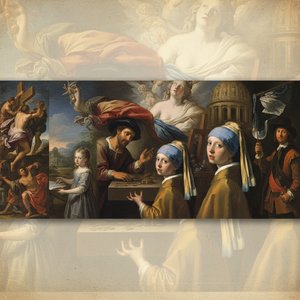
Barokkens Mestre: Top 10 Kunstværker der Definerede en Æra | TopImpressionists.dk
Oplev barokkens storhed! Dyk ned i 10 ikoniske kunstværker af Caravaggio, Rembrandt & Vermeer. Lær historierne bag mesterværkerne og find inspiration til din indretning med museumskvalitets reproduktioner på TopImpressionists.com

Michelangelo Buonarottis 25 Mesterværker: Skulpturer & Malerier til Dit Hjem | TopImpressionists
Oplev Michelangelos 25 mest ikoniske værker – fra David til Pietà og Sixtinske Kapel. Lær om renæssancens mester, hans teknikker & tidløse kunst. Find museumskvalitets reproduktioner på TopImpressionists.com.

The Visceral Stage: Exploring Dramatic Narratives & Emotional Intensity in Baroque Art
Explore the dramatic world of Baroque art! Discover iconic masters like Caravaggio & Rembrandt, their techniques, and the movement's lasting impact. Expert insights for collectors & enthusiasts at TopImpressionists.

Caravaggio's Revolutionary Realism: A Study of Light, Shadow, and the Human Condition
Explore the revolutionary realism of Caravaggio! Discover his mastery of light & shadow (tenebrism), dramatic religious scenes, and lasting influence on Baroque art history. A comprehensive guide for art enthusiasts.
Udforsk kunstværker organiseret efter temaer, stilarter og karakteristika.


