Se i rummet
 Del som kort
 Del
Del
 Detaljer
 Guide
Guide

 Download
 Lignende værker
 Røntgenundersøgelse
 Diasshow
 Q&A
Q&A Statistikker
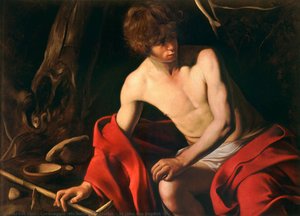
ragazzo con canestro di frutta


Experience the dramatic tenebrism of Caravaggio's masterpiece Young Man with Fruit Basket, where intense light meets realistic detail in this Baroque gem, perfect for adding timeless elegance to your private collection.
 Vis mere
Oplev Caravaggio (1571-1610): Barokkens mester i realisme & tenebrisme. Dramatiske religiøse scener, intens chiaroscuro og en revolutionerende stil.
Giclée / Kunsttryk
Giclée- eller lærredstryk i museumskvalitet med hurtig produktion og fleksible muligheder for finish. ( Køb håndmalet maleri Skift til digitalt billede)




P118B Dkr10

P118H Dkr10

P118W Dkr10

P438Z Dkr10

P508JH Dkr12

P508YH Dkr12

P805H Dkr10

P805Z Dkr10

P919BZ Dkr10

P919G Dkr10

P919XJ Dkr10

P959ZH Dkr10

P968JZ Dkr12

W106C Dkr8

W218G Dkr10

W218JH Dkr8

W218Y Dkr10

W307PJ Dkr10

W316G Dkr10

W316PJ Dkr8

W316Y Dkr10

W398PJ Dkr8

W4111J Dkr10

W500HY Dkr15

W500JH Dkr15

W692G Dkr12

W849H Dkr8

W940BG Dkr15

W953PJ Dkr8




Standardstørrelse
speciallavet
CM
INCH
Vælg mellem vores forudindstillede størrelser, der matcher kunstværkets originale proportioner.
Loading sizes...

bredde
højde
Indtast den bredde og højde, du har brug for, så det passer til din ramme eller din væg. Et print kan kun beskæres, aldrig gøres større end selve billedet, så en størrelse med et andet format vil medføre, at dele af motivet går tabt. Vi sender dig en digital mockup til godkendelse, før vi printer noget. Billedet vist på denne side viser ikke den faktiske beskæring — det er kun mockuppen, der gør.
Verdensomspændende levering () på 2 uger i stedet for de sædvanlige 4/5 uger. (29 oktober)

Gratis ekspresforsendelse til hele verden

Lærred af linned i høj kvalitet

Fuld transportforsikring

Garanti for refusion af told og importafgifter

Garanti for præcis farvegengivelse

100 dages returret ved fabrikationsfejl

100% fuld returret

Mængderabat ved flere køb
 Glasmulighed er kun tilgængelig i størrelser under 110 cm

ragazzo con canestro di frutta
Giclée / Kunsttryk
Størrelse på reproduktion
-


Samlet pris
Dkr 461
A Symphony of Light and Stillness
In the quiet corners of the Galleria Borghese, there exists a moment frozen in time, a masterpiece that captures the very essence of the Baroque soul. Caravaggio’s Ragazzo con canestro di frutta, or Young Man with Fruit Basket, is far more than a simple study of a youth and his harvest; it is a profound meditation on the fleeting nature of life. Painted during the artist's formative years in Rome around 1593-1594, this work serves as an early, breathtaking testament to his revolutionary ability to breathe life into the inanimate. As one gazes upon the canvas, the initial impression is one of startling intimacy, as if the viewer has stumbled upon a private moment of contemplation in a sun-drenched Roman studio.
The composition is anchored by the striking presence of a young man, whose gaze holds a subtle, enigmatic quality that bridges the gap between the painted world and our own. He carries a basket overflowing with the bounties of the earth—apples, pears, plums, and oranges—each rendered with such meticulous, tactile precision that one can almost sense the cool skin of the fruit and the sweet scent of ripening nectar. This level of verismo, or hyper-realism, was Caravaggio's gift to the art world, stripping away the idealized veneers of the Renaissance to reveal the raw, unadorned beauty of the natural world.
The Drama of Shadow and Substance
To understand this painting is to understand the mastery of tenebrism. Caravaggio does not merely use light; he wields it like a sculptor’s chisel. A radiant, directional glow strikes the young man's shoulder and the upper edges of the fruit, pulling them forward from an encroaching, velvety darkness. This dramatic interplay of chiaroscuro creates a sense of three-dimensional volume that is nothing short of hypnotic. The deep shadows do not simply represent empty space; they provide a psychological depth, suggesting mysteries that lie just beyond the reach of the light, inviting the observer to linger and wonder.
For the discerning collector or interior designer, this technique offers an unparalleled emotional resonance. The stark contrasts within the piece lend themselves beautifully to sophisticated environments, providing a focal point that commands attention through its quiet intensity rather than loud color. The way the light dances across the textures of the basket's weave and the soft flesh of the fruit creates a rhythmic visual experience that can anchor a room with both elegance and gravitas.
Symbolism and the Eternal Moment
Beneath the surface of this beautiful arrangement lies a complex web of symbolism. The abundance of the fruit basket serves as a classic memento mori—a reminder of the cycle of life, growth, and inevitable decay. While the fruits appear at the peak of their perfection, the very realism Caravaggio employs hints at the ephemeral nature of beauty. This tension between the vibrant present and the approaching shadow is what gives the work its enduring emotional impact, evoking a sense of bittersweet nostalgia that resonates across centuries.
Integrating a high-quality reproduction of this masterpiece into a contemporary space allows for a continuous dialogue with history. It brings into the home not just a beautiful image, but a piece of the Baroque revolution. Whether placed in a minimalist gallery-style setting or a richly textured classical study, Ragazzo con canestro di frutta acts as a window into the profound, reminding us that even in the simplest basket of fruit, there is a universe of light, shadow, and human emotion waiting to be discovered.
Spørgsmål og svar
Hvor kan jeg finde kunstværker, der ligner "ragazzo con canestro di frutta" af Caravaggio?
Se lignende værker til "ragazzo con canestro di frutta" på siden Lignende værker.
Hvordan forenes medie og bevægelse i "ragazzo con canestro di frutta"?
I "ragazzo con canestro di frutta" forenes Oil On Canvas-teknikken med Baroque Painting-bevægelsen.
Hvilken kunstretning tilhører "ragazzo con canestro di frutta" af Caravaggio?
"ragazzo con canestro di frutta" af Caravaggio tilhører Baroque Painting-bevægelsen. Denne bevægelse giver den stilistiske kontekst for værket.
Kunstnerbiografi
Et Liv Smedet i Skygge og Lys
Michelangelo Merisi da Caravaggio, et navn synonymt med den barokkes dramatiske intensitet, blev født i Milano i 1571, en periode præget af både kunstnerisk blomstring og samfundsmæssig uro. Hans tidlige liv var mærket af tab; pest hærgede hans hjemby, tog livet af hans far og bedstefar, da han kun var seks år gammel. Opvokset under relativ fattigdom indgydte Michelangelos formative år ham en skarp bevidsthed om menneskelig lidelse og modstandskraft – temaer, der senere skulle dominere hans lærreder. Han begyndte sin kunstneriske uddannelse i Milano under Simone Peterzano, en tidligere elev af Tizian, hvor han absorberede det renæssancemæssige techniques grundlæggende principper, men allerede antydede et oprørsk sind, der snart skulle knuse konventionelle normer. Denne lærlingeuddannelse gav et solidt fundament, men det var i Rom omkring 1592, at Caravaggio virkelig fandt sin stemme, om end ikke uden indledende kamp og modgang. Byen, et pulserende centrum for kunstnerisk patronage og religiøs glød, viste sig både lokkende og ubarmhjertig overfor den ambitiøse unge maler.En Revolutionerende Vision: Teknik og Stil
Caravaggios ankomst til Rom varslede et seismisk skift i det italienske kunstlandskabs udstrækning. Han afviste den fremherskende manieristiske stil – karakteriseret ved dens kunstige elegance og aflange former – til fordel for en kompromisløs realisme, der chokerede og fængslede publikum. Hans mest definerende innovation var hans mesterlige brug af chiaroscuro, den dramatiske kontrast mellem lys og mørke, som han hævede til et nyt niveau af udtryksfuld kraft. Denne teknik, ofte omtalt som tenebrisme, var ikke blot et æstetisk valg; det var et middel til at intensivere følelsesmæssig virkning, trække seerne ind i scenens hjerte og give hans figurer en håndgribelig fornemmelse af nærvær. Han fraskrev sig idealiserede fremstillinger og befolkedede sine malerier med almindelige mennesker – ofte hentet fra Roms gader – som modeller for religiøse figurer. Denne radikale tilgang udfordrede traditionelle forestillinger om skønhed og hellighed, hvilket gjorde det hellige relaterbart og dybt menneskeligt. Hans kompositioner var ofte nøgne og direkte, fokuseret på afgørende øjeblikke af intens drama, hvad enten det var den brutale realisme i “Kristi fangst” eller den stille kontemplation i “Sankt Frans af Assisi i ekstase”.Nøgleværker og Varig Indflydelse
Gennem sin relativt korte karriere producerede Caravaggio et værk, der fortsat genlyder hos publikum i dag. Tidlige værker som “Spåkonen” (1594) demonstrerer hans spirende talent for at fange realistiske detaljer og psykologisk nuance. “Emmaus’ nadver” (1601-1602), der findes på National Gallery i London, er et eksempel på hans beherskelse af chiaroscuro og evnen til at formidle dyb følelsesmæssig dybde inden for en bibelsk fortælling. “David med Goliat’s hoved” (ca. 1610) er særligt hjemsøgende, ofte fortolket som et selvportræt, der afspejler Caravaggios egen problematiske tilstand. Hans indflydelse strakte sig langt ud over Italien og inspirerede en generation af kunstnere kendt som Caravaggisterne eller “skyggemalerne”, der adopterede hans stil i hele Europa. Bemærkelsesværdige efterfølgere omfattede Peter Paul Rubens, Jusepe de Ribera og Gerrit van Honthorst, der hver tilpassede Caravaggios teknikker til deres egne unikke kunstneriske visioner.Et Tumultarisk Eksistens og Vedvarende Arv
Caravaggios liv var lige så dramatisk og turbulent som hans kunst. Et ustabilt temperament og en forkærlighed for slagsmål førte ham ofte i problemer med loven, hvilket kulminerede i en mordcharge i 1606, der tvang ham til at flygte fra Rom. De næste fire år vandrede han gennem Napoli, Malta og Sicilien, fortsatte med at male, mens han desperat søgte en pavelig benådning. På trods af sine bestræbelser forblev han lovløs, hjemsøgt af sin fortid og plaget af personlige konflikter. Han døde i Porto Ercole, Italien, i 1610 under mystiske omstændigheder – årsagen til hans død er stadig genstand for debat, med teorier der spænder fra feber til forgiftning. Selvom hans liv blev kort, består Caravaggios kunstneriske arv som et vidnesbyrd om hans revolutionerende vision og urokkelige engagement i realismen. Han udfordrede konventionerne i sin tid, banede vejen for en mere moderne tilgang til maleri og satte et varigt præg på vestlig kunsthistorie. Hans arbejde fortsætter med at inspirere ærefrygt og fremprovokere kontemplation, hvilket minder os om kunsten kraft til at belyse de mørkeste hjørner af den menneskelige oplevelse.
Caravaggio
1571 - 1610 , Spanien
Kort om kunstneren
- Bemærkelsesværdige Værker:
- Fortune Teller
- Supper at Emmaus
- David med Goliath
- Dødsdato: 18. juli 1610
- Fulde Navn: Michelangelo Merisi da Caravaggio
- Fødested: Milano, Spanien
- Fødselsdato: 29. september 1571
- Kunstnere Der Påvirkede:
- Titian
- Leonardo da Vinci
- Kunstnere/Bevægelser Påvirket:
- Rubens
- Ribera
- Caravaggisti
- Kunstnerisk Bevægelse: Barok, Tenebrisme
- Nationalitet: Italiensk
Relaterede artikler

The Drama of Light: Capturing Emotion and Spiritual Fervor in Baroque Portraiture
Explore the breathtaking drama of Baroque portraiture. Discover how masters like Caravaggio used chiaroscuro to capture profound emotion, spiritual fervor, and psychological depth through the revolutionary interplay of light and shadow.

Drama and Light: Discover the Captivating Grandeur of Baroque Art
Immerse yourself in the dramatic splendor of Baroque art. Explore the profound impact of light, shadow, and the Counter-Reformation through an expert historical lens, celebrating the masters who defined an era of unparalleled grandeur and emotional intensity.

Chiaroscuro & Emotion: Capturing the Dramatic Soul of Baroque Art
Explore the profound drama of Baroque art. Discover how masters used chiaroscuro and intense emotion to capture the soul of the 17th century through light, shadow, and spiritual grandeur in this expert art history guide.
Udforsk kunstværker organiseret efter temaer, stilarter og karakteristika.