
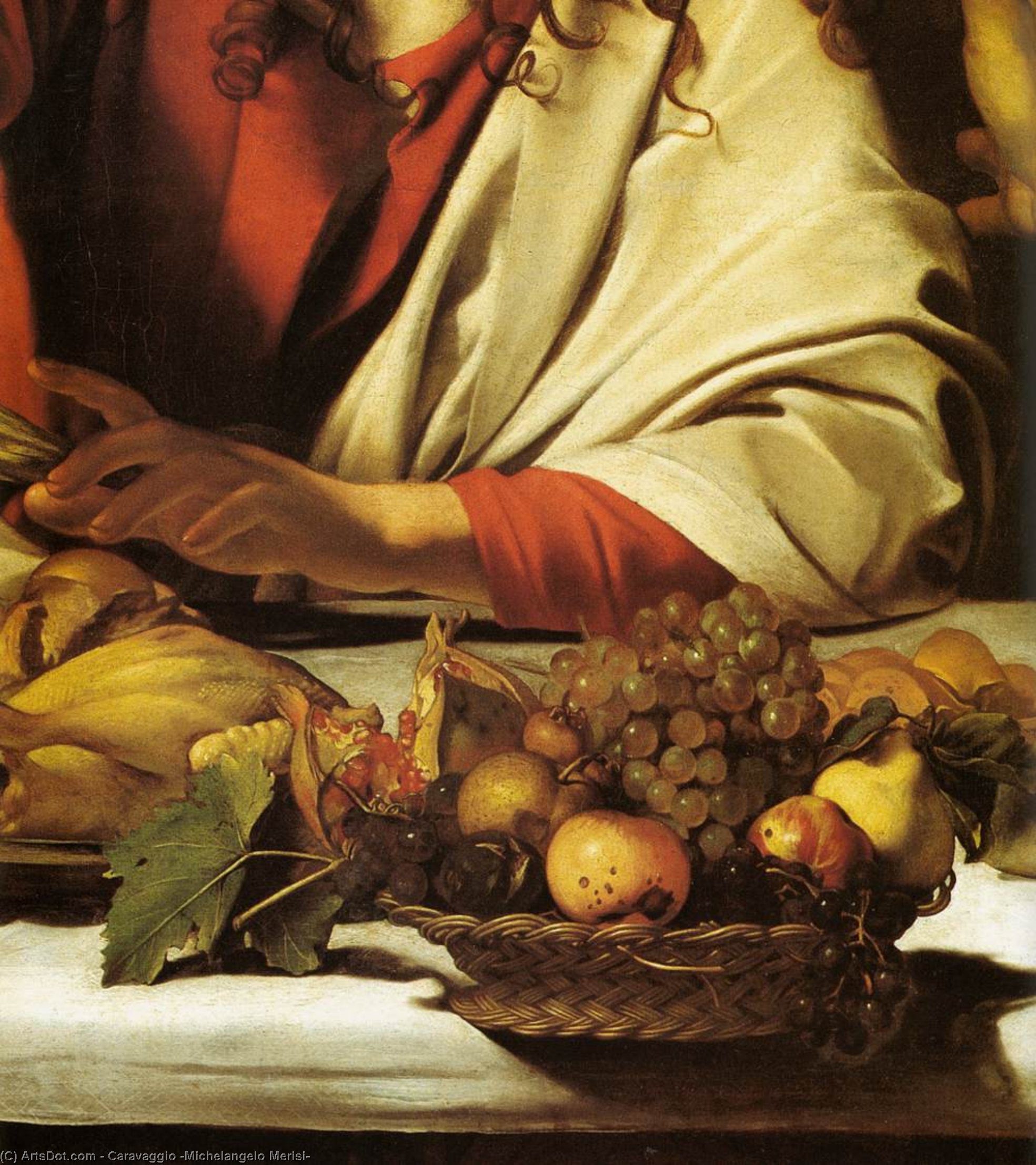
Shown: · With its frame:
 Se i rummet
 Del som kort
 Del
Del
 Detaljer
 Guide
Guide

 Download
 Lignende værker
 Røntgenundersøgelse
 Diasshow
 Q&A
Q&A Statistikker


Dkr 1782
Håndlavet oliereproduktion
Håndmalet olie på lærred i din valgte størrelse og ramme, udført efter bestilling af vores kunstnere. ( Skift til printsalg Skift til digitalt billede)
Size
·Standardstørrelse
speciallavet
CM
INCH
Vælg mellem vores forudindstillede størrelser, der matcher kunstværkets originale proportioner.
Loading sizes...

bredde
højde
Indtast den bredde og højde, du har brug for, så det passer til din ramme eller din væg. Da dette er håndmalet, kan kunstneren ved en anden form på størrelsen male lidt mere rundt om billedet eller skære lidt væk — det er op til dig. Vi sender dig et digitalt mockup til godkendelse, før maleriet påbegyndes. Billedet, der vises på denne side, viser ikke det endelige resultat — det er kun mockuppet, der gør.
 Læs mere
Finish
·
White Dkr1

Blurside Dkr1

Extended Dkr1

P118B Dkr10

P118H Dkr10

P118W Dkr10

P438Z Dkr10

P508JH Dkr12

P508YH Dkr12

P805H Dkr10

P805Z Dkr10

P919BZ Dkr10

P919G Dkr10

P919XJ Dkr10

P959ZH Dkr10

P968JZ Dkr12

W106C Dkr8

W218G Dkr10

W218JH Dkr8

W218Y Dkr10

W307PJ Dkr10

W316G Dkr10

W316PJ Dkr8

W316Y Dkr10

W398PJ Dkr8

W4111J Dkr10

W500HY Dkr15

W500JH Dkr15

W692G Dkr12

W849H Dkr8

W940BG Dkr15

W953PJ Dkr8

H24-GOLD Dkr30

H24-SILVER Dkr30

H36-GOLD Dkr45

H36-SILVER Dkr45
Shipped in a protective tube, ready for your own framer.
Above 105 cm the frame is shipped as a kit for a professional framer — read the details.
Extras
optionalWhat do the extras include?
Examples of what can be changed: Replace face with customer photo; Add pet (e.g., replace cat with dog); Include hidden message in background; Change background landscape or elements.
After order, TopImpressionists.com team will email client for instructions and provide a mockup preview
After order, TopImpressionists.com team will email client for instructions and provide a mockup preview
Verdensomspændende levering () på 3-4 uger i stedet for de standard 5 uger. (30 oktober). Ingen kompromiser med kvaliteten.
Beskyttende fernis
Navneskilt
Detaljer om indgraveret bronzeskilt
This elegant plaque features the artist's name and the title of the artwork, finely engraved for a timeless presentation.
It is made from bronze with a refined, elegant finish. The text is precisely laser-engraved for a sharp and permanent result. Measuring 9x2 cm, the plaque is compact yet easy to read. It's built to be durable and scratch-resistant, offering a professional, museum-quality look. Mounting is simple thanks to the included adhesive backing.
Detaljer om gennemsigtig akrylplade
The plaque includes essential engraved details such as the artist's name, the title of the artwork, the date it was created, the type of media used-like oil on canvas or watercolor-a brief description of the piece, and a QR code that links to the complete artwork information.
It is crafted from clear acrylic, offering a sleek, modern appearance. The text is UV-engraved in black to ensure strong visual contrast. With a size of 10x15 cm, it ensures optimal readability. It comes equipped with two metal hooks for secure wall mounting. The plaque is designed to be weather-resistant, making it suitable for various environments, and it includes interactive features that work seamlessly with smartphone scanning.
Detaljer om sort akrylplade
This elegant plaque includes engraved information such as the artist's name, the title of the artwork, the date it was created, the type of media used (like oil on canvas or watercolor), a short description of the artwork, and a QR code for quick access to more information.
The plaque itself is made from refined black acrylic with a premium finish. The text is laser-engraved in white for high contrast and readability. Its size is 10x15 cm, designed to be easy to read. It comes with two metal hooks for professional mounting. The design is sleek and fits any interior style. It is also weather-resistant and durable, with built-in digital integration for mobile compatibility.
Glasmulighed er kun tilgængelig i størrelser under 110 cm
 Glasmulighed er kun tilgængelig i størrelser under 110 cm
- Gratis ekspresforsendelse til hele verden
- Lærred af linned i høj kvalitet
- Fuld transportforsikring
- Garanti for refusion af told og importafgifter
- Garanti for præcis farvegengivelse
- 100 dages returret ved fabrikationsfejl
- 100% fuld returret
- Mængderabat ved flere køb


Beskrivelse af samlerobjektet
Kunstnerbiografi
Oplev Caravaggio (1571-1610): Barokkens mester i realisme & tenebrisme. Dramatiske religiøse scener, intens chiaroscuro og en revolutionerende stil.
About the painting
A Dramatic Revelation: Caravaggio’s Supper at Emmaus
Michelangelo Merisi da Caravaggio, a name synonymous with the dramatic intensity of Baroque painting, revolutionized artistic expression in his era. Born in Milan in 1571 amidst profound personal loss—the plague claiming the lives of his father and grandfather—Caravaggio's formative years instilled within him an unwavering empathy for human suffering and resilience – themes that would permeate his oeuvre. His early training under Simone Peterzano, a former pupil of Titian, provided foundational skills but simultaneously nurtured a rebellious spirit destined to challenge prevailing artistic conventions. This trajectory culminated in Rome around 1592, where Caravaggio truly blossomed, forging an unparalleled style characterized by masterful chiaroscuro—the stark contrast between light and dark—that would forever alter the landscape of Baroque art.- Subject Matter: The painting recounts a pivotal biblical episode: Jesus’s appearance to two disciples on the road to Emmaus (Luke 24:30–31), marking his resurrection and offering them divine revelation. This narrative embodies the core tenets of Christian faith—hope, redemption, and communion—capturing a moment of profound spiritual transformation.
- Style & Technique: Caravaggio’s signature technique – chiaroscuro – dominates the composition. He employs dramatic lighting to sculpt figures from darkness, highlighting their faces and hands with intense illumination while enveloping the background in deep shadows. This method creates an atmosphere of palpable tension and emotional realism, immersing viewers in the scene's immediacy.
- Composition: The painting’s arrangement is carefully considered. Caravaggio places the disciples at the center of the canvas, positioned on opposite sides of a table laden with food—a symbolic representation of the Eucharist. The inclusion of a basket overflowing with fruit adds to the sense of urgency and surprise, mirroring the sudden appearance of Jesus.
- Symbolism: Beyond its narrative depiction, *Supper at Emmaus* is laden with symbolic significance. The dark background represents divine mystery and obscurity, while the illuminated faces of Jesus and Cleopas symbolize enlightenment and spiritual awareness. The basket overflowing with fruit symbolizes abundance and nourishment—both physical and spiritual—underscoring the transformative power of faith.
- Influence: Caravaggio’s innovative approach to lighting and dramatic realism profoundly impacted subsequent artists like Peter Paul Rubens, Jusepe de Ribera, Gian Lorenzo Bernini, and Rembrandt. His “Caravaggisti” disciples championed his style, establishing a lasting legacy that continues to inspire artistic endeavors today.
Spørgsmål og svar
Hvor kan jeg downloade "Supper at Emmaus (detail) (17)" af Caravaggio?
En download er tilgængelig for "Supper at Emmaus (detail) (17)": find det digitale billede på kunstværkets Download side, hvor du kan et højopløseligt digitalt billeddownload.
Er "Supper at Emmaus (detail) (17)" af Caravaggio et velkendt kunstværk?
"Supper at Emmaus (detail) (17)" er klassificeret som Iconic.
Hvordan er farvesammensætningen i "Supper at Emmaus (detail) (17)" af Caravaggio opbygget?
Farveanalysen af "Supper at Emmaus (detail) (17)" af Caravaggio viser en Statement kontrast og en Strong Color Unity harmoni.
Quick facts and art quiz
About Caravaggio

Caravaggio
1571 - 1610, Spanien
Kunstnerbiografi
Et Liv Smedet i Skygge og Lys
Michelangelo Merisi da Caravaggio, et navn synonymt med den barokkes dramatiske intensitet, blev født i Milano i 1571, en periode præget af både kunstnerisk blomstring og samfundsmæssig uro. Hans tidlige liv var mærket af tab; pest hærgede hans hjemby, tog livet af hans far og bedstefar, da han kun var seks år gammel. Opvokset under relativ fattigdom indgydte Michelangelos formative år ham en skarp bevidsthed om menneskelig lidelse og modstandskraft – temaer, der senere skulle dominere hans lærreder. Han begyndte sin kunstneriske uddannelse i Milano under Simone Peterzano, en tidligere elev af Tizian, hvor han absorberede det renæssancemæssige techniques grundlæggende principper, men allerede antydede et oprørsk sind, der snart skulle knuse konventionelle normer. Denne lærlingeuddannelse gav et solidt fundament, men det var i Rom omkring 1592, at Caravaggio virkelig fandt sin stemme, om end ikke uden indledende kamp og modgang. Byen, et pulserende centrum for kunstnerisk patronage og religiøs glød, viste sig både lokkende og ubarmhjertig overfor den ambitiøse unge maler.En Revolutionerende Vision: Teknik og Stil
Caravaggios ankomst til Rom varslede et seismisk skift i det italienske kunstlandskabs udstrækning. Han afviste den fremherskende manieristiske stil – karakteriseret ved dens kunstige elegance og aflange former – til fordel for en kompromisløs realisme, der chokerede og fængslede publikum. Hans mest definerende innovation var hans mesterlige brug af chiaroscuro, den dramatiske kontrast mellem lys og mørke, som han hævede til et nyt niveau af udtryksfuld kraft. Denne teknik, ofte omtalt som tenebrisme, var ikke blot et æstetisk valg; det var et middel til at intensivere følelsesmæssig virkning, trække seerne ind i scenens hjerte og give hans figurer en håndgribelig fornemmelse af nærvær. Han fraskrev sig idealiserede fremstillinger og befolkedede sine malerier med almindelige mennesker – ofte hentet fra Roms gader – som modeller for religiøse figurer. Denne radikale tilgang udfordrede traditionelle forestillinger om skønhed og hellighed, hvilket gjorde det hellige relaterbart og dybt menneskeligt. Hans kompositioner var ofte nøgne og direkte, fokuseret på afgørende øjeblikke af intens drama, hvad enten det var den brutale realisme i “Kristi fangst” eller den stille kontemplation i “Sankt Frans af Assisi i ekstase”.Nøgleværker og Varig Indflydelse
Gennem sin relativt korte karriere producerede Caravaggio et værk, der fortsat genlyder hos publikum i dag. Tidlige værker som “Spåkonen” (1594) demonstrerer hans spirende talent for at fange realistiske detaljer og psykologisk nuance. “Emmaus’ nadver” (1601-1602), der findes på National Gallery i London, er et eksempel på hans beherskelse af chiaroscuro og evnen til at formidle dyb følelsesmæssig dybde inden for en bibelsk fortælling. “David med Goliat’s hoved” (ca. 1610) er særligt hjemsøgende, ofte fortolket som et selvportræt, der afspejler Caravaggios egen problematiske tilstand. Hans indflydelse strakte sig langt ud over Italien og inspirerede en generation af kunstnere kendt som Caravaggisterne eller “skyggemalerne”, der adopterede hans stil i hele Europa. Bemærkelsesværdige efterfølgere omfattede Peter Paul Rubens, Jusepe de Ribera og Gerrit van Honthorst, der hver tilpassede Caravaggios teknikker til deres egne unikke kunstneriske visioner.Et Tumultarisk Eksistens og Vedvarende Arv
Caravaggios liv var lige så dramatisk og turbulent som hans kunst. Et ustabilt temperament og en forkærlighed for slagsmål førte ham ofte i problemer med loven, hvilket kulminerede i en mordcharge i 1606, der tvang ham til at flygte fra Rom. De næste fire år vandrede han gennem Napoli, Malta og Sicilien, fortsatte med at male, mens han desperat søgte en pavelig benådning. På trods af sine bestræbelser forblev han lovløs, hjemsøgt af sin fortid og plaget af personlige konflikter. Han døde i Porto Ercole, Italien, i 1610 under mystiske omstændigheder – årsagen til hans død er stadig genstand for debat, med teorier der spænder fra feber til forgiftning. Selvom hans liv blev kort, består Caravaggios kunstneriske arv som et vidnesbyrd om hans revolutionerende vision og urokkelige engagement i realismen. Han udfordrede konventionerne i sin tid, banede vejen for en mere moderne tilgang til maleri og satte et varigt præg på vestlig kunsthistorie. Hans arbejde fortsætter med at inspirere ærefrygt og fremprovokere kontemplation, hvilket minder os om kunsten kraft til at belyse de mørkeste hjørner af den menneskelige oplevelse.Quick facts about Caravaggio
- Bemærkelsesværdige Værker:
- Fortune Teller
- Supper at Emmaus
- David med Goliath
- Dødsdato: 18. juli 1610
- Fulde Navn: Michelangelo Merisi da Caravaggio
- Fødested: Milano, Spanien
- Fødselsdato: 29. september 1571
- Kunstnere Der Påvirkede:
- Titian
- Leonardo da Vinci
- Kunstnere/Bevægelser Påvirket:
- Rubens
- Ribera
- Caravaggisti
- Kunstnerisk Bevægelse: Barok, Tenebrisme
- Nationalitet: Italiensk
Udforsk kunstværker organiseret efter temaer, stilarter og karakteristika.




Caravaggio
Supper at Emmaus (detail) (17)
() ·
With its frame: · Hand-painted in oil on linen
Total