


 Se i rummet
 Send
Send Del
Del
 Detaljer
 Studieguide til kunstværker

 Download
 Lignende værker
 Røntgenundersøgelse
 Se diasshow
 Statistik
The lemon, Musée d'Orsay
 Oil On Canvas
- WallArt
- Contemporary Realism
 1880
1880- 19th Century
 14.0 x 22.0 cm
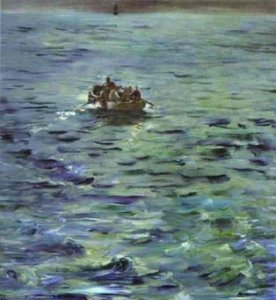
Édouard Manet’s ‘The Lemon,’ a vibrant Impressionist still life from 1880, captures the artist's revolutionary approach to light and form with its striking lemon subject. Discover this iconic piece and bring art home.
 Læs mere
Oplev Édouard Manet (1832-1883), en revolutionerende fransk maler, der brobyggede mellem realisme og impressionisme. Se ikoniske værker & udforsk hans indflydelse!
Giclée / Kunsttryk
Giclée- eller lærredstryk i museumskvalitet med hurtig produktion og fleksible muligheder for finish. ( Bestil håndmalet reproduktion Skift til digitalt billede)




P118B Dkr10

P118H Dkr10

P118W Dkr10

P438Z Dkr10

P508JH Dkr12

P508YH Dkr12

P805H Dkr10

P805Z Dkr10

P919BZ Dkr10

P919G Dkr10

P919XJ Dkr10

P959ZH Dkr10

P968JZ Dkr12

W106C Dkr8

W218G Dkr10

W218JH Dkr8

W218Y Dkr10

W307PJ Dkr10

W316G Dkr10

W316PJ Dkr8

W316Y Dkr10

W398PJ Dkr8

W4111J Dkr10

W500HY Dkr15

W500JH Dkr15

W692G Dkr12

W849H Dkr8

W940BG Dkr15

W953PJ Dkr8




Standardstørrelse
speciallavet
CM
INCH
Vælg mellem vores forudindstillede størrelser, der matcher kunstværkets originale proportioner.
Loading sizes...

bredde
højde
Indtast den bredde og højde, du har brug for, så det passer til din ramme eller din væg. Et print kan kun beskæres, aldrig gøres større end billedet, så en størrelse med en anden form vil miste en del af motivet. Vi sender dig en digital mockup til godkendelse, før vi printer noget. Billedet vist på denne side viser ikke den faktiske beskæring — det er kun mockuppen, der gør.
Verdensomspændende levering () på 2 uger i stedet for de sædvanlige 4/5 uger. (26 oktober)

Gratis ekspresforsendelse til hele verden

Lærred af linned i høj kvalitet

Komplet transportforsikring

Garanti for refusion af told og importafgifter

Garanti for autentisk farvegengivelse

100 dages returret ved fabrikationsfejl

100% fuld returret

Mængderabat ved flere køb
 Glasmulighed er kun tilgængelig i størrelser under 110 cm

The lemon, Musée d'Orsay
Giclée / Kunsttryk
Reproduktionsstørrelse
-


Samlet pris
Dkr 459
A Singular Still Life: ‘The Lemon’ by Édouard Manet
Édouard Manet's “The Lemon,” painted in 1880, isn’t merely a depiction of citrus fruit; it’s a deliberate provocation—a cornerstone of Impressionism’s rebellion against academic tradition. Captured on canvas measuring 14 x 22 cm, this deceptively simple composition embodies Manet’s unwavering commitment to portraying the world as he perceived it, rejecting idealized representations in favor of capturing fleeting moments and atmospheric nuances.
Realism Revisited: Technique and Observation
Manet eschewed the meticulous glazing techniques favored by his predecessors. Instead, he employed a looser brushstroke style—a technique honed through extensive study of Caravaggio and Velázquez—to achieve remarkable luminosity and immediacy. The artist meticulously observed the lemon’s form, capturing its subtle variations in color and texture with confident strokes. Notice how Manet skillfully renders the orange hues radiating from the lemon's peel, creating a vibrant interplay of light and shadow that elevates it beyond a mere botanical specimen.
A Parisian Snapshot: Context and Influence
Painted during a period of significant artistic ferment in Paris, “The Lemon” reflects the burgeoning interest in capturing everyday life—a departure from the grand narratives favored by Romanticism. Manet’s studio was situated amidst the vibrant intellectual landscape of Montmartre, where artists like Monet and Renoir were experimenting with new approaches to color and light. This influence is palpable in the painting's airy atmosphere and its rejection of theatrical poses.
Symbolic Resonance: Beyond Appearance
While seemingly unassuming, “The Lemon” carries symbolic weight. The lemon itself has long been associated with freshness, vitality, and optimism—qualities Manet sought to convey through his masterful rendering. Furthermore, the bowl’s stark black rim serves as a visual counterpoint to the lemon's brilliance, emphasizing its prominence within the composition and subtly hinting at themes of contrast and duality.
Emotional Impact: Capturing Transient Beauty
"The Lemon" transcends mere representation; it aspires to evoke emotion. Manet’s deliberate disregard for academic conventions—his focus on capturing a single, luminous object—demonstrates his belief that art should strive to capture the essence of experience. It's a testament to Manet’s genius that this seemingly simple still life continues to resonate with viewers today, reminding us of the transformative power of observation and the enduring beauty of fleeting moments.
Spørgsmål & svar
Fra hvilket land stammer Contemporary Realism-værket "The lemon, Musée d'Orsay"?
"The lemon, Musée d'Orsay" blev skabt af Édouard Manet, født i Frankrig, inden for Contemporary Realism-bevægelsen. Kunstnerens oprindelse forbinder værket med Contemporary Realism, som det praktiseres af kunstnere fra Frankrig.
Hvornår blev "The lemon, Musée d'Orsay" skabt, og hvilken stilart tilhører det?
"The lemon, Musée d'Orsay" af Édouard Manet er dateret 1880 og tilhører Contemporary Realism.
Hvilken fase i Édouard Manets karriere svarer datoen 1880 for "The lemon, Musée d'Orsay" til?
"The lemon, Musée d'Orsay", skabt i 1880, tilhører Mature Period af Édouard Manet's karriere.
Lignende kunstværker




Om kunstneren
En Parisisk Rebel: Livet og Kunsten hos Édouard Manet
Édouard Manet, født i 1832 ind i en velstående borgerlig familie i Paris, var næppe bestemt til at leve livet som en revolutionerende kunstner. Hans far, en respekteret dommer, forestillede sig en sikker fremtid for sin søn indenfor lovens rammer eller måske flåden – respektable erhverv der passede til deres sociale status. Alligevel, selv som ung dreng, lå Manets hjerte hos kunsten. Han begyndte formel tegneundervisning i en alder af elleve år, og selvom han kortvarigt var lærling hos den akademiske maler Thomas Couture, fandt han hurtigt Coutures rigide metoder kvælende. Denne tidlige modstand varslede et liv dedikeret til at udfordre kunstneriske konventioner. Manet var ikke interesseret i blot at replikere fortiden; han søgte at fange vitaliteten – og nogle gange de foruroligende realiteter – i det moderne parisiske liv. Han frekventerede Louvre, ikke kun for at kopiere gamle mestre, men for at dissekere deres teknikker, lære af kunstnere som Caravaggio og Velázquez hvordan lys og skygge kunne forme formen og fremkalde følelser. Det var dog et skift i de kunstneriske strømninger, især fremkomsten af realismen, der blev championeret af Gustave Courbet, der virkelig tændte Manets kreative sti. Courbets insisteren på at skildre hverdagen uden idealisering resonerede dybt med Manet og frigjorde ham fra begrænsningerne i historiske eller mytologiske emner.Brud med Traditionen: Skandale og Innovation
1860'erne markerede en periode med intens kunstnerisk gæring i Paris, og Manet befandt sig midtpunktet af det hele. Ankomsten af japanske tryk – *ukiyo-e* – påvirkede hans æstetiske følsomhed dybtgående. Han var betaget af deres flade perspektiver, dristige kompositioner og slående brug af farver, elementer der ville blive kendemærker i hans egen stil. Denne indflydelse, kombineret med hans voksende afvisning af akademisk polering, førte til værker, der chokerede og skandalerede den parisiske kunstverden. Le Déjeuner sur l'herbe (Frokosten i det grønne), udstillet på Salon des Refusés i 1863 – en udstilling for værker afvist af den officielle salon – blev et lynnedslag for kontroverser. Maleriet, der viser en nøgen kvinde, der afslappet piknikerer med to fuldt klædte mænd, handlede ikke blot om nøgenhed; det handlede om *hvordan* denne nøgenhed blev præsenteret. Manets figurer manglede de idealiserede former og mytologiske kontekster i traditionelle nøgenbilleder. De var utvivlsomt moderne og konfronterede beskueren med en foruroligende direktehed. Skandalen omkring Le Déjeuner blev kun intensiveret af hans mesterværk fra 1865, Olympia. Dette maleri, en bevidst genfortolkning af Titians *Venus of Urbino*, præsenterede en moderne prostitueret, der stirrede dristigt ud på beskueren. Den ubønhørlige realisme og provokerende emne blev mødt med udbredt fordømmelse. Kritikere anklagede Manet for vulgaritet og kunstnerisk inkompetence, men under vreden lå en erkendelse af, at han fundamentalt ændrede maleriets sprog.En Bro til Impressionismen: Lys, Penselstrøg og Moderne Liv
Selvom Manet aldrig fuldt ud omfavnede betegnelsen "impressionist", var hans indflydelse på bevægelsen uomtvistelig. Han delte deres afvisning af akademiske konventioner og deres engagement i at fange lysets flygtige effekter og atmosfæren. Han udstillede sammen med Monet, Renoir, Degas og andre på impressionisternes uafhængige udstillinger og cementerede sin position som en nøglefigur i avantgarden. Manets teknik udviklede sig mod et løsere penselstrøg, der prioriterede formens indtryk frem for præcise detaljer. Han eksperimenterede med farver og brugte ofte skarpe kontraster til at skabe dramatiske effekter. Ud over de skandaløse nøgenbilleder udforskede Manet en bred vifte af emner: portrætter – herunder slående fremstillinger af hans kone Suzanne og kunstnerkollega Émile Zola; scener fra det parisiske natteliv, såsom En Bar på Folies-Bergère, der mesterligt fanger modernens urban livs fremmedgørelse og spektakel; og intime sceneskildringer. Han dokumenterede ikke blot disse emner; han undersøgte dem, stillede spørgsmål ved samfundsnormer og udfordrede konventionelle forestillinger om skønhed.Arv og Varig Indflydelse
Édouard Manets for tidlige død i 1883 af syfilis afkortede en karriere, der allerede uigenkaldeligt havde ændret kunsthistoriens gang. Selvom hans ry voksede betydeligt efter hans død, blev hans indflydelse straks mærket af yngre kunstnere, der genkendte ham som en befrier. Han brød barrierer, udfordrede traditionelle forestillinger om emne, teknik og kunstnerisk formål.- Hans vægt på at fange det moderne liv banede vejen for impressionismen og postimpressionismen.
- Hans innovative brug af penselstrøg og farver påvirkede generationer af malere.
- Hans vilje til at konfrontere ubehagelige sandheder om samfundet tvang beskuerne til at stille spørgsmål ved deres egne antagelser.

Édouard Manet
1832 - 1883 , Frankrig
Hurtige fakta
- Bemærkelsesværdige Værker:
- Le Déjeuner sur l'herbe
- Olympia
- Dødsdato: 1883
- Fulde Navn: Édouard Manet
- Fødested: Paris, Frankrig
- Fødselsdato: 23. januar 1832
- Inspireret Af Kunstnere:
- Caravaggio
- Diego Velázquez
- Kunstnerisk Stil: Realisme, Impressionisme
- Nationalitet: Fransk
- Påvirkede Kunstnere/Bevægelser:
- Claude Monet
- Pierre-Auguste Renoir
Relaterede artikler

TopImpressionists.com F.A.Q.: Discover the Vibrant Beauty of Our Premium Art Poster Prints
Explore the technical excellence of TopImpressionists.com's premium art poster prints. Discover how our 12-color pigment system and archival inks capture the luminous beauty of Impressionist masterpieces with unmatched color fidelity and museum-grade durability for the discerning collector.

The Magic of Lithography: Capturing Light and Texture in Every Impressionist Print
Discover the enchanting world of lithography through an Impressionist lens. Explore how this timeless technique captures the luminous light and delicate textures of masters like Monet and Renoir, offering a profound way to bring art history into your home with elegance and soul.

The Magic of Giclée: Bringing Impressionist Masterpieces to Your Walls with Vivid Detail
Discover the breathtaking beauty of Impressionist masterpieces with our museum-quality Giclée prints. Experience vivid detail, archival pigments, and the luminous light of Monet and Van Gogh, expertly preserved to bring timeless elegance and sophisticated artistry into your home.
Udforsk kunstværker organiseret efter temaer, stilarter og karakteristika.


