

 Se i rummet
 Del som kort
 Del
Del
 Detaljer
 Guide
Guide

 Download
 Lignende værker
 Røntgenundersøgelse
 Diasshow
 Q&A
Q&A Statistikker
Christ driving the traders from the temple

- 117.0 x 150.0 cm


Witness El Greco's dramatic 'Christ Driving the Traders,' a powerful Renaissance masterpiece depicting religious fervor and challenging authority. Own a stunning reproduction of this iconic work today!
 Vis mere
Oplev El Grecos dramatiske kunst! Opdag manieristiske mesterværker & religiøse scener – se hans ikoniske malerier, der forudså ekspressionismen!
Giclée / Kunsttryk
Giclée- eller lærredstryk i museumskvalitet med hurtig produktion og fleksible muligheder for finish. ( Køb håndmalet maleri Skift til digitalt billede)




P118B Dkr10

P118H Dkr10

P118W Dkr10

P438Z Dkr10

P508JH Dkr12

P508YH Dkr12

P805H Dkr10

P805Z Dkr10

P919BZ Dkr10

P919G Dkr10

P919XJ Dkr10

P959ZH Dkr10

P968JZ Dkr12

W106C Dkr8

W218G Dkr10

W218JH Dkr8

W218Y Dkr10

W307PJ Dkr10

W316G Dkr10

W316PJ Dkr8

W316Y Dkr10

W398PJ Dkr8

W4111J Dkr10

W500HY Dkr15

W500JH Dkr15

W692G Dkr12

W849H Dkr8

W940BG Dkr15

W953PJ Dkr8




Standardstørrelse
speciallavet
CM
INCH
Vælg mellem vores forudindstillede størrelser, der matcher kunstværkets originale proportioner.
Loading sizes...

bredde
højde
Indtast den bredde og højde, du har brug for, så det passer til din ramme eller din væg. Et print kan kun beskæres, aldrig gøres større end selve billedet, så en størrelse med et andet format vil medføre, at dele af motivet går tabt. Vi sender dig en digital mockup til godkendelse, før vi printer noget. Billedet vist på denne side viser ikke den faktiske beskæring — det er kun mockuppen, der gør.
Verdensomspændende levering () på 2 uger i stedet for de sædvanlige 4/5 uger. (31 oktober)

Gratis ekspresforsendelse til hele verden

Lærred af linned i høj kvalitet

Fuld transportforsikring

Garanti for refusion af told og importafgifter

Garanti for præcis farvegengivelse

100 dages returret ved fabrikationsfejl

100% fuld returret

Mængderabat ved flere køb
 Glasmulighed er kun tilgængelig i størrelser under 110 cm

Christ driving the traders from the temple
Giclée / Kunsttryk
Størrelse på reproduktion
-


Samlet pris
Dkr 465
Christ Driving the Traders from the Temple: A Renaissance Drama of Faith
El Greco’s “Christ Driving the Traders from the Temple,” painted in 1576, isn't merely a depiction of a biblical event; it’s a visceral explosion of faith, anger, and divine authority. This arresting work, housed within the Minneapolis Institute of Art, stands as a pivotal example of El Greco’s unique artistic vision – a synthesis of Venetian dynamism, Roman anatomical precision, and an intensely personal spiritual fervor. The painting immediately commands attention with its dramatic composition and vibrant palette, pulling the viewer into the heart of this tumultuous scene. It's a moment frozen in time, capturing not just the physical act of expulsion but also the palpable tension between earthly commerce and divine law.
At its core, the painting portrays a pivotal episode from the New Testament – Jesus confronting the money changers and merchants who had transformed the Temple into a marketplace. This event, central to the narrative in all four Gospels, symbolizes a profound purification of the Church, a rejection of corruption and greed within sacred spaces. El Greco masterfully translates this theological concept into a powerfully theatrical visual experience. The artist doesn’t shy away from depicting the chaos and disruption inherent in the confrontation; instead, he embraces it, creating an atmosphere of urgent drama that resonates deeply with the viewer.
The Anatomy of Emotion: Technique and Style
El Greco's distinctive style is immediately recognizable in “Christ Driving the Traders from the Temple.” He employs a highly expressive Mannerist technique, characterized by elongated figures, exaggerated gestures, and intense emotionality. Christ himself is rendered with an almost sculptural quality – his arm raised in a gesture of forceful command, radiating authority and righteous indignation. The traders and money changers, conversely, are depicted as writhing in fear, their bodies contorted in reactions of panic and desperation. This stark contrast between the figures highlights the moral weight of the scene.
The artist’s use of color is equally striking. Vibrant reds dominate Christ's robes, symbolizing his divine power and sacrifice. The earthy tones of the traders’ clothing and the temple architecture provide a grounding counterpoint, emphasizing their earthly concerns. El Greco’s brushwork is dynamic and energetic, with bold strokes that convey movement and urgency. Notice how he uses light to sculpt the figures, creating a sense of depth and volume within the crowded scene. The architectural backdrop, reminiscent of an Italian Renaissance palace, adds a layer of grandeur to the drama, suggesting the sacredness of the Temple and the gravity of the transgression.
Historical Context and Influences
To understand El Greco’s “Christ Driving the Traders from the Temple,” it's crucial to consider his artistic background. Born in Crete around 1541, he initially trained as an icon painter within the Byzantine tradition – a rigorous discipline emphasizing religious imagery and precise technique. However, he soon moved to Venice and Rome, immersing himself in the works of Venetian masters like Tintoretto and Titian. These influences are evident in his use of dramatic lighting, dynamic composition, and illusionistic space. The influence of Roman art is also apparent in the solid modeling of the figures and the careful attention to anatomical detail.
Painted during the Counter-Reformation, a period when the Catholic Church sought to reform itself after the Protestant Reformation, the painting carries significant historical weight. The cleansing of the Temple served as a potent symbol of the Church’s need for purification and moral renewal. El Greco's depiction of this event reflects the anxieties and aspirations of his time, capturing the fervor and urgency of the Counter-Reformation movement.
Provenance and Legacy
The painting has enjoyed a rich and storied history, with ownership tracing back to notable collectors such as Sir John Charles Robinson and Sir Francis Cook. It is now housed at the Minneapolis Institute of Art, where it remains a significant part of their collection. Its journey through time speaks to its enduring appeal and artistic merit. The provenance adds another layer of intrigue to this already captivating work.
“Christ Driving the Traders from the Temple” by El Greco stands as a testament to his extraordinary talent and spiritual depth. It’s more than just a painting; it's an emotional experience, a dramatic portrayal of faith, and a powerful symbol of moral renewal. TopImpressionists offers meticulously crafted oil painting reproductions that faithfully capture the essence of this masterpiece, allowing art enthusiasts to bring its drama and intensity into their homes.
Painting by 'El Greco (Doménikos Theotokopoulos)' | El Greco (Doménikos Theotokopoulos): Christ driving the traders from the temple Painting by 'El Greco (Doménikos Theotokopoulos)' | El Greco (Doménikos Theotokopoulos): Christ driving the traders from the temple Painting by 'El Greco (Doménikos Theotokopoulos)' | El Greco (Doménikos Theotokopoulos): Penitent Magdalene Artist: El Greco (Doménikos Theotokopoulos)Spørgsmål og svar
Hvordan forenes medie og bevægelse i "Christ driving the traders from the temple"?
"Christ driving the traders from the temple" af El Greco kombinerer Olie-teknikken med Renaissance-stilen. Teknik og stilart beskriver værkets fremstilling og æstetiske udtryk.
Hvor kommer de besøgende til "Christ driving the traders from the temple" af El Greco fra?
Siden Besøgsstatistik for "Christ driving the traders from the temple" af El Greco præsenterer statistikker over offentlige besøg: månedlige besøg af dette kunstværk, en sammenligning med kunstnerens mest sete værker og hvor de besøgende kommer fra.
Hvilken stemning ville "Christ driving the traders from the temple" bringe til et rum?
Den Dramatisk atmosfære i "Christ driving the traders from the temple" af El Greco komplementerer det anbefalede rum: et Stue og opholdsrum.
Kunstnerbiografi
Doménikos Theotokópoulos, called El Greco
Doménikos Theotokópoulos, bedre kendt som El Greco – “Den Græske” – var en maler hvis liv og kunst udfordrede nem kategorisering. Han blev født i Kreta omkring 1541, under veneziansk styre, og hans kunstneriske rejse førte ham gennem Venedig og Rom før han fandt sin ultimative udtryksform i Spanien: Toledo. El Greco var ikke blot et produkt af disse steder; han syntetiserede deres indflydelse til noget fuldstændigt unikt – en stil, der forudså den følelsesmæssige intensitet af Ekspressionisme og de fragmenterede former af Kubisme århundreder senere. Hans tidlige uddannelse inden for den byzantinske tradition sikrede ham en præcis opmærksomhed på detaljer og en dyb forståelse af religiøs ikonografi. Dette fundament begrænsede ham dog ikke. Han signeerede sine værker på græsk, ofte tilføjede “Krḗs” – Kreta – som en stolt erklæring om sin oprindelse, selvom han begav sig ud på nye kunstneriske territorier. Frøene af hans distinkte stil blev sået ikke kun i teknikken men også i den fervente religiøse atmosfære af hans hjemland og den rige vævning af veneziansk kunst.Fra Venedig til Toledo: En Transformation
Flytningen til Venedig omkring 1567 markerede et præget øjeblik. Omgivet af det pulserende kunstneriske miljø studerede El Greco mesterne – Titian, Tintoretto, Veronese – og absorberede deres maestria inden for farve, komposition og dramatisk lyssætning. Han lærte at løsne sin penselstrøg, omfavne oliepigmentets sensualitet og male figurer med en nyfundet dynamik. Denne venezianske indflydelse ses tydelig i tidlige værker som *St. Sebastian* (1600), hvor anatomisk detalje smelter sømløst sammen med et næsten teateragtigt lyssætning. En efterfølgende ophold i Rom eksponerede ham for Mannerisme – en stil karakteriseret af udstrakte former, deformerede perspektiver og sofistikerede kompositioner. Selvom han viste betydelig talent, havde El Greco svært ved at opnå bred genkendelse i den konkurrenceprægede romanske kunstverden. Det var hans videreførelse til Toledo i 1577, der endelig tillod hans unikke vision blomstre – byen, dengang et centrum for religiøs fervor under Kontreformationen, gav både støtte og atmosfære egnet til hans dybt åndelige maleri.En Stil Som Ingen Andre
El Greco’s kunstneriske stil er øjeblikkeligt genkendelig – og fuldstændig fascinerende. Hans figurer er ofte dramatisk udstrakte, deres kroppe strækkes og vrides i stillinger der udtrykker en følelse af åndelig ekstase eller dyb religiøs angst. Dette var ikke blot stilistisk flair; det var et forsøg på at male det usynlige, de følelsesmæssige og åndelige realiteter der ligger uden for overfladen af tingene. Han mestrer lyssætning – ikke nødvendigvis realistisk lyssætning, men levende farver, ofte kunstigt overdrevne – til at styrke den følelsesmæssige effekt af hans arbejde. Dramatisk lyssætning, med skarpe kontraster mellem lys og skygge skaber et teateragtigt præstation, der trækker publikum ind i hjertet af scenen. *The Burial of the Count of Orgaz* (1586-1588) illustrerer disse kvaliteter perfekt. Maleriet viser en mirakuløst øjeblik – Sankt Martins nedstigning til at begrave en from greve – med bemærkelsesværdig præcision i gengivelsen af samtidige personer juxtapositions mod æteriske, udstrakte former repræsenterende guddommelig indgriben. Han blandede byzantinske traditioner med italiensk renæssance teknikker og skabte en stil der var både innovativ og dybt personlig. Hans senere værker blev mere og mere mystisk og afspejlede hans egen dybe religiøse tro og en stigende afstandtagen fra konventionelle kunstneriske normer.Efterladenskab og Opdagelse
På trods af at han opnåede betydelig succes under sit livstid – modtog vigtige bestillinger fra kirker og klostre i Toledo – blev hans kunst relativt overset efter sin død i 1614. I århundreder var han stort set ignoreret af kunsthistorikere, afvist som en excentrisk eller en provinsiel kunstner. Det var først på det 20. århundrede at hans geni begyndte at blive fuldt udforsket. Kunstnere som Picasso og Braque erkendte ham som en præcursor til moderne kunst – beundrede hans deformerede former og ukonventionelle perspektiver. Hans ekspressive stil resonerede med Ekspressionisterne, der søgte at udtrykke følelsesmæssig intensitet gennem klare farver og dramatisk komposition. I dag fejres El Greco som en af de mest betydelige figurer i europæisk kunsthistorie – en visionær maler hvis arbejde fortsat fængsler publikum med dets åndelige dybde, følelsesmæssige kraft og unikke kunstneriske vision. Hans malerier er ikke blot gengivelser af religiøse scener; de er vinduer ind til sjælen, vidnesbyrd om menneskets evne til transcendens.
El Greco
1541 - 1614 , Grækenland
Kort om kunstneren
- Artistic Movement Or Style: Manierisme og Barok
- Artists Who Influenced This Artist:
- Titian
- Tintoretto
- Date Of Birth: 1541
- Full Name: Doménikos Theotokópoulos
- Nationality: Græsk-spansk
- Notable Artworks:
- Begravelsen af Hertugen af Orgaz
- Toledo Byvandring
- El Espolio
- Place Of Birth: Kreta, Greece
Relaterede artikler

El Greco: Spirituality, Style & Innovation – A Renaissance Master's Legacy
Explore the captivating world of El Greco! Discover his unique style, spiritual intensity, and lasting impact on art history. Learn about this Renaissance master's life, iconic paintings & legacy.

El Grecos 25 Mesterværker: Kunst, Historie og Inspiration til Dit Hjem
Oplev El Grecos 25 mest ikoniske malerier! Fordyb dig i spansk renæssancekunst, spirituelle værker og dramatiske kompositioner. Find inspiration til dit hjem & køb museumskvalitets reproduktioner på TopImpressionists.com.

Museo del Prado: Top 25 Kunstværker – Mestre, Historier & Inspiration til Dit Hjem
Oplev top 25 kunstværker fra Museo del Prado i Madrid! Dyk ned i Velázquez, Goya og El Grecos mesterværker. Find inspiration til din indretning & køb museumskvalitets reproduktioner online hos TopImpressionists.com.

Mannerism Explained: The Dramatic Evolution of Renaissance Art and the Rise of El Greco
Explore the dramatic evolution of Mannerism from High Renaissance perfection to El Greco's spiritual intensity. Discover the history, techniques, and enduring legacy of this transformative era through an expert art-history lens.
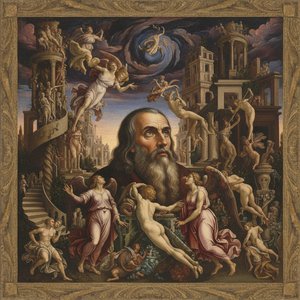
Mannerism Unveiled: The Dramatic Evolution of Renaissance Art and the Visionary Legacy of El Greco
Explore the dramatic transition from High Renaissance harmony to Mannerist tension. Discover how masters like El Greco redefined art through distortion and spiritual intensity. An expert guide for art enthusiasts seeking deep historical context and museum-quality inspiration.
Udforsk kunstværker organiseret efter temaer, stilarter og karakteristika.


