


 Se i rummet
 Send
Send Del
Del
 Detaljer
 Guide
Guide

 Download
 Lignende værker
 Røntgenundersøgelse
 Se diasshow
 Statistik
Ud af Toledo


Ud af Toledo af El Greco: Et dramatisk landskabsbillede præget af kontrastfyldte farver og en unik stil, der førte til ekspressionisme og kubisme – et ikonisk værk fra Spaniens religiøse historie.
 Læs mere
Oplev El Grecos dramatiske kunst! Opdag manieristiske mesterværker & religiøse scener – se hans ikoniske malerier, der forudså ekspressionismen!
Giclée / Kunsttryk
Giclée- eller lærredstryk i museumskvalitet med hurtig produktion og fleksible muligheder for finish. ( Bestil håndmalet reproduktion Skift til digitalt billede)




P118B $10

P118H $10

P118W $10

P438Z $10

P508JH $12

P508YH $12

P805H $10

P805Z $10

P919BZ $10

P919G $10

P919XJ $10

P959ZH $10

P968JZ $12

W106C $8

W218G $10

W218JH $8

W218Y $10

W307PJ $10

W316G $10

W316PJ $8

W316Y $10

W398PJ $8

W4111J $10

W500HY $15

W500JH $15

W692G $12

W849H $8

W940BG $15

W953PJ $8




Standardstørrelse
speciallavet
CM
INCH
Vælg mellem vores forudindstillede størrelser, der matcher kunstværkets originale proportioner.
Loading sizes...

bredde
højde
Du kan indtaste dine egne mål for at passe til en specifik ramme eller et bestemt område. Hvis den valgte størrelse ikke stemmer overens med det originale billedes proportioner, vil vi enten beskære kunstværket eller udvide billedet med en spejlet eller ensfarvet kant. En digital mockup vil blive sendt til din godkendelse, før produktionen påbegyndes.
Bemærk venligst, at forhåndsvisningen på skærmen ikke afspejler den faktiske beskæring eller udvidelse. Kun mockuppen vil nøjagtigt vise den endelige komposition.
Selvom specialmål er tilgængelige, anbefaler vi at vælge et mål fra den foruddefinerede liste for at bevare de originale proportioner.
Verdensomspændende levering () på 2 uger i stedet for de sædvanlige 4/5 uger. (25 september)

Gratis ekspresforsendelse til hele verden

Lærred af linned i høj kvalitet

Komplet transportforsikring

Garanti for refusion af told og importafgifter

Garanti for autentisk farvegengivelse

100 dages returret ved fabrikationsfejl

100% fuld returret

Mængderabat ved flere køb
 Glasmulighed er kun tilgængelig i størrelser under 110 cm

Ud af Toledo
Giclée / Kunsttryk
Reproduktionsstørrelse
-


Samlet pris
$ 70
El Greco’s View of Toledo: A Celestial Mirror Reflecting Spiritual Depth
Doménikos Theotokópoulos, universally known as El Greco – “the Greek” – stands apart in the annals of European art. Born in Crete in 1541, his artistic journey traversed Venice and Rome before anchoring him firmly in Toledo, Spain, where he spent the latter half of his life. More than merely a painter; El Greco was a visionary who fused Byzantine tradition with Italian Mannerism, forging a style that foreshadowed movements like Expressionism and Cubism centuries later—a testament to his enduring influence on subsequent generations.
“View of Toledo,” completed around 1610, is arguably El Greco’s most celebrated landscape painting. Unlike many contemporary artists who prioritized realistic depiction, El Greco deliberately distorted perspective and employed a strikingly unconventional palette – predominantly black and white – dominated by cool blues, grays, and whites. This deliberate choice wasn't simply aesthetic; it served as a conduit for conveying profound spiritual ideas.
- Symbolism: The painting’s central motif—the Virgin Mary presenting a vestment to St Ildefonso—represents divine grace and spiritual contemplation. El Greco skillfully juxtaposes the earthly Toledo Cathedral with the celestial realm above, symbolizing the intersection of faith and transcendence.
- Technique: El Greco's mastery lay in his expressive brushwork and masterful use of chiaroscuro – dramatic contrasts between light and dark—creating an atmosphere of palpable emotion. The elongated figures characteristic of his style heighten the sense of drama and convey a feeling of otherworldly urgency.
- Historical Context: Toledo’s significance as Spain's former capital and stronghold of Christianity during the Reconquista profoundly shaped El Greco’s artistic vision. He captured not only the city’s physical appearance but also its spiritual essence—a reflection of the fervent piety prevalent in his time.
The Museo de El Greco in Toledo houses a comprehensive collection of his works, allowing visitors to immerse themselves in the artist's extraordinary oeuvre. Examining “View of Toledo” reveals El Greco’s profound engagement with philosophical concepts rooted in Platonism and Neo-Platonism—ideas that informed his artistic practice and continue to resonate today.
Considered by many art historians as one of Western art’s most ambitious masterpieces, “View of Toledo” transcends mere topographical representation. It embodies El Greco's revolutionary style – a bold departure from convention that anticipates the expressive fervor of Expressionism and Cubism. The painting invites contemplation on scale, faith, and artistic innovation—a legacy that persists in the hearts of those who appreciate its haunting beauty and spiritual depth.
Further Exploration: Visit Fundación Lerma in Toledo to experience Renaissance masterpieces alongside El Greco’s captivating landscapes.Om kunstneren
Doménikos Theotokópoulos, called El Greco
Doménikos Theotokópoulos, bedre kendt som El Greco – “Den Græske” – var en maler hvis liv og kunst udfordrede nem kategorisering. Han blev født i Kreta omkring 1541, under veneziansk styre, og hans kunstneriske rejse førte ham gennem Venedig og Rom før han fandt sin ultimative udtryksform i Spanien: Toledo. El Greco var ikke blot et produkt af disse steder; han syntetiserede deres indflydelse til noget fuldstændigt unikt – en stil, der forudså den følelsesmæssige intensitet af Ekspressionisme og de fragmenterede former af Kubisme århundreder senere. Hans tidlige uddannelse inden for den byzantinske tradition sikrede ham en præcis opmærksomhed på detaljer og en dyb forståelse af religiøs ikonografi. Dette fundament begrænsede ham dog ikke. Han signeerede sine værker på græsk, ofte tilføjede “Krḗs” – Kreta – som en stolt erklæring om sin oprindelse, selvom han begav sig ud på nye kunstneriske territorier. Frøene af hans distinkte stil blev sået ikke kun i teknikken men også i den fervente religiøse atmosfære af hans hjemland og den rige vævning af veneziansk kunst.Fra Venedig til Toledo: En Transformation
Flytningen til Venedig omkring 1567 markerede et præget øjeblik. Omgivet af det pulserende kunstneriske miljø studerede El Greco mesterne – Titian, Tintoretto, Veronese – og absorberede deres maestria inden for farve, komposition og dramatisk lyssætning. Han lærte at løsne sin penselstrøg, omfavne oliepigmentets sensualitet og male figurer med en nyfundet dynamik. Denne venezianske indflydelse ses tydelig i tidlige værker som *St. Sebastian* (1600), hvor anatomisk detalje smelter sømløst sammen med et næsten teateragtigt lyssætning. En efterfølgende ophold i Rom eksponerede ham for Mannerisme – en stil karakteriseret af udstrakte former, deformerede perspektiver og sofistikerede kompositioner. Selvom han viste betydelig talent, havde El Greco svært ved at opnå bred genkendelse i den konkurrenceprægede romanske kunstverden. Det var hans videreførelse til Toledo i 1577, der endelig tillod hans unikke vision blomstre – byen, dengang et centrum for religiøs fervor under Kontreformationen, gav både støtte og atmosfære egnet til hans dybt åndelige maleri.En Stil Som Ingen Andre
El Greco’s kunstneriske stil er øjeblikkeligt genkendelig – og fuldstændig fascinerende. Hans figurer er ofte dramatisk udstrakte, deres kroppe strækkes og vrides i stillinger der udtrykker en følelse af åndelig ekstase eller dyb religiøs angst. Dette var ikke blot stilistisk flair; det var et forsøg på at male det usynlige, de følelsesmæssige og åndelige realiteter der ligger uden for overfladen af tingene. Han mestrer lyssætning – ikke nødvendigvis realistisk lyssætning, men levende farver, ofte kunstigt overdrevne – til at styrke den følelsesmæssige effekt af hans arbejde. Dramatisk lyssætning, med skarpe kontraster mellem lys og skygge skaber et teateragtigt præstation, der trækker publikum ind i hjertet af scenen. *The Burial of the Count of Orgaz* (1586-1588) illustrerer disse kvaliteter perfekt. Maleriet viser en mirakuløst øjeblik – Sankt Martins nedstigning til at begrave en from greve – med bemærkelsesværdig præcision i gengivelsen af samtidige personer juxtapositions mod æteriske, udstrakte former repræsenterende guddommelig indgriben. Han blandede byzantinske traditioner med italiensk renæssance teknikker og skabte en stil der var både innovativ og dybt personlig. Hans senere værker blev mere og mere mystisk og afspejlede hans egen dybe religiøse tro og en stigende afstandtagen fra konventionelle kunstneriske normer.Efterladenskab og Opdagelse
På trods af at han opnåede betydelig succes under sit livstid – modtog vigtige bestillinger fra kirker og klostre i Toledo – blev hans kunst relativt overset efter sin død i 1614. I århundreder var han stort set ignoreret af kunsthistorikere, afvist som en excentrisk eller en provinsiel kunstner. Det var først på det 20. århundrede at hans geni begyndte at blive fuldt udforsket. Kunstnere som Picasso og Braque erkendte ham som en præcursor til moderne kunst – beundrede hans deformerede former og ukonventionelle perspektiver. Hans ekspressive stil resonerede med Ekspressionisterne, der søgte at udtrykke følelsesmæssig intensitet gennem klare farver og dramatisk komposition. I dag fejres El Greco som en af de mest betydelige figurer i europæisk kunsthistorie – en visionær maler hvis arbejde fortsat fængsler publikum med dets åndelige dybde, følelsesmæssige kraft og unikke kunstneriske vision. Hans malerier er ikke blot gengivelser af religiøse scener; de er vinduer ind til sjælen, vidnesbyrd om menneskets evne til transcendens.
El Greco
1541 - 1614 , Grækenland
Hurtige fakta
- Artistic Movement Or Style: Manierisme og Barok
- Artists Who Influenced This Artist:
- Titian
- Tintoretto
- Date Of Birth: 1541
- Full Name: Doménikos Theotokópoulos
- Nationality: Græsk-spansk
- Notable Artworks:
- Begravelsen af Hertugen af Orgaz
- Toledo Byvandring
- El Espolio
- Place Of Birth: Kreta, Greece
Relaterede artikler

El Greco: Spirituality, Style & Innovation – A Renaissance Master's Legacy
Explore the captivating world of El Greco! Discover his unique style, spiritual intensity, and lasting impact on art history. Learn about this Renaissance master's life, iconic paintings & legacy.

Celestial Messengers: A Comprehensive Exploration of Angelic Representation in Art History
Explore the captivating history of angels in art! Discover symbolism, iconic Renaissance masterpieces & renowned artists. Expert insights for art lovers & collectors at TopImpressionists.

Celestial Messengers: Angels in Painting – A Historical & Artistic Exploration
Explore the captivating history of angels in painting! Discover symbolism, iconic Renaissance & Byzantine masterpieces, and renowned artists. Expert insights for art lovers & collectors at TopImpressionists.
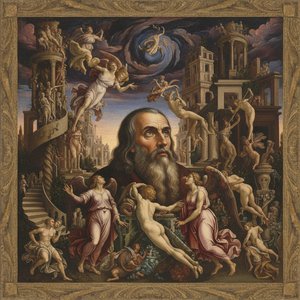
Mannerism Unveiled: The Dramatic Evolution of Renaissance Art and the Visionary Legacy of El Greco
Explore the dramatic transition from High Renaissance harmony to Mannerist tension. Discover how masters like El Greco redefined art through distortion and spiritual intensity. An expert guide for art enthusiasts seeking deep historical context and museum-quality inspiration.

El Grecos 25 Mesterværker: Kunst, Historie og Inspiration til Dit Hjem
Oplev El Grecos 25 mest ikoniske malerier! Fordyb dig i spansk renæssancekunst, spirituelle værker og dramatiske kompositioner. Find inspiration til dit hjem & køb museumskvalitets reproduktioner på TopImpressionists.com.
Udforsk kunstværker organiseret efter temaer, stilarter og karakteristika.


