

 Se i rummet
 Del som kort
 Del
Del
 Detaljer
 Guide
Guide

 Download
 Lignende værker
 Røntgenundersøgelse
 Diasshow
 Q&A
Q&A Statistikker
The First Communion

- 65.0 x 53.0 cm


Eugene Anatole Carrière’s ‘The First Communion’ (1896) is a haunting Symbolist monochrome painting of a young girl receiving communion. Explore its ethereal beauty & influence on Picasso.
 Vis mere
"Dansk meta beskrivelse": "Udforsk Eugène Carrières stemningsfulde, monocrome malerier fra slutningen af det 19. århundrede – en nøglefigur i den franske symbolisme, kendt for sine intime portrætter og indflydelse på kunstnere som Picasso."
Giclée / Kunsttryk
Giclée- eller lærredstryk i museumskvalitet med hurtig produktion og fleksible muligheder for finish. ( Køb håndmalet maleri Skift til digitalt billede)




P118B Dkr10

P118H Dkr10

P118W Dkr10

P438Z Dkr10

P508JH Dkr12

P508YH Dkr12

P805H Dkr10

P805Z Dkr10

P919BZ Dkr10

P919G Dkr10

P919XJ Dkr10

P959ZH Dkr10

P968JZ Dkr12

W106C Dkr8

W218G Dkr10

W218JH Dkr8

W218Y Dkr10

W307PJ Dkr10

W316G Dkr10

W316PJ Dkr8

W316Y Dkr10

W398PJ Dkr8

W4111J Dkr10

W500HY Dkr15

W500JH Dkr15

W692G Dkr12

W849H Dkr8

W940BG Dkr15

W953PJ Dkr8




Standardstørrelse
speciallavet
CM
INCH
Vælg mellem vores forudindstillede størrelser, der matcher kunstværkets originale proportioner.
Loading sizes...

bredde
højde
Indtast den bredde og højde, du har brug for, så det passer til din ramme eller din væg. Et print kan kun beskæres, aldrig gøres større end selve billedet, så en størrelse med et andet format vil medføre, at dele af motivet går tabt. Vi sender dig en digital mockup til godkendelse, før vi printer noget. Billedet vist på denne side viser ikke den faktiske beskæring — det er kun mockuppen, der gør.
Verdensomspændende levering () på 2 uger i stedet for de sædvanlige 4/5 uger. (2 november)

Gratis ekspresforsendelse til hele verden

Lærred af linned i høj kvalitet

Fuld transportforsikring

Garanti for refusion af told og importafgifter

Garanti for præcis farvegengivelse

100 dages returret ved fabrikationsfejl

100% fuld returret

Mængderabat ved flere køb
 Glasmulighed er kun tilgængelig i størrelser under 110 cm

The First Communion
Giclée / Kunsttryk
Størrelse på reproduktion
-


Samlet pris
Dkr 465
The Haunting Beauty of "The First Communion": A Symbolist Portrait of Innocence
Eugène Anatole Carrière’s “The First Communion,” painted in 1896, isn't merely a depiction of a religious ceremony; it’s a profoundly evocative exploration of childhood innocence, spiritual yearning, and the subtle anxieties that lie beneath the surface of faith. This masterpiece, now housed within the collections of art institutions worldwide, exemplifies Carrière’s signature style – a near-monochrome palette dominated by muted browns and greys, creating an atmosphere of ethereal mystery and quiet melancholy. The painting immediately draws the viewer into a dreamlike space, where reality seems to soften and blur at the edges.
Carrière's artistic journey was deeply influenced by his time as a prisoner in Dresden during the Franco-Prussian War. Exposure to the works of Peter Paul Rubens, with their rich, glowing colors and dramatic lighting, left an indelible mark on his approach to painting. This influence is subtly present in “The First Communion,” though Carrière ultimately developed his own distinctive style – one characterized by a deliberate reduction of color to its most essential tones, emphasizing mood and atmosphere over precise representation. The use of brown creates a sense of timelessness, suggesting that the scene unfolds outside of specific time or place, existing instead within a realm of spiritual contemplation.
A Study in Symbolism: Veil, Light, and Shadow
The central figure of the painting – a young girl receiving communion – is enveloped in a veil, a potent symbol of purity, concealment, and nascent faith. The veil isn’t simply an article of clothing; it acts as a visual barrier, hinting at the mysteries surrounding religious initiation and the vulnerability inherent in entering into a sacred tradition. The lighting within the painting is equally significant. A diffused light source casts long shadows across the girl's face and gown, contributing to the overall sense of solemnity and introspection. The interplay of light and shadow creates a visual metaphor for the spiritual journey – a movement from darkness towards enlightenment.
Carrière’s technique is notable for its meticulous layering of paint and subtle blending. He eschews sharp outlines and bold brushstrokes, opting instead for a fluid, almost watercolor-like application that lends the scene an ethereal quality. The smooth texture of the canvas, combined with the delicate gradations of color, creates a sense of translucence, as if the girl herself is partially obscured by a veil of spiritual mist. The simplified forms and flattened perspective further enhance this dreamlike effect, distancing the viewer from a realistic portrayal and inviting them to contemplate the painting’s symbolic meaning.
Historical Context and Artistic Legacy
"The First Communion" was created during the late 19th century, a period of profound social and artistic change. The Symbolist movement, which Carrière embraced, sought to express subjective emotions and spiritual experiences through art, often rejecting the realism and materialism of earlier artistic traditions. This painting aligns perfectly with the Symbolist aesthetic – it’s not about depicting a literal event but rather conveying a complex range of feelings associated with religious initiation and the transition from childhood innocence to adult faith.
Carrière's work had a significant impact on subsequent generations of artists, particularly Pablo Picasso. The influence of Carrière’s monochrome palette and his exploration of psychological themes can be seen in Picasso’s Blue Period, demonstrating the enduring legacy of this enigmatic French artist. “The First Communion” remains a powerful testament to Carrière's artistic vision – a hauntingly beautiful portrayal of faith, innocence, and the mysteries of the human spirit.
Collecting a Timeless Masterpiece: Reproductions and Beyond
TopImpressionists offers high-quality reproductions of “The First Communion,” allowing art lovers worldwide to experience the beauty and emotional depth of this iconic painting. Whether you’re seeking a stunning addition to your home or office, or simply want to connect with the artistic legacy of Eugène Carrière, our meticulously crafted reproductions capture the essence of the original while offering exceptional value. Explore our collection today and bring this evocative masterpiece into your world.
Spørgsmål og svar
Hvilken reproduktionsstørrelse anbefales til "The First Communion" af Eugène Anatole Carrière?
Den anbefalede trykstørrelse til "The First Communion" af Eugène Anatole Carrière er Medium.
Hvor og til hvilket formål anbefales "The First Communion"?
"The First Communion" af Eugène Anatole Carrière anbefales til Statement, ideelt set i et Living Room. Anvendelse og rum skaber sammen rammen om, hvor en reproduktion passer ind.
Bruger "The First Communion" af Eugène Anatole Carrière stærke kontraster eller bløde harmonier?
Farvesammensætningen i "The First Communion" af Eugène Anatole Carrière forener en Serene kontrast med en Unified Palette harmoni.
Kunstnerbiografi
Opvækst og kunstnerisk dannelse
Eugène Anatole Carrière, en berømt fransk symbolistisk kunstner, blev født den 16. januar 1849 i Gournay-sur-Marne, Seine-Saint-Denis. Han studerede ved École des Beaux-Arts i Paris og senere under Cabanel, hvilket lagde fundamentet for hans fremtidige kunstneriske bedrifter.Kunstnerisk stil og inspirationskilder
Carrières malerier er mest berømte for deres særprægede, monokrome brune palet, som har fascineret utallige kunstelskere gennem tiden. Hans værk var dybt påvirket af Peter Paul Rubens' kunst, som han blev eksponeret for under sin tid som fange i Dresden; denne indflydelse er tydelig i de glødende farver, der pryder hans tidlige værker. Den unge moder (1879), et af Carrières tidligste mesterværker, findes i dag på Musée des Beaux-Arts de Rouen. Dette værk markerede begyndelsen på hans fokus på det hjemlige liv – et tema, der skulle blive selve kendetegnet for hans kunstneriske stil.Værker og udstillinger af betydning
- Det syge barn (Montargis)
- Den første kommunion (Toulon)
- Portræt af Louis-Henri Devillez (1887), et højt priset værk, der demonstrerer Carrières evne til at indfange sine subjekters essens.
Eftermæle og indflydelse på den moderne kunst
Carrières monokrome stil kan genfindes i værker af Pablo Picasso, især under hans blå periode. Denne forbindelse er et vidnesbyrd om Carrières varige aftryk på den moderne kunsthistorie.- Se flere af Carrières værker hos TopImpressionists.com/eugène anatole carrière
- Udforsk Musée des Beaux-Arts de Rouen, som huser nogle af Carrières tidlige værker, ved at opdage Musée des Beaux-Arts de Carcassonne (Frankrig)
- Lær mere om symbolismen og dens indflydelse på kunsten via den symbolistiske kunstbevægelse

Eugène Anatole Carrière
1849 - 1906 , Frankrig
Kort om kunstneren
- Artistic Movement Or Style: Symbolisme, Monokrom
- Artists Or Movements Influenced By This Artist: ['Pablo Picasso']
- Artists Who Influenced This Artist: ['Peter Paul Rubens']
- Date Of Birth: 16 januar 1849
- Date Of Death: 27 marts 1906
- Full Name: Eugène Anatole Carrière
- Nationality: Fransk
- Notable Artworks:
- The Sick Child
- Young Mother
- First Communion
- Place Of Birth: Gournay-sur-Marne, Frankrig
Relaterede artikler

Sacred Narratives on Canvas: Exploring Religious Painting Through History
Explore the rich history of religious painting with TopImpressionists.com! Discover iconic artworks, symbolism & techniques from antiquity to the Renaissance. Enhance your art appreciation today.

Simon Vouet: A Baroque Master's Journey from Italian Influence to French Classicism
Explore the life & art of Simon Vouet, a pivotal French Baroque painter who introduced Italian styles to France. Discover his masterpieces and lasting influence on 17th-century art.
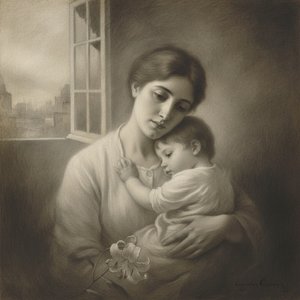
Eugène Carrière: The 'Peintre d'Âme' & Symbolist Portraiture’s Intimate Vision
Explore the haunting world of Eugène Carrière, a pivotal French Symbolist artist known for his deeply intimate portraits & 'peinture d'âme'. Discover his life, style, and lasting influence on modern masters like Picasso. Shop high-quality reproductions at TopImpressionists.

Sacred Narratives Embodied: A Comprehensive Exploration of Religious Iconography in Art History
Explore the rich history of religious iconography in art! Discover symbolism, movements & masterpieces from Byzantine to Renaissance periods. Expert insights for collectors and enthusiasts at TopImpressionists.

Charles Le Brun: Master of French Baroque Classicism & His Enduring Legacy
Explore the life & art of Charles Le Brun, master of French Baroque Classicism. Discover his royal commissions, influence on Versailles, and enduring legacy through detailed analysis & stunning artworks.