

 Se i rummet
 Del som kort
 Del
Del
 Detaljer
 Guide
Guide

 Download
 Lignende værker
 Røntgenundersøgelse
 Diasshow
 Spørgsmål og svar
 Statistikker
Mountain landscape


Experience Paul Gauguin's 'Mountain Landscape' (1882) – a vibrant post-impressionist masterpiece capturing nature’s essence with bold colors & expressive brushstrokes. Hand-painted reproductions available.
 Vis mere
Paul Gauguin: En revolutionerende maler med stærke farver og eksotiske motiver. Oplev hans rejse fra finans til kunstlegende – et symbolistisk geni!
Giclée / Kunsttryk
Giclée- eller lærredstryk i museumskvalitet med hurtig produktion og fleksible muligheder for finish. ( Køb håndmalet maleri Skift til digitalt billede)




P118B Dkr10

P118H Dkr10

P118W Dkr10

P438Z Dkr10

P508JH Dkr12

P508YH Dkr12

P805H Dkr10

P805Z Dkr10

P919BZ Dkr10

P919G Dkr10

P919XJ Dkr10

P959ZH Dkr10

P968JZ Dkr12

W106C Dkr8

W218G Dkr10

W218JH Dkr8

W218Y Dkr10

W307PJ Dkr10

W316G Dkr10

W316PJ Dkr8

W316Y Dkr10

W398PJ Dkr8

W4111J Dkr10

W500HY Dkr15

W500JH Dkr15

W692G Dkr12

W849H Dkr8

W940BG Dkr15

W953PJ Dkr8




Standardstørrelse
speciallavet
CM
INCH
Vælg mellem vores forudindstillede størrelser, der matcher kunstværkets originale proportioner.
Loading sizes...

bredde
højde
Indtast den bredde og højde, du har brug for, så det passer til din ramme eller din væg. Et print kan kun beskæres, aldrig gøres større end selve billedet, så en størrelse med et andet format vil medføre, at dele af motivet går tabt. Vi sender dig en digital mockup til godkendelse, før vi printer noget. Billedet vist på denne side viser ikke den faktiske beskæring — det er kun mockuppen, der gør.
Verdensomspændende levering () på 2 uger i stedet for de sædvanlige 4/5 uger. (4 november)

Gratis ekspresforsendelse til hele verden

Lærred af linned i høj kvalitet

Fuld transportforsikring

Garanti for refusion af told og importafgifter

Garanti for præcis farvegengivelse

100 dages returret ved fabrikationsfejl

100% fuld returret

Mængderabat ved flere køb
 Glasmulighed er kun tilgængelig i størrelser under 110 cm

Mountain landscape
Giclée / Kunsttryk
Størrelse på reproduktion
-


Samlet pris
Dkr 465
A Journey Into Gauguin’s Soul: “Mountain Landscape”
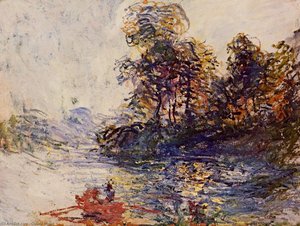
Paul Gauguin's "Mountain Landscape," painted in 1882, isn’t merely a depiction of a hillside; it’s a profound distillation of the artist’s evolving vision and his yearning for a deeper connection with nature and spirituality. Emerging from the vibrant, yet ultimately superficial, world of Impressionism, Gauguin embarked on a radical shift—a deliberate rejection of objective representation in favor of subjective experience and symbolic resonance. This painting stands as a pivotal moment in that transformation, showcasing a nascent style that would profoundly influence generations of artists to come. The scene itself is deceptively simple: a rugged, almost primordial landscape dominated by towering mountains and a swirling, cloudy sky. Yet, within this apparent simplicity lies a complex interplay of color, texture, and emotion—a testament to Gauguin’s innovative approach to capturing the essence of his subject. He wasn't striving for photographic accuracy; instead, he sought to translate the *feeling* of being amidst such grandeur, an experience deeply rooted in personal intuition and spiritual contemplation.- The Palette of Emotion: Gauguin’s masterful use of color is immediately striking. Gone are the delicate pastel hues of Impressionism; here, we encounter a bolder, more assertive palette—deep greens, rich browns, ochre yellows, and dramatic blues. These aren't colors that simply describe the landscape; they *become* the landscape itself, imbued with an emotional charge. The vibrant greens suggest life and vitality, while the earthy browns ground the scene in a sense of solidity and permanence. The sky, rendered in swirling shades of blue and grey, evokes both serenity and turbulence—a reflection perhaps of Gauguin’s own inner turmoil during this period of intense artistic exploration.
- Brushstrokes as Voices: Gauguin's distinctive brushwork is equally crucial to the painting’s impact. His strokes are not smooth or blended; they are loose, expressive, and often deliberately uneven. These visible marks—a hallmark of his style—inject a sense of movement and energy into the scene, suggesting the constant flux of nature and the artist’s own restless spirit. The brushstrokes seem to dance across the canvas, creating a tactile quality that invites the viewer to reach out and touch the landscape.
- A Departure from Realism: Notice how Gauguin simplifies forms—the mountains are not meticulously rendered but rather suggested through broad masses of color and texture. This simplification isn’t an act of carelessness; it's a deliberate choice to prioritize emotional impact over literal representation. He is less concerned with depicting *what* he sees than with conveying *how* he feels about what he sees.
The Context of Transformation: Gauguin and Post-Impressionism
To fully appreciate “Mountain Landscape,” it’s essential to understand its place within the broader context of Post-Impressionism—a movement that arose in reaction to the limitations of Impressionism. While Impressionists sought to capture fleeting moments of light and color, Post-Impressionist artists like Gauguin aimed to delve deeper into the underlying emotions and symbolic meanings of their subjects. They rejected the purely optical approach of Impressionism, embracing a more subjective and expressive style. Gauguin’s journey began in Paris, where he initially experimented with Impressionistic techniques. However, disillusioned by what he perceived as its superficiality, he sought refuge in Brittany, immersing himself in rural life and drawing inspiration from Celtic folklore and mythology. This experience profoundly shaped his artistic vision, leading him to develop a style characterized by bold colors, simplified forms, and symbolic imagery—a style that would become synonymous with Post-Impressionism. Key Influences:- Synthetism: Gauguin’s exploration of Synthetism – an artistic style focused on the synthesis of form and color – is evident in this work.
- Primitivism: His fascination with non-Western cultures, particularly those of Tahiti, fueled his desire to strip away Western conventions and embrace a more primal, intuitive approach to art.
Decoding the Symbolism
“Mountain Landscape” isn’t simply a landscape painting; it's a visual poem—a meditation on nature, spirituality, and the human condition. The towering mountains themselves can be interpreted as symbols of strength, permanence, and the sublime—evoking a sense of awe and humility in the face of nature’s grandeur. The swirling clouds suggest both tranquility and turbulence, reflecting the complexities of life and the artist's own inner struggles. Notably, the absence of human figures reinforces this focus on the landscape itself, transforming it into a sacred space—a realm where the viewer can connect with something larger than themselves. Gauguin was deeply interested in exploring themes of spirituality and mythology, often incorporating symbolic elements into his work to convey hidden meanings. The painting invites contemplation: What does the rugged terrain represent? How does the sky’s movement affect your mood?A Legacy of Innovation
“Mountain Landscape” is a remarkably prescient work—a harbinger of the radical artistic movements that would emerge in the early 20th century. Gauguin's bold experimentation with color, texture, and symbolism paved the way for Expressionism, Fauvism, and other avant-garde styles. His willingness to challenge conventional notions of representation and embrace a more subjective approach to art continues to inspire artists today. Reproductions of this iconic painting offer a unique opportunity to experience Gauguin’s visionary spirit—to step into his world and contemplate the timeless beauty and profound mystery of the natural landscape.Spørgsmål og svar
Hvilken teknik er "Mountain landscape" udført med?
"Mountain landscape" er udført i Oil On Canvas.
Hvilken følelse formidler "Mountain landscape" af Paul Gauguin?
Den emotionelle stemning, der er registreret for "Mountain landscape" af Paul Gauguin, er Tranquil. Den opsummerer den følelse, som værket udtrykker.
Hvad er teknikken og årstallet for "Mountain landscape" af Paul Gauguin?
"Mountain landscape" blev skabt i 1882 med Oil On Canvas-teknikken. Materiale og dato beskriver, hvordan og hvornår originalen blev lavet.
Lignende kunstværker


Kunstnerbiografi
Eugène Henri Paul Gauguin: En Revolutionær Kunstner i Farvernes Verden
Eugène Henri Paul Gauguin, et navn der runger af levende farver og rebelsk ånd, står som en central figur i overgangen fra Impressionismen til moderne kunst. Han blev født i Paris i 1848, og hans liv var langt fra konventionelt. Hans tidlige år var formet af en usædvanlig opvækst; hans far var journalist, og hans mor nedstammet fra peruviansk aristokrati – hendes bedrømmelse Flora Tristan, en banebrydende feminist og socialistisk forfatter hvis idealer utvivlsomt resonerede i familien. Dette arv ville dybtgående forme Gauguins kunstneriske vision, og give ham en fascination med kulturer uden for Europa. En vigtig periode tilbragt i Peru som barn, efterfulgt af familiens flytning i 1850, fordypede ham i en verden langt fra parisamfundet – en oplevelse der hang ved og ultimativt brændte hans søgen efter autenticitet i kunsten. Tilbage til Frankrig efter sin fars død modtog Gauguin en formel uddannelse, men fandt sig selv tiltrukket af finansverdenen snarere end akademiet, og begav sig ud på en karriere som aktiehandler – en vej der tilsyneladende var i modstrid med den kunstneriske skæbne, der ventede ham.Fra Finans til Kunstnerisk Kald
I mange år førte Gauguin et dobbelt liv, hvor han omhyggeligt forfulgte sine forretningsinteresser, mens han hemmeligt plejede en passion for maleri. I første omgang blev han påvirket af Impressionisterne og eksperimenterede med farve og lys i sin fritid, men følte hurtigt sig begrænset af deres dedikation til at fange flygtige øjeblikke af virkeligheden. Den finansielle krise i 1882 viste sig at være en vendepunkt, der tvang ham til at forlade sin lukrative karriere og fuldt ud omfavne sin kunstneriske kaldelse. Dette var ikke blot et skifte i erhverv – det var en fundamental ændring i verdenssynet. Han søgte vejledning fra Camille Pissarro, der opmuntrede ham til at udvikle sig og introducerede ham til de avantgarde kredse i Paris. Alligevel begyndte Gauguin hurtigt at afvige fra impressionistiske principper, længende efter noget mere udtryksfuldt, mere symbolsk – en måde at kommunikere ikke kun hvad han *så*, men hvad han *følte*. Denne længsel førte ham på en rejse for kunstnerisk udforskning, der ville føre ham langt ud over de parisensiske saloner og ind i hjertet af “primitiv” kulturer. Han var ikke blot interesseret i at forestille sig disse kulturer; han søgte at absorbere deres essens, idet han mente, at de indeholdt en renhed tabt i vestlig civilisation.Opdagelsen af Bretagne og Tahiti
Gauguins kunstneriske udvikling var uadskillelig fra hans rejser. Han tilbragte tid i Bretagne, fortryllet af landskabets robuste landskaber og de dybt rodfæstede traditioner i dets folk. Denne periode så ham eksperimentere med flade former, dristige konturer og en forenkling af komposition – teknikker, der flyttede ham længere væk fra naturalismen og tættere på et mere symbolsk sprog. Men hans rejse til Tahiti i 1891 udløste virkelig hans kreative potentiale. Søgende efter tilflugt fra det, han betragtede som de kvælende begrænsninger af europæisk civilisation, håbede Gauguin at finde inspiration i polynesisk kultur, idet han mente, at den tilbød en renere, mere autentisk måde at leve på. Dette var ikke blot en kunstnerisk søgen – det var en åndelig mission. Han fordybede sig i lokale skikke og overbevisninger, forestillede polynesiske kvinder, landskaber og religiøse praksisser gennem sit unikke perspektiv. Påvirket af japanske tryk – *Japonisme* – og middelalderkunst udviklede han en distinkt æstetik karakteriseret ved levende farver, eksotisk emnevalg og et præg af mystik. Ikoniske malerier som “Vahine no te miti” (Kvinde med mango), “Manao Tupapau” (Overvåget af den døde ånds ånd) og “Dagen for guderne” opstod i denne periode, hvilket cementerede hans ry som en visionær kunstner. Hans brug af farver blev stadig mere dristig og ikke-naturlig, tjent til at udtrykke følelser og åndelig mening snarere end blot at gengive virkeligheden.Arv og Kontrovers
Trods sin kunstneriske gennembrud var Gauguins liv ofte præget af vanskeligheder. Han kæmpede med økonomiske problemer og forværret helbred under sit ophold i Tahiti og senere på Marquesasøerne, hvor han endelig etablerede sig. Alligevel fortsatte han at male produktivt, utrætteligt udforskende temaer om liv, død og åndelighed. Han døde i 1903 på Hiva Oa, en afsidesliggende ø i Marquesasøerne, stort set ukendt for sin genialitet. Kun efter hans død begyndte Gauguins værk at modtage den anerkendelse, det fortjente. I dag fejres han som en central figur i udviklingen af moderne kunst, der forbinder Impressionismen med Symbolismen og baner vejen for bevægelser som Fauvisme. Hans brug af farver, flade former og symbolsk billedsprog har haft en dybtgående indflydelse på kunstnere som Pablo Picasso, Henri Matisse og mange andre. Alligevel er Gauguin fortsat en kontroversiel figur på grund af aspekter af hans personlige liv – især hans forhold til unge polynesiske kvinder – som fortsat debatteres og fortolkes i lyset af nutidige etiske overvejelser. Alligevel er hans kunstneriske bidrag uomtvisteligt, og hans arv inspirerer kunstnere og kunstelskere verden over. Han var en sand innovator, en rebelsk sjæl, der modigt udfordrede konventioner og skabte sin egen vej – efterlod et værk, der er lige så fængslende og gådefuld som manden selv.Nøglepåvirkninger & Kunstneriske Karakteristika
- Impressionisme: Tidlig indflydelse på farve og lys, senere afvist for dets fokus på flygtige øjeblikke.
- Japonisme: Inspireret til flade perspektiver, dristige konturer og dekorative mønstre.
- Middelalderkunst: Påvirket symbolsk billedsprog og en afvisning af streng realisme.
- Syntetisme: En stil udviklet af Gauguin, der understregede skabelsen af kunst baseret på subjektiv oplevelse snarere end objektiv observation.
- Primitivism: Fascination med ikke-vestlige kulturer, idet man mente, at de tilbød en renere og mere åndelig måde at leve på. Dette afspejles i hans emnevalg og stilistiske valg.

Paul Gauguin
1848 - 1903 , Frankrig
Kort om kunstneren
- Artistic Movement Or Style: Postimpressionisme
- Artists Or Movements Influenced By This Artist:
- Picasso
- Matisse
- Artists Who Influenced This Artist: ['Camille Pissarro']
- Date Of Birth: 7. juni 1848
- Date Of Death: 9. maj 1903
- Full Name: Eugène Henri Paul Gauguin
- Nationality: Fransk
- Notable Artworks:
- Nafea faa ipoipo?
- To kvinder på stranden
- Place Of Birth: Paris, Frankrig
Relaterede artikler

Beyond the Light: Discovering the Soul and Emotional Depth of Post-Impressionism
Embark on a cultural journey through Post-Impressionism. Discover the profound emotional depth of masters like Van Gogh and Cézanne, exploring how they moved beyond light to capture the very soul of human experience through vibrant color and symbolic form.
Udforsk kunstværker organiseret efter temaer, stilarter og karakteristika.


