
 Se i rummet
 Del som kort
 Del
Del
 Detaljer
 Guide
Guide

 Download
 Lignende værker
 Røntgenundersøgelse
 Diasshow
 Spørgsmål og svar
 Statistikker
Bacchanal

- 142.0 x 210.0 cm


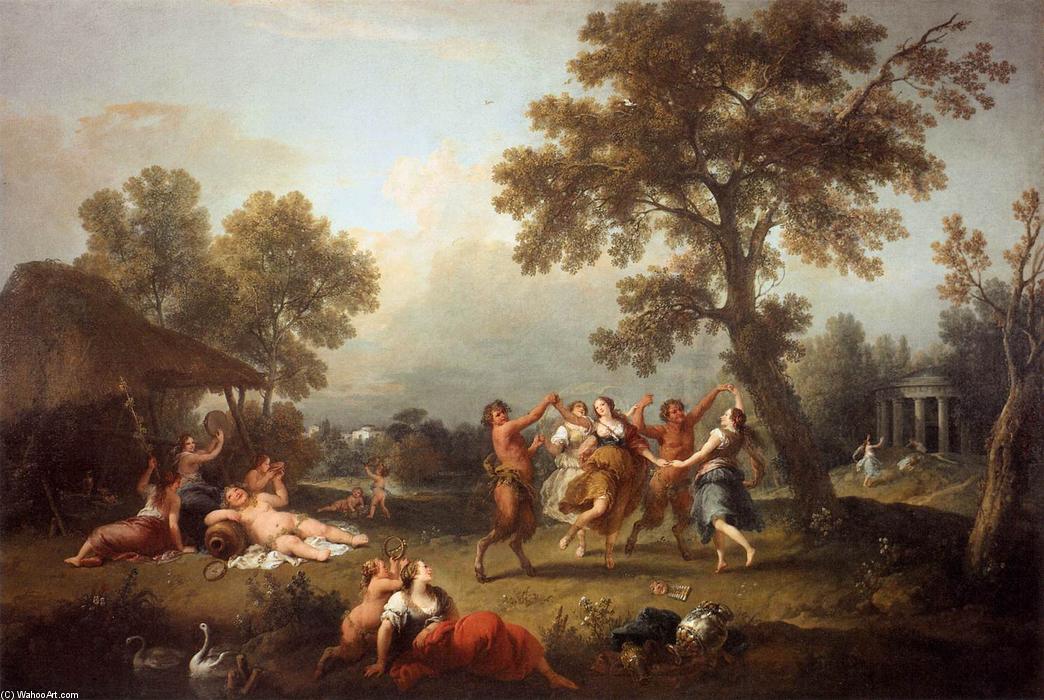
Experience the joyous Rococo elegance of Francesco Zuccarelli’s Bacchanal, a vibrant oil masterpiece capturing an idyllic pastoral celebration that invites you to bring timeless Venetian charm into your private collection.
 Vis mere
Udforsk de idylliske landskaber af Francesco Zuccarelli (1702-1788), en italiensk rokoko-mester kendt for sine arkadiske scener og venetianske charme.
Giclée / Kunsttryk
Giclée- eller lærredstryk i museumskvalitet med hurtig produktion og fleksible muligheder for finish. ( Køb håndmalet maleri Skift til digitalt billede)




P118B Dkr10

P118H Dkr10

P118W Dkr10

P438Z Dkr10

P508JH Dkr12

P508YH Dkr12

P805H Dkr10

P805Z Dkr10

P919BZ Dkr10

P919G Dkr10

P919XJ Dkr10

P959ZH Dkr10

P968JZ Dkr12

W106C Dkr8

W218G Dkr10

W218JH Dkr8

W218Y Dkr10

W307PJ Dkr10

W316G Dkr10

W316PJ Dkr8

W316Y Dkr10

W398PJ Dkr8

W4111J Dkr10

W500HY Dkr15

W500JH Dkr15

W692G Dkr12

W849H Dkr8

W940BG Dkr15

W953PJ Dkr8




Standardstørrelse
speciallavet
CM
INCH
Vælg mellem vores forudindstillede størrelser, der matcher kunstværkets originale proportioner.
Loading sizes...

bredde
højde
Indtast den bredde og højde, du har brug for, så det passer til din ramme eller din væg. Et print kan kun beskæres, aldrig gøres større end selve billedet, så en størrelse med et andet format vil medføre, at dele af motivet går tabt. Vi sender dig en digital mockup til godkendelse, før vi printer noget. Billedet vist på denne side viser ikke den faktiske beskæring — det er kun mockuppen, der gør.
Verdensomspændende levering () på 2 uger i stedet for de sædvanlige 4/5 uger. (6 november)

Gratis ekspresforsendelse til hele verden

Lærred af linned i høj kvalitet

Fuld transportforsikring

Garanti for refusion af told og importafgifter

Garanti for præcis farvegengivelse

100 dages returret ved fabrikationsfejl

100% fuld returret

Mængderabat ved flere køb
 Glasmulighed er kun tilgængelig i størrelser under 110 cm

Bacchanal
Giclée / Kunsttryk
Størrelse på reproduktion
-


Samlet pris
Dkr 468
Francesco Zuccarelli’s Bacchanal: A Symphony of Pastoral Elegance
The Bacchanal by Francesco Zuccarelli stands as an emblem of the Rococo artistic movement, capturing not merely a scene but an entire ethos—one steeped in aristocratic indulgence and idealized beauty. Painted circa 1740-50, this oil on canvas masterpiece resides within the Gallerie dell’Accademia in Venice, Italy, offering visitors a glimpse into a period defined by opulent interiors and refined sensibilities. Zuccarelli's skill lies not just in depicting figures engaged in joyous revelry but in crafting an immersive experience that transports the viewer to a realm of pastoral serenity infused with vibrant color and masterful composition.Composition and Style: Balancing Chaos and Harmony
Zuccarelli’s approach distinguishes itself from the more dramatic Baroque tradition, prioritizing balance and grace over theatrical grandeur. The painting depicts a lively bacchanal—a celebration honoring Dionysus, the Greek god of wine and ecstasy—yet it avoids overwhelming visual sensation. A central group of figures dominates the canvas, their postures dynamic yet carefully arranged around a prominent architectural element: a classical structure reminiscent of Roman temples, subtly anchoring the scene in antiquity. The artist employs meticulous detailing to portray each participant’s attire and expression, conveying both physicality and emotion with remarkable precision. Notice how Zuccarelli utilizes light and shadow to sculpt forms, creating depth and enhancing the sense of movement—a hallmark of Rococo aesthetics.Color Palette and Technique: Embracing Pastel Radiance
The color palette is dominated by earthy tones – ochre, umber, Sienna – providing a grounding counterpoint to the splashes of vibrant hues adorning the figures’ clothing. Crimson reds, emerald greens, and sapphire blues punctuate the scene, symbolizing fertility, vitality, and divine inspiration. Zuccarelli's technique showcases exceptional brushwork, layering pigments with subtle gradations to achieve luminous surfaces that shimmer with reflected light. The artist skillfully blends colors on canvas, creating a velvety texture that contributes to the painting’s overall impression of luxurious softness. This meticulous attention to detail underscores Zuccarelli’s dedication to capturing not just what is seen but also how it feels—a testament to the transformative power of art.Historical Context: Venetian Aristocracy and Artistic Patronage
The Bacchanal reflects the cultural landscape of Venice during the mid-18th century, a city ruled by an aristocratic elite deeply invested in artistic patronage. Zuccarelli’s work exemplifies the Rococo style's fascination with idealized landscapes and mythological narratives—themes favored by Venetian noble families eager to express their status and sophistication. The painting aligns perfectly with broader European trends toward decorative art and emotional expression, signaling a shift away from Baroque solemnity towards a celebration of sensual pleasure and imaginative vision.Symbolism: Dionysian Ecstasy and Pastoral Tranquility
Beyond its visual splendor, Bacchanal is laden with symbolic significance. The bacchanalia itself represents the unrestrained pursuit of joy and indulgence—a deliberate rejection of Puritan morality—while simultaneously evoking images of Arcadia, the mythical pastoral paradise inhabited by shepherds and nymphs. The figures’ gestures convey a profound connection to nature and divine inspiration, mirroring the Rococo preoccupation with themes of beauty, harmony, and sensual experience. Zuccarelli's masterful depiction captures not only the outward spectacle of celebration but also its inner resonance—a reminder that art can transcend mere representation to communicate deeper truths about human emotion and spiritual aspiration.Legacy: Rediscovering Zuccarelli’s Vision
Francesco Zuccarelli’s reputation waned in the early 19th century, yet his work has experienced a resurgence of interest in recent decades, displayed prominently in museums worldwide. Bacchanal stands as a cornerstone of Rococo art history—a testament to Zuccarelli's artistic genius and his ability to distill the essence of an era into a single unforgettable image. Its enduring appeal lies in its exquisite beauty, balanced composition, and profound exploration of human emotion, continuing to inspire artists and collectors alike.Spørgsmål og svar
Hvor intense er farverne i "Bacchanal" af Francesco Zuccarelli?
"Bacchanal" af Francesco Zuccarelli har en Balanced farveintensitet.
Hvilken printstørrelse af "Bacchanal" af Francesco Zuccarelli passer til det anbefalede rum?
Den anbefalede kombination til "Bacchanal" af Francesco Zuccarelli: et tryk i størrelsen Large til et Living Room.
Hvor placerer "Bacchanal" sig blandt Francesco Zuccarellis gennemgående motiver?
Blandt Francesco Zuccarellis gennemgående temaer – classical ideals, roman mythology, decorative style, venetian tradition, landscape genre – bringer "Bacchanal" sit eget fokus på bacchanal, landscape, classical, wine, festive, figures, italy.
Kunstnerbiografi
Francesco Zuccarelli: Et liv i landskaber
- Født: Pitigliano, Italien (1702)
- Død: 1788
- Periode: Senbarok / Rokoko
Giacomo Francesco Zuccarelli, bedst kendt som Francesco Zuccarelli, var en skelsættende italiensk kunstner, berømt for sine idylliske landskaber og arkadiske scener. Han blev født i Pitigliano i Toscana i 1702 og trådte frem som den mest betydningsfulde landskabsmaler fra Venedig i midten af det 18. århundrede. Hans værker genlød dybt over hele Europa, især i England, hvor han tilbragte betydelige perioder under kongelig beskyttelse.
Tidlig træning og romerske indflydelser
- Læretid: Zuccarelli begyndte sin kunstneriske rejse som lærling hos Giovanni Maria Morandi og Pietro Nelli i Rom, hvor han oprindeligt fokuserede på portrætkunst.
- Kobberstik og freskoer: Fra 1728 til 1731 dedikerede han sig i vid udstrækning til at gravere de forfaldende freskoer af Giovanni da San Giovanni og Andrea del Sarto, hvilket udviste et skarpt øje for detaljen og klassiske indflydelser.
- Paolo Anesis vejledning: Luigi Lanzi bemærkede, at Paolo Anesi spillede en afgørende rolle i at guide Zuccarelli mod landskabsmaleriet, hvilket formede hans kunstneriske retning.
Hans tidlige værker afslører indflydelsen fra den romerske klassicisme og en spirende interesse for at indfange skønheden i det italienske landskab.
Den venetianske periode og opgangen til berømmelse
- Ankomsten til Venedig: Omkring 1732 flyttede Zuccarelli til Venedig, hvor han udnyttede en åbning inden for landskabsmaleriet.
- En særpræget stil: Han udviklede en unik stil karakteriseret ved en mild farvepalette, luftige kompositioner og figurer vækket til live med lysende tonale værdier – et brud med de typiske venetianske farver hos hans forgængere.
- Mæcenater og samarbejder: Zuccarelli vandt hurtigt støtte fra indflydelsesrige skikkelser som feltmarskal Schulenburg, Joseph Smith (den britiske konsul) og Francesco Algarotti. Han samarbejdede ofte med kunstnere som Antonio Visentini og Bernardo Bellotto. Bemærkelsesværdige samarbejder inkluderer skabelsen af en serie neo-palladiansk arkitektur samt et sæt spillekort med motiver fra Det Gamle Testamente, udført med håndkolorerede scener.
- Medlemskab af Royal Academy: I 1768 blev han et af de grundlæggende medlemmer af Royal Academy of Arts i London, hvilket cementerede hans ry på den internationale scene.
Denne periode markerede Zuccarellis vej mod berømmelse, hvor hans landskaber fangede publikum over hele Europa og etablerede ham som en ledende skikkelse i rokokoperioden.
De senere år, tilbagegang og fornyet værdsættelse
- Kritisk modtagelse: På trods af den indledende hyldest svandt Zuccarellis ry i begyndelsen af det 19. århundrede, efterhånden som naturalismen vandt frem. Kritikere som Turner tilbød moderat ros, hvor de anerkendte hans figurers skønhed, men satte spørgsmålstegn ved hans overordnede stil.
- Michael Leveys analyse: Kunsthistorikeren Michael Levey tilskrev senere Zuccarellis brede appel til værkernes dekorative natur, især blandt det engelske publikum.
- Moderne revurdering: Siden 1990'erne har italienske forskere stået i spidsen for en fornyet værdsættelse af Zuccarellis bidrag, hvor de fremhæver hans betydning for landskabsmaleriet og udstiller hans værker i talrige udstillinger.
I dag anerkendes Francesco Zuccarelli som en mester fra rokokoperioden, fejret for sine idylliske landskaber, der fremkalder en følelse af ro og klassisk skønhed. Hans eftermæle fortsætter med at inspirere kunstnere og fange publikum over hele verden.

Francesco Zuccarelli
1702 - 1788 , Italien
Kort om kunstneren
- Bemærkelsesværdige Værker:
- Capriccio med San Giorgio Maggiore
- Klassisk landskab
- Landskab med piger ved floden
- Bacchanale
- Dødsdato: 30. december 1788
- Fulde Navn: Giacomo Francesco Zuccarelli
- Fødested (By Og Land): Pitigliano, Italien
- Fødselsdato: 15. august 1702
- Kunstnere Der Påvirkede Denne Kunstner:
- Paolo Anesi
- Claude Lorrain
- Andrea del Sarto
- Kunstnerisk Bevægelse Eller Stil: Rokoko, Barok
- Nationalitet: Italiensk
Relaterede artikler

The Elegance of Rococo Portraiture: A Journey Through Grace, Soft Light, and Pastel Dreams
Discover the exquisite world of Rococo portraiture. Explore the delicate beauty of 18th-century French art, from pastel light to graceful asymmetry, and learn how to bring this era of elegance into your home through masterfully hand-painted oil reproductions.

The Elegance of Rococo: A Journey Through Pastel Dreams and Ornate Splendor
Embark on an elegant journey through the Rococo era. Discover the delicate beauty of pastel masterpieces, the intricate artistry of 18th-century French masters, and how this era of ornate splendor continues to inspire timeless luxury in fine art collecting.

Golden Light & Rich Color: The Timeless Magic of Venetian Renaissance Art
Explore the luminous beauty of Venetian Renaissance art. Discover how masters like Titian used colorito and golden light to redefine painting through texture, emotion, and atmospheric brilliance in a masterclass of historical artistry.