

 Se i rummet
 Del som kort
 Del
Del
 Detaljer
 Guide
Guide

 Download
 Lignende værker
 Røntgenundersøgelse
 Diasshow
 Q&A
Q&A Statistikker
The Martigues

- 36.0 x 46.0 cm


A serene harbor scene blending Impressionism and Dadaism, this 1904 oil painting by Francis Picabia captures a tranquil blue and white seascape that invites you to bring a piece of art history into your home.
 Vis mere
Opdag Francis Picabias avantgarde kunst (1879-1953). En pioner indenfor kubisme, dada og maskintidens æstetik. Hans malerier blander abstraktion, social kritik & levende farver.
Giclée / Kunsttryk
Giclée- eller lærredstryk i museumskvalitet med hurtig produktion og fleksible muligheder for finish. ( Køb håndmalet maleri Skift til digitalt billede)




P118B Dkr10

P118H Dkr10

P118W Dkr10

P438Z Dkr10

P508JH Dkr12

P508YH Dkr12

P805H Dkr10

P805Z Dkr10

P919BZ Dkr10

P919G Dkr10

P919XJ Dkr10

P959ZH Dkr10

P968JZ Dkr12

W106C Dkr8

W218G Dkr10

W218JH Dkr8

W218Y Dkr10

W307PJ Dkr10

W316G Dkr10

W316PJ Dkr8

W316Y Dkr10

W398PJ Dkr8

W4111J Dkr10

W500HY Dkr15

W500JH Dkr15

W692G Dkr12

W849H Dkr8

W940BG Dkr15

W953PJ Dkr8




Standardstørrelse
speciallavet
CM
INCH
Vælg mellem vores forudindstillede størrelser, der matcher kunstværkets originale proportioner.
Loading sizes...

bredde
højde
Indtast den bredde og højde, du har brug for, så det passer til din ramme eller din væg. Et print kan kun beskæres, aldrig gøres større end selve billedet, så en størrelse med et andet format vil medføre, at dele af motivet går tabt. Vi sender dig en digital mockup til godkendelse, før vi printer noget. Billedet vist på denne side viser ikke den faktiske beskæring — det er kun mockuppen, der gør.
Verdensomspændende levering () på 2 uger i stedet for de sædvanlige 4/5 uger. (31 oktober)

Gratis ekspresforsendelse til hele verden

Lærred af linned i høj kvalitet

Fuld transportforsikring

Garanti for refusion af told og importafgifter

Garanti for præcis farvegengivelse

100 dages returret ved fabrikationsfejl

100% fuld returret

Mængderabat ved flere køb
 Glasmulighed er kun tilgængelig i størrelser under 110 cm

The Martigues
Giclée / Kunsttryk
Størrelse på reproduktion
-


Samlet pris
Dkr 465
A Serene Voyage Through Light and Color
In the quietude of 1904, a young Francis Picabia captured a moment of profound stillness in his masterpiece, The Martigues. This evocative oil on canvas invites the viewer into a tranquil harbor scene, where the boundaries between water, sky, and shore seem to dissolve into a dreamlike haze. The composition is anchored by a large sailing vessel that rests upon the calm expanse of the sea, its presence balanced by the solitary figure of a man standing near a boat in the foreground. This human element provides a poignant sense of scale and a touch of narrative intimacy, suggesting a moment of quiet contemplation amidst the vastness of the coastal landscape. As the eye wanders toward the horizon, the soft silhouettes of trees and distant buildings emerge, lending a gentle depth to the scene that draws the observer deeper into this maritime sanctuary.
The technical brilliance of The Martigues lies in Picabia’s masterful ability to weave together the disparate threads of late 19th-century innovation. At first glance, the painting breathes with the luminous energy of Impressionism, utilizing a palette dominated by soothing blues and crisp whites to evoke the cool, refreshing atmosphere of a coastal morning. Yet, beneath this surface lies a more complex structural approach; the artist employs short, broken brushstrokes reminiscent of Pointillism, creating a textured, tactile surface that dances with light. Subtle hints of yellow-gold on the ship's rigging provide a warm, rhythmic contrast to the cool tones, while delicate traces of green in the vegetation add organic vitality. This experimental fusion of styles showcases an artist on the precipice of a revolution, blending the sensory delights of light and color with a burgeoning interest in more structured, modern forms.
The Dawn of an Avant-Garde Spirit
To behold The Martigues is to witness the early tremors of a cultural earthquake. While Picabia would later become a central provocateur of the Dada movement—a movement defined by its rejection of traditional aesthetics and its embrace of the absurd—this particular work captures him in a more lyrical, transitional phase. It serves as a beautiful bridge between the representational traditions of the past and the radical experimentation of the 20th century. The painting does not merely depict a harbor; it symbolizes the spirit of exploration and the fluidity of identity. The sailing ship, poised for movement yet resting in stillness, acts as a metaphor for the artist’s own restless journey through Cubism, Surrealism, and Dadaism.
For the discerning collector or interior designer, this reproduction offers more than just visual elegance; it provides a window into the soul of modern art history. The soft, diffused lighting and the absence of harsh shadows create an atmosphere of peace that is ideal for creating a sophisticated, calming sanctuary within a home or gallery space. Whether placed in a sunlit study or a contemporary living area, The Martelligues brings with it a sense of historical weight and artistic prestige. Owning a high-quality, hand-painted reproduction allows one to inhabit the same world of light and texture that Picabia inhabited over a century ago, making the profound legacy of the French avant-garde a tangible part of your personal environment.
Spørgsmål og svar
Hvilken historisk periode stammer "The Martigues" af Francis Picabia fra?
"The Martigues" af Francis Picabia stammer fra Modern-perioden, som giver den historiske kontekst til værket.
Hvilken stemning ville "The Martigues" bringe til et rum?
"The Martigues" af Francis Picabia har en Serene atmosfære og anbefales til et Hotel Room. Stemningen er det, som værket bringer til de omkringliggende omgivelser.
Fra hvilket land stammer Dadaism-værket "The Martigues"?
"The Martigues" blev skabt af Francis Picabia, født i Frankrig, inden for Dadaism-bevægelsen. Kunstnerens oprindelse forbinder værket med Dadaism, som det praktiseres af kunstnere fra Frankrig.
Lignende kunstværker


Kunstnerbiografi
A Life Forged in Avant-Garde Fire: The World of Francis Picabia
Francis Picabia, en navn synonymt med den rastløse ånd i tidlig 20. århundredes kunst, var mere end blot en maler; han var en provokatør, en digter, en typograf og en utrættelig udforsker af kunstens grænser. Han blev født i Paris i 1879 til en fransk mor og en cubansk far dybt involveret i diplomatiske kredse, og hans liv var præget af både privilegier og en dyb utilfredshed med konventioner. Denne dualitet drev hans kunstneriske rejse, der førte ham gennem Kubisme, Dada, Surrealisme og videre, og efterlod et uforglemmeligt aftryk på det moderne kunstlandskab. Hans tidlige år var skyggelagt af tragedie – tabet af sin mor til tuberkulose, da han kun var fem år gammel – men også næret af en far, der opmuntrede hans spirende talent. Arv efter en betydelig formue gav Picabia friheden til fuldt ud at dedikere sig til kunstneriske bestræbelser, en luksus, der muliggjorde hans utrættelige eksperimentering og udfordring af etablerede normer. Han var ikke blot interesseret i *hvad* kunsten så ud; han stillede spørgsmålstegn ved dens egen formål og betydning.Impressionistiske Begyndelser til Kubistisk Revolution
Picabias tidlige bestræbelser inden for kunstverdenen var rodfæstet i de gældende stilarter på sin tid, især Impressionismen. Han malede parisernes landskaber og flodbredder med en teknisk dygtighed, der alligevel efterlod ham utilfreds. Kritikere fandt hans arbejde afledt og manglende originalitet, hvilket udløste et kritisk vendepunkt. Denne utilfredshed drev ham til at søge nye veje for udtryk, hvilket førte ham mod de revolutionære ideer, der bredte sig inden for Kubistbevægelsen omkring 1909. At slutte sig til Puteaux Gruppen – en kollektiv bestående af Marcel Duchamp og Guillaume Apollinaire – var afgørende. Han dykkede ned i dekonstruktionen af form, fragmenteringen af perspektiv og udforskningen af geometrisk abstraktion. Denne periode markerede en betydelig ændring i hans æstetik, der bevægede sig væk fra repræsentationsnøjagtighed mod et mere konceptuelt synspunkt. Hans lærreds overgik til at pulserer med ny energi, afspejler den intellektuelle fermentering i tiden. Duchamps indflydelse var særlig stærk, hvilket fremmede en fælles ånd af ikonoklasme og en villighed til at nedbryde kunstens traditioner.Dada’s Provokatør: Maskiner, Satire og Afvisningen af Fornuft
Frembringen af Første Verdenskrig fungerede som en katalysator for Picabias mest radikale fase – hans omfavnelse af Dadaismen. Frustreret over den meningsløse vold og det samfundsmæssige hykleri, han vidnede om, afviste han fornuft, logik og traditionelle kunstværdi. En flytning til New York i 1915 placerede ham i hjertet af en voksende amerikansk Dada-scene sammen med Duchamp og Man Ray. Det var her, Picabia virkelig finpudsede sin unikke brand af Dadaistisk udtryk. Han begyndte at skabe en række "maskinedrøvninger", der viste fantastiske mekaniske apparater – ofte indgydet med seksuelle undertoner – som fungerede som skarpe kritikker af det moderne samfunds besættelse af teknologi og industrialisering. Disse værker var ikke blot billeder af maskiner; de var allegorier for de menneskeløsende kræfter, der spillede på spil i verden omkring ham. Hans satiriske humor, kombineret med en mesterlig kontrol over linje og form, gjorde disse tegninger særligt kraftfulde. Han udgav *The Little Review*, et Dadaistisk tidsskrift, der yderligere udbredte hans provokerende ideer og udfordrede konventionelle kunstneriske normer. Universal Prostitution, en kompleks tegning skabt i denne periode, illustrerer hans villighed til at konfrontere tabu-emner og nedbryde samfundets forventninger.En Skiftende Kaleidoskop: Surrealisme og Udover
Picabias kunstneriske rejse var præget af konstant udvikling og en modstand mod at blive kategoriseret. Selvom han var dybt involveret i Dada, eksperimenterede han kortvarigt med Surrealismen i 1920'erne, udforskede drømmenes rige og det underbevidste. Alligevel voksede han hurtigt ud af, hvad han betragtede som den stive dogmatik i Surrealistbevægelsen, og foretrak at opretholde sin uafhængighed og fortsætte med at kortlægge sin egen vej. I det meste af sit sene liv fortsatte Picabia med at eksperimentere med forskellige stilarter og teknikker, der indarbejdede elementer af figurativitet, abstraktion og endda gennemsigtighed i sit arbejde. Hans senere malerier viste ofte biomorfiske former og en levende palet, der afspejlede en genopdagelse af organiske former og sanselige teksturer. Han var en rastløs innovator, indtil sin død i 1953, efterlod et værk, der fortsat udfordrer og inspirerer kunstnere i dag.Arv: En Pioner for Moderne Kunstnerisk Frihed
Francis Picabias indflydelse på moderne kunst er uomtvisteligt. Hans utrættelige eksperimentering, hans afvisning af konventionen og hans villighed til at omfavne modstridelse banede vejen for generationer af kunstnere, der fulgte ham. Han var en sand pioner inden for kunstnerisk frihed, der demonstrerede, at kunsten kunne være alt – en politisk erklæring, en filosofisk undersøgelse, et personligt udtryk eller simpelthen en legende udforskning af form og farve. Hans arbejde forudså mange af de vigtigste udviklinger i det 20. århundredes kunst, fra Pop Art til konceptkunst. Han udfordrede selve definitionen af, hvad der udgjorde "kunst", tvingede publikum til at stille spørgsmålstegn ved deres egne antagelser og fordomme. I dag fejres Picabias malerier for deres intellektuelle rigor, deres visuelle dynamik og deres vedvarende relevans. Hans arv ligger ikke kun i hans individuelle mesterværker, men også i hans urokkelige engagement i kunstnerisk innovation og hans modstand mod at blive bundet af traditionernes begrænsninger.
Francis Picabia
1879 - 1953 , Frankrig
Kort om kunstneren
- Artistic Movement Or Style: Cubisme, Dada, Surrealisme
- Artists Or Movements Influenced By This Artist:
- Picabia
- Surrealisme
- Artists Who Influenced This Artist:
- Pissarro
- Duchamp
- Date Of Birth: 22. januar 1879
- Date Of Death: 30. november 1953
- Full Name: Francis-Marie Martinez Picabia
- Nationality: Fransk
- Notable Artworks:
- Amorous Parade
- Ecstasy St. Francis
- Place Of Birth: Paris, Frankrig
Relaterede artikler

Top 10 Berømte Malerier i Skønne Slate Blue Nuancer – Kunst til Dit Hjem
Oplev skønheden i 10 berømte malerier domineret af den elegante slate blue nuance. Fra Monet til Van Gogh – lær historierne bag ikoniske kunstværker og find inspiration til dit hjem. Køb museumskvalitets reproduktioner på TopImpressionists.com

Renoirs Mesterværker: Top 25 Kunstværker til Dit Hjem | TopImpressionists.dk
Oplev Renoirs 25 mest ikoniske malerier! Fordyb dig i Impressionismens verden, fra 'Bal du moulin de la Galette' til 'Umbrellas'. Køb museumskvalitets reproduktioner og find inspiration til din bolig på TopImpressionists.com.
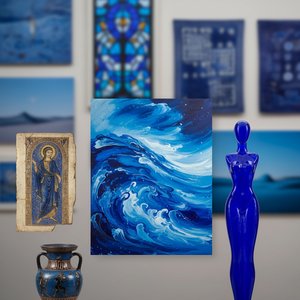
The Allure of Azure: Exploring the Symbolic & Aesthetic Depths of Blue in Art History
Explore the rich history of blue in art! Discover its symbolism, from ancient pigments to modern masterpieces by Kandinsky & Seurat. Uncover the psychological impact and cultural meanings behind this captivating hue.

Hvide Mesterværker: Top 10 Maler der Fascinerer – Kunst til Dit Hjem | TopImpressionists.dk
Oplev skønheden i hvide malerier! Fra Monet til Van Gogh – udforsk 10 ikoniske kunstværker og deres historie. Find inspiration til dit hjem & køb museumskvalitets reproduktioner på TopImpressionists.com.

Claude Monet: Top 25 Mesterværker – Impressionisme til Dit Hjem | TopImpressionists.dk
Oplev Claude Monets 25 mest ikoniske malerier! Fordyb dig i impressionismens verden, fra vandliljer til solnedgange. Find inspiration og køb museumskvalitets kunsttryk på TopImpressionists.com – perfekt til dit hjem. Udforsk samlingen online!