


 Se i rummet
 Send
Send Del
Del
 Detaljer
 Studieguide til kunstværker

 Download
 Lignende værker
 Røntgenundersøgelse
 Se diasshow
 Statistik
Salome
 Acrylic On Canvas
- WallArt
- German Symbolism
 1906
1906 92.0 x 114.0 cm
 Lenbachhaus
Franz Ritter von Stuck's "Salome" (1906) depicts a captivating dance of desire and tragedy, blending Symbolism with biblical drama. Explore the haunting beauty & dark narrative of this iconic masterpiece.
 Læs mere
Franz Ritter von Stuck var en tysk symbolist maler og skulptør kendt for sine mytologiske billeder, stærke skulpturer og sin centrale rolle i Münchens kunstsekcession. Hans værker blander klassisk præcision med drømmende billeder og udforsker temaer som synd, skønhed og det underbevidste.
Håndlavet oliereproduktion
Håndmalet olie på lærred i din valgte størrelse og ramme, udført efter bestilling af vores kunstnere. ( Skift til printversion Skift til digitalt billede)




P118B Dkr10

P118H Dkr10

P118W Dkr10

P438Z Dkr10

P508JH Dkr12

P508YH Dkr12

P805H Dkr10

P805Z Dkr10

P919BZ Dkr10

P919G Dkr10

P919XJ Dkr10

P959ZH Dkr10

P968JZ Dkr12

W106C Dkr8

W218G Dkr10

W218JH Dkr8

W218Y Dkr10

W307PJ Dkr10

W316G Dkr10

W316PJ Dkr8

W316Y Dkr10

W398PJ Dkr8

W4111J Dkr10

W500HY Dkr15

W500JH Dkr15

W692G Dkr12

W849H Dkr8

W940BG Dkr15

W953PJ Dkr8




Standardstørrelse
speciallavet
CM
INCH
Vælg mellem vores forudindstillede størrelser, der matcher kunstværkets originale proportioner.
Loading sizes...

bredde
højde
Indtast den bredde og højde, du har brug for, så det passer til din ramme eller din væg. Da dette er håndmalet, kan kunstneren ved en anden form på størrelsen male lidt mere rundt om billedet eller skære lidt væk — det er op til dig. Vi sender dig et digitalt mockup til godkendelse, før maleriet påbegyndes. Billedet, der vises på denne side, viser ikke det endelige resultat — det er kun mockuppet, der gør.
Eksempler på tilpasningsmuligheder: Udskift ansigt med kundens eget foto; Tilføj kæledyr (f.eks. udskift kat med hund); Inkluder en skjult besked i baggrunden; Ændr baggrundslandskab eller elementer.
Efter bestilling vil TopImpressionists.com team sende en e-mail til kunden for at indhente instruktioner og fremsende et udkast til gennemgang.
Efter bestilling vil TopImpressionists.com team sende en e-mail til kunden for at indhente instruktioner og fremsende et udkast til gennemgang.
Levering i hele verden () på 3-4 uger i stedet for de standard 5 uger. (22 oktober). Ingen kompromiser med kvaliteten.

Gratis ekspresforsendelse til hele verden

Lærred af linned i høj kvalitet

Komplet transportforsikring

Garanti for refusion af told og importafgifter

Garanti for autentisk farvegengivelse

100 dages returret ved fabrikationsfejl

100% fuld returret

Mængderabat ved flere køb
 Glasmulighed er kun tilgængelig i størrelser under 110 cm

Salome
Reproduktionsmateriale
Reproduktionsstørrelse
-


Samlet pris
Dkr 1763
The Enigmatic Dance: Unveiling Franz Ritter von Stuck’s “Salome”
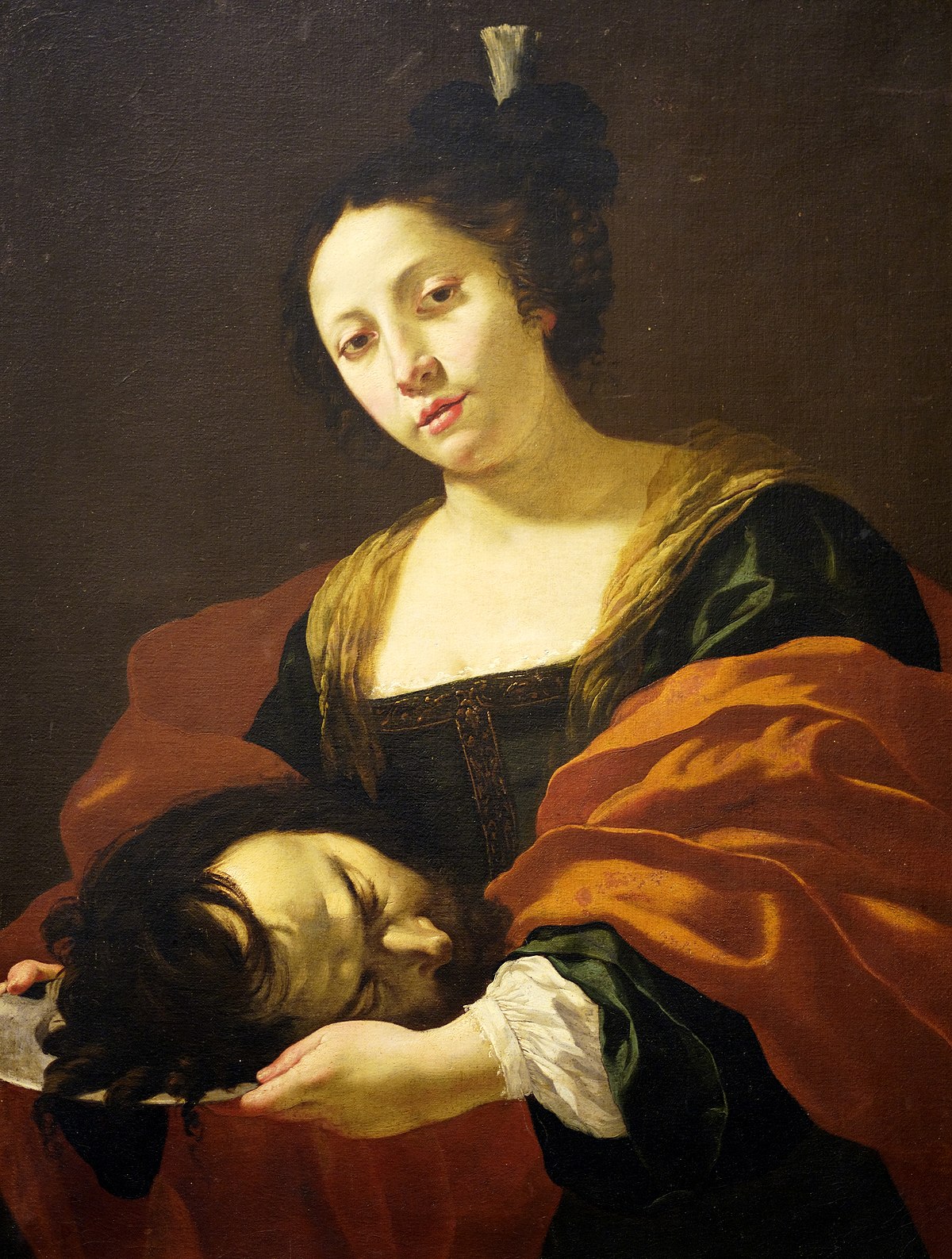
Franz Ritter von Stuck's 1906 painting, "Salome," is not merely a depiction of a biblical episode; it’s a profoundly unsettling and intensely symbolic exploration of desire, power, and the dark undercurrents of human nature. Emerging from the fertile ground of German Symbolism, Stuck masterfully blends classical precision with the dreamlike logic of the subconscious, creating an image that continues to captivate and disturb over a century later. The painting’s immediate impact lies in its dramatic composition – a carefully orchestrated tableau of figures poised on the precipice of violence and obsession. The scene unfolds within a shadowy, almost claustrophobic space, dominated by a towering, ornate architecture suggesting both opulence and impending doom. This isn't a straightforward narrative; it’s an atmosphere saturated with tension, inviting viewers to contemplate the motivations and fates of those involved.
A Symphony of Contrasts: Style, Technique, and Materiality
Stuck’s artistic style is immediately recognizable as a potent blend of Symbolism and Art Nouveau influences. The painting showcases his signature use of rich, jewel-toned colors – deep reds, emerald greens, and shimmering golds – applied with meticulous detail to create an opulent yet unsettling effect. His brushwork is deliberately expressive, employing visible strokes that contribute to the overall sense of drama and movement. Notice particularly the way he renders the textures: the velvet drapery, the polished surfaces of the architecture, and even the glistening skin of Salome herself – all are rendered with a tactile quality that draws the viewer into the scene. The painting was executed in oil on canvas, a medium that allowed Stuck to achieve both luminous color saturation and remarkable textural detail. The use of chiaroscuro—the dramatic contrast between light and shadow—further intensifies the emotional impact, highlighting key figures and obscuring others in an atmosphere of mystery and foreboding.
The Narrative Unfolds: Biblical Context and Symbolism
At its core, “Salome” depicts a pivotal moment from the New Testament – the fulfillment of Herodias’s vengeful plot against John the Baptist. However, Stuck doesn't offer a simple retelling of the story; instead, he delves into the psychological complexities of the characters and imbues the scene with layers of symbolic meaning. Salome herself is not portrayed as a seductive temptress but rather as a figure caught in a web of manipulation and driven by a primal desire for power. The presence of the dark servant, clutching John’s severed head on a platter, introduces an element of grotesque horror – a stark reminder of the brutal consequences of unchecked ambition. The architecture—a blend of Romanesque and Byzantine styles—suggests both grandeur and decay, mirroring the moral corruption at the heart of the narrative. The star-studded night sky serves as a backdrop to this drama, hinting at a realm beyond earthly concerns and perhaps suggesting a connection between life and death.
A “Prince of Art”: Stuck’s Legacy and Artistic Significance
Franz Ritter von Stuck was more than just an artist; he was a cultural phenomenon. Nicknamed the "Prince of Art" during his lifetime, he bridged the gap between academic tradition and the burgeoning currents of modernism. His work explored themes of sin, beauty, and the subconscious with a boldness and emotional intensity that resonated deeply with audiences at the turn of the 20th century. Villa Stuck, his own architectural masterpiece in Munich, stands as a testament to his artistic vision—a lavishly decorated space filled with sculptures, paintings, and intricate details reflecting his fascination with mythology, symbolism, and the darker aspects of human experience. “Salome” is arguably one of his most enduring works, demonstrating his mastery of dramatic composition, evocative color palettes, and profound psychological insight. It remains a powerful and unsettling image that continues to provoke discussion and inspire interpretation.
Spørgsmål & svar
Hvad er "Salome" lavet af, og i hvilken stil?
"Salome" er udført i Acrylic On Canvas i German Symbolism-stil.
Er "Salome" af Franz Ritter von Stuck et maleri, en tegning eller et tryk?
"Salome" er et værk i form af WallArt.
Hvornår og i hvilken stil er "Salome" af Franz Ritter von Stuck skabt?
"Salome" blev skabt i 1906 som et værk inden for German Symbolism-bevægelsen. Datoen og stilen forankrer kunstværket i kunsthistorien.
Om kunstneren
A Life Steeped in Myth and Symbol
Franz Ritter von Stuck, en navn synonymt med den evokative kraft af tysk Symbolisme, trådte fra de bayeriske landskaber i 1863 ind i kunstens verden og blev en af generationens mest indflydelsesrige kunstnere. Født i Tettenweis, oprindeligt bestemt til et liv som skovfoged efter sin fars vej, viste den unge Franz en ubestridelig kunstnerisk tilbøjelighed, der uundgåeligt ville ændre hans kurs. Denne tidlige evne førte ham til München, først til Anvendt Kunstskole i 1878 og derefter til Kunstakademiet fra 1882-1884, hvor han blev betaget af Arnold Böcklins hjemsøgende smukke mytologiske scener – en formative indflydelse, der dybt ville forme hans kunstneriske vision. Stuck var ikke blot en kunstner; han var et kulturelt fænomen, en "Prins af Kunst" som han blev kendt under sin levetid, og brobyggede mellem 19. århundredes akademiske tradition og de spirende strømme af modernisme. Hans tidlige år i Tettenweis gav ham en stærk forbindelse til naturen, hvilket senere ville manifestere sig i hans landskabsbilleder og hans fascination for mytologiske fortællinger.The Rise of a Symbolist Master
Stucks hurtige fremgang til anerkendelse var bemærkelsesværdig. Hans gennembrud kom i 1889 med *The Guardian of Paradise*, udstillet på München Glass Palace, og fik øjeblikkeligt ros fra kritikere og modtog en gyldent medalje. Maleriet var ikke blot et bevis på teknisk dygtighed; det annoncerede en ny kunstnerisk stemme – en der blandede klassisk præcision med mytologisk emne og en understrøm af symbolistisk mystik. Han blev hurtigt en central figur i at udfordre etablerede normer, og grundlagde München Secession i 1892 sammen med ligesindede kunstnere, der var fast besluttede på at bryde fri fra konservative begrænsninger og fremme moderne kunst. Denne handling af kunstnerisk oprør faldt sammen med hans udforskning af skulptur, hvor han debuterede med *Athlete*, hvilket demonstrerede en imponerende alsidighed. Men det var *The Sin* (1893), der virkelig cementerede hans ry som mester i Symbolist maleri, og fangede publikums opmærksomhed med sin dramatiske intensitet og psykologiske dybde. Denne periode markerede den fuldt udblomstrende af Stucks unikke stil – en kraftfuld kombination af sensualitet, klassisk form og symbolsk resonans. Han var ikke blot en maler; han var en visionær, der forsøgte at fange essensen af den menneskelige sjæl i et æstetisk udtryk.Themes and Influences: A World of Desire and Myth
Stucks kunstneriske univers er befolket med gentagne motiver, der afslører hans dybe engagement med tidløse temaer. Mytologi tjente som en konstant inspirationskilde, og trak på græske, romerske og bibelske fortællinger, som han genfortolkede med en tydelig personlig stil. Disse var ikke blot fortælninger; de var udforskninger af den menneskelige tilstand filtreret gennem det mytologiske perspektiv. Ligesom andre Symbolister var Stuck fascineret af det feminine og det mystiske, hvilket manifesterede sig i hans mange portrætter af kvinder – ofte som figurer af både skønhed og fare. Han var især betaget af Salome, en figur der repræsenterer begær, fare og moralsk tvetydighed. Disse malerier var ikke blot et udtryk for fysisk skønhed; de dykkede ned i de psykologiske kompleksiteter ved kvindelig magt og dens potentielle kraft til både lokkende og ødelæggende. Han var også dybt påvirket af klassisk kunst, hvilket ses i hans præcise teknik, anatomiske nøjagtighed og kompositionsrigdom. Ud over Böcklin blev Stuck inspireret af Pre-Raphaelitterne og Gustave Moreau, men han var ikke blot en imitator; han syntetiserede disse indflydelser til noget unikt for sig selv, hvilket havde en dybtgående indvirkning på efterfølgende generationer af kunstnere.Major Works and Enduring Significance
* The Spring (1886): En livlig fremstilling, der viser hans tidlige mesterskab i farve og komposition. * Dissonance (1893): Et foruroligende portræt, der udtrykker følelsesmæssig uro gennem en kvinde, der spiller violin. * Salome (various versions): Måske hans mest ikoniske værk, der skildrer den bibelske historie med slående sensualitet og psykologisk dybde. * Athlete (1892): En kraftfuld skulptur, der demonstrerer hans færdigheder i tredimensionel form. * Lucifer (1890): Et af hans mest berømte værker, der viser en stærk og dramatisk fremstilling af Lucifer. I 1895 tog Franz von Stuck en anden vigtig rolle på – at være lærer ved Münchens Akademi. Han blev en højt respekteret instruktør, ikke kun ved at videregive tekniske færdigheder, men også ved at opmuntre sine elever til at udforske deres individuelle kunstneriske visioner. Blandt dem, der gav afkast på hans vejledning, var fremtidige lysende figurer som Paul Klee, Wassily Kandinsky og Josef Albers, hvilket demonstrerede bredden af hans indflydelse. Hans undervisningsstil og tilgang til kunsten spillede en væsentlig rolle i at forme de næste generationer af kunstnere. I 1897 giftede Franz von Stuck sig med amerikansk enke Mary Lindpainter og begyndte at designe sit eget hjem og atelier, Villa Stuck. Dette projekt var et vidnesbyrd om hans kunstneriske vision, der udvidedes til alle detaljer, fra arkitekturen til interiørdekorationerne. Villa Stuck står i dag som et varigt monument over hans liv og arbejde. Hans værker er en vigtig del af den tyske kunsthistorie, og hans indflydelse kan stadig mærkes i nutidens kunstverden. Hans bidrag til kunsthistorien er uomtvisteligt. Han spillede en central rolle i at forme Symbolistbevægelsen i Tyskland, der brolagde mellem akademisk tradition og moderne kunstnerisk eksperimentering. Hans arbejde fortsætter med at fange publikums opmærksomhed med sin dramatiske intensitet, mytologiske rigdom og psykologiske dybde. Han er en vital figur for at forstå overgangen fra det 19. århundredes historisme til den innovative ånd i det 20. århundrede, en kunstner hvis indflydelse stadig kan mærkes i nutidens kunstverden.
Franz Ritter von Stuck
1863 - 1928 , Tyskland
Hurtige fakta
- Artistic Movement Or Style: Symbolisme, Art Nouveau
- Artists Or Movements Influenced By This Artist:
- Paul Klee
- Gustave Moreau
- Artists Who Influenced This Artist:
- Arnold Böcklin
- Pre-Raphaelitter
- Date Of Birth: 23. feb 1863
- Date Of Death: 30. aug 1928
- Full Name: Franz Ritter von Stuck
- Nationality: Tysk
- Notable Artworks:
- Paradisets vogtere
- Salome
- Synden
- Place Of Birth: Tettenweis, Tyskland
Relaterede artikler

The Elegance of Erté: Capturing the Timeless Glamour and Sophistication of Art Deco Style
Immerse yourself in the exquisite world of Erté. Discover how his legendary Art Deco illustrations defined 1920s glamour through unparalleled elegance, symmetry, and fashion artistry. Explore a timeless legacy of luxury for the true art enthusiast.