


 Se i rummet
 Send
Send Del
Del
 Detaljer
 Studieguide til kunstværker

 Download
 Lignende værker
 Røntgenundersøgelse
 Se diasshow
 Statistik
Café 1


Experience George Grosz’s ‘Café 1’! A vibrant depiction of urban life in Berlin, showcasing his distinctive style & social commentary. Hand-painted reproduction available.
 Læs mere
George Grosz (1893-1959) var en tysk kunstner, kendt for sin satiriske kunst og skarpe kritik af Weimarrepublikken og fascismen. Se hans kraftfulde karikaturer og politiske budskaber.
Kunstværket vist på denne side er beskyttet af ophavsretsloven, hvilket betyder, at vi ikke lovligt kan skabe eller sælge en identisk reproduktion. Denne beskyttelse håndhæves i henhold til internationale aftaler som f.eks. den Bernerkonventionen og af nationale love, herunder de bestemmelser, der er fastlagt i Amerikansk ophavsretslov - Titel 17.
Som et respektfuldt og lovligt alternativ tilbyder vi skræddersyede, håndmalede kunstværker inspireret af originalen. Vores dygtige og professionelle kunstnere studerer omhyggeligt originalens stil, stemning og kunstneriske essens for at skabe et nyt, unikt værk, der fremkalder den samme følelse – samtidig med at det forbliver en original skabelse i egen ret.
Denne metode overholder fuldt ud ophavsretsreglerne, da den ikke indebærer kopiering eller duplikering af det beskyttede kunstværk. I stedet er der tale om en kreativ nytolkning – et nyt maleri, som er inspireret af det oprindelige, men ikke identisk med det.
Håndlavet oliereproduktion
Håndmalet olie på lærred i din valgte størrelse og ramme, udført efter bestilling af vores kunstnere. ( Skift til printversion Skift til digitalt billede)




P118B Dkr10

P118H Dkr10

P118W Dkr10

P438Z Dkr10

P508JH Dkr12

P508YH Dkr12

P805H Dkr10

P805Z Dkr10

P919BZ Dkr10

P919G Dkr10

P919XJ Dkr10

P959ZH Dkr10

P968JZ Dkr12

W106C Dkr8

W218G Dkr10

W218JH Dkr8

W218Y Dkr10

W307PJ Dkr10

W316G Dkr10

W316PJ Dkr8

W316Y Dkr10

W398PJ Dkr8

W4111J Dkr10

W500HY Dkr15

W500JH Dkr15

W692G Dkr12

W849H Dkr8

W940BG Dkr15

W953PJ Dkr8




Standardstørrelse
speciallavet
CM
INCH
Vælg mellem vores forudindstillede størrelser, der matcher kunstværkets originale proportioner.
Loading sizes...

bredde
højde
Indtast den bredde og højde, du har brug for, så det passer til din ramme eller din væg. Da dette er håndmalet, kan kunstneren ved en anden form på størrelsen male lidt mere rundt om billedet eller skære lidt væk — det er op til dig. Vi sender dig et digitalt mockup til godkendelse, før maleriet påbegyndes. Billedet, der vises på denne side, viser ikke det endelige resultat — det er kun mockuppet, der gør.
Eksempler på tilpasningsmuligheder: Udskift ansigt med kundens eget foto; Tilføj kæledyr (f.eks. udskift kat med hund); Inkluder en skjult besked i baggrunden; Ændr baggrundslandskab eller elementer.
Efter bestilling vil TopImpressionists.com team sende en e-mail til kunden for at indhente instruktioner og fremsende et udkast til gennemgang.
Efter bestilling vil TopImpressionists.com team sende en e-mail til kunden for at indhente instruktioner og fremsende et udkast til gennemgang.
Levering i hele verden () på 3-4 uger i stedet for de standard 5 uger. (22 oktober). Ingen kompromiser med kvaliteten.

Gratis ekspresforsendelse til hele verden

Lærred af linned i høj kvalitet

Komplet transportforsikring

Garanti for refusion af told og importafgifter

Garanti for autentisk farvegengivelse

100 dages returret ved fabrikationsfejl

100% fuld returret

Mængderabat ved flere køb
 Glasmulighed er kun tilgængelig i størrelser under 110 cm

Café 1
Reproduktionsmateriale
Reproduktionsstørrelse
-


Samlet pris
Dkr 1763
A Window into the Weimar Soul
In the heart of a bustling, fractured Berlin, George Grosz captures a moment of suspended animation in his evocative work, Café 1. This painting serves as more than just a depiction of a social gathering; it is a vibrant, almost frenetic window into the urban pulse of the early twentieth century. As one gazes upon the canvas, the viewer is immediately swept into a crowded, atmospheric setting where the clinking of cups and the low hum of conversation seem to vibrate through the brushstrokes. The scene is populated by a diverse cast of characters—individuals caught in the quiet, mundane rituals of eating, drinking, and socializing—yet there is an underlying tension that suggests the world outside these cafe walls is far from stable. Through his masterful use of color and composition, Grosz invites us to witness the delicate dance of human connection amidst the encroaching shadows of a changing era.
The technique employed in Café 1 reflects the artist's unique ability to blend meticulous observation with a sharp, satirical edge. While his early training involved the disciplined study of Dutch masters, here we see a departure toward a more expressive and jagged aesthetic. The figures are rendered with a certain rhythmic energy, their forms defined by lines that feel both deliberate and urgent. The interplay of light and shadow across the dining tables creates a sense of depth, drawing the eye through the layers of the crowd toward the subtle details—a man in a tie, a woman lost in thought, and even the unexpected presence of birds that flutter near the periphery. This layering of detail ensures that every glance reveals something new, making the painting an endlessly engaging subject for close study.
Symbolism and the Urban Tapestry
Beyond its surface beauty, Café 1 functions as a profound piece of social commentary. Grosz, a chronicler of societal decay, uses the cafe setting as a microcosm of the Weimar Republic. The arrangement of people—some isolated in their own thoughts, others huddled in small groups—mirrors the fragmented nature of a society struggling to find its footing between tradition and modernity. The presence of the birds adds a layer of surrealist intrigue, perhaps symbolizing a fleeting sense of freedom or an external world that remains indifferent to the human drama unfolding within the cafe's walls. For the discerning collector, the painting offers a rich tapestry of meaning, where every object, from a simple coffee cup to a formal necktie, serves as a symbol of the social hierarchies and cultural shifts defining the age.
For interior designers and art enthusiasts alike, this reproduction offers a commanding presence that brings both historical weight and intellectual depth to any space. The painting’s palette, though colorful, possesses a sophisticated complexity that allows it to integrate seamlessly into both contemporary and classic decor. It acts as a conversation piece, sparking dialogue about history, sociology, and the enduring power of art to capture the human condition. To possess a hand-painted reproduction of Café 1 is to hold a fragment of Berlin's turbulent history, offering an emotional resonance that transcends time and provides a soulful focal point for any curated collection.
Spørgsmål & svar
Kan jeg bruge augmented reality til at se "Café 1" af George Grosz i mit eget rum?
"Café 1" af George Grosz kan ses på din egen væg via kunstværkets AR-forhåndsvisning-side ved hjælp af augmented reality på en kompatibel enhed.
Hvad er den anbefalede anvendelse af et print af "Café 1"?
En reproduktion af "Café 1" af George Grosz anbefales til Conversation. Denne anbefaling er baseret på værkets motiv, stemning og farver.
Hvilken placering passer til formatet på "Café 1" af George Grosz?
Formatet Landscape til "Café 1" af George Grosz anbefales til en Coffee Shop. Format og rumstørrelse er tilsammen vejledende for placeringen af en reproduktion.
Om kunstneren
A Satirist of Shattered Worlds: The Life and Art of George Grosz
George Grosz, født Georg Ehrenfried Groß i Berlin i 1893, var en afgørende visuel skildrer af samfundets forfald og politisk uro. Hans kunst var ikke blot *af* sin tid – den turbulente Weimarrepublik og fascismens fremkomst – men et visceral respons på den, en rasende fordømmelse udtrykt i skarpe linjer og groteske karikaturer. Grosz skildrede ikke blot Berlin; han afdækkede det, afslørede dets moralske forråderi med ubarmhjertig ærlighed. De tidlige år af hans liv var præget af ustabilitet efter sin fars død, en begivenhed der drev hans mor ind i at administrere et officers’ mess, og dermed placerede den unge Georg midt i en verden af preussisk militarisme og stive sociale hierarkier – en verden han senere utrætteligt satiriserede. Hans formelle kunstneriske uddannelse begyndte med omhyggelige kopier af traditionelle hollandske mestre som Eduard von Grützner, hvorved han skar teknisk dygtighed, før han forlod akademiske konventioner til en langt mere provokerende vej. Denne tidlige disciplin gav dog grundlaget for hans unikt udtryksfulde stil at blive bygget på.Dada, New Objectivity, og Fødslen af et Kritisk Syn
Grosz’s kunstneriske udvikling var uløseligt forbundet med de avantgarde bevægelser, der blomstrede i det post-krigstidige Tyskland. Han blev en central figur i Berlin Dada, omfavnede dens nihilistiske ånd og anti-establishment fervor. I modsætning til nogle af hans Dadaistiske samtidige, der glædede sig over ren absurditet, kanaliserede Grosz Dada’s rebelske energi ind i målrettet social kommentar. Hans værker fra denne periode – stykker som *The Pit* (1921) og *The Pillars of Society* (1926) – er brændende fordømmelser af den tyske borgelighed, det militære elite og det korrupte politiske system, der førte nationen til katastrofe. Han var ikke interesseret i æstetisk skønhed; han søgte at chokere, provokere og afsløre hykleri. Denne forpligtelse til social kritik udviklede sig til hans deltagelse i *Neue Sachlichkeit* (New Objectivity), en bevægelse karakteriseret ved dens realistiske, men usentimentale skildring af nutidens liv. Mens han delte New Objectivtys fokus på realisme, indførte Grosz det med sin unikt skarpe satire, der adskilte ham fra andre kunstnere, der var associeret med gruppen. Hans malerier og tegninger var ikke blot repræsentationer af virkeligheden; de var forvrængede refleksioner af et samfund på randen af kollaps.Exil og Transformation: En Ny Verden, en Skiftende Stil
Den stigende nazisme tvang Grosz til eksil i 1933. Han fandt tilflugt i USA, hvor han blev naturaliseret borger i 1938. Denne flytning markerede et betydeligt vendepunkt i hans kunstneriske karriere. Fjernt fra den kontekst, der drev hans mest kraftfulde arbejde, og konfronteret med en anden type sociale og politiske realiteter, begyndte Grosz’s stil at skifte. De åbenlyst aggressive karikaturer gav plads til mere dæmpede landskaber og portrætter, ofte præget af en følelse af melankoli og disillusionment. Selvom han fortsatte med at udstille og undervise på Art Students’ League i New York, manglede hans arbejde den rå intensitet fra hans Berlin-periode. Han kæmpede for at finde sin fodfæste i et nyt miljø, konfronteret med følelser af fremmedgørelse og kunstnerisk usikkerhed. De apokalyptiske visioner, der opstod i denne periode – malerier, der skildrede ødelagte landskaber og fragmenterede figurer – afspejlede ikke kun de horrors, der udspillede sig i Europa, men også hans egen indre uro.Arv og Betydende Relevans
George Grosz vendte tilbage til Berlin i 1959, kort før sin død, en hjerteskærende tilbagevenden til den by, der både havde inspireret og forfulgt ham. Hans arv strækker sig langt ud over den historiske kontekst af Weimar-Tyskland. Han er et stærkt eksempel på en kunstner, der dristigt konfronterede ubehagelige sandheder og udfordrede samfundets normer. Hans kunst tjener som en advarsel om farene ved politisk ekstremisme, social uretfærdighed og ukontrolleret magt.- Satirisk Magt: Grosz’s mesterlige brug af karikatur fortsætter med at inspirere kunstnere og kommentatorer i dag.
- Social Kommentar: Hans ubarmhjertige kritik af samfundets lidelser forbliver bemærkelsesværdigt relevant i en verden, der stadig kæmper med ulighed, korruption og politisk polarisering.
- Historisk Vidne: Hans kunst giver værdifuld indsigt i den sociale og politiske atmosfære i det interwar Tyskland, hvilket giver en visceral forståelse af de kræfter, der førte til 2. verdenskrig.

George Grosz
1893 - 1959 , Tyskland
Hurtige fakta
- Artistic Movement Or Style: Dada, New Objectivitet
- Artists Or Movements Influenced By This Artist: ['Otto Dix']
- Date Of Birth: 26. juli 1893
- Date Of Death: 6. juli 1959
- Full Name: George Grosz
- Nationality: Tysk
- Notable Artworks:
- The Pit
- Pillars af Samfundet
- Place Of Birth: Berlin, Tyskland
Relaterede artikler
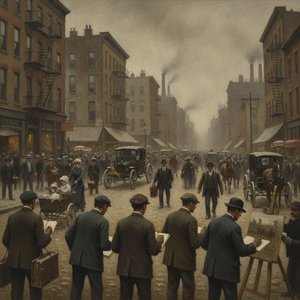
The Ashcan School: Capturing the Raw, Unfiltered Soul of Urban Life through American Realism
Discover the raw beauty of the Ashcan School. Explore how masters like Bellows and Henri captured the gritty, vibrant soul of early 20th-century New York through profound American Realism and evocative urban landscapes.
Udforsk kunstværker organiseret efter temaer, stilarter og karakteristika.


