

 Se i rummet
 Del som kort
 Del
Del
 Detaljer
 Guide
Guide

 Download
 Lignende værker
 Røntgenundersøgelse
 Diasshow
 Q&A
Q&A Statistikker
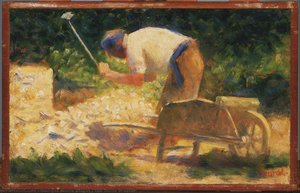
The Stone Breaker


Experience the revolutionary Pointillist style of Georges Seurat in 'The Stone Breaker,' capturing rural labor and luminous precision—a cornerstone of late Impressionism. Admire this captivating artwork and explore exquisite reproductions at TopImpressionists.com.
 Vis mere
Opdag Georges Seurat (1859-1891), pioneren bag Pointillismen & Neo-Impressionismen! Udforsk 'En søndag på La Grande Jatte' og hans revolutionerende farveteori, der fanger moderne liv. Køb håndmalede reproduktioner!
Giclée / Kunsttryk
Giclée- eller lærredstryk i museumskvalitet med hurtig produktion og fleksible muligheder for finish. ( Køb håndmalet maleri Skift til digitalt billede)




P118B Dkr10

P118H Dkr10

P118W Dkr10

P438Z Dkr10

P508JH Dkr12

P508YH Dkr12

P805H Dkr10

P805Z Dkr10

P919BZ Dkr10

P919G Dkr10

P919XJ Dkr10

P959ZH Dkr10

P968JZ Dkr12

W106C Dkr8

W218G Dkr10

W218JH Dkr8

W218Y Dkr10

W307PJ Dkr10

W316G Dkr10

W316PJ Dkr8

W316Y Dkr10

W398PJ Dkr8

W4111J Dkr10

W500HY Dkr15

W500JH Dkr15

W692G Dkr12

W849H Dkr8

W940BG Dkr15

W953PJ Dkr8




Standardstørrelse
speciallavet
CM
INCH
Vælg mellem vores forudindstillede størrelser, der matcher kunstværkets originale proportioner.
Loading sizes...

bredde
højde
Indtast den bredde og højde, du har brug for, så det passer til din ramme eller din væg. Et print kan kun beskæres, aldrig gøres større end selve billedet, så en størrelse med et andet format vil medføre, at dele af motivet går tabt. Vi sender dig en digital mockup til godkendelse, før vi printer noget. Billedet vist på denne side viser ikke den faktiske beskæring — det er kun mockuppen, der gør.
Verdensomspændende levering () på 2 uger i stedet for de sædvanlige 4/5 uger. (2 november)

Gratis ekspresforsendelse til hele verden

Lærred af linned i høj kvalitet

Fuld transportforsikring

Garanti for refusion af told og importafgifter

Garanti for præcis farvegengivelse

100 dages returret ved fabrikationsfejl

100% fuld returret

Mængderabat ved flere køb
 Glasmulighed er kun tilgængelig i størrelser under 110 cm

The Stone Breaker
Giclée / Kunsttryk
Størrelse på reproduktion
-


Samlet pris
Dkr 465
A Symphony of Light and Labor
In the quiet, sun-drenched landscapes of late 19th-century France, Georges Seurat captured more than just the physical reality of rural life; he captured the very vibration of light itself. His masterpiece, The Stone Breaker, serves as a profound testament to the transition from the fleeting impressions of Monet to the structured, scientific precision of Post-Impressionism. At first glance, the painting presents a scene of humble, arduous toil—a man and a boy bent low over the earth, engaged in the rhythmic, exhausting task of breaking stones. Yet, beneath this surface of manual labor lies a revolutionary vision that forever altered the trajectory of modern art.
Seurat’s approach was far from spontaneous. While his Impressionist predecessors sought to capture a passing moment through rapid brushstrokes, Seurat embarked on a meticulous reconstruction of visual experience. He utilized Pointillism, a technique where tiny, distinct dots of pure pigment are applied to the canvas. This method was not merely an aesthetic choice but a scientific endeavor rooted in the optical theories of his time. By placing complementary colors in close proximity, Seurat allowed the viewer's eye to perform the blending, creating a luminous shimmer that mimics the way light naturally dances across a surface. For the collector or enthusiast, this technique offers a depth and vitality that traditional blending simply cannot replicate.
Symbolism and the Weight of Existence
Beyond its technical brilliance, The Stone Breaker carries a heavy emotional and symbolic resonance. The figures within the frame—the weathered man and the youthful boy—are more than mere subjects; they are embodiments of the working class, representing the cyclical nature of labor and the persistence of the human spirit amidst hardship. There is a certain dignity found in their bowed postures, a quiet strength that speaks to the moral fortitude required by such a life. The painting captures a moment of profound stillness within a world of movement, inviting the viewer to contemplate the intersection of physical exhaustion and the enduring beauty of the natural world.
The composition itself is masterfully balanced, using light and shadow to guide the eye through the rugged terrain. For those looking to integrate such a piece into a curated interior, The Stone Breaker offers an unparalleled sense of gravitas and intellectual depth. It is a work that demands attention, not through loud colors or dramatic action, but through its subtle, rhythmic energy. Whether displayed in a contemporary gallery setting or as a focal point in a classic study, this reproduction brings with it the legacy of a visionary who saw the universe not just as a collection of objects, but as a magnificent, interconnected web of light and color.
Spørgsmål og svar
Er "The Stone Breaker" af Georges Pierre Seurat i det offentlige domæne?
"The Stone Breaker" af Georges Pierre Seurat er i det offentlige domæne – ophavsretten er udløbet. Denne status bestemmer, hvordan billedet af værket må reproduceres.
Hvilken teknik og stil kendetegner "The Stone Breaker" af Georges Pierre Seurat?
"The Stone Breaker" er udført i Oil On Canvas i Neo-Impressionism-stil.
Er "The Stone Breaker" af Georges Pierre Seurat i det offentlige domæne, og hvorfor?
"The Stone Breaker" af Georges Pierre Seurat er i det offentlige domæne – ophavsretten er udløbet. Ophavsretten beregnes ud fra kunstnerens dødsår, og Georges Pierre Seurat døde i 1891.
Lignende kunstværker




Kunstnerbiografi
En pioner for lysets præcision: Georges Seurats liv og kunst
Georges Pierre Seurat, født i Paris den 2. december 1859, trådte frem som en afgørende figur i overgangen fra impressionismen til moderne kunst. Hans korte, men intense karriere revolutionerede maleriet gennem udviklingen af pointillisme – en teknik forankret i videnskabelige principper og en ubønhør søgen efter optisk sandhed. Seurats historie er fortællingen om omhyggelig observation, intellektuel stringens og en dyb følsomhed over for lysets og farvens nuancer – kvaliteter der adskilte ham fra hans samtidige og fortsat fanger publikum den dag i dag. Hans tidlige liv, selvom tilsyneladende konventionelt, lagde grundlaget for hans fremtidige kunstneriske udforskninger. Familien flyttede til Boulevard de Magenta kort efter hans fødsel, og hans far, Antoine Chrysostome Seurat, en tidligere juridisk embedsmand blevet ejendomsspekulant, sørgede for en komfortabel opvækst, der gav den unge Georges adgang til kunstnerisk uddannelse. Han begyndte formel træning på École Municipale de Sculpture et Dessin under billedhuggeren Justin Lequien, efterfulgt af indskrivning på det prestigefyldte École des Beaux-Arts i 1878, hvor han studerede under Henri Lehmann. Disse formative år gav ham et solidt fundament i traditionelle teknikker, men selv dengang var en unik kunstnerisk personlighed begyndt at tage form – en blanding af delikat følsomhed og en spirende fascination for systematisk analyse.Fra akademiske rødder til kromoluminarisme
Seurats kunstneriske udvikling var ikke et pludseligt spring ind i innovation, men snarere en gradvis evolution drevet af intellektuel nysgerrighed og streng eksperimentering. I begyndelsen afspejlede hans arbejde tidens akademiske standarder, der demonstrerede dygtighed i tegning og respekt for veletablerede kompositionelle principper. Han begyndte dog snart at stille spørgsmålstegn ved disse konventioner og søgte en mere videnskabelig tilgang til maleri. Han kastede sig over det spirende farvelæreområde, studerede skrifterne fra videnskabsmænd som Michel Eugène Chevreul og Ogden Rood, der udforskede de optiske effekter af sammenstillede farver. Denne forskning blev hjørnestenen i hans revolutionerende teknik, kromoluminarisme – farvens videnskab – og dens praktiske anvendelse, pointillisme. Den grundlæggende idé var bedårende enkel: at påføre små, distinkte prikker af ren farve på et lærred, idet man stolede på beskuerens øje til optisk at blande dem og skabe en levende, lysende effekt. Det handlede ikke kun om at opnå lysere farver; det handlede om at forstå, hvordan det menneskelige visuelle system opfattede lys og farve, og udnytte denne viden til at skabe en mere dynamisk og engagerende malerisk oplevelse. Han forberedte omhyggeligt sine store kompositioner med Conté-blyantstegninger på ru papir og kortlagde omhyggeligt placeringen af hver prik, hvilket demonstrerede næsten matematisk præcision i sin kunstneriske proces.Landemærker af innovation: Væsentlige værker og kunstnerisk vision
Kulminationen på Seurats forskning og eksperimenter kommer måske bedst til udtryk i A Sunday Afternoon on the Island of La Grande Jatte (1884-1886), et monumentalt værk, der markerede begyndelsen på neoimpressionismen. Dette ikoniske maleri, der skildrer parisere, der nyder en afslappet eftermiddag ved Seinen, viser hans pointillistiske teknik i sin fulde udstrækning. Figurerne, gengivet som omhyggeligt placerede farveprikker, synes at skimre og vibrere med lys, hvilket skaber en atmosfære af rolig stilhed. Alfalfa, Saint-Denis (1886-1887) demonstrerer hans anvendelse af farvelæren i et landskab, mens tidligere værker som Landscape at Saint-Ouen (1882-1883) afslører hans udviklende stil og voksende interesse for at fange lysets og atmosfærens effekter. Selv skildringer af moderne pariserliv, såsom The Eiffel Tower (1889), blev transformeret gennem sin unikke teknik og viste en harmonisk blanding af industriel modernitet og kunstnerisk innovation. Bathers at Asnières (1884), et andet betydningsfuldt værk, udforskede temaer om fritid og moderne liv med sin karakteristiske stil og varslede den mere raffinerede tilgang, der ses i *La Grande Jatte*. Disse malerier var ikke blot gengivelser af scener; de var omhyggeligt konstruerede visuelle eksperimenter designet til at udforske mulighederne for farve og perception.En varig arv: Indflydelse og historisk betydning
På trods af et tragisk kort liv – Seurat døde i en alder af blot 31 år i 1891 – var hans indvirkning på kunstverdenen dybtgående og vidtrækkende. Hans arbejde udfordrede traditionelle kunstneriske konventioner og banede vejen for adskillige efterfølgende bevægelser. Vægten på subjektivt udtryk og udforskningen af nye teknikker genlydede hos kunstnere, der søgte at bryde fri fra akademiske begrænsninger. Seurats indflydelse kan ses i værkerne fra fauvister, som omfavnede dristige farver og udtryksfulde penselstrøg; kubister, der dekonstruerede former til geometriske figurer; og abstract expressionister, der prioriterede følelsesmæssig intensitet og spontan gestus. Seurats videnskabelige tilgang til maleri, selvom den oprindeligt var kontroversiel, udvidede i sidste ende definitionen af kunstnerisk mulighed. Han demonstrerede, at kunsten kunne være både intellektuelt streng og følelsesmæssigt bevægende – en syntese, der fortsat inspirerer kunstnere den dag i dag. Seurats arv rækker ud over hans tekniske innovationer; han efterlod sig et værk, der fanger essensen af moderne liv med uovertruffen præcision og skønhed og cementerede sin plads som en sand pioner inden for moderne kunst. Hans malerier forbliver vidnesbyrd om kraften i observation, eksperimentering og den udholdende menneskelige trang til at forstå verden omkring os gennem linsen af kunstnerisk udtryk.
Georges Pierre Seurat
1859 - 1891 , Frankrig
Kort om kunstneren
- Artistic Movement Or Style: Neo-Impressionisme, Pointillisme
- Artists Or Movements Influenced By This Artist:
- Fauvisme
- Kubisme
- Abstrakt Ekspressionisme
- Artists Who Influenced This Artist:
- Michel Eugène Chevreul
- Ogden Rood
- Date Of Birth: 2. december 1859
- Date Of Death: 29. marts 1891
- Full Name: Georges Pierre Seurat
- Nationality: Fransk
- Notable Artworks:
- La Grande Jatte
- Bathers at Asnières
- Alfalfa, Saint-Denis
- Eiffeltårnet
- Place Of Birth: Paris, Frankrig
Relaterede artikler

The Symphony of Dots: Unveiling the Luminous Magic and Optical Brilliance of Pointillism
Discover the luminous magic of Pointillism and the scientific brilliance of Georges Seurat. Explore our exquisite, hand-painted oil reproductions, meticulously crafted to bring the timeless elegance and optical beauty of Neo-Impressionism into your home with museum-grade quality.

The Beauty of Impermanence: Capturing Decay through Impressionist Eyes
Explore the profound beauty of impermanence through Impressionist and Post-Impressionist eyes. Discover how masters like Monet and Van Gogh captured fleeting light and the poetic essence of nature's transitions in our deep dive into art history and emotional landscapes.

Beyond the Light: Capturing Raw Emotion and Subjective Vision in Post-Impressionist Landscapes
Explore the profound emotional depth of Post-Impressionist landscapes. Discover how masters like Van Gogh moved beyond light to capture raw human feeling through vibrant color and expressive texture in this expert art history retrospective.
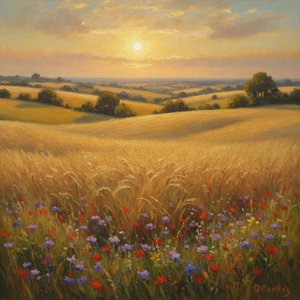
Golden Fields & Sun-Drenched Meadows: Capturing the Soul of Impressionist Landscapes
Immerse yourself in the luminous world of Impressionist landscapes. Discover how masters like Monet and Gauguin captured ephemeral light through plein air painting, and learn to bring the soul of sun-drenched meadows into your home with exquisite, hand-painted oil reproductions.

Capturing the Soul: The Most Emotionally Moving Impressionist and Post-Impressionist Masterpieces
Discover the profound emotional depth of Impressionist and Post-Impressionist masterpieces. Explore how legends like Monet, Van Gogh, and Gauguin captured light and soul through evocative landscapes and vibrant brushwork for a timeless connection to art history.
Udforsk kunstværker organiseret efter temaer, stilarter og karakteristika.


