

Shown: · With its frame:
 Se i rummet
 Del som kort
 Del
Del
 Detaljer
 Guide
Guide

 Download
 Lignende værker
 Røntgenundersøgelse
 Diasshow
 Q&A
Q&A Statistikker
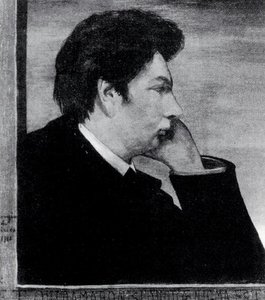
Self-portrait 7


Dkr 1772
Håndlavet oliereproduktion
Håndmalet olie på lærred i din valgte størrelse og ramme, udført efter bestilling af vores kunstnere. ( Skift til printsalg Skift til digitalt billede)
Dette kunstværk er ophavsretsbeskyttet
Kunstværket vist på denne side er beskyttet af ophavsretsloven, hvilket betyder, at vi ikke lovligt kan skabe eller sælge en identisk reproduktion. Denne beskyttelse håndhæves i henhold til internationale aftaler som f.eks. den Bernerkonventionen og af nationale love, herunder de bestemmelser, der er fastlagt i Amerikansk ophavsretslov - Titel 17.
Som et respektfuldt og lovligt alternativ tilbyder vi skræddersyede, håndmalede kunstværker inspireret af originalen. Vores dygtige og professionelle kunstnere studerer omhyggeligt originalens stil, stemning og kunstneriske essens for at skabe et nyt, unikt værk, der fremkalder den samme følelse – samtidig med at det forbliver en original skabelse i egen ret.
Denne metode overholder fuldt ud ophavsretsreglerne, da den ikke indebærer kopiering eller duplikering af det beskyttede kunstværk. I stedet er der tale om en kreativ nytolkning – et nyt maleri, som er inspireret af det oprindelige, men ikke identisk med det.
 Læs mere
Size
·Standardstørrelse
speciallavet
CM
INCH
Vælg mellem vores forudindstillede størrelser, der matcher kunstværkets originale proportioner.
Loading sizes...

bredde
højde
Indtast den bredde og højde, du har brug for, så det passer til din ramme eller din væg. Da dette er håndmalet, kan kunstneren ved en anden form på størrelsen male lidt mere rundt om billedet eller skære lidt væk — det er op til dig. Vi sender dig et digitalt mockup til godkendelse, før maleriet påbegyndes. Billedet, der vises på denne side, viser ikke det endelige resultat — det er kun mockuppet, der gør.
Finish
·
White Dkr1

Blurside Dkr1

Extended Dkr1

P118B Dkr10

P118H Dkr10

P118W Dkr10

P438Z Dkr10

P508JH Dkr12

P508YH Dkr12

P805H Dkr10

P805Z Dkr10

P919BZ Dkr10

P919G Dkr10

P919XJ Dkr10

P959ZH Dkr10

P968JZ Dkr12

W106C Dkr8

W218G Dkr10

W218JH Dkr8

W218Y Dkr10

W307PJ Dkr10

W316G Dkr10

W316PJ Dkr8

W316Y Dkr10

W398PJ Dkr8

W4111J Dkr10

W500HY Dkr15

W500JH Dkr15

W692G Dkr12

W849H Dkr8

W940BG Dkr15

W953PJ Dkr8

H24-GOLD Dkr30

H24-SILVER Dkr30

H36-GOLD Dkr45

H36-SILVER Dkr45
Shipped in a protective tube, ready for your own framer.
Above 105 cm the frame is shipped as a kit for a professional framer — read the details.
Extras
optionalWhat do the extras include?
Examples of what can be changed: Replace face with customer photo; Add pet (e.g., replace cat with dog); Include hidden message in background; Change background landscape or elements.
After order, TopImpressionists.com team will email client for instructions and provide a mockup preview
After order, TopImpressionists.com team will email client for instructions and provide a mockup preview
Verdensomspændende levering () på 3-4 uger i stedet for de standard 5 uger. (29 oktober). Ingen kompromiser med kvaliteten.
Beskyttende fernis
Navneskilt
Detaljer om indgraveret bronzeskilt
This elegant plaque features the artist's name and the title of the artwork, finely engraved for a timeless presentation.
It is made from bronze with a refined, elegant finish. The text is precisely laser-engraved for a sharp and permanent result. Measuring 9x2 cm, the plaque is compact yet easy to read. It's built to be durable and scratch-resistant, offering a professional, museum-quality look. Mounting is simple thanks to the included adhesive backing.
Detaljer om gennemsigtig akrylplade
The plaque includes essential engraved details such as the artist's name, the title of the artwork, the date it was created, the type of media used-like oil on canvas or watercolor-a brief description of the piece, and a QR code that links to the complete artwork information.
It is crafted from clear acrylic, offering a sleek, modern appearance. The text is UV-engraved in black to ensure strong visual contrast. With a size of 10x15 cm, it ensures optimal readability. It comes equipped with two metal hooks for secure wall mounting. The plaque is designed to be weather-resistant, making it suitable for various environments, and it includes interactive features that work seamlessly with smartphone scanning.
Detaljer om sort akrylplade
This elegant plaque includes engraved information such as the artist's name, the title of the artwork, the date it was created, the type of media used (like oil on canvas or watercolor), a short description of the artwork, and a QR code for quick access to more information.
The plaque itself is made from refined black acrylic with a premium finish. The text is laser-engraved in white for high contrast and readability. Its size is 10x15 cm, designed to be easy to read. It comes with two metal hooks for professional mounting. The design is sleek and fits any interior style. It is also weather-resistant and durable, with built-in digital integration for mobile compatibility.
Glasmulighed er kun tilgængelig i størrelser under 110 cm
 Glasmulighed er kun tilgængelig i størrelser under 110 cm
- Gratis ekspresforsendelse til hele verden
- Lærred af linned i høj kvalitet
- Fuld transportforsikring
- Garanti for refusion af told og importafgifter
- Garanti for præcis farvegengivelse
- 100 dages returret ved fabrikationsfejl
- 100% fuld returret
- Mængderabat ved flere køb


Beskrivelse af samlerobjektet
A haunting self-portrait by Giorgio de Chirico (1922). Explore the artist's melancholic style, surreal imagery, and philosophical depth in this iconic masterpiece.
Kunstnerbiografi
Udforsk Giorgio de Chiricos surrealist univers! Hans dystopiske bylandskaber og filosofiske temaer inspirerede Surrealismen. Et mesterværk af mystik og længsel.
About the painting
A Dreamscape in Gray: De Chirico’s “Self-Portrait 7”
Giorgio de Chirico's "Self-Portrait 7," painted around 1922, isn’t merely a depiction of an artist; it’s a distilled essence of the anxieties and intellectual currents swirling through Europe at the dawn of the 20th century. This haunting monochrome study, housed within the Toledo Museum of Art, invites us into a realm where reality fractures, memory bleeds into dream, and the self becomes both subject and object—a captivating paradox that defines much of de Chirico’s oeuvre. The painting immediately arrests with its stark simplicity: a figure rendered in muted grays, positioned slightly off-center against a subtly receding backdrop, his hand partially obscuring his mouth as if holding back a profound thought or perhaps a secret sorrow.
The work belongs firmly within de Chirico’s “Metaphysical” period, a movement he pioneered alongside his brother, Andrea Savinio. This style rejected the superficiality of contemporary art and sought to capture not just appearances but the underlying anxieties and irrationalities of human experience. Influenced by philosophers like Arthur Schopenhauer and Friedrich Nietzsche, de Chirico aimed to depict a world where logic dissolves, and the familiar becomes unsettlingly strange. The painting’s palette—a carefully orchestrated symphony of grays—is crucial to this effect. It's not simply black and white; it’s a spectrum of tones that evokes both melancholy and a sense of timelessness, mirroring the artist’s own preoccupation with mortality and the passage of time.
Deconstructing Form: Technique and Composition
Technically, “Self-Portrait 7” is characterized by a meticulous layering of oil paint—a technique de Chirico revisited after abandoning his earlier, more vibrant style. He employed subtle gradations of tone to create an illusion of depth and texture, suggesting the rough surface of clothing and the smooth planes of the face. The composition itself is deceptively simple, yet profoundly effective. The figure’s placement off-center creates a dynamic tension, drawing the eye across the canvas and inviting contemplation. Notice how the background recedes sharply, almost dissolving into an indeterminate space—a technique that reinforces the painting's sense of unease and disorientation.
The use of line is equally deliberate. The strong outlines defining the face and body are softened by the surrounding tones, creating a sense of ambiguity. There’s a deliberate lack of detail; de Chirico wasn’t interested in photographic realism but rather in capturing the *feeling* of a scene—the emotional weight of a moment. The inclusion of the bust of Eudipides, subtly referenced in the painting's title and further explored in another work by the artist, adds an additional layer of symbolic complexity, hinting at themes of fate, suffering, and the burden of knowledge.
Symbolism and Emotional Resonance
The obscured mouth is perhaps the most potent symbol within the portrait. It suggests restraint, introspection, or even a suppressed emotion—a refusal to fully articulate the anxieties that plague the artist’s mind. The overall mood is undeniably melancholic, yet there's also an undercurrent of quiet dignity and resilience. De Chirico wasn’t simply depicting sadness; he was exploring the complex relationship between the self and the world, revealing a profound sense of isolation within a rapidly changing society.
The painting’s setting—a vaguely architectural space—further contributes to its unsettling atmosphere. It's reminiscent of Roman arcades, which de Chirico frequently depicted in his work, but here they feel strangely deserted and devoid of life. This reinforces the sense of alienation and loneliness that permeates the portrait. The subtle inclusion of a tangerine adds an unexpected element of warmth and color—a fleeting reminder of beauty amidst the prevailing gloom.
A Legacy of Dreamlike Visions
“Self-Portrait 7” stands as a quintessential example of de Chirico’s unique artistic vision. It's a painting that defies easy interpretation, inviting viewers to engage with its mysteries and grapple with its emotional complexities. It’s not merely a portrait; it’s a window into the artist’s psyche—a glimpse behind the curtain of his creative process. De Chirico’s work continues to resonate today because it taps into universal anxieties about identity, mortality, and the nature of reality. Reproductions of this powerful image offer a chance to bring this dreamlike vision into your own space, prompting reflection and sparking conversation.
Spørgsmål og svar
Hvilken kunstretning tilhører "Self-portrait 7" af Giorgio de Chirico?
"Self-portrait 7" er et værk fra Metaphysical Art. Denne stilart angiver den kunstneriske tradition, som værket indgår i.
Er "Self-portrait 7" af Giorgio de Chirico et lyst eller et mørkt kunstværk?
De registrerede værdier for "Self-portrait 7" af Giorgio de Chirico er: deep_shadow lysstyrke og Soft Shadow luminans.
Hvor anbefales det at udstille "Self-portrait 7" i Portrait-formatet?
Formatet Portrait af "Self-portrait 7" af Giorgio de Chirico anbefales til en Living Room. Format og rumstørrelse er tilsammen vejledende for placeringen af en reproduktion.
Quick facts and art quiz
About Giorgio de Chirico

Giorgio de Chirico
1888 - 1978, Grækenland
Kunstnerbiografi
Giorgio de Chirico: En Drømmende Verden af Sindet
Giorgio de Chirico, født i Volos, Grækenland i 1888 til italienske forældre – en genuesisk mor og en siciliansk far – begyndte sin kunstneriske rejse dybt forankret i både klassisk arv og en voksende følelse af moderne alienation. Hans tidlige uddannelse på Athens Polteknik lagde et fundament i traditionelle teknikker, men det var hans efterfølgende studier i München, der virkelig antændte hans kreative ånd. Der, midt i den intellektuelle ferment af før-krigstiden, mødte han værker af Arnold Böcklin og Max Klinger – kunstnere hvis symbolske landskaber og uhyggelige billeder resonerede dybt med hans egen udviklende æstetik. Lige så indflydelsesrige var de filosofiske strømninger på tidspunktet – skrifterne fra Friedrich Nietzsche, Arthur Schopenhauer og Otto Weininger – der udforskede temaer som eksistentialisme, den irrationelle menneskelige længsel og virkelighedens subjektive natur. Disse ideer ville blive centrale for de Chiricos banebrydende kunstneriske vision.Fødslen af Metaphysisk Kunst
Omkring 1909 begyndte en unik stil at dukke op fra de Chiricos udforskninger – en stil, han selv betegnede “metaphysisk” kunst. Dette var ikke blot en stilistisk innovation; det var et dybt forsøg på at fange den skjulte virkelighed under overfladen af dagligdags liv, at afsløre den urolige poesi, der gemte sig i velkendte rum. Et vendepunkt opstod under et besøg i Firenze og en oplevelse i Piazza Santa Croce, hvilket udløste hans ikoniske ‘Metaphysiske Torv’ serie. Disse malerier var karakteriseret ved deres uhyggelige stilhed, lange dramatiske skygger, logiske perspektiver og tilstedeværelsen af klassisk arkitektur sat i kontrast med foruroligende elementer som livløse statuer og truende mannekenheder. Effekten var dybt forstyrrende, der fremkaldte en følelse af nostalgi, isolation og en næsten uudholdelig længsel efter noget tabt eller uopnåeligt. De Chirico grundlagde *Scuola Metafisica*, hvilket havde en dybtgående indflydelse på Surrealismen, selvom han senere distancerede sig fra dens fortolkninger af hans arbejde. Hans malerier var ikke beregnet som illustrationer af drømme, men snarere forsøg på at skildre en virkelighed hinsides det synlige – et rige hvor tid og rum er flydende, og grænserne mellem bevidsthed og ubevidsthed udviskes. Bemærkelsesværdige værker som *The Vexations of the Thinker*, *The Enigma of an Autumn Afternoon* og *The Song of Love* eksemplificerer denne uhyggelige æstetik, inviterende betragtere til at spekulere i eksistensens mysterier og den skrøbelige natur af menneskelig perception.En Skift i Stil og Et Varigt Arv
Efter Første Verdenskrig, omkring 1919, tog de Chiricos kunstneriske vej en uventet drejning. Han forlod sin tidligere metaphysiske tilgang og omfavnede i stedet en mere traditionel neoklassisk eller neo-barok stil. Denne skift blev mødt med betydelig kontrovers; mange kritikere beklagede den tilsyneladende tilbagegang i kvalitet og beskyldte ham for at have opgivet den innovative ånd, der havde defineret hans tidlige arbejde. Alligevel holdt de Chirico fast ved sine kunstneriske valg og fortsatte med at male og udstille flittigt gennem sit liv, udforskende forskellige stilarter og emner, mens han samtidig bevarede en konsekvent forpligtelse til håndværk og teknisk dygtighed. På trods af kritikken kan hans indflydelse på efterfølgende generationer af kunstnere ikke overses. Hans innovative brug af rum, perspektiv og symbolik udfordrede konventionelle kunstneriske normer og banede vejen for nye former for udtryk.Indflydelser og Et Varigt Eftermæle
De Chiricos arbejde står som en afgørende bro mellem den sene 19. århundredes Symbolistbevægelse og Surrealismens fremkomst i det tidlige 20. århundrede. Han var direkte påvirket af kunstnere som Arnold Böcklin og Max Klinger, hvis evocative billeder resonerede med hans egen fascination for mytologi og den ubevidste sind. Filosoffer som Nietzsche og Schopenhauer gav ham et rammeværk til at udforske temaer som eksistentiel angst, alienation og søgen efter mening i en tilsyneladende meningsløs verden. Men de Chiricos indflydelse strækker sig langt ud over Surrealismen. Kunstnere som René Magritte og Salvador Dalí blev dybt inspireret af hans metaphysiske malerier, adopterede hans teknikker for juxtaposition, logisk perspektiv og symbolske billedsprog til at skabe deres egne drømmende verdener. Hans arbejde har også påvirket senere bevægelser som Magic Realism, der søgte at skildre hverdagsrealitet med en forhøjet følelse af mystik og psykologisk dybde. I dag er de Chiricos malerier udstillet i store museer over hele verden, herunder det museum, der er dedikeret til hans arbejde nær de spanske trin, hvilket sikrer, at hans arv som en af de vigtigste figurer i 20. århundredes kunst forbliver sikker. Han efterlod ikke kun et værk af kunst, men også en ny måde at se – en måde at opfatte verden som et sted for skjulte betydninger, uhyggelig skønhed og vedvarende mysterium.Nøgle Indflydelser & Kunstnerisk Slægtskab
- Påvirket af: Arnold Böcklin, Max Klinger, Friedrich Nietzsche, Arthur Schopenhauer.
- Påvirket af: Surrealismen, især kunstnere som René Magritte og Salvador Dalí. Hans arbejde har også påvirket senere bevægelser som Magic Realism.
Kort om kunstneren
- Artistic Movement Or Style: Metafysisk kunst
- Artists Or Movements Influenced By This Artist:
- Surrealisme
- René Magritte
- Artists Who Influenced This Artist:
- Arnold Böcklin
- Max Klinger
- Date Of Birth: 10. juli 1888
- Date Of Death: 20. november 1978
- Full Name: Giorgio de Chirico
- Nationality: Italiensk
- Notable Artworks:
- Enigma af eftermiddag
- Tænkerens plager
- Kærlighedssang
- Place Of Birth: Volo, Italien
Udforsk kunstværker organiseret efter temaer, stilarter og karakteristika.


Self-portrait 7
·