


 Send
Send Del
Del
 Detaljer
 Studieguide til kunstværker

 Download
 Lignende værker
 Se diasshow
 Statistik
30


 Læs mere
Giclée / Kunsttryk
Giclée- eller lærredstryk i museumskvalitet med hurtig produktion og fleksible muligheder for finish. ( Bestil håndmalet reproduktion Skift til digitalt billede)




































Standardstørrelse
speciallavet
CM
INCH
Vælg mellem vores forudindstillede størrelser, der matcher kunstværkets originale proportioner.
Loading sizes...

bredde
højde
Indtast den bredde og højde, du har brug for, så det passer til din ramme eller din væg. Et print kan kun beskæres, aldrig gøres større end billedet, så en størrelse med en anden form vil miste en del af motivet. Vi sender dig en digital mockup til godkendelse, før vi printer noget. Billedet vist på denne side viser ikke den faktiske beskæring — det er kun mockuppen, der gør.
Verdensomspændende levering () på 2 uger i stedet for de sædvanlige 4/5 uger. (22 oktober)

Gratis ekspresforsendelse til hele verden

Lærred af linned i høj kvalitet

Komplet transportforsikring

Garanti for refusion af told og importafgifter

Garanti for autentisk farvegengivelse

100 dages returret ved fabrikationsfejl

100% fuld returret

Mængderabat ved flere køb
 Glasmulighed er kun tilgængelig i størrelser under 110 cm

30
Giclée / Kunsttryk
Reproduktionsstørrelse
-


Samlet pris
Dkr 457
A Moment of Humble Devotion: Giotto’s *Washing of Feet*
Giotto di Bondone's *Washing of Feet*, part of the breathtaking fresco cycle within the Cappella Scrovegni in Padua, Italy, is not merely a depiction of a biblical scene; it’s a profound exploration of humility, service, and the nascent humanism that would define the Renaissance. Completed around 1305, this masterpiece transcends its religious subject matter to offer a deeply moving portrayal of human interaction and spiritual significance.Subject & Narrative
The painting vividly captures the moment described in the Gospel of John (13:1-17), where Jesus humbly washes the feet of his twelve disciples before sharing the Last Supper. Giotto masterfully conveys the initial shock and discomfort of the apostles, gradually yielding to acceptance and reverence. The composition is dynamic, filled with expressive gestures and individualized reactions from each figure. We witness Peter’s initial resistance, Judas’ shadowed isolation, and the dawning understanding on the faces of the others. It's a narrative frozen in time, brimming with psychological depth.Artistic Style & Technique
*Washing of Feet* exemplifies Giotto’s revolutionary break from the stylized Byzantine tradition. While still employing elements of Gothic art – evident in the rich color palette and decorative details – Giotto introduces a new level of naturalism. He utilizes chiaroscuro, the interplay of light and shadow, to model forms and create a sense of volume, giving his figures a three-dimensionality previously unseen in Italian painting. The fresco technique itself—pigments applied to wet plaster—contributes to the work’s enduring vibrancy and textural quality. Giotto's innovative use of perspective, though not fully developed as it would be later in the Renaissance, creates a believable spatial depth within the architectural setting.Historical Context & The Scrovegni Chapel
Commissioned by Enrico Scrovegni, a wealthy Paduan merchant, the Cappella Scrovegni was intended as an act of atonement for his family’s usurious practices. This context imbues the frescoes with an added layer of meaning – a visual testament to repentance and divine mercy. Giotto's cycle narrates the lives of Mary and Christ, offering a comprehensive theological program presented with unprecedented emotional resonance. The chapel itself is a landmark of Early Renaissance art, and *Washing of Feet* stands as one of its most iconic images.Symbolism & Emotional Impact
The act of foot washing was traditionally performed by servants, making Jesus’ gesture an extraordinary display of humility and selfless love. This symbolism is central to the painting's message: true leadership lies in service, and spiritual purity requires a willingness to embrace even the most menial tasks. The scene evokes feelings of piety, compassion, and reverence. Giotto doesn’t simply depict a religious event; he invites viewers to contemplate its profound moral implications. The emotional weight of the moment is palpable, drawing us into the intimate circle of Jesus and his disciples.A Timeless Masterpiece for Today's Spaces
*Washing of Feet* continues to inspire awe and contemplation centuries after its creation. Its powerful narrative, innovative style, and enduring symbolism make it a compelling subject for art lovers, collectors, and interior designers alike. A high-quality reproduction of this masterpiece can bring a sense of history, spirituality, and artistic beauty to any home or office, serving as a constant reminder of the power of humility and the transformative potential of faith.- Style: Gothic/Proto-Renaissance
- Technique: Fresco
- Location: Cappella Scrovegni, Padua, Italy
- Period: Early 14th Century (Trecento)
Spørgsmål & svar
Hvilke motiver optræder i "30" af Giotto di Bondone?
Motiverne i "30" er biblical scene, humility, service, giotto di bondone, renaissance art, catholic faith, holy communion.
Hvilket rum anbefales til "30" af Giotto di Bondone?
Det anbefalede rum til "30" af Giotto di Bondone er en Stue og opholdsrum. Forslaget kan naturligvis tilpasses din indretning.
Hvordan kan jeg se en forhåndsvisning af en reproduktion af "30" af Giotto di Bondone?
Siden Forhåndsvisning for "30" giver dig mulighed for at se en forhåndsvisning af kunstværket, før du bestiller.
Om kunstneren
Fra Hyrdedreng til Renæssancens Fader: Giotto di Bondones Revolutionerende Vision
Omkring 1267, i de bølgende bakker nær Firenze, Italien, trådte Giotto di Bondone frem fra en beskeden baggrund for at blive en af de mest indflydelsesrige skikkelser i overgangen fra middelalderlig kunst til renæssancen. Hans tidlige liv er omhyllet i legender – en hyrdedreng opdaget i færd med at tegne bemærkelsesværdigt naturtro får på klipper, der fangede den florentinske mester Cimabues opmærksomhed. Sandt eller ej, fortæller historien essensen af Giottos geni: en iboende evne til at indfange den naturlige verden med hidtil uset realisme og følelsesmæssig dybde. Taget i lære hos Cimabue, overgik Giotto hurtigt sin mester, absorberede tekniske færdigheder, men skabte en helt egen vej. Den byzantinske stil, der dominerede tiden, favoriserede stiliserede figurer, flade perspektiver og overdådigt guld – symboler på åndelig transcendens snarere end jordisk repræsentation. Giotto stræbte imidlertid efter at skildre menneskeheden ikke som æteriske ikoner, men som individer fyldt med følelser, der eksisterede i et håndgribeligt rum.
Bruddet med Byzantinismen: En Ny Naturalisme
Giottos kunstneriske revolution var ikke en pludselig omvæltning, men en gradvis udvikling. Hans tidlige værker antydede allerede skiftet, der kom, og demonstrerede et stigende fokus på volumen, vægt og troværdig anatomi. Han begyndte at observere lys og skygge ikke blot som dekorative elementer, men som redskaber til at forme figurer og skabe dybde. Denne spirende naturalisme er tydelig i hans bidrag til freskerne i den øvre basilika i San Francesco i Assisi – selvom forfatterskabet stadig er omdiskuteret, genkender mange lærde Giottos hånd i scener, der viser et markant afvigelse fra den fremherskende byzantinske æstetik. Han afviste ikke traditionen; han byggede videre på den og indførte nye former med en fornyet følelse af menneskelighed og følelsesmæssig resonans. Han forstod fortællingens kraft, skabte kompositioner, der fortalte historier ikke gennem stive symboler, men gennem udtryksfulde gestus, troværdige interaktioner og omhyggeligt konstruerede miljøer.
Scrovegni-kapellet: Et Mesterværk af Fortælling
Giottos mesterværk, og måske et af de vigtigste værker i vestlig kunsthistorie, er freskokredsen, der pryder Scrovegni-kapellet (også kendt som Arena Chapel) i Padua. Fuldført omkring 1305, skildrer denne betagende serie Kristi og Jomfru Marias liv med et revolutionerende niveau af realisme og følelsesmæssig intensitet. Hver scene udfolder sig som et omhyggeligt iscenesat drama, befolket af figurer, der ikke blot er repræsentationer af religiøse arketyper, men fuldt realiserede mennesker, der oplever glæde, sorg, frygt og håb. *Den Sidste Dom*, der dominerer en hel væg, er et kraftfuldt vidnesbyrd om Giottos evne til at formidle både guddommelig majestæt og menneskehedens rå sårbarhed over for sin ultimative regnskabsaften. Brugen af perspektiv, selvom det ikke er matematisk præcist efter senere renæssancestandarder, skaber en overbevisende illusion af dybde, der trækker beskueren ind i fortællingen. Figurerne er jordnære, deres kroppe har vægt og volumen, og deres udtryk formidler et spektrum af følelser, som tidligere var uset i religiøs kunst.
Udover Fresker: Arkitektur og Varig Arv
Giottos talenter strakte sig ud over maleriet; han var også en respekteret arkitekt. I 1334 fik han til opgave at designe Campanilen – klokketårnet – ved Firenze Domkirke, et projekt der viste hans innovative tilgang til arkitektonisk form. Selvom han døde inden færdiggørelsen, lagde hans designs grundlaget for dette ikoniske florentinske vartegn. Hans indflydelse på efterfølgende generationer af kunstnere er umålelig. Han byggede bro over kløften mellem middelalderen og renæssancen og banede vejen for mestre som Masaccio, Leonardo da Vinci og Michelangelo. Vasari, i sit banebrydende *Kunstnernes Liv*, krediterede Giotto med “at give maleriet den store kunst at gøre ting fra livet,” et vidnesbyrd om hans dybtgående indvirkning på vestlig kunsts forløb. Giotto afbildede ikke blot verden; han søgte at forstå den, at fange dens essens og formidle denne forståelse gennem fortællingens kraft. Hans arv fortsætter med at inspirere ærefrygt og beundring århundreder efter hans død og cementerer hans plads som en af historiens største kunstneriske nyskabere.
Nøglebedrifter & Varig Indflydelse
- Revolutionerede Maleri: Bevægede sig væk fra byzantinsk stilisering mod naturalisme og følelsesmæssig realisme.
- Pioner inden for Perspektiv: Introducerede teknikker til at skabe dybde og rumlig bevidsthed i malerier.
- Mesterlig Fortælling: Skabte overbevisende fortællinger gennem freskokredse, som Scrovegni-kapellet.
- Arkitektoniske Bidrag: Designede Campanilen ved Firenze Domkirke og demonstrerede arkitektonisk dygtighed.
- Fundament for Renæssancekunst: Hans arbejde lagde grundlaget for de kunstneriske præstationer i renæssancen.

Giotto di Bondone
1267 - 1337 , Italien
Hurtige fakta
- Bemærkelsesværdige Værker: ['Scrovegni Kapellet']
- Dødsdato: 1337
- Fulde Navn: Giotto di Bondone
- Fødested: Firenze, Italien
- Fødselsdato: ca. 1267
- Inspireret Af: ['Cimabue']
- Kunstnerisk Stil: Proto-renæssance
- Nationalitet: Italiensk
- Påvirkede Kunstnere: ['Masaccio']
Relaterede artikler

Proto-Renæssancens Mesterværker: 10 Kunstværker der Ændrede Historien – TopImpressionists.dk
Oplev proto-renæssancens 10 mest ikoniske kunstværker! Dyk ned i Giottos, Cimabues og Duccios mesterværker. Historier, teknikker & inspiration til dit hjem. Find museumskvalitets reproduktioner på TopImpressionists.com

The Dawn of a New Vision: Proto-Renaissance Art & the Seeds of Artistic Revolution
Explore the Proto-Renaissance – the pivotal era bridging medieval and Renaissance art. Discover Giotto's revolutionary frescoes & the artistic innovations that shaped a new vision. Expert insights from TopImpressionists.

Giotto di Bondones 25 Mesterværker: Kunst, Historie & Inspiration til Dit Hjem
Oplev Giotto di Bondones 25 mest ikoniske værker! Dyk ned i renæssancens kunsthistorie, fresker og bibelske fortællinger. Find inspiration til din indretning & køb museumskvalitets reproduktioner på TopImpressionists.com.

Giotto di Bondone: Revolutionizing Late Medieval Painting through Narrative Innovation
Explore the revolutionary art of Giotto di Bondone! Discover his groundbreaking techniques, iconic frescoes like those in the Arena Chapel, and lasting impact on Renaissance painting. A deep dive for art enthusiasts.
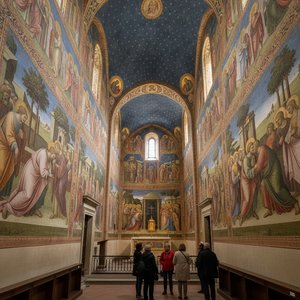
The Proto-Renaissance Revolution: How Giotto Shattered the Mold to Create Modern Visual Impact
Discover how the Proto-Renaissance shattered artistic norms. Explore Giotto’s revolutionary shift from flat Byzantine icons to raw human emotion and naturalism—the true origin of modern visual impact and storytelling in art history.
Udforsk kunstværker organiseret efter temaer, stilarter og karakteristika.


