

 Se i rummet
 Del som kort
 Del
Del
 Detaljer
 Guide
Guide

 Download
 Lignende værker
 Røntgenundersøgelse
 Diasshow
 Q&A
Q&A Statistikker
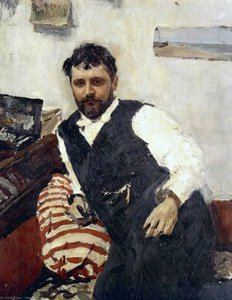
Diego Martelli


Giovanni Boldini's 'Portrait of Diego Martelli' (1865) captures a moment of quiet intimacy with dynamic brushwork and rich color, showcasing the artist’s signature style.
 Vis mere
Giovanni Boldini (1842-1931) var en italiensk maler, kendt som "Master of Swish". Han malede elegante portrætter af Paris' overklasse i den glamourøse Belle Époque. Opdag hans kunst!
Giclée / Kunsttryk
Giclée- eller lærredstryk i museumskvalitet med hurtig produktion og fleksible muligheder for finish. ( Køb håndmalet maleri Skift til digitalt billede)




P118B Dkr10

P118H Dkr10

P118W Dkr10

P438Z Dkr10

P508JH Dkr12

P508YH Dkr12

P805H Dkr10

P805Z Dkr10

P919BZ Dkr10

P919G Dkr10

P919XJ Dkr10

P959ZH Dkr10

P968JZ Dkr12

W106C Dkr8

W218G Dkr10

W218JH Dkr8

W218Y Dkr10

W307PJ Dkr10

W316G Dkr10

W316PJ Dkr8

W316Y Dkr10

W398PJ Dkr8

W4111J Dkr10

W500HY Dkr15

W500JH Dkr15

W692G Dkr12

W849H Dkr8

W940BG Dkr15

W953PJ Dkr8




Standardstørrelse
speciallavet
CM
INCH
Vælg mellem vores forudindstillede størrelser, der matcher kunstværkets originale proportioner.
Loading sizes...

bredde
højde
Indtast den bredde og højde, du har brug for, så det passer til din ramme eller din væg. Et print kan kun beskæres, aldrig gøres større end selve billedet, så en størrelse med et andet format vil medføre, at dele af motivet går tabt. Vi sender dig en digital mockup til godkendelse, før vi printer noget. Billedet vist på denne side viser ikke den faktiske beskæring — det er kun mockuppen, der gør.
Verdensomspændende levering () på 2 uger i stedet for de sædvanlige 4/5 uger. (31 oktober)

Gratis ekspresforsendelse til hele verden

Lærred af linned i høj kvalitet

Fuld transportforsikring

Garanti for refusion af told og importafgifter

Garanti for præcis farvegengivelse

100 dages returret ved fabrikationsfejl

100% fuld returret

Mængderabat ved flere køb
 Glasmulighed er kun tilgængelig i størrelser under 110 cm

Diego Martelli
Giclée / Kunsttryk
Størrelse på reproduktion
-


Samlet pris
Dkr 465
Giovanni Boldini’s “Portrait of Diego Martelli” – A Window into Belle Époque Parisian Life
Giovanni Boldini's "Portrait of Diego Martelli," painted circa 1865, isn’t merely a likeness; it’s a carefully constructed tableau vivant, a snapshot of a specific moment in time and a testament to the artist’s remarkable ability to capture not just appearance but also character and atmosphere. This painting, now housed within the Palazzo Pitti in Florence, offers a captivating glimpse into the vibrant social scene of late 19th-century Paris – a world of artistic ferment, intellectual discourse, and burgeoning modernity. Boldini, already establishing himself as a master of portraiture, skillfully employs a technique that blends elements of Realism with the subtle influences of the Macchiaioli movement, creating an image both grounded in observation and imbued with a dynamic energy.
The subject, Diego Martelli, an Italian art critic instrumental in championing Impressionism within Italy, is depicted seated on the floor, a posture remarkably unconventional for formal portraits of the era. This deliberate choice immediately establishes a sense of intimacy and informality, suggesting a relaxed conversation or perhaps a shared moment of contemplation. Martelli’s attire – a dark, simple suit and hat – contrasts subtly with the vibrant, almost luminous, cloth draped across his lap, hinting at a connection to the natural world and a rejection of rigid social conventions. Boldini's masterful use of light is crucial; it doesn’t simply illuminate the subject but sculpts their form, creating depth and volume within the relatively small canvas.
The Influence of Macchiaioli Realism
Boldini’s artistic journey was profoundly shaped by his encounter with the Macchiaioli – a group of Tuscan painters who prioritized capturing fleeting moments and atmospheric effects over meticulous detail. This influence is evident in “Portrait of Diego Martelli” through Boldini's loose brushwork, particularly noticeable in the rendering of the fabric and background. Rather than striving for photographic accuracy, he employs broken color and visible strokes to convey a sense of immediacy and spontaneity – a hallmark of the Macchiaioli’s approach. The muted palette, dominated by browns, grays, and ochres, further reinforces this connection to nature and the transient qualities of light.
Furthermore, Boldini's composition echoes the Macchiaioli’s penchant for depicting subjects within their natural surroundings. The glimpse of a window in the background suggests a domestic setting, grounding Martelli in a specific place and time. This subtle inclusion adds layers of meaning to the portrait, inviting viewers to imagine the context of the scene and the lives of those depicted.
Symbolism and Emotional Resonance
Beyond its technical brilliance, “Portrait of Diego Martelli” is rich in symbolic detail. The seated position itself can be interpreted as a gesture of humility or openness, suggesting that Martelli is willing to share his thoughts and ideas with the viewer. The red cloth draped across his lap – a splash of vibrant color against the muted background – could symbolize passion, creativity, or perhaps even the revolutionary spirit of Impressionism. The direct gaze of Martelli’s eyes draws the viewer into the portrait, creating a powerful connection between subject and observer.
Boldini masterfully captures not just a physical likeness but also an essence—a sense of intellectual curiosity, quiet contemplation, and perhaps even a touch of melancholy. The painting evokes a feeling of intimacy and invites us to step back in time and witness a pivotal moment in the history of art.
A Masterpiece of Belle Époque Portraiture
“Portrait of Diego Martelli” stands as a quintessential example of Giovanni Boldini’s signature style – a captivating blend of realism, dynamism, and psychological insight. It's a painting that rewards careful observation, revealing new details with each viewing. Boldini’s ability to capture the fleeting moments of human interaction and imbue his portraits with emotional resonance cemented his reputation as “the Master of Swish,” a title reflecting both his distinctive brushwork and his remarkable talent for portraying the allure and sophistication of Parisian society during the Belle Époque. Reproductions of this iconic work offer a beautiful opportunity to bring a piece of art history into your home, capturing the spirit of a bygone era.
Spørgsmål og svar
Hvilket stemningsleje udtrykker "Diego Martelli" af Giovanni Boldini inden for Realism?
Inden for Realism-bevægelsen er "Diego Martelli" skildret med en Nostalgic tone.
Hvilken følelse vækker "Diego Martelli"?
"Diego Martelli" er forbundet med en Nostalgic stemning. Den emotionelle tone beskriver det indtryk, værket efterlader.
Fra hvilket land stammer Realism-værket "Diego Martelli"?
"Diego Martelli" forbinder Realism-bevægelsen med Italien gennem skaberens fødested.
Lignende kunstværker




Kunstnerbiografi
A Master of Swish: The Life and Art of Giovanni Boldini
Giovanni Boldini, et navn der er synonymt med elegance og glamour i Belle Époque-perioden, var en italiensk kunstner, der etablerede sig som en fremtrædende portrætfotograf i det franske samfund. Han blev født den 31. december 1842 i Ferrara, Italien, og hans kunstneriske rejse begyndte under vejledning af sin far, en maler, der specialiserede sig i religiøse emner. Denne tidlige eksponering gav ham et solidt fundament i teknik og komposition, men det var hans flytning til Firenze i 1862, der virkelig antændte hans kreative ånd. Der mødte han Macchiaioli-gruppen – en italiensk realistisk malergruppe, der forudså Impressionismen med deres fokus på lys, farve og spontan udførelse. Denne kontakt var afgørende, idet den påvirkede hans landskaber med en nyfundet livlighed og responsivitet over for naturen. Dog var det i at fange essensen af hans emner gennem portrætter, at han opnåede varig anerkendelse.Fra Firenze til Det Franske Samfund
Boldinis kunstneriske vej ledte ham først til London, hvor han hurtigt fik anerkendelse for sine portrætter af fremtrædende personer som Lady Holland og Dronning Elizabeth. Denne tidlige succes banede vejen for hans flytning til Paris i 1872 – en by, der snart blev både hans hjem og hans inspiration. I Paris dykkede Boldini ned i det kunstneriske miljø, hvor han venskabeligt forholdte sig til Edgar Degas og navigerede i den komplekse sociale dynamik i den franske hovedstad. Han udviklede en distinkt stil karakteriseret ved sin flydendehed, dynamik og næsten teatralske flair. Hans penselstrøg var ikke blot beskrivende; de syntes at fange bevægelse, personlighed og selve luften omkring hans emner. Denne unikke tilgang berettigede ham kælenavnet “Master of Swish” i 1933 – et vidnesbyrd om den graciøse energi, der gennemsyrede hans arbejde. Han blev *den* portrætfotograf for det franske overklasse, og immortaliseret glamourøse liv af skuespillerinder, damer og aristokrater.Teknik og Indflydelser
Boldinis teknik var lige så fængslende som de personer, han portrætterede. Hans lærredbuer var ofte store i skala, hvilket tillod ham at formidle en følelse af værdighed og tilstedeværelse. Han anvendte et løst, udtryksfuldt penselstrøg, der lagde lag med farve for at skabe tekstur og dybde. Denne tilgang, kombineret med hans skarpe øje for detaljer og evne til at fange flygtige følelser, resulterede i portrætter, der var både slående realistiske og indgydede af en ubestridelig følelse af stil. Selvom han blev påvirket af Macchiaiolis fokus på lys og spontanitet, trak Boldini også inspiration fra kunstnere som John Singer Sargent og Paul Helleu, hvis egen dynamiske penselstrøg resonerede med hans kunstneriske sanser. Han kopierede ikke blot ligheder; han skabte indtryk – evokative repræsentationer af karakter og social status. Hans portrætter var ikke bare billeder; de var erklæringer.Vigtigste præstationer og arv
Gennem hele sin karriere udstillede Boldini bredt, herunder ved Venices Biennale i 1895, 1903, 1905 og 1912. Han modtog Légion d'honneur for sine bidrag til kunsten, hvilket cementerede hans position som en førende figur i det franske kunstmiljø. Boldini døde i Paris den 11. januar 1931, efterladende sig et arv som en af de mest fashionable og innovative portrætfotografer af sin tid. Hans værker pryder væggene i prestigefyldte gallerier og museer, og giver et glimt ind i en forgangens elegance, sofistikation og kunstneriske genialitet. Historien om dette maleri – en glemt skat, der er blevet genopdaget efter årtiers isolation – tilføjer kun mystik til både kunstneren og hans emner.En varig indtryk
Giovanni Boldini var en mand af stor personlighed og kunstnerisk vision. Hans værker fortsætter med at inspirere kunstnere og kunstentusiaster over hele verden, og giver et glimt ind i en forgangens elegance, sofistikation og kunstneriske genialitet.- Boldinis indflydelse kan ses i nutidige portrætter.
- Hans værker er udstillet i store museer rundt om i verden.
- Genopdagelsen af tabte værker driver fortsat akademisk interesse.

Giovanni Boldini
1842 - 1931 , Italien
Kort om kunstneren
- Artistic Movement Or Style: Impressionisme
- Artists Or Movements Influenced By This Artist: ['John Singer Sargent']
- Artists Who Influenced This Artist: ['Macchiaioli malere']
- Date Of Birth: 31. december 1842
- Date Of Death: 11. juli 1931
- Full Name: Giovanni Boldini
- Nationality: Iversk Italiener
- Notable Artworks:
- Portræt af Verdi
- Marthe de Florian
- Place Of Birth: Ferrara, Italien
Relaterede artikler

The Raw Truth: A Definitive Guide to the Power and Legacy of Social Realism Art
Explore the profound impact of Social Realism. Discover how masters like Courbet rejected idealism to capture the raw, socio-political truths of the working class through powerful, unvarnished art history and enduring visual critique.

The Unvarnished Truth: A Cultural Journey Through the Soul of American Realism
Explore the profound beauty of American Realism. From the Ashcan School's urban grit to intimate portraits, discover how artists captured the authentic soul of a nation through unvarnished truth and masterful observation.
Udforsk kunstværker organiseret efter temaer, stilarter og karakteristika.

