


 Se i rummet
 Send
Send Del
Del
 Detaljer
 Studieguide til kunstværker

 Download
 Lignende værker
 Røntgenundersøgelse
 Se diasshow
 Statistik
untitled (8371)

 Læs mere
Giclée / Kunsttryk
Giclée- eller lærredstryk i museumskvalitet med hurtig produktion og fleksible muligheder for finish. ( Bestil håndmalet reproduktion Skift til digitalt billede)




P118B Dkr10

P118H Dkr10

P118W Dkr10

P438Z Dkr10

P508JH Dkr12

P508YH Dkr12

P805H Dkr10

P805Z Dkr10

P919BZ Dkr10

P919G Dkr10

P919XJ Dkr10

P959ZH Dkr10

P968JZ Dkr12

W106C Dkr8

W218G Dkr10

W218JH Dkr8

W218Y Dkr10

W307PJ Dkr10

W316G Dkr10

W316PJ Dkr8

W316Y Dkr10

W398PJ Dkr8

W4111J Dkr10

W500HY Dkr15

W500JH Dkr15

W692G Dkr12

W849H Dkr8

W940BG Dkr15

W953PJ Dkr8




Standardstørrelse
speciallavet
CM
INCH
Vælg mellem vores forudindstillede størrelser, der matcher kunstværkets originale proportioner.
Loading sizes...

bredde
højde
Indtast den bredde og højde, du har brug for, så det passer til din ramme eller din væg. Et print kan kun beskæres, aldrig gøres større end billedet, så en størrelse med en anden form vil miste en del af motivet. Vi sender dig en digital mockup til godkendelse, før vi printer noget. Billedet vist på denne side viser ikke den faktiske beskæring — det er kun mockuppen, der gør.
Verdensomspændende levering () på 2 uger i stedet for de sædvanlige 4/5 uger. (24 oktober)

Gratis ekspresforsendelse til hele verden

Lærred af linned i høj kvalitet

Komplet transportforsikring

Garanti for refusion af told og importafgifter

Garanti for autentisk farvegengivelse

100 dages returret ved fabrikationsfejl

100% fuld returret

Mængderabat ved flere køb
 Glasmulighed er kun tilgængelig i størrelser under 110 cm

untitled (8371)
Giclée / Kunsttryk
Reproduktionsstørrelse
-


Samlet pris
Dkr 459
A Symphony of Color: Exploring Henri Matisse’s Untitled (8371)
Henri Matisse, a name synonymous with audacious color and lyrical draughtsmanship, stands as one of the most influential figures in twentieth-century art. His oeuvre transcends mere representation; it embodies an emotional response to the world around him—a conviction that “color is my painting,” as he famously declared. This particular canvas, simply titled "Untitled (8371)," exemplifies this philosophy perfectly, offering a glimpse into Matisse’s masterful command of artistic expression.
The artwork depicts a woman bathed in luminous hues – predominantly shades of ochre and crimson – seated gracefully amidst a tranquil garden setting. Her gaze is direct, imbued with an intensity that draws the viewer inward, inviting contemplation. Delicate floral arrangements adorn her hair, symbolizing beauty, femininity, and perhaps a connection to the natural world—a recurring motif throughout Matisse’s work.
The Fauvist Vision: Bold Strokes and Vibrant Palette
“Untitled (8371)” firmly establishes itself within the Fauvist movement, spearheaded by Matisse alongside André Derain and Maurice Denis. Born in the wake of World War I, Fauvism rejected academic conventions of perspective and tonal gradation, prioritizing instead a visceral reaction to color. Matisse’s approach wasn't about accurately depicting reality; it was about conveying feeling—a joyous exuberance that sought to liberate painting from the constraints of illusion.
The technique employed is characterized by thick, impasto brushstrokes – paint applied with considerable pressure—creating a textured surface that pulsates with vibrancy. Matisse meticulously layered pigments, achieving astonishing luminosity and depth without resorting to traditional shading methods. This deliberate disregard for realism underscores his belief in color as the primary vehicle of artistic communication.
Symbolism Within Simplicity: Flowers and Female Portraiture
Beyond its striking visual impact, “Untitled (8371)” resonates with symbolic significance. The flowers woven into the woman’s hair represent not only aesthetic beauty but also themes of rebirth, fertility, and remembrance—elements frequently explored by Matisse in his artistic explorations. Similarly, the portrait itself speaks to broader ideas about femininity and contemplation, reflecting Matisse's fascination with capturing human emotion through stylized form.
The inclusion of vases – positioned subtly on either side – adds to the composition’s elegance and reinforces the connection between the woman and her surroundings. The chair in the background serves as a grounding element, anchoring the scene while simultaneously suggesting stillness and repose. Matisse's meticulous attention to detail contributes to the overall sense of harmony and balance.
A Legacy of Color: Matisse’s Enduring Influence
“Untitled (8371)” stands as a testament to Henri Matisse’s unwavering commitment to artistic innovation and emotional honesty. His pioneering use of color continues to inspire artists today, demonstrating the transformative power of embracing subjective experience within the realm of visual art. Reproductions of this captivating masterpiece offer an opportunity to immerse oneself in the brilliance of Fauvist aesthetics—a celebration of color and form that transcends time.
Spørgsmål & svar
Findes der værker, der ligner "untitled (8371)"?
Værker, der ligner "untitled (8371)" af Henri Matisse, er samlet på værkets Lignende værker-side.
Hvor kraftige er farverne i "untitled (8371)"?
Farverne i "untitled (8371)" af Henri Matisse fremviser en Balanced Soft mætning med en Vivid intensitet.
Kan jeg undersøge "untitled (8371)" mere detaljeret?
"untitled (8371)" kan undersøges lag for lag på værkets Røntgenundersøgelse-side, en viewer inspireret af en konservators lysbænk med elleve optiske gennemlæsninger af billedet.


Om kunstneren
Et Liv Fordybelse i Farver: Verden af Henri Matisse
Henri Émile Benoît Matisse, født den 31. december 1869 i den lille nordfranske by Le Cateau-Cambrésis, var ikke skæbnebestemt til et liv dybt forankret i pigment og form. Efter sin skolegang begyndte han at studere jura i Paris, men hans vej tog en dramatisk drejning efter et anfald af blindtarmsbetændelse i 1889. Tvunget til sengs opdagede han en latent passion antændt af den simple handling at male med et sæt kunstmaterialer, som hans mor havde givet ham. Dette var ikke blot en tidsfordriv; det var en åbenbaring – et vendepunkt, der førte ham væk fra juridiske dokumenter og ind i en verden, hvor farve skulle blive hans sprog og lærredet hans domæne. Opvokset i Bohain-en-Vermandois som søn af kornhandlere virkede Matisse umiddelbart usandsynlig til at omfavne et bohemeagtigt kunstnerliv, men frøet var sået, plejet af rekonvalescens og blomstrende til en livslang dedikation. Han indskrev sig på Académie Julian og senere på École Nationale des Beaux-Arts, hvor han studerede under William-Adolphe Bouguereau og Gustave Moreau, absorberede klassiske teknikker, der skulle danne grundlaget for hans fremtidige innovationer. Tidlige værker afspejlede denne akademiske træning, demonstrerede dygtighed, men manglede den særskilte stemme, der snart ville definere ham.Fauvismens Fødsel og Dristig Eksperimentering
Et afgørende øjeblik indtraf i 1896 under et besøg på Belle Île med den australske maler John Russell. Dette møde viste sig at være transformerende. Russell introducerede Matisse til Impressionismens levende verden og, vigtigere endnu, til Vincent van Goghs følelsesladede lærreder. Effekten var dybdegående. Van Goghs ekspressive brug af farve knuste Matisses tidligere tilbageholdte palet og opfordrede ham til en mere modig, subjektiv tilgang. Han begyndte at bevæge sig væk fra jordfarver og omfavnede nuancer, der resonerede med følelser snarere end streng repræsentation. Denne udforskning kulminerede i fremkomsten af Fauvismen omkring 1905 – en bevægelse, hvor Matisse blev en ledende figur. Navnet selv, der betyder "vilde dyr", var oprindeligt nedladende, tildelt af en kritiker til gruppens chokerende levende og ikke-naturalistiske malerier udstillet på Salon d'Automne. Matisse, sammen med kunstnere som André Derain og Maurice de Vlaminck, fremmede intens farve som et uafhængigt ekspressionselement, forenklede former for at forstærke dens effekt. Maleriet The Gourds (1905) er et eksempel på denne stil – en eksplosion af røde, grønne og gule farver anvendt med en frihed, der ignorerede traditionelt perspektiv og mimetisk nøjagtighed. Nøglekarakteristika omfattede intens mættede paletter, forenklede former, ekspressive penselstrøg og en bevidst afvisning af konventionel repræsentation til fordel for følelsesmæssig resonans.Forfinelse og Dekorativ Harmoni
Efter den indledende begejstring for Fauvismen gennemgik Matisses stil en subtil, men betydelig udvikling. Selvom han aldrig opgav sin kærlighed til farve, blev hans arbejde mere raffineret og hældte sig mod en dekorativ æstetik, der fremhævede flade former og indviklede mønstre. Han udforskede temaer som fritid, domesticitet og den menneskelige figur i rolige omgivelser og skabte kompositioner, der føltes både harmoniske og følelsesmæssigt resonante. Et flytning til Nice på den franske riviera i 1917 påvirkede yderligere dette skift og indgydte hans arbejde en følelse af ro og klassisk balance. Han begyndte at fokusere på at skabe miljøer – malerier, skulpturer og dekorative genstande – der omsluttede beskueren i en atmosfære af skønhed og ro. I denne periode eksperimenterede han med forskellige medier, herunder keramik og tekstiler, hvilket udvidede hans kunstneriske vision ud over det traditionelle lærred. Han beskrev ikke blot scener; han konstruerede verdener designet til at fremkalde en bestemt følelsesmæssig reaktion.Senere År: Innovation Gennem Begrænsning
Da et svigtende helbred begrænsede Matisses evne til at male på konventionel vis, begav han sig ud på et ekstraordinært nyt kapitel i sin kunstneriske rejse – skabelsen af papirklipcollager eller *découpages*. Begyndt omkring 1947 blev disse værker født af nødvendighed. Bundet til en kørestol kunne han ikke fysisk stå og male, men han kunne stadig manipulere papir med saks. Det, der begyndte som en praktisk løsning, udviklede sig til en banebrydende kunstnerisk teknik. Han ville male store ark papir i levende farver, derefter klippe dem ud i former – organiske former, blade, figurer – og arrangere dem på lærredet og skabe kompositioner, der både var dynamiske og bedragerisk enkle. Disse *découpages* var ikke blot erstatninger for maleri; de repræsenterede en ny måde at tænke om farve, form og komposition. De fortsatte hans livslange udforskning af disse elementer og viste en vedvarende kunstnerisk vision selv i lyset af fysiske begrænsninger.- Papirklipteknikken gav ham mulighed for at opnå en renhed i form og farve, der var vanskelig at opnå med maling.
- Disse værker refererede ofte til tidligere temaer og motiver fra hans malerier, men præsenterede dem på en frisk og innovativ måde.
- De demonstrerede hans evne til at tilpasse sig og udvikle sig som kunstner gennem hele sin karriere.
En Varig Arv: Matisses Indflydelse På Moderne Kunst
Henri Matisse døde i Nice i 1954 og efterlod et værk, der fortsætter med at inspirere og fange publikum over hele verden. Hans indvirkning på kunstverdenen er uomtvistelig; han udfordrede konventionelle forestillinger om repræsentation, fremmede farvens ekspressive kraft og banede vejen for fremtidige generationer af kunstnere. Ofte betragtet sammen med Pablo Picasso som en af de mest indflydelsesrige figurer i det 20. århundredes kunst formede Matisse grundlæggende modernismen. Hans arv strækker sig ud over hans kunstværker selv – den omfatter en filosofi, der fejrer glæde, skønhed og farvens transformative potentiale. Han malede ikke blot det, han så; han skabte en følelsesmæssig oplevelse for beskueren og inviterede dem til at dele hans vision om en verden badet i lys og levende nuancer. Matisses indflydelse kan ses i utallige værker af kunstnere på tværs af forskellige discipliner, hvilket befæster hans plads som en sand mester inden for moderne kunst – en maler, der turde se verden ikke som den er, men som den kunne være, fyldt med farve, harmoni og ubegrænsede muligheder.
Henri Matisse
1869 - 1954 , Frankrig
Hurtige fakta
- Artistic Movement Or Style: Fauvisme
- Artists Or Movements Influenced By This Artist:
- Modernisme
- Expressionisme
- Artists Who Influenced This Artist:
- Van Gogh
- Chardin
- Russell
- Date Of Birth: 31. december 1869
- Date Of Death: 3. november 1954
- Full Name: Henri Émile Benoît Matisse
- Nationality: Fransk
- Notable Artworks: ['The Gourds']
- Place Of Birth (City And Country): Le Cateau-Cambrésis, Frankrig
Relaterede artikler

Hermitage's Mesterværker: Top 25 Kunstværker til Dit Hjem | TopImpressionists.dk
Oplev Hermitage Museums 25 mest ikoniske kunstværker! Rembrandt, Leonardo da Vinci & Vermeer – udforsk historien bag mesterværkerne. Find luksus reproduktioner og inspiration til dit hjem på TopImpressionists.com.

Fauvismens 10 Mesterværker: Kunst der Definerede en Æra | TopImpressionists
Oplev fauvismens 10 mest ikoniske værker! Dyk ned i Henri Matisse, André Derains og andre kunstneres vilde farver & expressionistiske stil. Find museumskvalitets reproduktioner og inspiration til din indretning på TopImpressionists.com.

Henri Matisse' Top 25 Kunstværker: Farvernes Mester & Indretningens Ikoner
Oplev Henri Matisse' 25 mest ikoniske kunstværker – fra Fauvisme til Paper Cutouts. Lær historien bag farvernes mester og find inspiration til din boligindretning med museumskvalitets reproduktioner på TopImpressionists.com.

Fauvism Unveiled: The Wild Revolution of Color and Emotion in Modern Art
Explore the vibrant revolution of Fauvism. Discover how masters like Henri Matisse liberated color from reality to express pure emotion. An expert guide into the 'Wild Beasts' of modern art history for collectors and enthusiasts.
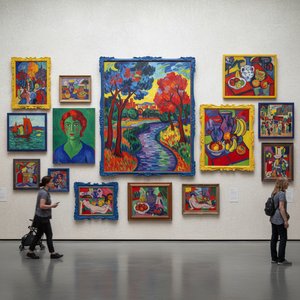
Fauvismens 10 Mesterværker: Kunst der revolutionerede farven – TopImpressionists.dk
Oplev fauvismens 10 mest ikoniske værker! Dyk ned i Henri Matisse, André Derains og andre fauvisters revolutionerende brug af farver. Find inspiration til din boligindretning & køb museumskvalitets kunsttryk på TopImpressionists.com.
Udforsk kunstværker organiseret efter temaer, stilarter og karakteristika.


