


 Se i rummet
 Send
Send Del
Del
 Detaljer
 Studieguide til kunstværker

 Download
 Lignende værker
 Røntgenundersøgelse
 Se diasshow
 Statistik
The Ponte Solario
 Oil On Canvas
- WallArt
- Romantic Landscape
 1775
1775- Early Modern
 91.0 x 121.0 cm
 National Gallery of Art
Experience Romantic decay with Hubert Robert's 1775 vision of The Ponte Solario, capturing sublime ruins bathed in atmospheric light; discover this masterpiece today.
 Læs mere
Hubert Robert (1733-1808): Fransk maler kendt for smukke ruiner & fantasifulde landskaber. Oplev hans unikke kunst, der blander historie og drømme!
Giclée / Kunsttryk
Giclée- eller lærredstryk i museumskvalitet med hurtig produktion og fleksible muligheder for finish. ( Bestil håndmalet reproduktion Skift til digitalt billede)




P118B $10

P118H $10

P118W $10

P438Z $10

P508JH $12

P508YH $12

P805H $10

P805Z $10

P919BZ $10

P919G $10

P919XJ $10

P959ZH $10

P968JZ $12

W106C $8

W218G $10

W218JH $8

W218Y $10

W307PJ $10

W316G $10

W316PJ $8

W316Y $10

W398PJ $8

W4111J $10

W500HY $15

W500JH $15

W692G $12

W849H $8

W940BG $15

W953PJ $8




Standardstørrelse
speciallavet
CM
INCH
Vælg mellem vores forudindstillede størrelser, der matcher kunstværkets originale proportioner.
Loading sizes...

bredde
højde
Du kan indtaste dine egne mål for at passe til en specifik ramme eller et bestemt område. Hvis den valgte størrelse ikke stemmer overens med det originale billedes proportioner, vil vi enten beskære kunstværket eller udvide billedet med en spejlet eller ensfarvet kant. En digital mockup vil blive sendt til din godkendelse, før produktionen påbegyndes.
Bemærk venligst, at forhåndsvisningen på skærmen ikke afspejler den faktiske beskæring eller udvidelse. Kun mockuppen vil nøjagtigt vise den endelige komposition.
Selvom specialmål er tilgængelige, anbefaler vi at vælge et mål fra den foruddefinerede liste for at bevare de originale proportioner.
Verdensomspændende levering () på 2 uger i stedet for de sædvanlige 4/5 uger. (26 september)

Gratis ekspresforsendelse til hele verden

Lærred af linned i høj kvalitet

Komplet transportforsikring

Garanti for refusion af told og importafgifter

Garanti for autentisk farvegengivelse

100 dages returret ved fabrikationsfejl

100% fuld returret

Mængderabat ved flere køb
 Glasmulighed er kun tilgængelig i størrelser under 110 cm

The Ponte Solario
Giclée / Kunsttryk
Reproduktionsstørrelse
-


Samlet pris
$ 70
The Ponte Solario: A Vision of Decay Embraced by Romantic Light
Hubert Robert’s “The Ponte Solario,” completed in 1775, stands as a cornerstone of Romantic landscape painting—a genre that prioritized emotion and imagination over strict adherence to classical ideals. More than just a depiction of crumbling stone and weathered timbers, the canvas embodies Robert's fascination with ruins as symbols of time’s relentless passage and the sublime beauty inherent in decay.
Subject Matter and Composition
The painting portrays a magnificent castle perched atop a rocky promontory overlooking a tranquil lake. A graceful bridge spans across the water, connecting the castle to the shore—a deliberate compositional element that reinforces the sense of grandeur juxtaposed with vulnerability. Scattered boats dot the surface of the lake, adding dynamism and hinting at human presence within this desolate landscape.
Style and Technique: Romantic Impressionism
Robert’s approach aligns closely with the burgeoning Romantic movement, anticipating elements of Impressionism decades before its formal emergence. He eschewed meticulous detail in favor of capturing fleeting atmospheric effects—the diffused light filtering through mist, the subtle gradations of color reflecting off the stone surfaces. Robert skillfully employed a technique known as “plein air” painting, venturing outdoors to directly observe and render the natural world, prioritizing immediacy and sensory experience.
Historical Context: The Enlightenment’s Shadow
Robert's work emerged during the waning years of the Enlightenment, a period characterized by rational thought and scientific inquiry. However, Robert actively resisted these dominant intellectual currents, embracing instead the emotional power of imagination and memory—themes central to Romantic aesthetics. He drew inspiration from the ruins of Roman temples and villas, reflecting a broader cultural preoccupation with antiquity and its perceived moral lessons. The painting speaks to a yearning for beauty amidst ruin, mirroring anxieties about mortality and the inevitable decline of civilization.
Symbolism: Decay as Beauty
Robert’s masterful use of light and shadow elevates decay beyond mere physical deterioration; it becomes an emblem of spiritual transformation. The crumbling castle represents not just structural weakness but also the fading glory of aristocratic power—a poignant commentary on societal change. Yet, the pervasive luminescence imbues the scene with a sense of serenity and wonder, suggesting that even in ruin, beauty persists—a profound meditation on the cyclical nature of existence.
Emotional Impact
"The Ponte Solario" evokes a powerful emotional response in viewers. Its melancholic atmosphere invites contemplation on themes of loss, remembrance, and acceptance. The painting’s luminous palette captures the sublime grandeur of nature while simultaneously conveying a sense of poignant solitude—a testament to Robert's ability to translate complex psychological ideas into visually arresting imagery.
Om kunstneren
Hubert Robert (1733–1808): En Maler af Ruiner og Visioner – Verden omkring Hubert Robert
Hubert Robert, et navn der er synonymt med maleriske landskaber og den romantiske fortryllelse af ruiner, optager en unik position i det 18. århundredes franske kunst. Han blev født i Paris i 1733 og levede sit liv mod baggrunden af skiftende kunstneriske stilarter og monumentale historiske omvæltninger – fra Rococo’s legende elegance til Neoklassicismens fremkomst, og endelig gennem de turbulente år under den franske revolution. Han var ikke blot en dokumentator af forfald; han skabte visioner, der blandede observation med fantasi for at skabe scener, der resonerede med både et nostalgisk længsel efter fortiden og en forventning om fremtiden. Hans rejse begyndte i den strukturerede verden af kunstnerisk uddannelse, hvor han oprindeligt var under skulptøren Michel-Ange Slodtz, som genkendte Roberts talent, men klokken skar ham hen mod maleri, idet han følte, at Roberts sande kald lå i at fange lys, atmosfære og den subtile poesi i form.Romanske Drømme: Shaping en Kunstnerisk Identitet
Det afgørende øjeblik i Roberts kunstneriske udvikling kom med hans forlængede ophold i Rom i 1754. Sammen med Étienne-François de Choiseul, blev han kastet ind i en verden, der var dybt forankret i historie og arkitektonisk pragt. I over ti år blev den gamle by hans åbne atelier, dets faldende templer, majestætiske søjlegange og overgroede haver brændte hans fantasi. Dette var ikke blot om at kopiere det, han så; det var om at fortolke det, genfortælle det og indgyde det med en følelse af melankolsk skønhed. Han arbejdede sammen med Giovanni Paolo Panini, hvis indflydelse er synlig i Roberts tidlige *capriccio*-kompositioner – disse fantasifulde visninger, der placerede klassiske ruiner side om side med nutidig liv. Dog bevægede Robert sig hurtigt ud over imitationen og udviklede sin egen distinkte stil, karakteriseret af minutiøs detalje, atmosfærisk perspektiv og en dyb følelse for lysets leg og skygge. Han malede ikke blot ruiner; han malede tiden selv, fangede den bittersøde skønhed i forgængelighed og den vedvarende kraft af erindring. Hans skitser fra denne periode er uvurderlige registre af hans observationer, fyldt med detaljerede studier af romerske landmærker som Villa d’Este og Caprarola, der demonstrerer et skarpt blik for arkitektonisk nuance og landskabs komposition.Parisis Ære og Kongelig Patronage
Roberts tilbagevenden til Paris i 1765 markerede et vendepunkt i hans karriere. Han opnåede hurtigt anerkendelse inden for det kunstneriske miljø, hvor han blev optaget i Académie Royale de Peinture et de Sculpture med “The Port of Rome, Ornamented with Different Monuments of Architecture, Ancient and Modern.” Hans efterfølgende udstillinger på Salonen fik bred appel, fangede publikums opmærksomhed med deres evokende billeder af ruiner og pittoreske landskaber. Denis Diderot, en fremtrædende figur i Det Oplyste Tidsalder, roste kunstværkerne for deres overdådige skønhed, anerkendte Roberts evne til at transportere seerne til en anden tid og sted. Denne succes førte til kongelig patronage, med bestillinger til dekorative projekter og udnævnelse som “Designer of the King’s Gardens” og senere, “Keeper of the King’s Pictures.” Han blev en eftertragtet kunstner, ikke kun for sine lærredsmalerier, men også for sine innovative designs til haver og paladser. Hans arbejde resonerede med den gældende smag for *capriccio*-maleri – en genre, der appellerede til samlere, der var fascineret af historie, arkæologi og det pittoreske – men Robert indgydede det en unik sans for sig selv, hævede det over blot dekorativ kunst.Revolution, Udholdenhed og Et Varigt Arv
Den franske revolution præsenterede en hidtil uset udfordring for Robert. Mens mange kunstnere kæmpede med at navigere i de turbulente politiske klima, fandt han sig selv fanget i krydsilden af forandringer. Han blev endda arresteret under Terrorregimet, en hjerteskærende oplevelse, der alligevel inspirerede en række tegninger, der dokumenterede hans tid i fængsel. På trods af dette fortsatte han med at male produktivt gennem denne periode, demonstrerende et urokkeligt engagement i sin kunst. Efter Revolutionen blev Robert udnævnt til kurator af det nyoprettede Muséum Central des Arts – det fremtidige Louvre – som en testamente til hans ekspertise og dedikation til at bevare den kulturelle arv. Han spillede en central rolle i at organisere og katalogisere museets samling, sikre at Frankrigs kunstværker blev beskyttet for kommende generationer. Hubert Robert døde i Paris i 1808 og efterlod et ekstraordinært værk, der fortsat inspirerer til beundring og beundring. Hans arv ligger ikke kun i hans tekniske mesterskab, men også i hans unikke evne til at blande historisk nøjagtighed med fantasifuld fantasi. Han bane vejen for en genre af maleri, der fejrede både skønheden i forfald og den vedvarende kraft af menneskelig kreativitet, hvilket cementerede sin plads som en central figur, der forbinder Rococo- og Neoklassisk perioder, og forudser aspekter af Romantikken med hans fascination for historie og fantasi.- Nøglepåvirkninger: Giovanni Paolo Panini, Piranesi, den arkitektoniske landskab i Rom.
- Vigtigste temaer: Ruiner, landskaber, *capriccio*-malerier, historisk erindring, tidens gang.
- Kunstnerisk stil: Minutiae detalje, atmosfærisk perspektiv, evokende lys, blanding af observation med fantasi.

Hubert Robert
1733 - 1808 , Frankrig
Hurtige fakta
- Artistic Movement Or Style: Romantik, Neoklasikisme
- Artists Or Movements Influenced By This Artist: ['Romantik']
- Artists Who Influenced This Artist:
- Giovanni Panini
- Piranesi
- Date Of Birth: 22 maj 1733
- Date Of Death: 15 apr 1808
- Full Name: Hubert Robert
- Nationality: Fransk
- Notable Artworks:
- Portræt af Rom
- Galatea's flugt
- Place Of Birth: Paris, Frankrig
Relaterede artikler
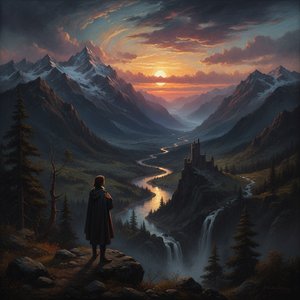
Capturing the Soul: The Emotional Majesty and Sublime Power of Romantic Landscape Painting
Explore the profound emotional depth of Romantic landscape painting. Discover how masters like Turner and Friedrich captured the sublime power of nature through intuition and imagination in this expert art history retrospective.

Capturing the Soul: The Emotional Magic and Sublime Grandeur of Romantic Landscape Painting
Explore the profound emotional depth of Romantic landscape painting. Discover how masters like Friedrich and Turner captured the sublime through light, shadow, and nature's power in this expert art history retrospective for discerning collectors.
Udforsk kunstværker organiseret efter temaer, stilarter og karakteristika.


