


 Se i rummet
 Del som kort
 Del
Del
 Detaljer
 Guide
Guide

 Download
 Lignende værker
 Røntgenundersøgelse
 Diasshow
 Statistikker
The altar boy


Explore 'The Altar Boy' by Joaquín Sorolla! A stunning Spanish Realist masterpiece capturing light & rural life. Discover its impasto texture & evocative atmosphere.
 Vis mere
Joaquin Sorolla: Spaniens lysende mester! Oplev hans farverige portrætter og strandbilleder, der fanger Middelhavets livsglæde. Dyk ned i hans arv i dag!
Håndlavet oliereproduktion
Håndmalet olie på lærred i din valgte størrelse og ramme, udført efter bestilling af vores kunstnere. ( Skift til printsalg Skift til digitalt billede)




P118B Dkr10

P118H Dkr10

P118W Dkr10

P438Z Dkr10

P508JH Dkr12

P508YH Dkr12

P805H Dkr10

P805Z Dkr10

P919BZ Dkr10

P919G Dkr10

P919XJ Dkr10

P959ZH Dkr10

P968JZ Dkr12

W106C Dkr8

W218G Dkr10

W218JH Dkr8

W218Y Dkr10

W307PJ Dkr10

W316G Dkr10

W316PJ Dkr8

W316Y Dkr10

W398PJ Dkr8

W4111J Dkr10

W500HY Dkr15

W500JH Dkr15

W692G Dkr12

W849H Dkr8

W940BG Dkr15

W953PJ Dkr8




Standardstørrelse
speciallavet
CM
INCH
Vælg mellem vores forudindstillede størrelser, der matcher kunstværkets originale proportioner.
Loading sizes...

bredde
højde
Indtast den bredde og højde, du har brug for, så det passer til din ramme eller din væg. Da dette er håndmalet, kan kunstneren ved en anden form på størrelsen male lidt mere rundt om billedet eller skære lidt væk — det er op til dig. Vi sender dig et digitalt mockup til godkendelse, før maleriet påbegyndes. Billedet, der vises på denne side, viser ikke det endelige resultat — det er kun mockuppet, der gør.
Eksempler på hvad der kan ændres: Udskift ansigt med kundens eget foto; Tilføj kæledyr (f.eks. udskift kat med hund); Inkluder en skjult besked i baggrunden; Ændr baggrundslandskab eller elementer.
Efter bestilling vil TopImpressionists.com team sende en e-mail til kunden for at indhente instruktioner og fremsende et udkast til gennemgang
Efter bestilling vil TopImpressionists.com team sende en e-mail til kunden for at indhente instruktioner og fremsende et udkast til gennemgang
Verdensomspændende levering () på 3-4 uger i stedet for de standard 5 uger. (27 oktober). Ingen kompromiser med kvaliteten.

Gratis ekspresforsendelse til hele verden

Lærred af linned i høj kvalitet

Fuld transportforsikring

Garanti for refusion af told og importafgifter

Garanti for præcis farvegengivelse

100 dages returret ved fabrikationsfejl

100% fuld returret

Mængderabat ved flere køb
 Glasmulighed er kun tilgængelig i størrelser under 110 cm

The altar boy
Reproduktionsmetode
Størrelse på reproduktion
-


Samlet pris
Dkr 2261
A Window Into Valencia’s Soul
To encounter Joaquín Sorolla y Bastida’s “The Altar Boy” is to step directly into the radiant, sun-drenched atmosphere of the Mediterranean. Painted in 1885 during the artist's formative years in Rome, this monumental canvas serves as a profound testament to the burgeoning influence of Impressionism on European art. While Sorolla would later become world-renowned for his ability to capture the shimmering light of the Valencian coast, this early masterpiece reveals a painter deeply rooted in the traditions of the Barbizon school and Realism. The scene is not merely a depiction of a moment; it is an evocative exploration of human emotion intertwined with the quiet beauty of everyday life, capturing a sense of rural tranquility that feels both timeless and intimately connected to the Spanish landscape.
The composition is masterfully orchestrated to guide the viewer through a sprawling, horizontal narrative. In the foreground, a crumbling wall adorned with creeping ivy provides a textured, organic entry point into the scene, grounding the viewer in a sense of tangible reality. Beyond this threshold, the eye is drawn toward a lively courtyard where the rhythms of social interaction unfold. Men are seen engaged in the quiet concentration of a domino game, while women converse animatedly in the background, creating a dynamic interplay between stillness and movement. This careful arrangement establishes a vastness and openness, inviting those who view the work to linger within its sun-soaked boundaries.
The Mastery of Light and Texture
Sorolla’s technical prowess is most evident in his signature use of impasto—the thick, deliberate application of paint that lends a sculptural quality to the canvas. This technique is particularly striking in the depiction of lush foliage and weathered architectural elements, where visible brushstrokes catch the light and create a sense of spontaneous energy. The palette is dominated by warm yellows, oranges, and earthy tones, all bathed in an ethereal glow that suggests the soft, diffused light of a late afternoon. Unlike the sharp, clinical lines of academic painting, Sorolla employs loose, expressive strokes that allow the atmosphere to breathe, making the very air within the painting feel heavy with warmth and moisture.
The sky above the scene adds a layer of dramatic tension; filled with swirling, heavy clouds, it hints at an impending storm or perhaps a seasonal transition, contrasting beautifully with the sunlit leisure occurring below. This interplay between the bright, optimistic light on the figures and the brooding sky creates a sophisticated visual rhythm. For the collector or interior designer, this duality offers immense versatility; the painting possesses enough warmth to brighten a room while maintaining a profound, contemplative depth that commands attention in any curated space.
A Legacy of Connection and Tranquility
Beyond its technical brilliance, “The Altar Boy” resonates on a deeply emotional level. It serves as a symbolic celebration of human connection and the simple joys of communal life. There is a palpable sense of nostalgia within the work—a longing for a pastoral era where time moved at the pace of a conversation or a game of dominoes. The painting captures the essence of plein air philosophy, prioritizing the atmospheric truth of a location over idealized beauty. It invites the observer to find peace in the mundane and to recognize the sacredness found in everyday social rituals.
For those seeking to incorporate a piece of art history into their personal environments, this reproduction offers more than just decoration; it offers an experience. Whether placed in a grand salon or a quiet study, the work brings with it the spirit of Valencia and the enduring legacy of a master who learned to paint not just what he saw, but how the light felt against the skin. It remains a breathtaking window into a world of light, color, and soul.
Spørgsmål og svar
Hvad er formatet på "The altar boy"?
Formatet på "The altar boy" er Panoramic. Dette er nyttigt, når du planlægger, hvor en reproduktion skal placeres.
Hvor mange ser "The altar boy"?
Der findes en Besøgsstatistik-side for "The altar boy", som viser de månedlige besøgstal for kunstværket og kunstnerens øvrige værker, opdelt efter land og sprog.
Hvor stor er kontrasten i "The altar boy" af Joaquín Sorolla?
Lys-mørke-kontrasten i "The altar boy" er registreret som Statement. Kontrast beskriver, hvor kraftigt lyse og mørke områder adskiller sig fra hinanden.
Lignende kunstværker


Kunstnerbiografi
Joaquin Sorolla y Bastida: En Lysets Skygge – Et Liv og et Kunstnerisk Arv
Joaquin Sorolla y Bastida, et navn der er synonymt med det strålende lys og den livlige energi fra Spanien, var mere end blot en maler; han var en kronikør af nationens sjæl. Født i Valencia i 1863, var Sorollas tidlige liv præget af tragedie. Allerede som toårig blev han forældreløst efter en koleraepidemi, der tog både hans forældre, og han og hans søster blev varetaget af deres mormor og farfar. Denne tidlige oplevelse med tab måske har indgydt ham en dyb værdsættelse af livets flygtende skønhed – en følelse, der ville gennemsyre hans kunst. Selvom vanskeligheder skyggede over hans begyndelse, slukte det ikke den kunstneriske talentglød, der hurtigt blev tydelig. Han modtog indledende undervisning i Valencia og viste en evne, der førte til studier under etablerede kunstnere som Cayetano Capuz og José Benlliure, hvilket culminated i en fireårig stipendie for at studere i Rom. Det var der, midt i den klassiske italienske pragt, begyndte Sorolla at forme sin unikke kunstneriske vej, absorberede indflydelser samtidig med, at han udviklede en stil, der var tydeligt hans egen.Fra Historiske Fortællinger til Solbeskinnede Realisme
Sorollas tidlige værker afspejlede de herskende akademiske tendenser på det tidspunkt – store historiske og mytologiske scener. Men en afgørende forandring indtraf, da han vendte tilbage til Spanien og begyndte at observere verden omkring ham virkelig. Han fandt sig selv betaget af hverdagens liv hos sine landsfæller, især dem langs den valencianske kyst. Det intense Middelhavslys, det skimrende hav og den levende energi hos folkene blev hans primære emner. Denne overgang var ikke øjeblikkelig; Sorolla fortsatte med at udforske social realisme med værker som *Arv af Sorg* (1899), en kraftfuld skildring af børn, der lide under polio og bader i havet – et maleri, der fik betydelig anerkendelse, men også afslørede en mørkere, mere medfølende side til hans kunstneriske vision. *Arv af Sorg*, udstillet på Universaludstillingen i Paris, sikrede ham bred anerkendning og cementerede hans position som en førende figur i spansk kunst. Alligevel var det hans stigende fokus på lys og farve, inspireret af Impressionismen, men aldrig fuldt ud omfavnet dens principper, der ville definere hans arv. Han forsøgte ikke blot at *afbild* lys; han forsøgte at *fange* dets essens – måden det dansede på vand, oplyste hud og forvandlede almindelige øjeblikke til scener af ekstraordinær skønhed.Mestrer af Luminisme: En Unik Kunstnerisk Stemme
Sorollas teknik blev straks genkendelig – en bravur visning af penselstrøg, karakteriseret ved løse, energiske strøg, der udtrykte bevægelse og atmosfære. Han arbejdede *en plein air*, når det var muligt, direkte konfronterende udfordringerne ved at fange flygtende lysforhold. Denne dedikation til at male udendørs resulterede i lærreder fyldt med liv og øjeblikkelighed. Hans strandscener, måske hans mest ikoniske værker, er ikke blot maleriske repræsentationer af fritid; de er studier i lyshed, refleksioner og den glade interaktion mellem mennesker og deres miljø. Malerier som *Børn på Stranden* og *Sømændene Syer* illustrerer denne mesterskab – figurer badet i gyldent lys, gengivet med en bemærkelsesværdig følelse af spontanitet og vitalitet. Han var ikke interesseret i præcis detaljering; snarere søgte han at udtrykke *impressionen* af virkeligheden, prioriterende atmosfære og følelser frem for nøjagtig repræsentation. Denne tilgang sikrede ham sammenligninger med impressionister som Monet og Renoir, men Sorollas kunst besad en unik spansk karakter – varme, intensitet og en følelsesmæssig dybde, der adskilte den fra andre.En International Stjerne: Anerkendelse og Indflydelse
I de tidlige 1900'ere blev Joaquín Sorolla en international stjerne. Han udstillede bredt i Europa og USA, modtog utallige anerkendelser og kommissioner. Hans mest ambitiøse projekt, *Vision af Spanien*, en række fjorten monumentale vægmalerier bestilt af det spanske Hispanic Society of America, er et vidnesbyrd om hans kunstneriske vision og tekniske dygtighed. Selvom han led et slagtilfælde i 1920, der begrænsede hans maleriaktivitet, fortsatte Sorollas indflydelse efter hans død i 1923. Hans værker inspirerede generationer af kunstnere, ikke kun i Spanien, men over hele verden. I dag er hans malerier udstillet i store museer rundt om i verden, herunder Museo Sorolla i Madrid – et tidligere hjem omdannet til et dedikeret rum for at fremvise hans kunst. Sorollas arv strækker sig ud over hans tekniske dygtighed; han fangede et specifikt øjeblik i spansk historie og kultur, der immortaliserer skønheden i dets landskaber og ånden hos dets folk. Han forbliver en mester af lys, farve og følelser – en kunstner, hvis værk fortsat resonerer med publikum i dag, minder os om kunstens kraft til at oplyse vores verden.Nøglebedrifter & Anerkendelse
- 1892: Guldmedalje ved National Exhibition i Madrid for *Another Marguerite*.
- 1894: Anskuelig for *The Return from Fishing: Hauling the Boat*, erhvervet af Musée du Luxembourg.
- 1899: Grand Prix og æresmedalje ved Universaludstillingen i Paris for *Arv af Sorg*.
- 1900-1923: Udbredte udstillinger i Europa og USA, der etablerede international anerkendelse.
- 1912-1928: Bestilt til at skabe *Vision af Spanien* for det spanske Hispanic Society of America (afsluttet postumt).
- I dag: Værker udstillet i store museer verden over, herunder Museo Sorolla i Madrid.

Joaquín Sorolla
1863 - 1923 , Spanien
Kort om kunstneren
- Artistic Movement Or Style: Impressionisme/Luminisme
- Artists Or Movements Influenced By This Artist: ['Sorolla']
- Artists Who Influenced This Artist:
- Pradilla
- Bastien-Lepage
- Date Of Birth: 27 feb. 1863
- Date Of Death: 10 aug. 1923
- Full Name: Joaquín Sorolla y Bastida
- Nationality: Spansk
- Notable Artworks:
- Marguerite
- Sad Inheritance
- Børner ved stranden
- Place Of Birth: Valencia, Spanien
Relaterede artikler
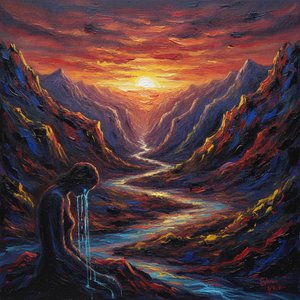
Capturing Emotion: A Journey Through the Soul of Expressionist Landscapes
Explore the profound emotional depth of Expressionist landscapes. Discover how Post-Impressionist masters moved beyond light to capture the soul through vibrant color and form. A curated journey for true art lovers seeking the beauty of expressive mastery.
Udforsk kunstværker organiseret efter temaer, stilarter og karakteristika.


