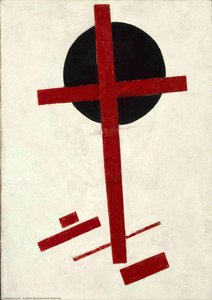
Se i rummet
 Del som kort
 Del
Del
 Detaljer
 Guide
Guide

 Download
 Lignende værker
 Røntgenundersøgelse
 Diasshow
 Q&A
Q&A Statistikker
Composition with the Mona Lisa

- 62.0 x 49.0 cm


Explore Kazimir Malevich's groundbreaking 'Composition with the Mona Lisa,' a surrealist collage blending Cubism and Suprematism, featuring a striking depiction of Leonardo da Vinci’s iconic portrait.
 Vis mere
Kazimir Malevich (1878-1935): Ukrainsk pioner indenfor abstrakt kunst med revolutionerende værker som 'Sorttavle'. Udforsk Suprematism og hans indflydelse på moderne kunst.
Giclée / Kunsttryk
Giclée- eller lærredstryk i museumskvalitet med hurtig produktion og fleksible muligheder for finish. ( Køb håndmalet maleri Skift til digitalt billede)




P118B Dkr10

P118H Dkr10

P118W Dkr10

P438Z Dkr10

P508JH Dkr12

P508YH Dkr12

P805H Dkr10

P805Z Dkr10

P919BZ Dkr10

P919G Dkr10

P919XJ Dkr10

P959ZH Dkr10

P968JZ Dkr12

W106C Dkr8

W218G Dkr10

W218JH Dkr8

W218Y Dkr10

W307PJ Dkr10

W316G Dkr10

W316PJ Dkr8

W316Y Dkr10

W398PJ Dkr8

W4111J Dkr10

W500HY Dkr15

W500JH Dkr15

W692G Dkr12

W849H Dkr8

W940BG Dkr15

W953PJ Dkr8




Standardstørrelse
speciallavet
CM
INCH
Vælg mellem vores forudindstillede størrelser, der matcher kunstværkets originale proportioner.
Loading sizes...

bredde
højde
Indtast den bredde og højde, du har brug for, så det passer til din ramme eller din væg. Et print kan kun beskæres, aldrig gøres større end selve billedet, så en størrelse med et andet format vil medføre, at dele af motivet går tabt. Vi sender dig en digital mockup til godkendelse, før vi printer noget. Billedet vist på denne side viser ikke den faktiske beskæring — det er kun mockuppen, der gør.
Verdensomspændende levering () på 2 uger i stedet for de sædvanlige 4/5 uger. (2 november)

Gratis ekspresforsendelse til hele verden

Lærred af linned i høj kvalitet

Fuld transportforsikring

Garanti for refusion af told og importafgifter

Garanti for præcis farvegengivelse

100 dages returret ved fabrikationsfejl

100% fuld returret

Mængderabat ved flere køb
 Glasmulighed er kun tilgængelig i størrelser under 110 cm

Composition with the Mona Lisa
Giclée / Kunsttryk
Størrelse på reproduktion
-


Samlet pris
Dkr 465
Kazimir Malevich: A Pioneer of Abstract Art
Malevich, born in Kyiv Oblast, Ukraine in 1878 to a Polish family, was a pivotal figure in the avant-garde movement. His artistic journey spanned diverse styles—impressionism, symbolism, fauvism, cubism—yet it is his unwavering dedication to abstraction that cemented his legacy as one of art history’s most influential innovators. Early exposure to Ukrainian folk culture instilled within him an appreciation for traditional artistic expressions which subtly informed his groundbreaking approach. Formal training commenced in Kyiv, propelling him towards Moscow and fostering connections with the burgeoning artistic currents of Europe. His formative years were marked by a profound desire to liberate art from conventional constraints—a conviction that would propel him toward revolutionary experimentation.Cubist Influences & Suprematism’s Birth
Malevich initially explored cubism alongside fellow artists like Georges Braque, recognizing its ability to dissect and reconstruct visual reality in fragmented forms. However, he swiftly transcended these influences, forging his own distinctive path towards suprematism—a radical aesthetic philosophy that championed pure geometric abstraction as the ultimate expression of artistic truth. This decisive shift away from representational art signaled a monumental transformation within Russian art and irrevocably altered its trajectory. Malevich’s conviction was that “*the world opened in a whole new manner and this had to be narrated ... in all painterly tongues and dialects.*”Composition with the Mona Lisa: Surrealism Meets Geometry
“Composition with the Mona Lisa,” created in 1914, exemplifies Malevich's masterful fusion of cubist principles with surrealistic elements. Measuring 62 x 49 cm, the painting utilizes geometric shapes—primarily squares and rectangles—to depict Leonardo da Vinci’s iconic portrait of Lisa del Giocondo. The central figure is presented holding a pair of scissors, an unsettling juxtaposition that disrupts conventional perception and invites contemplation about identity and representation. Surrounding this enigmatic subject are additional objects—books, a cup, a bowl, and a chair—each imbued with symbolic significance. These elements contribute to the painting’s layered complexity and underscore Malevich's intention to challenge viewers intellectually and emotionally.Symbolism & Artistic Context
The inclusion of the scissors is particularly noteworthy as it symbolizes disruption and transformation—themes central to suprematism’s core tenets. Malevich viewed art not merely as a depiction of reality but as an instrument for conveying profound philosophical ideas. His work aligns with “Cubism: A History and an Analysis, 1907–1914” by John Golding, which elucidates the movement's intellectual foundations and its rejection of traditional artistic conventions. The Staatsgalerie Moderner Kunst (Munich, Germany), housing significant works from this period, serves as a testament to Malevich’s enduring influence on modern art.Conclusion: An Icon of Abstract Expression
“Composition with the Mona Lisa” stands as an unparalleled achievement in abstract expression—a bold declaration that artistic truth resides not in imitation but in pure geometric form. Kazimir Malevich's unwavering commitment to this vision continues to inspire artists and captivate audiences worldwide. For those eager to delve deeper into Malevich’s oeuvre or explore the broader panorama of avant-garde art, Kazimir Severinovich Malevich: Composition with the Mona Lisa and John Golding offer invaluable resources for furthering artistic understanding.Spørgsmål og svar
Hvor placerer "Composition with the Mona Lisa" sig i kunsthistorien?
"Composition with the Mona Lisa" af Kazimir Malevich er kunsthistorisk klassificeret som Cubism fra Moderne tid-perioden.
Findes der værker, der ligner "Composition with the Mona Lisa"?
Siden Lignende værker for "Composition with the Mona Lisa" af Kazimir Malevich præsenterer relaterede kunstværker.
Hvor i Kazimir Malevichs karriere placerer "Composition with the Mona Lisa" sig, når man ser på dens datering?
"Composition with the Mona Lisa", skabt i 1914, tilhører Mature Period af Kazimir Malevich's karriere.
Kunstnerbiografi
Kazimir Malevich: En Pioner indenfor Abstrakt Kunst
Kazimir Malevich (1878-1935) var en ukrainsk kunstner og en banebrydende figur inden for abstrakt kunst, hvis revolutionerende værker som ”Sort Tavle” har efterladt sig et dybt præg på moderne kunsthistorie. Hans arbejde udforskede nye territorier af følelse og geometri og udfordrede fundamentale idéer om kunstens rolle i samfundet. Denne artikel vil beskrive Malevichs liv, hans kunstneriske udvikling og hans betydning som en af de mest indflydelsesrige kunstnere på det 20. århundrede.Tidlig Liv og Påvirkninger
Malevich blev født i Kyiv Oblast, Ukraine, i 1878 til en polsk familie. Hans barndom var præget af den ukrainske landsbyidyl og dens rige folkelige kultur – elementer der senere ville finde deres vej ind i hans kunstneriske arbejde. Han modtog grundlæggende kunstuddannelse i Kyiv, hvor han blev introduceret til klassisk kunsthistorie og teknikker. Men allerede tidligt søgte Malevich efter inspiration uden for Ukrainens grænser og udviklede en interesse for europæiske kunststrømninger som Impressionisme og Symbolisme. Disse erfaringer ville forme hans kunstneriske verdensbillede og give ham et fundament til senere eksperimenter med nye stilformer.Kunstnerisk Udvikling & Nøgle Strømninger
Malevichs kunstneriske rejse begyndte i Paris i 1912, hvor han blev mødt af den europæiske avantgarde og fik direkte kontakt med kunstnere som Picasso og Matisse. Han eksperimenterede aktivt med forskellige teknikker og stilarter – Cubisme var særligt vigtig for hans udvikling – før han omkring 1915 fandt sin egen unikke stil: Suprematism. Denne nye bevægelse prægede sig ved en fuldstændig afvisning af traditionelle kunstformer og søgte efter et ærligt udtryk af følelser gennem rene geometriske figurer og farver. Dette var ikke blot en teknisk udfordring, men også en filosofisk erklæring om kunstens rolle i verden. Suprematism blev direkte inspireret af Vladimir Tatlin og Piet Mondrian.Nøgleværker & Filosofi
Malevichs mest ikoniske værker inkluderer ”Sort Tavle” (1915), hvor han reducerede billedet til blot en enkelt kvadratisk tavle, hvilket repræsenterede et radikalt brud med kunsthistorien og blev betragtet som et fundament for abstrakt kunst. Hans andet hovedværk var ”White on White” (1918), hvor han udforskede konceptet om ren geometri og følelse ved at præsentere kvadratiske områder af hvid maling på kvadratiske områder af hvid papir – en ekstrem reduktion, der skulle udtrykke essensen af kunstens ånd. Disse værker blev mødt med både begejstring og kritik fra kunstkritikerne og kunstnere på hans tid, men Malevichs vision om abstrakt kunst fortsatte at fascinere efterfølgende generationer af kunstnere. Han beskrev Suprematism som ”kunsten af det rene kvadrat” og hævdede, at målrettet kunst skulle være fri for alle referencer til den fysiske verden og fokusere på direkte følelsesmæssig kommunikation.Historisk Betydning & Eftervirkninger
Kazimir Malevichs arbejde havde en enorm indflydelse på udviklingen af abstrakt kunst i hele Europa og Rusland. Han blev betragtet som en af de vigtigste figurer inden for den russiske avantgarde og inspirerede kunstnere som El Lissitzky og Aleksandr Rodchenko til at udforske nye muligheder indenfor geometrisk abstraktion. Malevichs filosofi om kunstens rolle og hans eksperimenter med rene former blev mødt med både støtte og modstand fra konservative kræfter i samfundet, men hans arbejde fortsatte at være relevant for kunstnere og kunsthistorikere gennem hele det 20. århundrede. Han døde i Leningrad (nu St. Petersburg) i 1935 efter en kort periode med politisk repression og blev æret som en af Ukrainas største kunstnere og en pioner indenfor abstrakt kunstens historie. Hans værker udgør stadig dagligt inspiration for kunstnere verden over.
Kazimir Malevich
1878 - 1935 , Ukraine
Kort om kunstneren
- Artistic Movement Or Style: Suprematisme, Abstrakt kunst
- Artists Or Movements Influenced By This Artist:
- Minimalisme
- Konstruktivisme
- Artists Who Influenced This Artist:
- Impressionisme
- Fauvisme
- Kubisme
- Date Of Birth: 1878
- Date Of Death: 1935
- Full Name: Kazimir Severinovich Malevich
- Nationality: Ukrainsk/Russisk
- Notable Artworks:
- Sorttavle
- Hvid på hvid
- Bygning under konstruktion
- Place Of Birth: Kijev, Ukraine
Relaterede artikler
Beyond Representation: Exploring the Radical Geometry of Suprematism & Its Spiritual Foundations
Explore the revolutionary world of Suprematism with our expert guide. Discover Kazimir Malevich's groundbreaking art, its spiritual foundations & lasting influence on modern design. Learn about collecting this iconic movement.

Suprematism Unveiled: The Power of Pure Geometric Abstraction and the Legacy of Kazimir Malevich
Explore the profound impact of Suprematism and Kazimir Malevich's geometric abstraction. Discover how pure form and radical vision redefined modern art history for collectors and enthusiasts alike.

Mastering Suprematism: A Collector's Guide to the Radical Geometric Vision of Kazimir Malevich
Explore the radical world of Kazimir Malevich. Our expert guide for art collectors decodes Suprematism’s geometric revolution, offering profound insights into the spiritual and aesthetic mastery of one of history's most influential abstract pioneers.

Kazimir Malevichs 25 Mesterværker: En Rejse Ind i Abstrakt Kunst | TopImpressionists
Oplev Kazimir Malevichs 25 mest ikoniske værker! Dyk ned i Suprematismens verden, fra 'Sort Firkant' til 'Hvidt på Hvidt'. Find inspiration og køb museumskvalitets kunsttryk hos TopImpressionists.com – din kilde til abstrakt kunst & eksklusiv vægkunst.

Kazimir Malevich: Pioneering Suprematism & the Quest for Non-Objective Art
Explore the revolutionary art of Kazimir Malevich & his groundbreaking Suprematism movement. Discover the origins, core principles, and lasting impact of this pivotal force in modern abstract painting.
Udforsk kunstværker organiseret efter temaer, stilarter og karakteristika.