Se i rummet
 Del som kort
 Del
Del
 Detaljer
 Guide
Guide

 Download
 Lignende værker
 Røntgenundersøgelse
 Diasshow
 Q&A
Q&A Statistikker
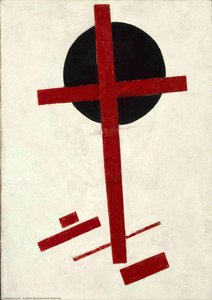
Green and black


Experience Kazimir Malevich's 'Green and Black' – a dynamic Cubist masterpiece of geometric abstraction & bold monochrome hues. A captivating exploration of form & color by a pioneering artist.
 Vis mere
Kazimir Malevich (1878-1935): Ukrainsk pioner indenfor abstrakt kunst med revolutionerende værker som 'Sorttavle'. Udforsk Suprematism og hans indflydelse på moderne kunst.
Giclée / Kunsttryk
Giclée- eller lærredstryk i museumskvalitet med hurtig produktion og fleksible muligheder for finish. ( Køb håndmalet maleri Skift til digitalt billede)




P118B Dkr10

P118H Dkr10

P118W Dkr10

P438Z Dkr10

P508JH Dkr12

P508YH Dkr12

P805H Dkr10

P805Z Dkr10

P919BZ Dkr10

P919G Dkr10

P919XJ Dkr10

P959ZH Dkr10

P968JZ Dkr12

W106C Dkr8

W218G Dkr10

W218JH Dkr8

W218Y Dkr10

W307PJ Dkr10

W316G Dkr10

W316PJ Dkr8

W316Y Dkr10

W398PJ Dkr8

W4111J Dkr10

W500HY Dkr15

W500JH Dkr15

W692G Dkr12

W849H Dkr8

W940BG Dkr15

W953PJ Dkr8




Standardstørrelse
speciallavet
CM
INCH
Vælg mellem vores forudindstillede størrelser, der matcher kunstværkets originale proportioner.
Loading sizes...

bredde
højde
Indtast den bredde og højde, du har brug for, så det passer til din ramme eller din væg. Et print kan kun beskæres, aldrig gøres større end selve billedet, så en størrelse med et andet format vil medføre, at dele af motivet går tabt. Vi sender dig en digital mockup til godkendelse, før vi printer noget. Billedet vist på denne side viser ikke den faktiske beskæring — det er kun mockuppen, der gør.
Verdensomspændende levering () på 2 uger i stedet for de sædvanlige 4/5 uger. (30 oktober)

Gratis ekspresforsendelse til hele verden

Lærred af linned i høj kvalitet

Fuld transportforsikring

Garanti for refusion af told og importafgifter

Garanti for præcis farvegengivelse

100 dages returret ved fabrikationsfejl

100% fuld returret

Mængderabat ved flere køb
 Glasmulighed er kun tilgængelig i størrelser under 110 cm

Green and black
Giclée / Kunsttryk
Størrelse på reproduktion
-


Samlet pris
Dkr 464
Kazimir Malevich’s “Green and Black”: A Frozen Moment of Suprematist Revelation
Kazimir Malevich's "Green and Black," painted in 1913, isn't merely a depiction of an object; it’s a distilled essence of feeling, a visual embodiment of the nascent Suprematist movement that would irrevocably alter the course of modern art. This deceptively simple composition—a guitar resting upon a chair, surrounded by other figures and objects—is far more complex than its apparent stillness suggests. It represents a pivotal moment in Malevich’s artistic journey, a deliberate shedding of representational concerns in favor of pure abstraction and the exploration of non-objective reality.
The painting's genesis lies within the vibrant, experimental atmosphere of early 20th-century Russia. Malevich, deeply influenced by Cubism’s fragmentation of form and the expressive power of Fauvism’s bold colors, began to question the very nature of art. He sought a way to move beyond imitation, to capture not what *looked* like something, but rather the underlying spiritual essence of existence. This quest led him to develop Suprematism – a philosophy and artistic style centered on “pure feeling,” divorced from any connection to the visible world. "Green and Black" stands as one of the earliest and most potent expressions of this revolutionary approach.
Deconstructing Form: Composition, Color, and Line
The composition of “Green and Black” is deliberately unsettling, a carefully orchestrated chaos that mirrors the perceived instability of modern life. Figures are arranged in an ambiguous setting, their forms simplified to geometric shapes – rectangles, triangles, circles – reminiscent of Cubist influences but stripped bare of any illusionistic depth. The guitar-figure combination anchors the scene, yet its placement feels precarious, almost suspended in mid-air, contributing to a sense of unease and disorientation. Malevich masterfully uses overlapping planes and fragmented forms to create a dynamic visual field, inviting the viewer to actively participate in constructing meaning.
The painting’s monochromatic palette – dominated by shades of green and black – is profoundly impactful. The stark contrast between light and shadow generates an intense sense of drama and emphasizes the geometric shapes. This deliberate restriction of color forces the viewer to focus on line, texture, and form itself. Malevich employs hatching and cross-hatching techniques with remarkable precision, layering lines to build up tonal values and suggest depth without relying on traditional perspective. The absence of a clear focal point further amplifies this effect, encouraging contemplation rather than immediate comprehension.
Symbolic Resonance: Music, Leisure, and the Breakdown of Tradition
While ostensibly abstract, “Green and Black” is rich in symbolic potential. The guitar and seated figure immediately evoke themes of music, leisure, and perhaps even a sense of introspection. However, these elements are presented in an utterly detached manner, devoid of narrative context. The presence of other figures – a bicycle, a chair, clocks – adds to the painting’s enigmatic quality, suggesting a broader commentary on modern life, its rhythms, and its potential for fragmentation.
Some art historians interpret “Green and Black” as a visual representation of Malevich's own spiritual quest. The stark simplicity of the composition could be seen as an attempt to transcend the limitations of earthly perception and access a higher realm of consciousness. The breakdown of traditional forms – the guitar, the chair, the figures – symbolizes the dismantling of established conventions and the embrace of a new, purely abstract language.
A Legacy of Abstraction: Influence and Interpretation
"Green and Black" is more than just a painting; it’s a manifesto. It marked a radical departure from traditional artistic practices and paved the way for subsequent movements in abstraction, including Constructivism and Minimalism. Malevich's exploration of pure form and non-objective reality continues to resonate with artists and viewers today, prompting ongoing debates about the nature of art and its relationship to the world.
Reproductions of “Green and Black” offer a powerful way to experience this seminal work firsthand. The clarity of the lines, the intensity of the monochrome palette, and the unsettling composition combine to create a visually arresting image that invites contemplation and challenges our conventional notions of representation. It remains a testament to Malevich’s pioneering vision and his enduring influence on the history of art.
Spørgsmål og svar
Hvor kan jeg købe et print af "Green and black" af Kazimir Malevich?
Et print af "Green and black" af Kazimir Malevich kan bestilles direkte på siden for Kunstprint i høj kvalitet: et fine art-print på bomuldscanvas eller arkivbestandigt lærredspapir.
Er farverne i "Green and black" af Kazimir Malevich mættede eller dæmpede?
Farverne i "Green and black" af Kazimir Malevich har en Muted mætning. Mætning beskriver, hvor livlige eller dæmpede farverne er.
Hvor og til hvilket formål anbefales "Green and black"?
"Green and black" af Kazimir Malevich anbefales til Statement, ideelt set i et Living Room. Anvendelse og rum skaber sammen rammen om, hvor en reproduktion passer ind.
Kunstnerbiografi
Kazimir Malevich: En Pioner indenfor Abstrakt Kunst
Kazimir Malevich (1878-1935) var en ukrainsk kunstner og en banebrydende figur inden for abstrakt kunst, hvis revolutionerende værker som ”Sort Tavle” har efterladt sig et dybt præg på moderne kunsthistorie. Hans arbejde udforskede nye territorier af følelse og geometri og udfordrede fundamentale idéer om kunstens rolle i samfundet. Denne artikel vil beskrive Malevichs liv, hans kunstneriske udvikling og hans betydning som en af de mest indflydelsesrige kunstnere på det 20. århundrede.Tidlig Liv og Påvirkninger
Malevich blev født i Kyiv Oblast, Ukraine, i 1878 til en polsk familie. Hans barndom var præget af den ukrainske landsbyidyl og dens rige folkelige kultur – elementer der senere ville finde deres vej ind i hans kunstneriske arbejde. Han modtog grundlæggende kunstuddannelse i Kyiv, hvor han blev introduceret til klassisk kunsthistorie og teknikker. Men allerede tidligt søgte Malevich efter inspiration uden for Ukrainens grænser og udviklede en interesse for europæiske kunststrømninger som Impressionisme og Symbolisme. Disse erfaringer ville forme hans kunstneriske verdensbillede og give ham et fundament til senere eksperimenter med nye stilformer.Kunstnerisk Udvikling & Nøgle Strømninger
Malevichs kunstneriske rejse begyndte i Paris i 1912, hvor han blev mødt af den europæiske avantgarde og fik direkte kontakt med kunstnere som Picasso og Matisse. Han eksperimenterede aktivt med forskellige teknikker og stilarter – Cubisme var særligt vigtig for hans udvikling – før han omkring 1915 fandt sin egen unikke stil: Suprematism. Denne nye bevægelse prægede sig ved en fuldstændig afvisning af traditionelle kunstformer og søgte efter et ærligt udtryk af følelser gennem rene geometriske figurer og farver. Dette var ikke blot en teknisk udfordring, men også en filosofisk erklæring om kunstens rolle i verden. Suprematism blev direkte inspireret af Vladimir Tatlin og Piet Mondrian.Nøgleværker & Filosofi
Malevichs mest ikoniske værker inkluderer ”Sort Tavle” (1915), hvor han reducerede billedet til blot en enkelt kvadratisk tavle, hvilket repræsenterede et radikalt brud med kunsthistorien og blev betragtet som et fundament for abstrakt kunst. Hans andet hovedværk var ”White on White” (1918), hvor han udforskede konceptet om ren geometri og følelse ved at præsentere kvadratiske områder af hvid maling på kvadratiske områder af hvid papir – en ekstrem reduktion, der skulle udtrykke essensen af kunstens ånd. Disse værker blev mødt med både begejstring og kritik fra kunstkritikerne og kunstnere på hans tid, men Malevichs vision om abstrakt kunst fortsatte at fascinere efterfølgende generationer af kunstnere. Han beskrev Suprematism som ”kunsten af det rene kvadrat” og hævdede, at målrettet kunst skulle være fri for alle referencer til den fysiske verden og fokusere på direkte følelsesmæssig kommunikation.Historisk Betydning & Eftervirkninger
Kazimir Malevichs arbejde havde en enorm indflydelse på udviklingen af abstrakt kunst i hele Europa og Rusland. Han blev betragtet som en af de vigtigste figurer inden for den russiske avantgarde og inspirerede kunstnere som El Lissitzky og Aleksandr Rodchenko til at udforske nye muligheder indenfor geometrisk abstraktion. Malevichs filosofi om kunstens rolle og hans eksperimenter med rene former blev mødt med både støtte og modstand fra konservative kræfter i samfundet, men hans arbejde fortsatte at være relevant for kunstnere og kunsthistorikere gennem hele det 20. århundrede. Han døde i Leningrad (nu St. Petersburg) i 1935 efter en kort periode med politisk repression og blev æret som en af Ukrainas største kunstnere og en pioner indenfor abstrakt kunstens historie. Hans værker udgør stadig dagligt inspiration for kunstnere verden over.
Kazimir Malevich
1878 - 1935 , Ukraine
Kort om kunstneren
- Artistic Movement Or Style: Suprematisme, Abstrakt kunst
- Artists Or Movements Influenced By This Artist:
- Minimalisme
- Konstruktivisme
- Artists Who Influenced This Artist:
- Impressionisme
- Fauvisme
- Kubisme
- Date Of Birth: 1878
- Date Of Death: 1935
- Full Name: Kazimir Severinovich Malevich
- Nationality: Ukrainsk/Russisk
- Notable Artworks:
- Sorttavle
- Hvid på hvid
- Bygning under konstruktion
- Place Of Birth: Kijev, Ukraine
Relaterede artikler

The Geometry of Pure Feeling: A Reflective Guide to Suprematism's Iconic Masterpieces
Embark on a reflective journey through the radical geometry of Suprematism. Our expert guide explores Kazimir Malevich's profound departure from representation, uncovering the spiritual depth and enduring legacy of these iconic geometric masterpieces.

The Soul of Color: A Journey into the Emotional Resonance of Lyrical Abstraction
Embark on a cultural journey through Lyrical Abstraction. Explore how masters like Kandinsky used color and motion to translate emotion into visual poetry. Discover the profound beauty of abstract expressionism and learn to curate emotional resonance in your own art collection.
Udforsk kunstværker organiseret efter temaer, stilarter og karakteristika.