

 Se i rummet
 Send
Send Del
Del
 Detaljer
 Studieguide til kunstværker

 Download
 Lignende værker
 Røntgenundersøgelse
 Se diasshow
 Statistik
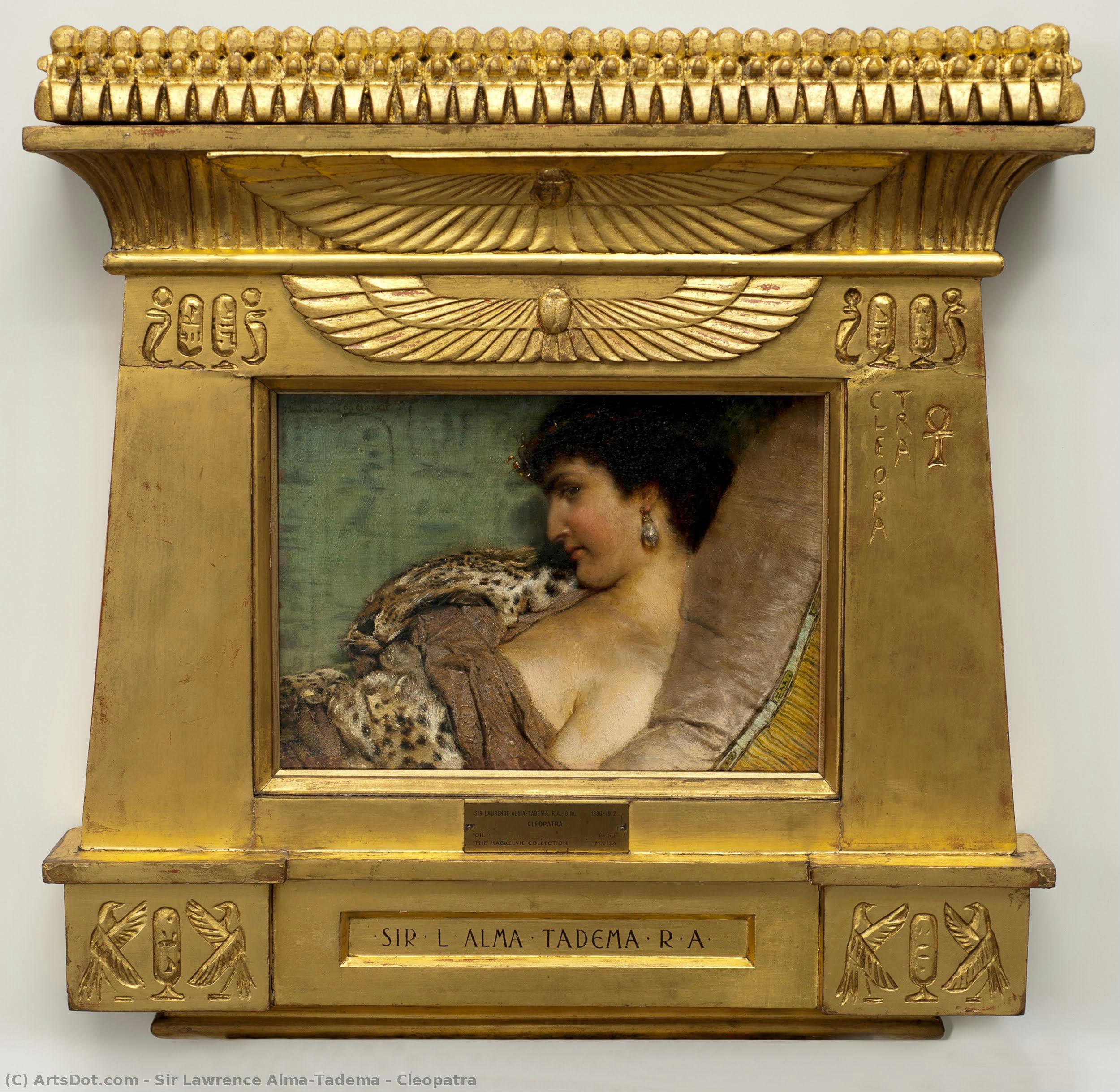
Cleopatra
 Acrylic On Canvas
- WallArt
- Victorian Romanticism
 1877
1877 46.0 x 44.0 cm
 Auckland Art Gallery Toi o Tāmaki
Admire Lawrence Alma-Tadema's iconic depiction of Cleopatra and Antony’s opulent meeting! Explore the masterful detail & dramatic lighting capturing a pivotal moment in history – a timeless masterpiece.
 Læs mere
Sir Lawrence Alma-Tadema (1836–1912) var en dansk-engelsk maler kendt for sine overdådige romerske interiører og præcise klassiske detaljer. Oplev hans unikke lys- og atmosfærefærdigheder!
Giclée / Kunsttryk
Giclée- eller lærredstryk i museumskvalitet med hurtig produktion og fleksible muligheder for finish. ( Bestil håndmalet reproduktion Skift til digitalt billede)




P118B Dkr10

P118H Dkr10

P118W Dkr10

P438Z Dkr10

P508JH Dkr12

P508YH Dkr12

P805H Dkr10

P805Z Dkr10

P919BZ Dkr10

P919G Dkr10

P919XJ Dkr10

P959ZH Dkr10

P968JZ Dkr12

W106C Dkr8

W218G Dkr10

W218JH Dkr8

W218Y Dkr10

W307PJ Dkr10

W316G Dkr10

W316PJ Dkr8

W316Y Dkr10

W398PJ Dkr8

W4111J Dkr10

W500HY Dkr15

W500JH Dkr15

W692G Dkr12

W849H Dkr8

W940BG Dkr15

W953PJ Dkr8




Standardstørrelse
speciallavet
CM
INCH
Vælg mellem vores forudindstillede størrelser, der matcher kunstværkets originale proportioner.
Loading sizes...

bredde
højde
Indtast den bredde og højde, du har brug for, så det passer til din ramme eller din væg. Et print kan kun beskæres, aldrig gøres større end billedet, så en størrelse med en anden form vil miste en del af motivet. Vi sender dig en digital mockup til godkendelse, før vi printer noget. Billedet vist på denne side viser ikke den faktiske beskæring — det er kun mockuppen, der gør.
Verdensomspændende levering () på 2 uger i stedet for de sædvanlige 4/5 uger. (25 oktober)

Gratis ekspresforsendelse til hele verden

Lærred af linned i høj kvalitet

Komplet transportforsikring

Garanti for refusion af told og importafgifter

Garanti for autentisk farvegengivelse

100 dages returret ved fabrikationsfejl

100% fuld returret

Mængderabat ved flere køb
 Glasmulighed er kun tilgængelig i størrelser under 110 cm

Cleopatra
Giclée / Kunsttryk
Reproduktionsstørrelse
-


Samlet pris
Dkr 459
A Portrait of Power and Intrigue: Exploring Alma Tadema’s Cleopatra
Lawrence Alma-Tadema's "The Meeting of Antony and Cleopatra," completed in 1877, transcends mere depiction; it embodies the opulent drama of Shakespeare’s iconic tale. More than just a visual record of history, this monumental oil painting delves into psychological complexities and artistic innovation—a testament to Tadema’s mastery of capturing both grandeur and subtle emotion. The artwork's enduring fascination stems from its meticulous attention to detail and its ability to convey the palpable tension between ambition and desire.- Subject Matter: The scene portrays Antony and Cleopatra seated at a banquet table, immediately after Cleopatra unveils her audacious gesture—dissolving an earring in wine as a challenge to Antony’s prowess. This moment encapsulates the crux of Shakespeare's narrative and Tadema brilliantly translates it onto canvas.
- Style & Technique: Tadema adhered rigorously to academic conventions, prioritizing realism and meticulous observation. His technique involved layering thin glazes over toned ground, achieving remarkable luminosity and capturing the textures of fabrics—the sumptuous silks and velvets adorning Cleopatra’s attire are particularly noteworthy. The artist skillfully employs chiaroscuro – dramatic contrasts between light and dark – to sculpt the figures and heighten the theatrical atmosphere.
- Historical Context: Painted during the Victorian era, “The Meeting” reflects a fascination with classical antiquity and Roman decadence. Tadema meticulously researched historical costumes and interiors, striving for accuracy that would impress discerning audiences. The painting speaks to anxieties about social morality alongside an appreciation for beauty and luxury—a characteristic blend of Victorian sensibilities.
- Symbolism: Cleopatra’s gesture is laden with symbolic significance. It represents her defiance of convention and her calculated manipulation of Antony's ego, highlighting her intelligence and cunning. The wine symbolizes indulgence and the ephemeral nature of pleasure, mirroring the doomed romance at its core. Furthermore, the opulent setting underscores the vast disparity between power and vulnerability.
- Emotional Impact: Tadema’s masterful composition compels viewers to contemplate the psychological dynamics between Antony and Cleopatra. The gaze exchanges convey unspoken desires and anxieties—a subtle yet powerful portrayal of human emotion. The painting evokes a sense of grandeur, mystery, and ultimately, tragedy, cementing its place as one of Alma-Tadema's most celebrated achievements.
A Closer Examination: Detail and Composition
The artist’s dedication to realism is evident in every brushstroke. Observe the painstaking rendering of Cleopatra’s jewelry—the pearl earring, painstakingly dissolved in wine—a symbol of her audacious challenge. Tadema's use of color palettes contributes significantly to the painting's mood; cool blues and greens dominate the background, contrasting sharply with the warm hues of Antony’s robes and Cleopatra’s skin tones. The positioning of the figures—Cleopatra seated centrally, Antony slightly angled—creates a dynamic interplay between dominance and vulnerability.Alma Tadema’s Legacy: Influence and Recognition
Lawrence Alma-Tadema remains an influential figure in Victorian art history. His meticulous approach to depicting classical subjects established him as a pioneer of academic painting, influencing generations of artists. Despite fading popularity during the 20th century, Tadema's work experienced a revival in recent decades, appreciated for its artistic merit and its ability to transport viewers back to a bygone era. Reproductions of “The Meeting” continue to adorn homes and galleries worldwide—a testament to the painting’s enduring beauty and narrative power.Exploring Reproduction Options
TopImpressionists offers high-quality reproductions of Alma Tadema's "The Meeting of Antony and Cleopatra," meticulously crafted to capture the essence of the original masterpiece. Choose from a range of sizes and framing options to elevate your interior décor and immerse yourself in the captivating world of Victorian art history. Discover the timeless allure of this iconic painting today!Spørgsmål & svar
Hvordan relaterer farverne i "Cleopatra" af Lourens Alma Tadema sig til værkets følelsesmæssige udtryk?
"Cleopatra" af Lourens Alma Tadema kombinerer en Earthy farvepalet med en Dramatic tone.
Hvilken kunstretning tilhører "Cleopatra" af Lourens Alma Tadema?
"Cleopatra" er et værk fra Victorian Romanticism. Denne stilart angiver den kunstneriske tradition, som værket indgår i.
Hvad foreslås der at bruge "Cleopatra" af Lourens Alma Tadema til?
Den foreslåede anvendelse af "Cleopatra" af Lourens Alma Tadema er Statement. Den kan dog også tjene andre formål.
Om kunstneren
En Fødselsdag i Friesland og en Uventet Vej
Lourens Alma Tadema, senere Lawrence Alma Tadema, blev født den 8. januar 1836 i den lille landsby Dronrijp i det nordlige Holland. Hans far, Pieter Jiltes Tadema, var sognepræst og notar, og familien havde rødder dybt forankret i regionen. Livet startede ikke let; hans far døde da han kun var fire år gammel, hvilket efterlod hans mor, Hinke Dirks Brouwer, med fem børn – inklusive Laurens selv, hans søster og tre andre søskende fra farens første ægteskab. Hinke havde en naturlig interesse for kunst, og hun sørgede for at inkludere tegning i børnenes uddannelse. Laurens fik sin første undervisning hos en lokal tegner, der var ansat til at undervise hans ældre halvbrødre – et tilsyneladende skæbnesvangert valg, da det senere skulle vise sig at blive hans livsvej.
I 1851 led Laurens en alvorlig fysisk og psykisk nedtur. Han blev diagnosticeret med tuberkulose og fik kun kort tid tilbage. I stedet for at give op, besluttede han at bruge sine resterende dage på at tegne og male – en beslutning, der viste sig at være afgørende for hans fremtid.
Træning i Antwerpen og Inspiration fra Historien
I 1852 rejste Laurens til Antwerpen, Belgien, hvor han studerede på den Kongelige Akademi. Her lærte han af de tidlige hollandske og flamske mestre, men det var især Louis Jan de Taeye, en historielærer og kunstner, der havde en stor indflydelse på ham. De Taeye introducerede Laurens for bøger om historie og historisk kostume, hvilket inspirerede ham til at skildre Merovingiske temaer tidligt i sin karriere. Han blev opfordret til at gengive historisk nøjagtighed i sine malerier – en praksis, der hurtigt blev hans kendetegn.
Laurens tog denne kritik meget alvorligt og dedikerede sig til at forbedre sin teknik. Han studerede omhyggeligt arkitektur, tøj og livsstil fra den tid, han malede – en indsats, der gjorde ham til verdens førende maler af marmor og varieret granitt.
Romantikken i Marmor og Lys
Alma-Tademas mest kendte værker er hans skildringer af det romerske liv. Han var fascineret af den romerske dekadence, luksus og arkitektur, og han gengav disse scener med enestående detaljegrad og atmosfærisk dygtighed. Hans malerier er ofte præget af langstrakte figurer i overdådige marmorerede interiører eller mod baggrunden af et blendende blå Middelhavshimmel. Han var ikke blot en realistisk gengiver; han forsøgte at fange essensen af den tid, han skildrede – lyset, stemningen og følelsen.
Han brugte ofte miniaturemodeller til at sikre perfekt perspektiv og arkitektonisk nøjagtighed. Hans teknik var en kombination af omhyggelig research og en intuitiv forståelse for farve og lys. Han var i stand til at skabe illusioner, der fik betragterne til at føle, at de stod midt i et romersk atrium eller en palads.
En Britisk Karriere og Et Arv
I 1870 flyttede Alma-Tadema til London, hvor han tilbragte resten af sit liv. Han fortsatte med at skabe malerier i samme stil som tidligere, og hans værker blev rost for deres detaljegrad og atmosfæriske dygtighed. Han modtog adskillige priser og titler, herunder ridderkåren i 1899. Selvom hans kunst ikke altid var populær under hans levetid, har Alma-Tadema i dag fået en ny respekt for sin betydning inden for den victorianske kunst. Hans malerier er nu eftertragtede af museer og private samlere verden over, og hans indflydelse kan ses i moderne kunstnere, der stræber efter lignende niveauer af detaljegrad og atmosfærisk realism.
Alma-Tadema var mere end blot en maler; han var en kulturel figur, der bidrog til at forme vores forestillinger om det gamle Rom. Hans værker er et vidnesbyrd om hans talent, hans passion og hans evne til at fange essensen af en svunden tid.

Lourens Alma Tadema
1836 - 1912 , Holland
Hurtige fakta
- Artistic Movement Or Style: Victoriansk maleri
- Artists Or Movements Influenced By This Artist: ['Romantisk periode']
- Artists Who Influenced This Artist: ['Louis Jan de Taeye']
- Date Of Birth: 8. januar 1836
- Date Of Death: 25. juni 1912
- Full Name: Lourens Alma Tadema
- Nationality: Hollandsk
- Notable Artworks:
- A Kiss
- Ask Me No More
- A Coign of Vantage
- Place Of Birth: Dronryp, Holland
Relaterede artikler

Sebastiano del Piombo: Bridging Venetian Colorism & Roman Grand Manner Portraiture
Explore the captivating art of Sebastiano del Piombo, a Renaissance master bridging Venetian colorism & Roman grandeur. Discover his iconic portraits and lasting influence on art history. Learn more at TopImpressionists.

Bartolomeo Pinelli: Neoclassical Linearity & Roman Topography of Memory
Explore the captivating world of Bartolomeo Pinelli, a master Italian engraver renowned for his evocative Roman scenes & historical narratives. Discover his art and legacy with TopImpressionists.

Sir Lawrence Alma-Tadema: A Study in Victorian Aestheticism & Classical Antiquity
Explore the captivating world of Sir Lawrence Alma-Tadema, a master of Victorian Aestheticism. Discover his stunning depictions of ancient Rome, artistic techniques, and enduring legacy with TopImpressionists.

Golden Hour on the Nile: Symbolism & Artistic Legacy of Egyptian Sunsets
Explore the rich symbolism of Egyptian sunset paintings & their artistic legacy. Discover how color, ritual, and landscape shaped ancient beliefs – a guide for discerning collectors.

Timeless Grandeur: Capturing the Majesty of Roman Architecture through the Lens of Art History
Explore the profound beauty of Roman architecture through art history. From Piranesi's evocative engravings to classical masterpieces, discover how the grandeur of ancient Rome continues to inspire collectors and art enthusiasts worldwide.
Udforsk kunstværker organiseret efter temaer, stilarter og karakteristika.


