


 Se i rummet
 Send
Send Del
Del
 Detaljer
 Studieguide til kunstværker

 Download
 Lignende værker
 Røntgenundersøgelse
 Se diasshow
 Statistik
Skrivebord
 Akryl på lærred
- Vægkunst
- Baroque
 1730
1730 131.0 x 83.0 cm
 Det Kongelige Palads i Venaria
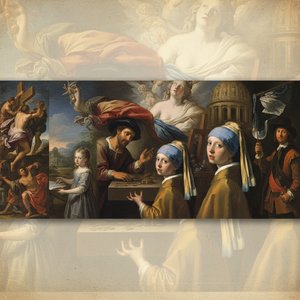
Et imponerende værk af Luigi Prinotto fra 1730 viser et travlt kontorlandskab med en elefant og flere personer, udført i klassisk barok stil. Oplev kunstnerens præcision og brug af lys.
 Læs mere
An influential figure of the Baroque era, Luigi Prinotto mastered the art of intricate inlay and luminous painting through iconic works like Scrivania, inviting you to discover the exquisite craftsmanship of his Turin legacy.
Giclée / Kunsttryk
Giclée- eller lærredstryk i museumskvalitet med hurtig produktion og fleksible muligheder for finish. ( Bestil håndmalet reproduktion Skift til digitalt billede)




P118B Dkr10

P118H Dkr10

P118W Dkr10

P438Z Dkr10

P508JH Dkr12

P508YH Dkr12

P805H Dkr10

P805Z Dkr10

P919BZ Dkr10

P919G Dkr10

P919XJ Dkr10

P959ZH Dkr10

P968JZ Dkr12

W106C Dkr8

W218G Dkr10

W218JH Dkr8

W218Y Dkr10

W307PJ Dkr10

W316G Dkr10

W316PJ Dkr8

W316Y Dkr10

W398PJ Dkr8

W4111J Dkr10

W500HY Dkr15

W500JH Dkr15

W692G Dkr12

W849H Dkr8

W940BG Dkr15

W953PJ Dkr8




Standardstørrelse
speciallavet
CM
INCH
Vælg mellem vores forudindstillede størrelser, der matcher kunstværkets originale proportioner.
Loading sizes...

bredde
højde
Indtast den bredde og højde, du har brug for, så det passer til din ramme eller din væg. Et print kan kun beskæres, aldrig gøres større end billedet, så en størrelse med en anden form vil miste en del af motivet. Vi sender dig en digital mockup til godkendelse, før vi printer noget. Billedet vist på denne side viser ikke den faktiske beskæring — det er kun mockuppen, der gør.
Verdensomspændende levering () på 2 uger i stedet for de sædvanlige 4/5 uger. (26 oktober)

Gratis ekspresforsendelse til hele verden

Lærred af linned i høj kvalitet

Komplet transportforsikring

Garanti for refusion af told og importafgifter

Garanti for autentisk farvegengivelse

100 dages returret ved fabrikationsfejl

100% fuld returret

Mængderabat ved flere køb
 Glasmulighed er kun tilgængelig i størrelser under 110 cm

Skrivebord
Giclée / Kunsttryk
Reproduktionsstørrelse
-


Samlet pris
Dkr 459
Luigi Prinottos Betragtning af Skrivebordet – Et Kaleidoskop af Lys og Tro
Claude François, bedre kendt som Frère Luc – et navn givet efter hans dedikation til Recollets ordenen – er en fascinerende figur inden for det 17. århundrede fransk kunst. Han blev født omkring 1614 i Amiens og viste tidligt interesse for tegning og fik læreplads hos Simon Vouet, en fremtrædende manierist maler i Paris. Denne første træning gav ham et solidt fundament, men det var hans efterfølgende rejse til Rom, hvor han blev mødt af Old Masters’ ekko, der virkelig forme hans kunstneriske vision. Der absorberede han færdighederne hos giganten Jacques Bassano og kopierede omhyggeligt værker af hans mestrer – især den mesterlige brug af lys og skygge. Et vendepunkt i hans liv var en ung fald fra kirkevæggen; denne begivenhed blev fortættet med dramatisk detalje og blev sammenfiltret med et løfte om at dedikere sit liv til religiøs tjeneste, hvilket styrkede hans vej mod munkdom. Denne kunstværk, "Scrivania" af Luigi Prinotto fra 1730, er mere end blot en gengivelse af et skrivebord; det er et vindue ind i en tid præget af både akademisk ambition og religiøs refleksion. Prinotto var en aktiv medlem af San Luigi dei Francesi kunstmuseet i Rom, hvilket understreger værket’s forbindelse til den italienske Barokkens blomstringstid – en æra kendt for sin dramatiske ekspressionisme og fokus på følelsernes kraft. Maleriet udtrykker denne ånd gennem et præcist udført perspektiv og brug af chiaroscuro teknikken, hvor lys og skygge anvendes strategisk til at skabe dybde og atmosfære. Dette sikrer ikke blot en realistisk gengivelse af møblerne og menneskerne i scenen, men også fremhæver et følelsesmæssigt niveau, der inviterer betragteren til at engagere sig aktivt med værket. Det centrale element i billedet er naturligvis skrivebordet selv – et symbol på arbejde, refleksion og videnskabelig søgen. Omkring bordet står flere personer, hvilket antyder en aktiv samtale og måske udforskning af nye ideer. På højre side domineres scenen af en elefant, hvilket kan være mere end blot et tilfældigt element; elefanten er ofte blevet brugt i kunsthistorien som symbol på styrke, visdom og exotisme – kvaliteter, der var værdifulde for den religiøse orden Prinotto tilhørte. Elefanten repræsenterer måske også principper om stabilitet og guddommelig vejledning, hvilket kontrasteres mod menneskelige aktiviteterne ved skrivebordet. Prinottos stil er karakteriseret af en nøjagtighed og detaljeringsgrad, der var typisk for den italienske akademiske kunst i det 18. århundrede. Hans brug af lys og skygge er særlig bemærkelsesværdig – teknikken blev perfektioneret af Caravaggio og Jacopo Bassano og blev videreført af Prinotto til denne imponerende gengivelse af et hverdagsligt miljø. Resultatet er en kunstværk, der ikke blot præsenterer et realistisk billede af skrivebordet og dets omgivelser, men også formidler en dybere følelsesmæssig resonans – en invitation til at reflektere over forholdet mellem menneskelig aktivitet og guddommelig indsigt. Hvis du ønsker at bringe denne kunstværks ære og atmosfære ind i dit hjem eller kontor, tilbyder TopImpressionists.com højkvalitets reproduktioner af "Scrivania" til rådighed – perfekt til både kunstelskere og dekoratører der søger inspiration fra Barokkens mest fremragende kunstnere. Lad denne ikoniske gengivelse være et vidnesbyrd om principperne om lys, styrke og refleksion i en smukt udført kunstværk.Spørgsmål & svar
Hvilken teknik er "Skrivebord" udført med?
Luigi Prinotto brugte Akryl på lærred-teknikken til "Skrivebord". Teknikken definerer det originale værks materielle karakter.
Hvordan kan jeg se en forhåndsvisning af en reproduktion af "Skrivebord" af Luigi Prinotto?
En forhåndsvisning af "Skrivebord" af Luigi Prinotto er tilgængelig på værkets Forhåndsvisning-side.
Hvornår blev "Skrivebord" skabt, og hvilken stilart tilhører det?
"Skrivebord" blev skabt i 1730 som et værk inden for Baroque-bevægelsen. Datoen og stilen forankrer kunstværket i kunsthistorien.
Om kunstneren
The Master of Marquetry and Woodwork
While history often reserves its brightest spotlights for the painters of the Baroque era, the legacy of Luigi Prinotto offers a profound window into the exquisite craftsmanship of Turin. Born in 1685, Prinotto was not primarily a painter, but rather an exceptionally skilled ebanista (cabinetmaker) and intarsiatore (marquetry artist). His life's work was defined by the meticulous manipulation of rare woods and ivory to create furniture that served as much as fine art as it did functional luxury. Operating within the vibrant artistic landscape of Italy, his hands transformed dense materials into delicate narratives of light and shadow.Artistic Development and Roman Influence
Prinotto’s creative journey was deeply intertwined with the shifting aesthetic tides of the early modern period. His mastery of intarsio—the art of inlaying different materials to create intricate patterns—required a level of precision that mirrored the complexity of the era's greatest painters. During his career, which flourished between 1712 and 1780, he became renowned for producing pieces characterized by a refined wisdom and a sense of sumptuous elegance. His work often adhered to established traditions while simultaneously embracing the decorative splendor required by the high courts of the time. The influence of broader artistic movements is palpable in the themes he chose for his wood inlays. Though his medium was wood and ivory, his compositions often echoed the dramatic spirit of the Baroque. He possessed a remarkable ability to execute fine details on even the smallest scales, creating miniature worlds within the grain of the timber. His reputation grew to such an extent that by 1721, he had earned the esteemed appreciation of the royal court, a testament to his ability to marry technical rigor with aesthetic grace.Legacy and Royal Patronage
The significance of Prinotto’s work is most clearly seen in the prestigious collections where his pieces reside today, such as the Royal Palace of Venaria. His craftsmanship was so highly regarded that he was able to secure significant commissions for the nobility, including works featuring complex scenes of festivities, hunting, and pastoral life. These pieces often utilized rare woods like rosewood and ebony, layered with ivory to create a luminous effect that mimicked the depth found in contemporary oil paintings. His contributions to the decorative arts of Turin left an indelible mark on the history of Italian craftsmanship. Through his ability to weave complex imagery into the very fabric of furniture, Prinotto ensured that the artistry of the ebanista would be remembered alongside the great visual masters of his age. His work remains a vital link to the sophisticated domestic and courtly life of the eighteenth century, embodying an era where utility and high art were seamlessly entwined.
Luigi Prinotto
1685 - 1780 , Italy
Hurtige fakta
- Artistic Movement Or Style: Baroque
- Artists Who Influenced This Artist:
- Simon Vouet
- Correggio
- Parmigianino
- Caravaggio
- Bernini
- Full Name: Luigi Prinotto
- Nationality: Italian
- Notable Artworks: ['Scrivania']
- Place Of Birth: Turin, Italy
- Date Of Birth: 1685
- Date Of Death: 1780
Relaterede artikler
Barokkens Mestre: Top 10 Kunstværker der Definerede en Æra | TopImpressionists.dk
Oplev barokkens storhed! Dyk ned i 10 ikoniske kunstværker af Caravaggio, Rembrandt & Vermeer. Lær historierne bag mesterværkerne og find inspiration til din indretning med museumskvalitets reproduktioner på TopImpressionists.com

The Visceral Stage: Exploring Dramatic Narratives & Emotional Intensity in Baroque Art
Explore the dramatic world of Baroque art! Discover iconic masters like Caravaggio & Rembrandt, their techniques, and the movement's lasting impact. Expert insights for collectors & enthusiasts at TopImpressionists.

Baroque Classicism: The Grandeur of Order and Drama in 17th-Century Art History
Explore the profound elegance of Baroque Classicism. Discover how 17th-century masters synthesized dramatic emotion with classical order through the lens of the Counter-Reformation and the works of legends like Carlo Maratta and Andrea Sacchi.

Simon Vouet: A Baroque Master's Journey from Italian Influence to French Classicism
Explore the life & art of Simon Vouet, a pivotal French Baroque painter who introduced Italian styles to France. Discover his masterpieces and lasting influence on 17th-century art.

Barokkens Drama: Hvordan Storhed og Emotion Bringes Ind i Moderne Interiører
Dyk ned i barokkunstens verden! Lær om stilens historie, karakteristika og hvordan du integrerer dens drama og elegance i dit moderne hjem. Inspiration & ekspertrådgivning.
Udforsk kunstværker organiseret efter temaer, stilarter og karakteristika.
